
Photo: Jason Koerner/Getty Images
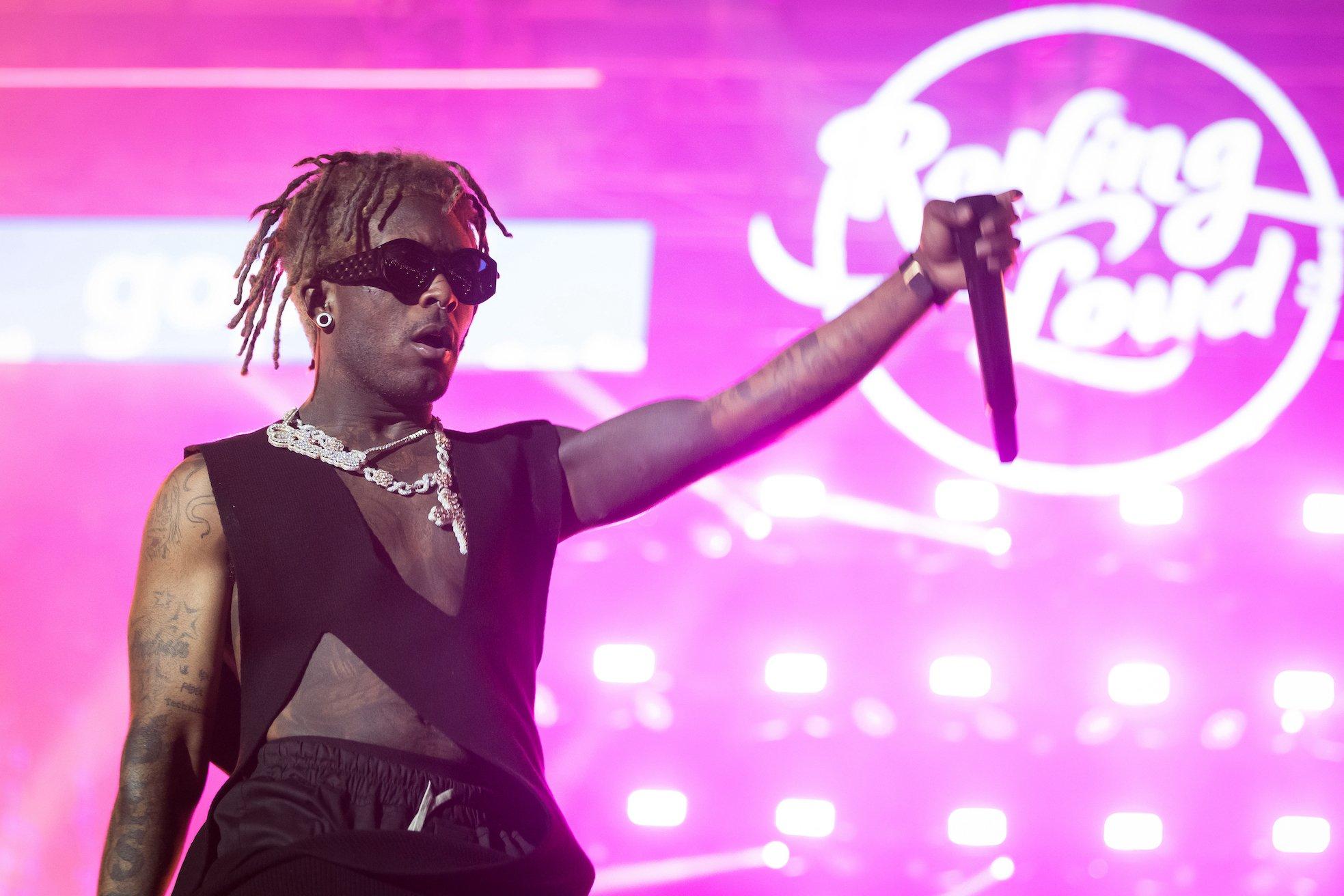
Lil Uzi Vert performs at Rolling Loud Miami in 2023.
10 Years Of Rolling Loud: Festival Founders Talk SoundCloud Beginnings, Global Expansion & Interstellar Future
As the ever-growing fest celebrates 10 years in Miami Dec. 13-15, Tariq Cherif and Matt Zingler reflect on how Rolling Loud has become a cornerstone of hip-hop culture.
GRAMMYs/Dec 10, 2024 - 05:26 pm
In February 2015, Matt Zingler and Tariq Cherif launched the first-ever Rolling Loud festival. But while the inaugural Miami event was a success, it was also quite the learning experience for Zingler, who had to take matters into his own hands — literally.
"I booked companies to drop off bike racks [and tents]. They just dropped them off in the front of the building, and I had to set them up myself... in Wynwood in Miami, with a pistol on me, at 4 in the morning. There's homeless people and crackheads and s—. It was crazy as f—, dude."
Since that harrowing first year, Rolling Loud is no longer a DIY venture for Zingler and Cherif — it now bills itself as the biggest hip-hop festival in the world. Along with the annual Miami fest, Rolling Loud has expanded to California and Thailand, with other iterations having taken place over the years in New York, Australia, Portugal, Canada, the Netherlands, Germany, and Austria.
They've also overseen the emergence of Rolling Loud as what they proudly call a "lifestyle brand," with expansions into merchandise, including collabs with Modelo and the WWE. The latter marked the first time the wrestling league ever worked with a music festival, and the partnership expanded beyond T-shirts into actually having wrestling matches during the festival itself.
There's also a record label, which they launched with a Rae Sremmurd and Duke Deuce single in 2022. While there haven't been more releases yet, the founders have big plans for its future — as well as for a podcast (appropriately titled "The Founder$"), a movie, and more.
All of this — the worldwide concerts, the big-deal collaborations, the multimedia domination — shows that Rolling Loud is much more than a music festival. It has become an event, the founders say, that many artists plan their whole year — and their release schedules — around. The name has become synonymous with modern-day hip-hop, from the cutting edge to the mainstream.
"We're here to prove that hip-hop is a global force," Cherif says. "Our mission is to spread happiness to millions of people throughout the world while promoting hip-hop culture."
Ahead of the 10th anniversary edition of the festival — which takes place in Miami from December 13-15 and features Future, Travis Scott and Playboi Carti headlining — Cherif and Zingler sat down with GRAMMY.com to discuss those rough early days, how the festival has evolved, and the founders' plans for the future (hint: they involve outer space).
You guys have talked about how back when you were first promoting shows, you threw an event with Rick Ross that didn't go well. But I wanted to know some specifics: how on earth did you lose $30,000 in a single night?
Tariq Cherif: [Laughs] First of all, it was our first event at a club. Anything we had done prior to that was a house party. And second of all, we intended to produce concerts like we ended up doing shortly thereafter.
But with Rick Ross, we booked an after party with him when there was an arena show for FAMU homecoming in Tallahassee, Florida. This was in 2010. The arena show had a lot of the big rappers at the time, and just big personalities: Rick Ross, Waka Flocka, DJ Khaled.
We saw Rick Ross tweet an email address for after party bookings. And I was like, "Yo, Matt, we should book Rick Ross for this after party." We had no business promoting a Rick Ross after party. We're not after party promoters — we're concert promoters.
Also, we got beat out by the promoter for the arena show. At the time, there were only two nightclubs in Tallahassee. We had one booked, and the arena show promoter had the other. The arena show had their DJ pushing their nightclub the whole time, even though they didn't have any of the artists booked to show up. And we had Rick Ross booked — we were paying him.
Long story short, everybody went to the other party. That was what was dubbed as the official after party. But what's cool is, none of the artists went there. So if you came to ours, you got an eight or nine-song Rick Ross performance, but there were only like 100 people there. But if you went to the other club, it was 2,000 people but no artists.
What did you come away from that with?
Matt Zingler: The concept of a 2,000 cap club, selling tickets for $50, grossing $100,000, netting $70,000 because you pay the artist 30 grand — it's not a reality. When people don't buy the tickets, you're f—ed.
When we decided to go on to our next booking, which was Curren$y, we did an actual music venue and an earlier show that was an actual concert, and we priced it accordingly. We focused on selling an event instead of a nightclub and bottles and a late crowd.
Before Rolling Loud, you were booking concerts. Why create a festival, as opposed to continuing to promote individual artist shows?
Cherif: That came about organically. We grew into it. We were throwing hip-hop shows with one headliner and a couple support acts all over the state of Florida. By the time we launched Rolling Loud, we'd been doing it for five years, and we wanted to grow into arenas out of the small clubs that we were in. But it was really hard in Florida, especially at the time. All the arenas were controlled by Live Nation or AEG or any of the big corporations. We were kind of blocked from these bigger venues.
We also were seeing at our shows that artists in a similar subgenre would have the same fans. So Curren$y or Wiz [Khalifa] or Mac Miller or Action Bronson or any of those types of guys would have a lot of the same fans at the shows. And a Robb Bank$ or Flatbush Zombies or Denzel Curry would have a separate group of the same fans at their shows. At all of our shows would be some super hip-hop fans that would just come to every show.
We realized hip-hop has a lot of subgenres. If we could unite all of them on one show, we could do a bigger show than what we've been doing, charge more for a ticket, but also provide people a lot of value. So we found a warehouse in Miami, and the rest was history.
What was that first year like?
Zingler: The first festival capacity, I want to say, was around 5,000, 7,500 patrons. It was an indoor room. The stage was smaller. We had some kind of barricade — probably bike racks. Stage two was very small. It was an outdoor stage, kind of iconic because a lot of legends performed on that one. You had, like, Travis Scott. You had Post Malone there before he was anybody. You had XXXTentacion — a bunch of acts were on that stage.
It's a very, very large difference between what we do now and what we did then. I mean, our main stages now cost anywhere between $1.3-$1.7 million, just for the production for one stage. At the time, I want to say that the total stage cost was maybe 25, 30 grand. We're building stages now that are 80 feet deep, 280 to 320 feet wide — versus at that time, probably 20 feet deep by 40 feet wide. We don't even have a stage that small anywhere at our festival now. So there's definitely leaps and bounds.
Was it actually you two setting up the bike rack barricades?
Zingler: I was there late. Tariq was also in town. I booked companies to drop off bike racks. They just dropped them off in the front of the building, and I had to set them up myself until four in the morning. Same thing with the tent vendor: they just dropped off these tents and I'm like, "You gotta set them up." They're like, "You didn't pay for that." I was like, "I'll pay for it now." And they're like, "We don't have the people to do it." And I was like, F—.
So I'm literally setting up tents. This is by myself in Wynwood in Miami at four in the morning. There's homeless people and crackheads and s—. It was crazy as f—, dude. Definitely humbling, for sure.
So the next year, I assume you paid the setup fee?
Zingler: Next year I was like, "I'm not hiring your company unless you're setting up the tent and putting up the bike rack, and here's where I want you to put it." Lesson learned though, man.
Rolling Loud got associated in its early years with the SoundCloud rap movement.
Cherif: That was lightning in a bottle. It was a growing together situation where we were producing these smaller concerts throughout Florida. These artists you're talking about — Robb Bank$, Denzel Curry, XXXTentacion, wifisfuneral, Smokepurpp, Lil Pump, Pouya — we booked all of them for their own headlining shows, but we also would book them to open for artists when we'd bring them to Florida. So we were building this scene together throughout all of Florida, and really championing each other.
We were the guys doing the shows. They were the artists coming up that were lit. It was building it brick by brick together. When we launched Rolling Loud, we knew it was super important to represent that on the show, because we were watching the growth firsthand, and all those artists had earned it.
The first Rolling Loud has Denzel Curry, Pouya, Robb Bank$, wifisfuneral, Cashy. Some of the names aren't popping anymore, but at the time they were. And then by the second Rolling Loud we got XXXTentacion and Ski Mask the Slump God. By the third Rolling Loud, we got Lil Pump and Smokepurpp. We just saw that we were a part of that genre. Whether we were working with the guys, friends with the guys, helping manage them, tour manage them, promoting them — it was all hand in hand. It was an organic unfolding.
How did you expand beyond that genre without losing your identity?
Zingler: As the brand became larger, we got more stages and the ability to book up-and-coming talent. We've never lost our ability to see who's buzzing. SoundCloud was a unique time. Nowadays you have TikTok, you have Twitter, you have a bunch of different platforms you can scour to find budding talent.
Back then there was a strong Florida scene. I would say there's still a strong scene in Florida, but artists are popping up all over the map every day. It's different. You know, an artist one day has a song on TikTok, and he's a superstar within a week. That's changed a little bit of the landscape of music.
But when we book our lineups, if you look down at the bottom, you're always going to see the new hot buzzing guys, people you don't know. Fans love that. We're booking an average of 30 to 36 artists a day on Rolling Loud. It's a really custom-tailored product that you're going to see — 110 to 120 rappers at the festival.
We never lost our identity or connection with up-and-coming talent or the community. It's only gotten stronger. Because we put more shows up on the board and we platformed more artists, some of the artists that were an opener at one point became headliners — people like Travis Scott and Post Malone. Certain people in that wheelhouse have grown with us over time from the beginning and became something larger. So when we expand our brand in different markets, we definitely tap in and we know what's hot.
I wanted to ask about that expansion. It was just a couple of years into Rolling Loud that you guys went to LA, and from there put on shows internationally. What was behind the decision to expand the brand? Why not just have the biggest event in Florida once a year for the rest of your lives?
Cherif: That was a topic of much contention between Matt and myself, because I felt like before we look at expanding, let's be the biggest we can be in Miami, where we don't have competition.
But we kept talking it over. And Matt had a great point: you're only as good as your last show. Also, when it comes to the brand, we've got it right now. People want it in the West Coast, which we saw on our socials. People from all over the world were saying, "Bring this here," but we especially got a lot of that from California. So it's very much a Matt-driven thing that at first I disagreed with, but I think it was the right decision in the end.
Speaking of LA, there was a moment there in 2019 when you had to switch the order of the final acts at the last minute. Can you tell me about that?
Cherif: This was a super-tumultuous day for me. Very awkward, very stressful. At the time — even still today, but especially at the time — Lil Uzi Vert was one of our most in-demand artists. He was synonymous with the Rolling Loud brand. This is the first time we booked Chance the Rapper. And we love Chance the Rapper. Acid Rap is one of my favorite albums. We booked him prior to him releasing [The Big Day] that year, just taking a bet on the album.
On show day, we have an app. In the app, we see people build their schedules. Uzi was the most scheduled artist, and Chance was further down the list. We also just knew anecdotally from our socials and from looking at our crowd that he was super important.
So our artist relations team informs us, "Uzi's jet is grounded in Philly. They won't let them take off due to weather. He's gonna miss his set." And we're like, Oh no, we cannot have Uzi miss his set. This is when the song "Futsal Shuffle" had just come out, which they ended up shooting the video for at the show.
Uzi's team said, "They'll let it take off [later]. If you can mess with the schedule, he can be there to perform." So we made the decision to go to Chance and his team. It took a lot of hours and a lot of conversations. We basically explained to them, "Hey, Uzi is really important to us. I would really appreciate it if you would swap with him so he can still perform."
Some of the business people around Chance were like, "Screw that. Just pull Uzi off the show. No other festival would ever ask the headliner to go before the direct support act." We were like, "Yeah, but no other festival is Rolling Loud. We care about our fans and we know our fans really want to see Uzi. He's the most requested on our app and our socials. We need to make this happen."
Long story short, we made it happen. It was not easy, but it went down. Chance was very accommodating and did that for us, and we're very thankful for it.
There's only two of you guys. Has there ever been a festival where the two of you both were not on site? Could you see a point at which that would happen?
Cherif: We both go to every show. There's only one show that Matt couldn't make it, and that was Australia, 2019. I don't really count it, because it was a one-stage, one-day show that was pretty turnkey, and we had some good partners. But as far as us producing a multi-day, multi-stage, very involved show, we both go to every show.
Will that still be the case 10 years down the line?
Zingler: I think it's important for us to remain very active in the brand. We are the heartbeat to the festival. We are the heartbeat to the brand. It wouldn't be the same without both of us. You can duplicate what we do, but it will never be authentic. It will never have the history. It will never have the connection. It'll just be a dupe, a copy, a replica of something that can never be replicated.
What do you want Rolling Loud to be in 10 years?
Zingler: We're going to space. Elon, give us a call. We're going to be the first festival in space. We'll be with Elon, sponsored by SpaceX, on a new planet. Uzi will headline and come down in his spaceship.
You guys have been very open about viewing Rolling Loud as a brand. What does that mean? What is Rolling Loud beyond concerts?
Cherif: We used to say this before it was real, but Rolling Loud is a lifestyle brand. Our mission is to spread happiness to millions of people throughout the world while promoting hip-hop culture. We're here to prove that hip-hop is a global force. We just executed a show in Thailand with 40,000 Asian people all knowing every word to every song, all dressed in clothes that you'd expect to see at a hip-hop culture event.
The name Rolling Loud is synonymous with hip hop. When you think hip-hop, you think Rolling Loud, and when you think Rolling Loud, you think hip-hop. Other extensions of the brand separate from the festival are the merchandise, the content, music, film. Just building a whole world around hip-hop and being that vehicle to encapsulate the whole feeling and spirit of the genre.
With the flagship show on the horizon, what's a typical day like for you guys?
Cherif: Thankfully, we have a great team. So the days of Matt pulling barricades, and me talking to every artist manager, all the things that we used to do hands-on ourselves — we don't have to do those things anymore. But we do need to coordinate with all of our teams, our department heads and our festival director. We need to make sure everything's dialed in the way that we want it.
Also, continuing to market the show, because we want to make sure the show is sold out prior to gates opening. So we're on the phone with managers, agents, the artists themselves, getting them to post the flier and promote the show. We're trying to line up special guests. We're just doing everything in our power to dot our i's and cross our t's, and make sure that we have the best event possible, especially for our 10-year anniversary.
So day to day, we're waking up, we're in our group chats, we're at our office, we're on call. We're doing everything. Nobody's too big or too small for anything. So it's like, "Let's get it done. Who's got the bandwidth for it? Whose department does it fall in? All right, great, execute."
Latest In Rap Music, News & Videos
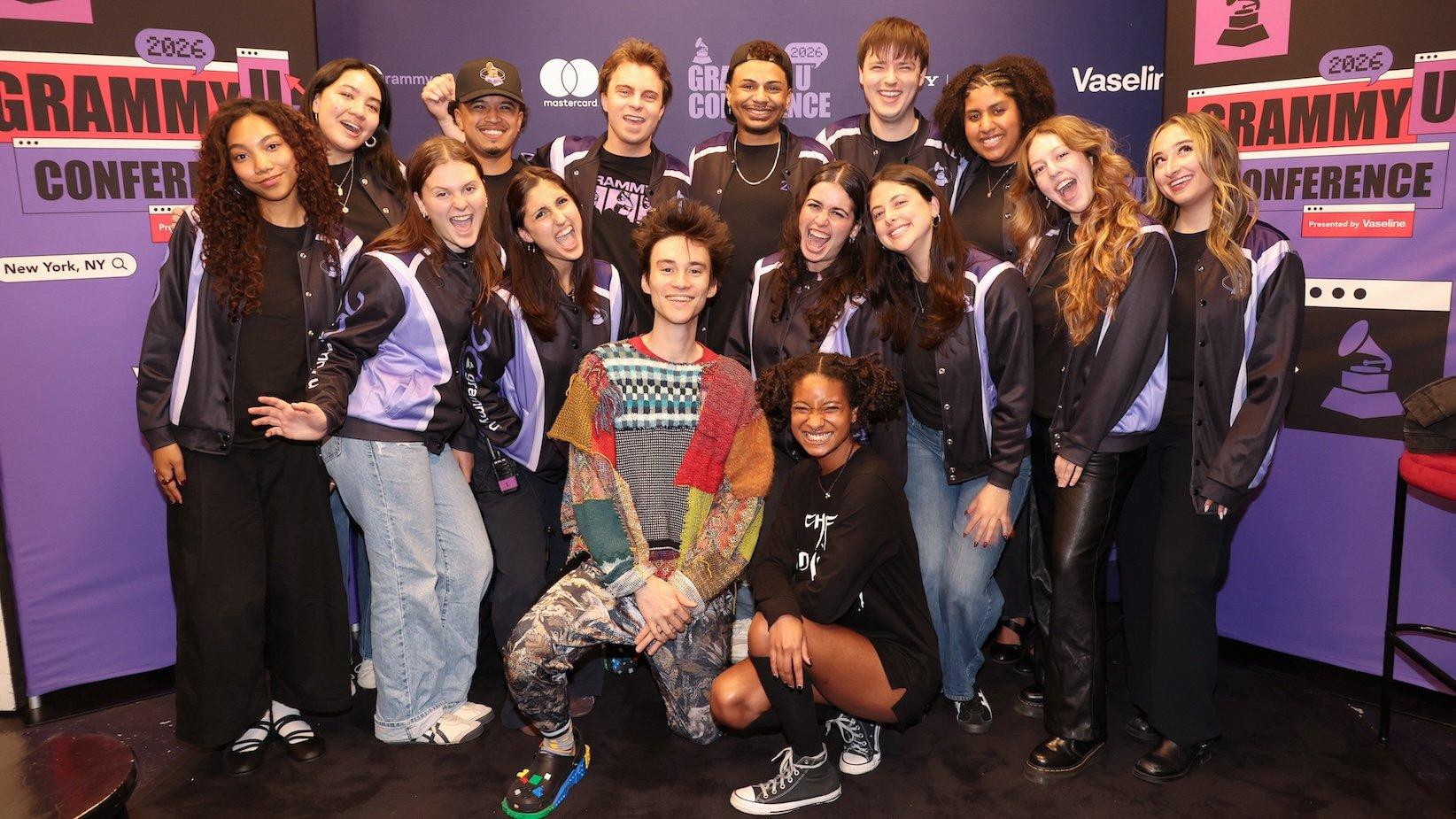
Jacob Collier (center), WILLOW (center-right), and Grammy U members attend the 2026 Grammy U Conference Presented By Vaseline on Friday, April 24, at Sheen Center in New York City.
Photo: Johnny Nunez/Getty Images for The Recording Academy
5 Things We Learned At The 2026 Grammy U Conference With Natasha Bedingfield, Towa Bird, WILLOW & More
The 2026 Grammy U Conference Presented By Vaseline in New York City brought together Grammy U members from around the globe and marked the first-ever three-day conference in honor of the program's 20th anniversary.
GRAMMYs/May 1, 2026 - 05:15 pm
Through rain and shine, Grammy U united the next generation of music during the 2026 Grammy U Conference Presented By Vaseline, the program's annual conference, in New York City last week. Packed with educational panels and activations, the signature event this year expanded to three days, a first for the conference, and celebrated Grammy U's monumental 20th anniversary.
The conference kicked off with two razor-sharp keynote conversations: WILLOW and Jacob Collier dissected the discipline of craft together at the Sheen Center, then Natasha Bedingfield, Towa Bird, and Abigail Morris of The Last Dinner Party discussed the generational evolution of music — all before the trio's special live performance.
Bright and early Saturday morning, Grammy U members learned about two-time Grammy-nominated producer Alissia's creative process during Grammy U Unwrapped, presented in collaboration with the Recording Academy's Producers & Engineers Wing and moderated by music curator Annabelle Kline. Next, Grammy U Representatives Ily Aguilar and Adyna Silverberg led three dynamic conversations with Rolling Loud CEO and Co-Founder Matt Zingler, Grammy U Managing Director Jessie Allen, and Grammy-nominated singer and actress JoJo during "Grammy U Live!: Building Beyond Limits." Later that night, Mariah The Scientist commanded the Grammy U Showcase, presented in collaboration with the Recording Academy's DREAM Network and New York Chapter, at DROM, with opening slots filled by performing Grammy U members and artists Trinity, Radha, and Michael Soul.
Lastly, Grammy U Career Day at Chelsea Studios offered crucial resources for emerging creatives and professionals, including workshops and networking mixers. Buzzing with energy, the day capped off a special weekend that exhibited and celebrated Grammy U's far-reaching evolution.
Couldn't make it in-person? Here are five key takeaways and lessons we learned at the 2026 Grammy U Conference Presented By Vaseline.
Mastercard and Sony Pro Audio are participating sponsors of the 2026 Grammy U Conference Presented By Vaseline.
Learn To Be Comfortable With Being Uncomfortable
"When have I been comfortable and had an aha moment?" WILLOW questioned. Moderated by Grammy-winning artist, songwriter and producer Jacob Collier, her keynote conversation "The Discipline of Craft: Building Authentic Artistry With WILLOW" dove into how the Grammy-nominated artist shaped contemporary music by practicing curiosity.
WILLOW and Collier kicked off the conference with a jamming session that the pair later revealed was improvisatory — and WILLOW admitted insecurity had nearly held her back from committing to the performance.
"If there's anything that you can identify that you're afraid [of], just go there," WILLOW encouraged Grammy U members, reflecting on how the experience had pushed her out of her comfort zone. "It might be uncomfortable, but — hate to say it — those are the experiences that really break you into being like, 'Oh wow, I didn't know … this part of me existed.'"
Part of leaning into this mindset is recognizing that there's always more to learn. "I don't feel we sit here as experts," Collier acknowledged humbly. "We sit here as fellow explorers and fellow students!"
Caring & Trying Hard Is Cool
During the closing panel, "The Sound of Generations: 20 Years in Reflection," on the first day of the conference, Grammy-nominated artist Natasha Bedingfield, singer/songwriter Towa Bird, and The Last Dinner Party's lead singer Abigail Morris reflected on what longevity looks like in the music industry.
In celebration of 20 years of Grammy U, they discussed how the music industry has changed over the past decades, reflecting on trends such as the emergence of short-form digital content, the ever-present pressure of social media, and the ballooning of fan access to artists.
Bedingfield spoke about how artists can become self-conscious for "car[ing] too much," but she underscored the value of leaning into passion unabashedly and visibly.
Morris agreed, criticizing the modern tendency to present art with "ironic nonchalance" and sharing that her love of art comes from a childlike, playful place. "Caring is so cool. Trying hard is really cool," Morris said. "That's something that people should be proud of and excited about."
"It's rebellious in this culture," Bedingfield added. "It's cool to care, and it's cool to have discipline and work hard," Bird agreed.
Don't Forget To Build Community While Still Honing Your Craft
During "The Sound of Generations" panel, Bird noted the importance of networking laterally with peers, especially while in college. Whether you're hoping to find someone to offer feedback on your latest song or share legal advice, she described how essential it is to find people to grow alongside in the music community.
"Get to know the people around you — like if you're an artist, meet other artists, [but also] people who are studying music business, who are studying A&R, who want to be executives," she advised. "Be open to understanding the different parts of the music business … so when it does come to that time, you have so many wonderful peers and … you can go to people for advice."
On Saturday, Alissia echoed that advice during her Grammy U Unwrapped session. In conversation with Annabelle Kline, curator and founder of That Good Sh*t, the Grammy-nominated producer reminded members not to be afraid to expand their peer networks, encouraging them to use social media to find collaborators. "Slide into DMs!" she laughed, following a story about how Prince had sent her a DM on Twitter and asked to work together.
During her session, Alissia gave a behind-the-scenes look at her groovy track "Hypnotic Night" featuring Nile Rodgers and EARTHGANG. While her Unwrapped dove into the nitty-gritty of production, her breakdown wasn't all about organization or workflow — it was also about how musical collaboration creates community.
Discover What Success Means To You
Closing out day two of the conference, the dynamic panel series "Grammy U Live!: Building Beyond Limits" spotlighted three key figures in the industry: Rolling Loud CEO and Co-Founder Matt Zingler, Grammy U Managing Director Jessie Allen, and Grammy-nominated singer and actress JoJo.
Each shared insight into a different corner of the industry, including scaling up a festival (Zingler), growing a global organization (Allen), and guiding your creative journey with intention (JoJo). But above all, the series reminded audiences that truly no one's creative journey is a perfectly straight line.
Allen stressed that it's normal to be figuring out what success looks like for you, and she emphasized the importance of exploring parts of the music industry that are new to you. Similarly, Zingler encouraged Grammy U members to "stay tuned into your goals," noting how success is measured differently by everyone.
Additionally, JoJo reflected on how she was conditioned by the industry to pursue what was "working for her" rather than what she wanted to pursue creatively. "Be protective of what you like," she advised.
Be Your Own Biggest Advocate
After soaking up advice from two panel-packed days, Grammy U members experienced a new wealth of resources at the conference's first-ever full Grammy U Career Day.
Taking steps toward your career can feel intimidating, but Grammy U Career Day laid out myriad opportunities for members with any interest, from law to songwriting to production to management.
Grammy U Career Day hosted several workshops with speakers respectively from the Mechanical Licensing Collective, Recording Academy, and The Ninth Collective: "Royalties 101: How To Collect On Your Catalogue With Serona Elton"; "Future Forward: Looking Beyond Grammy U With Ruby Marchand"; and "Work The Room: Professional Presence With Jade Walters." Nearby at exhibitor tables, Grammy U members spoke with representatives from music nonprofits including HeadCount, Women in Music, the Mechanical Licensing Collective, Anti Social Camp, the Digilogue, and GLAAD.
Offering career consultations with music executives, in-studio sessions with creatives, networking sessions, resume review stations, and even a professional headshot station, Grammy U Career Day reminded members how readily accessible opportunities can be — but it's up to you to seek them out and take advantage of them.
Learn More About GRAMMY U
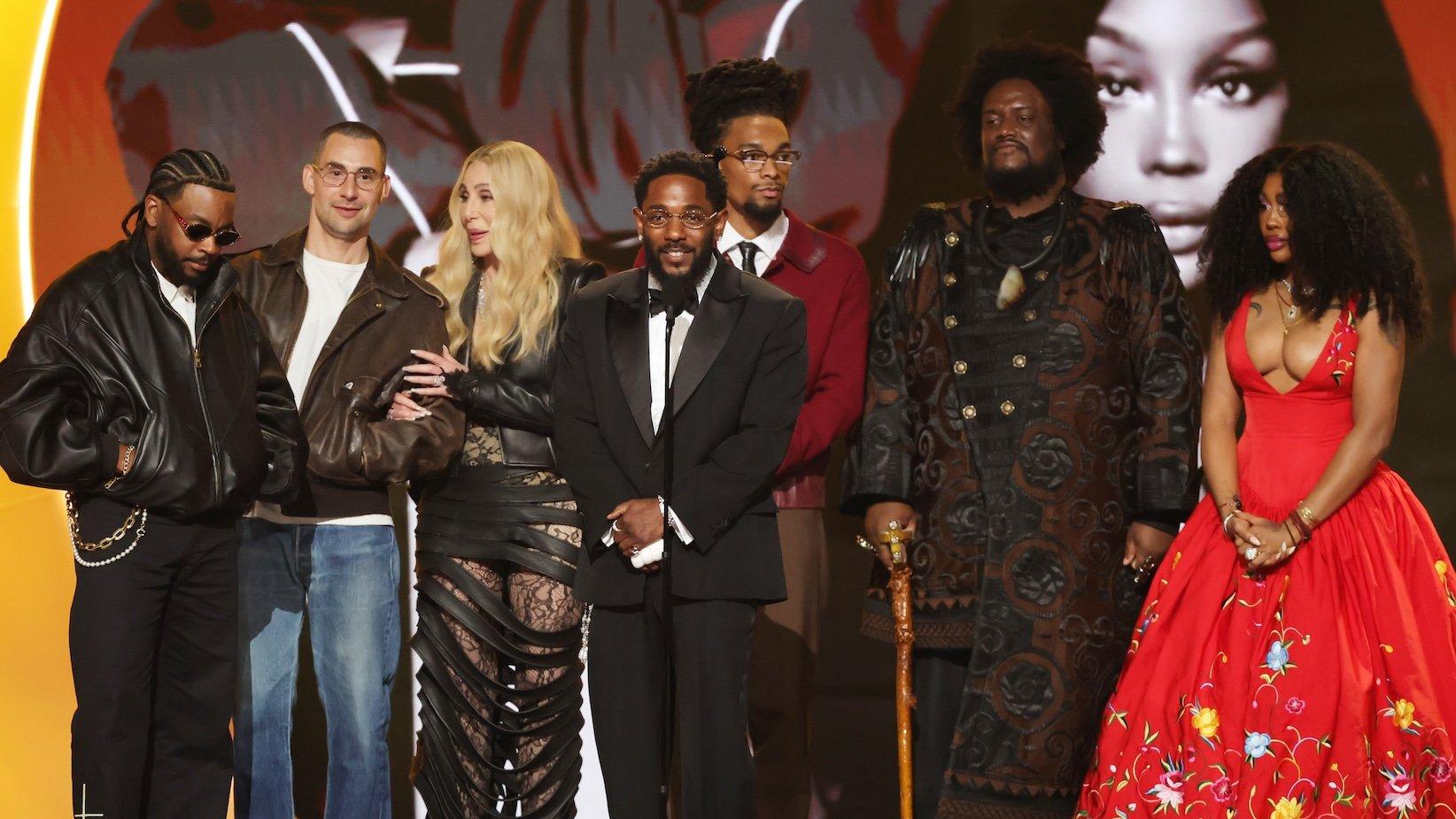
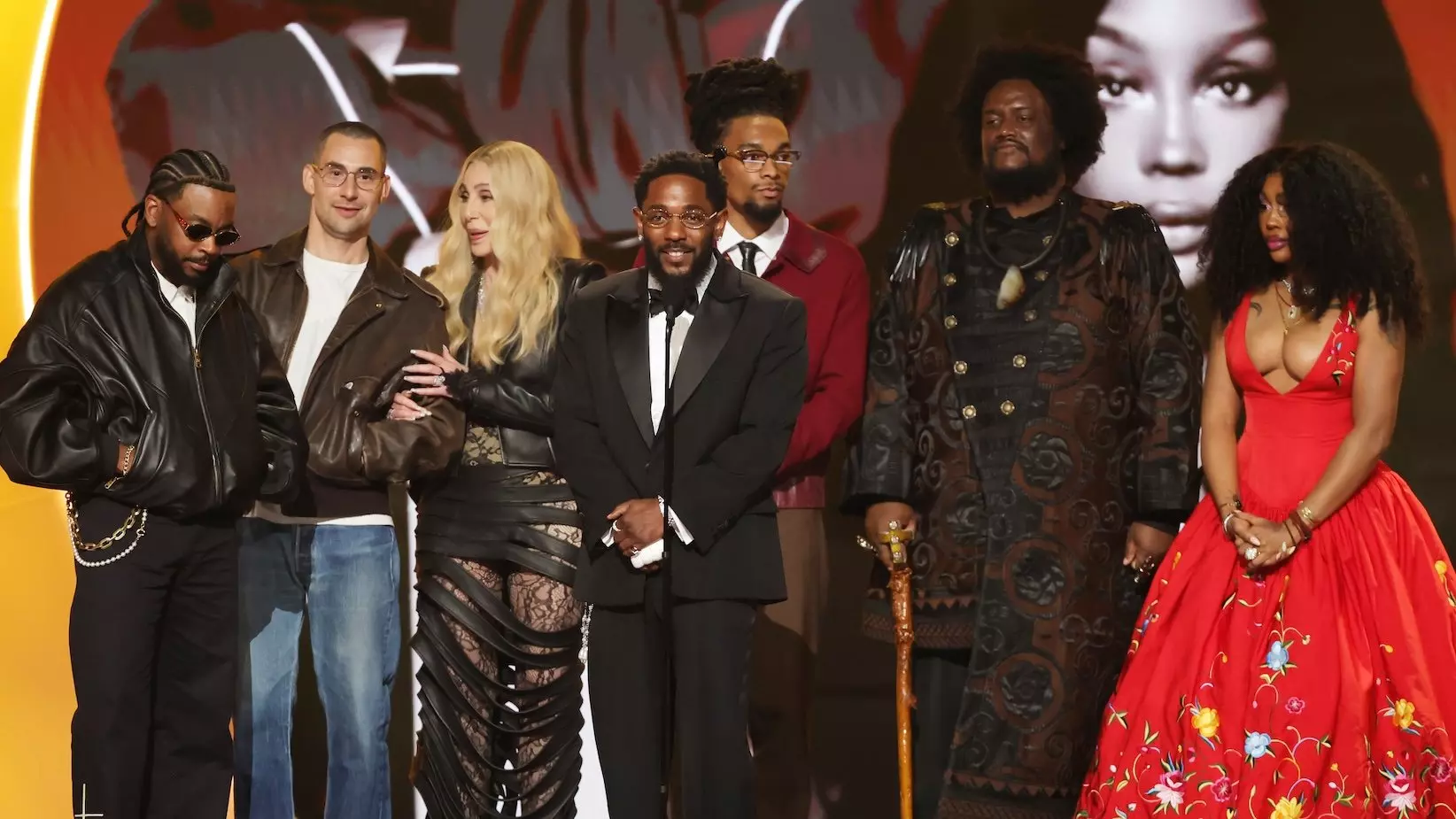
Kendrick Lamar and SZA win the Grammy for Record Of The Year at the 2026 Grammys on Sunday, Feb. 1, at Crypto.com Arena in Los Angeles, California. (L-R) Sounwave, Jack Antonoff, Cher, Kendrick Lamar, Scott Bridgeway, Kamasi Washington, and SZA.
Photo: Kevin Winter/Getty Images for The Recording Academy
9 Powerful Acceptance Speeches From The 2026 Grammys: Bad Bunny, Kendrick Lamar, Lady Gaga & More
From pro-immigrant statements to vocal support for women in music, these moving acceptance speeches from the 2026 Grammys reflected the moments defining music and culture today.
GRAMMYs/Mar 1, 2026 - 01:49 am
See the full list of winners and nominees from the 2026 Grammys.
Watch highlights and exclusive Grammys content from the 2026 Grammys all year long.
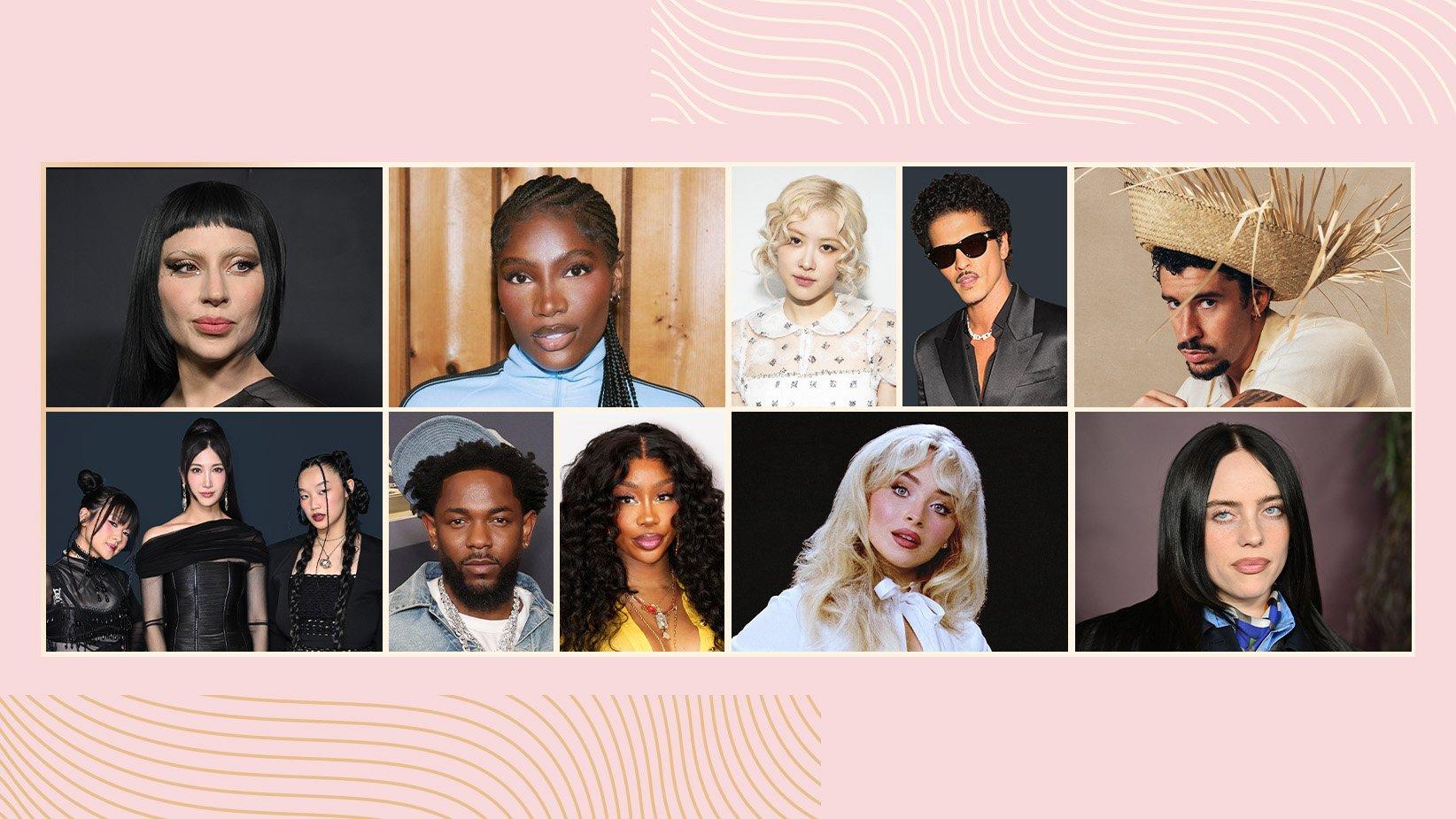
At the 2026 Grammys, winning artists took to the stage with much more than gratitude on their minds. Grammy winners such as Lady Gaga and Recording Academy Lifetime Achievement Award honoree Cher supported rising artists, particularly women in the music industry. Kendrick Lamar deflected from his own victories to pay tribute to Luther Vandross, namesake of his Record-Of-The-Year-winning tune, and the hip-hop community at large.
In particular, many artists reacted to the ongoing campaign of deportations and anti-immigrant violence happening across the U.S. Bad Bunny, Billie Eilish and Olivia Dean all spoke movingly in support of immigrants, while many other artists wore "ICE OUT" pins.
Below, revisit some of the most moving acceptance speeches from the 2026 Grammys.
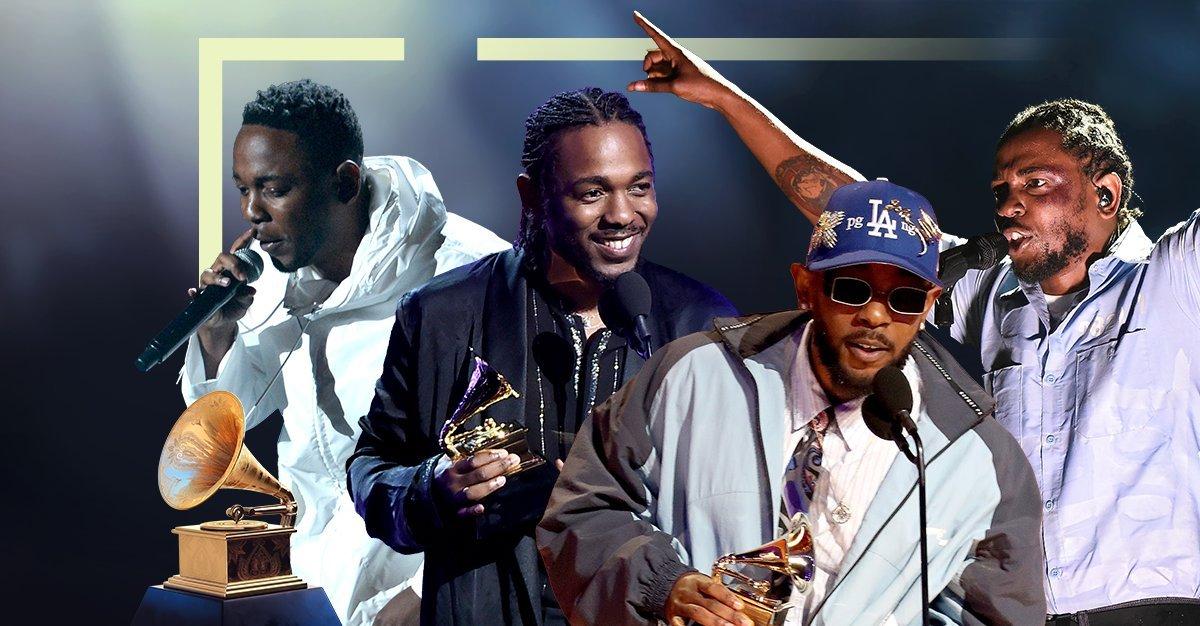
Kendrick Lamar Makes Rap History & Shouts Out The Hip-Hop Community
After dominating the 2025 Grammys with "Not Like Us," Kendrick Lamar took home five Grammys this year and became the rapper with the most Grammy wins ever. After winning three Grammys earlier in the day during the 2026 Grammy Awards Premiere Ceremony, the Los Angeles artist won the first Grammy Award of the telecast for Best Rap Album for GNX. With this Grammy win, he topped JAY-Z's 25 wins to snatch the record for most Grammys won by a rapper.
"Every time I tell you this: Hip-hop is gonna always be right here," Lamar said in his Grammy acceptance speech, dedicating his win to the hip-hop movement. "We gonna be in these suits, we gonna be looking good, we gonna be having our folks with us, we're gonna be having the culture with us."
Kendrick also shouted out Clipse, with whom he won Best Rap Performance earlier in the day for their track "Chains & Whips." He would return to the stage once more before the end of the night to take home the Grammy for Record of the Year for his song "luther" with SZA, bringing his career total to 27 Grammy wins.
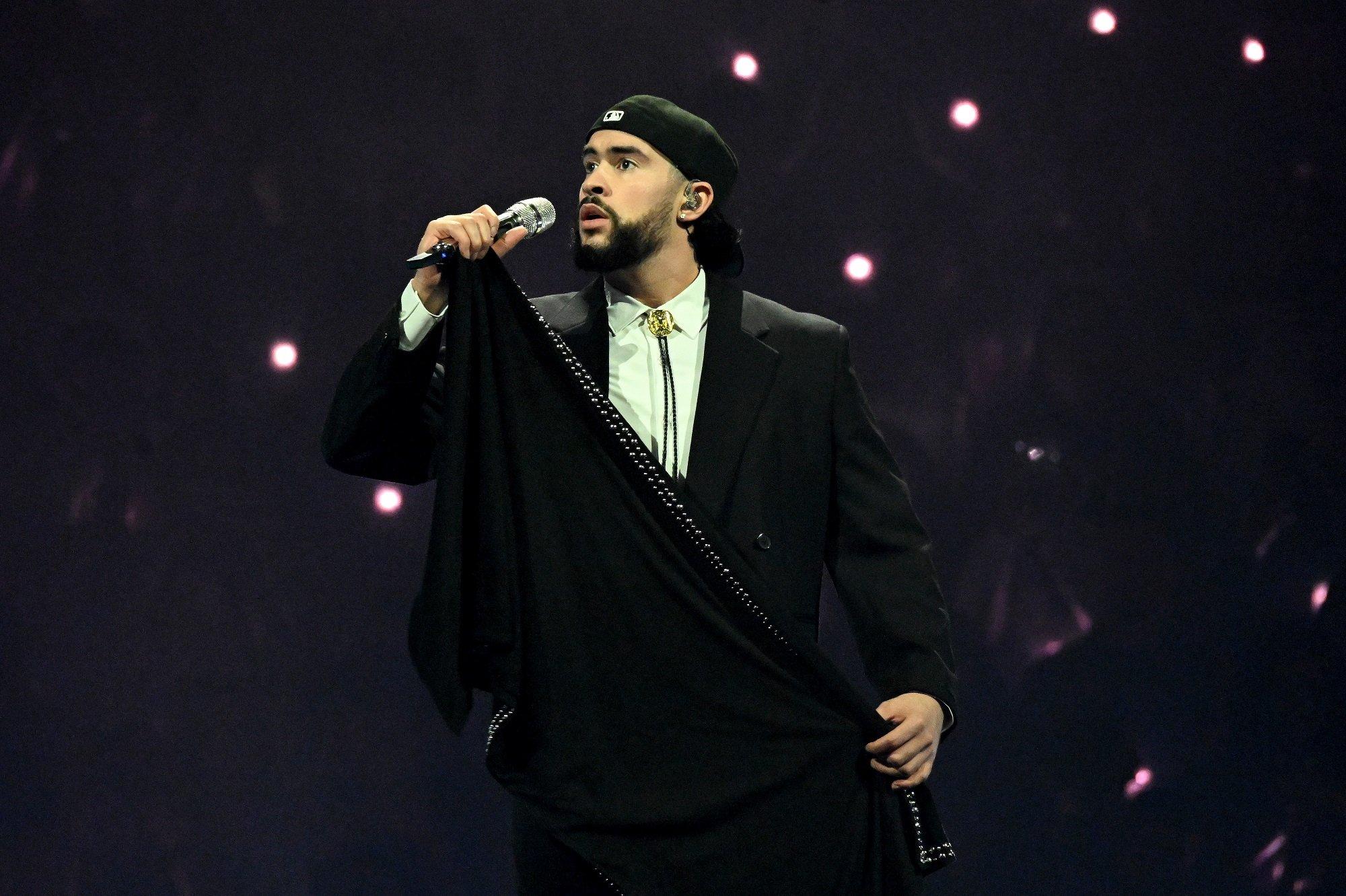
Bad Bunny Stands Up For Immigrants
Of the many statements made in support of immigrants at the 2026 Grammys, few felt more powerful and resonant than Bad Bunny's, who twice spoke on the issue on the Grammy stage. Accepting the Grammy for Best Música Urbana Album for DeBÍ TiRAR MáS FOToS, the Puerto Rican superstar front-loaded his acceptance speech with a rebuke of the dehumanizing rhetoric faced by immigrants, especially Latin Americans such as himself.
"Before I say thanks to God, I'm gonna say: ICE out," he declared. "We're not savage, we're not animals, we're not aliens. We are humans and we are Americans."
Loading...
Later that night, after winning the Grammy for Album of the Year, a visibly shocked and overwhelmed Bad Bunny returned to the stage to deliver another Grammy acceptance speech, though this time mostly in Spanish. It was an appropriate move considering the history-making album is the first non-English-language album to ever win the Grammy for Album Of The Year. But given his stunned reaction, Bad Bunny may have just been too emotional to so quickly translate most of his thoughts. But in a fitting move, he dedicated his Grammy win to "all the people who had to leave their homeland, their country, to follow their dreams."
Olivia Dean Tearfully Takes Best New Artist
Loading...
"I never imagined I'd be up here, let alone nominated," Olivia Dean said as she tearfully accepted the Grammy for Best New Artist. Having just performed her U.K. chart-topping single "Man I Need" on the Grammy stage, the British singer used her platform to speak out in support of immigrants, including her own grandmother, who immigrated to the U.K. from Guyana as part of the Windrush generation.
"I'm up here as a granddaughter of an immigrant," Dean said. "I'm a product of bravery, and I think those people deserve to be celebrated."
Lady Gaga Supports Women In Music
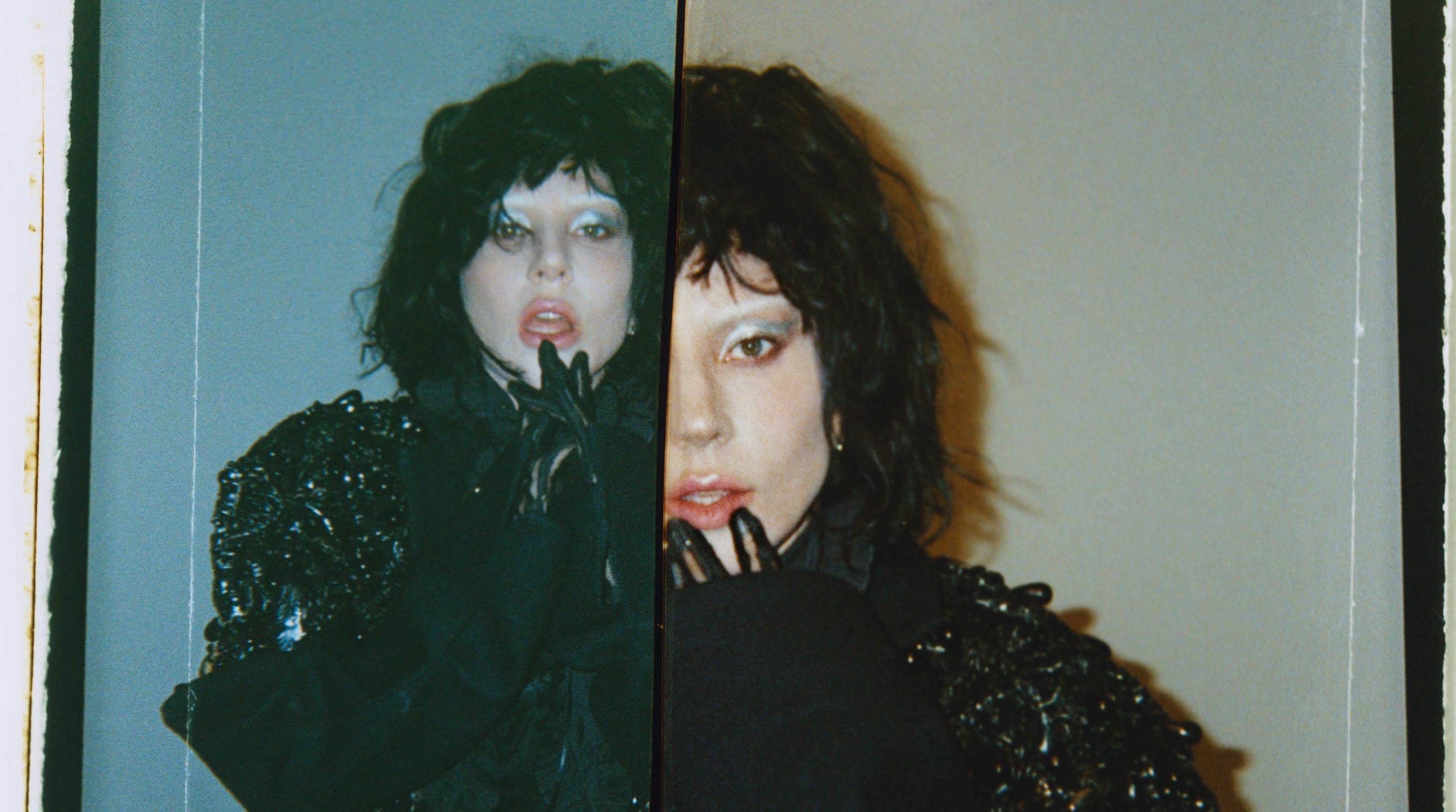
As well-known as she is for awards-show spectacles – Remember the meat dress? – Lady Gaga kept things (mostly) low-key and earnest. Following a dynamic performance of "Abracadabra," she returned to the stage to accept the Grammy for Best Pop Vocal Album for MAYHEM.
Thanking her fiancé, Michael Polansky, and her collaborators, including Cirkut, who won the Grammy for Producer Of The Year, Non-Classical winner, and Gessaffelstein, the latter of whom won the Grammy for Best Remixed Recording for his remix of "Abracadabra," Lady Gaga offered some encouraging words for women in the music industry.
"When you're in the studio with a bunch of guys, it can be hard," she said. "Always listen to yourself and always fight for your ideas, fight for your songs, fight for yourself as a producer."
"Abracadabra" also won the Grammy for Best Dance Pop Recording, bringing her total career Grammy wins to 16.
Lola Young Swears She Didn't Expect Grammy Win
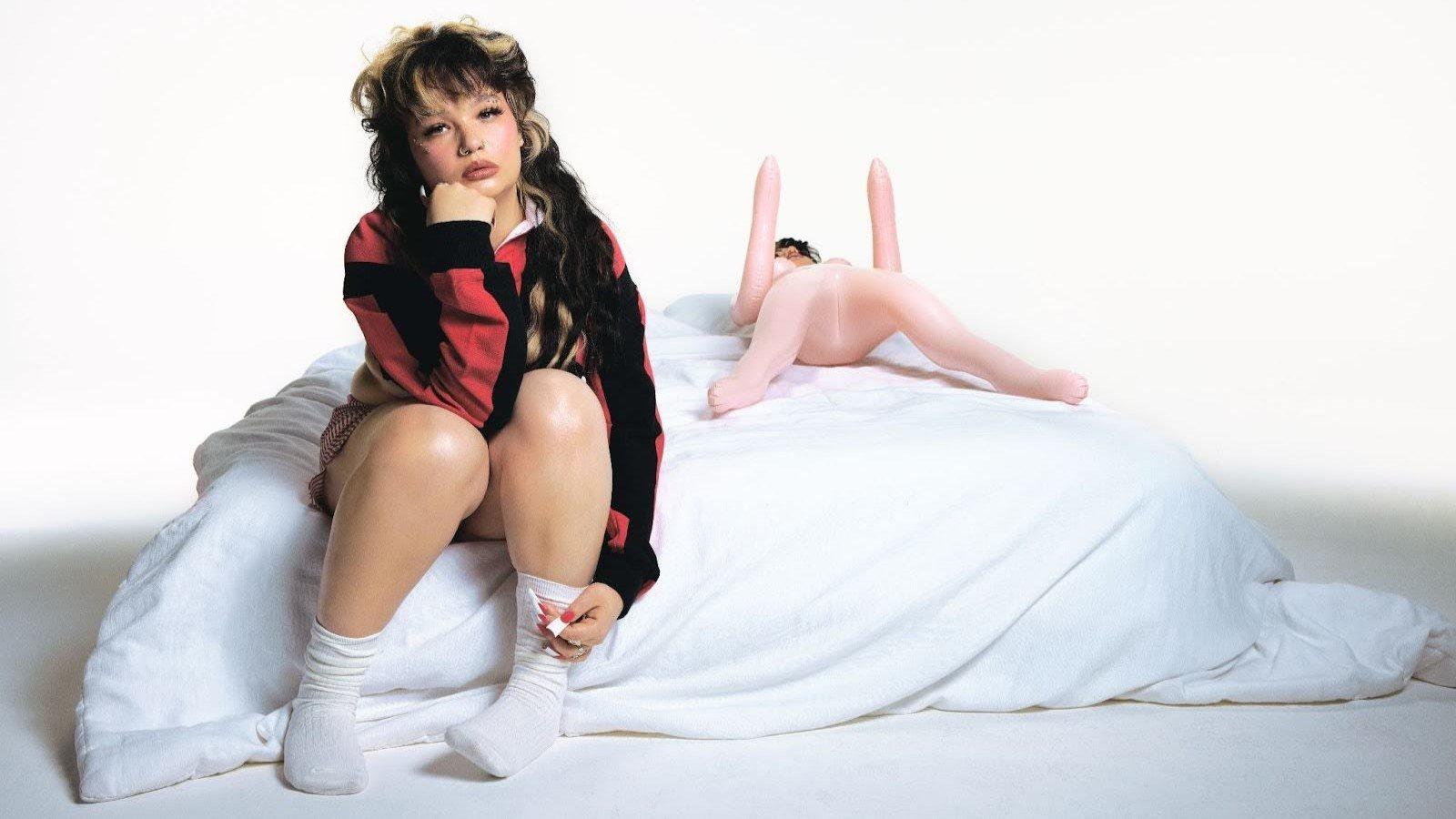
Though Lola Young certainly had stiff competition in the Best Pop Solo Performance Category, including veterans such as Justin Bieber and Lady Gaga, nobody was more shocked at her Grammy win in than Young herself. The singer, also nominated for Best New Artist, had just wrapped an emotional piano rendition of her track "Messy" earlier in the evening, one of her first live performances in four months following a health scare.
"I don't have any speech prepared," a visibly shocked Young said. "I don't know what to say. Thank you so much!" Utterly overwhelmed and searching for words, Young dropped a few less-than-TV-appropriate words before thanking her friends and mother and fleeing the stage while in a state of pure ecstasy.
Billie Eilish Gets Serious During Song Of The Year Speech
Loading...
Winning the Grammy for Song of the Year for "WILDFLOWER," her 10th Grammy, didn't seem to weigh heavily on Billie Eilish's mind as she took the stage to accept the award. Flanked by her brother and creative partner FINNEAS, both wearing "ICE OUT" pins, as were many of the other attendees, the pop star weighed in on the current anti-immigration policies being carried out in the U.S.
"No one is illegal on stolen land," Eilish said. "It's just really hard to know what to say and what to do right now … I feel really hopeful in this room, and I feel like we just need to keep fighting and speaking up and protesting, and our voices really do matter, and the people matter."
The more serious tone of the speech contrasted with Eilish's previous wins, but it felt more than appropriate given the current climate.
Cher's Audacious Return To The Grammy Stage
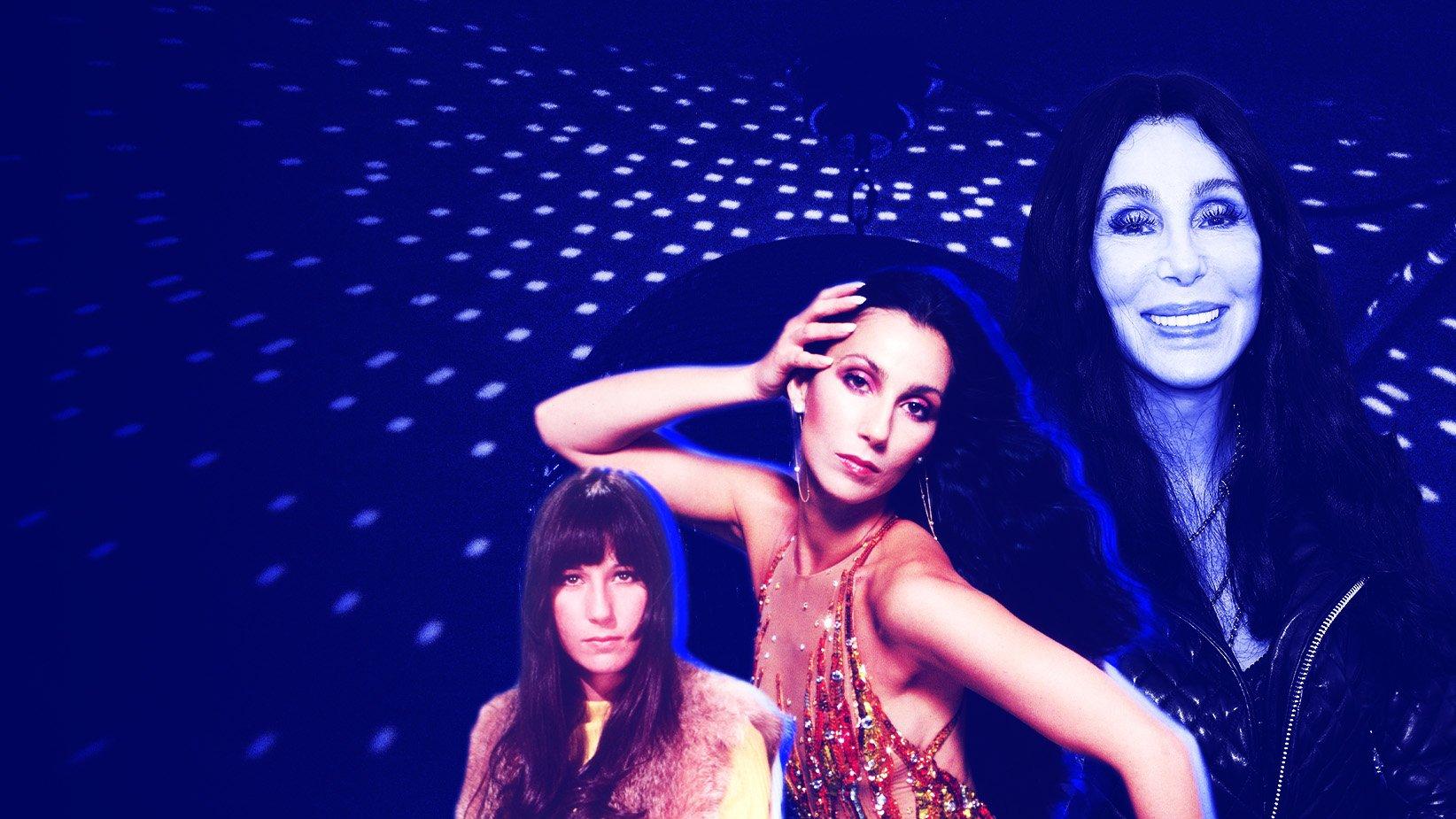
Cher is always a class act. With dozens of hits across a decades-spanning career, she earned the Recording Academy Lifetime Achievement Award deservedly. Her acceptance speech on the Grammy stage quickly became one of the most talked-about moments of the night.
First, she gave a stirring speech reflecting on her storied yet tumultuous time in show business. "I was famous at 19 and had a top-rated show in my 20s, actually, but it didn't occur to me how rough my career was going to be," she said. "I was either a loser or winning an Oscar. I'm sure a lot of you in the audience know what I'm talking about."
Cher also reflected on her stint in the "elephant graveyard" of Las Vegas in the '80s and her pioneering use of AutoTune on her Grammy-winning hit single "Believe." She closed out her speech by encouraging the audience: "Never give up on your dream, no matter what happens. Live it, be it, and if it's not happening now, it will happen soon."
Then things got a little bit … whacky. Apparently unclear that she would be presenting the Grammy for Record of the Year, the singer nearly walked off the stage before the crowd and host Trevor Noah coaxed her back. Then she mistakenly declared the late Luther Vandross the winner, in reference to the winning song, "luther" by Kendrick Lamar and SZA. Oh Cher, don't you ever change!
Jelly Roll Goes Full Country Music
Loading...
Jelly Roll had already won two Grammys earlier in the day for collaborations with Brandon Lake and Shaboozey, but it wasn't until the evening that he got to ascend the Grammy stage solo. Winning the Grammy for Best Contemporary Country Album for Beautifully Broken, he made his acceptance speech into a sort of country song in its own right, thanking his wife, referencing his Christian faith, and describing the troubles that led him to turn to music.
"I didn't think I had a chance, y'all," he said. "There were days that I thought the darkest things. I was a horrible human … There was a moment in my life that all I had was a Bible this big and a radio the same size and a six-by-eight-foot cell. And I believed that those two things could change my life."
The singer wrapped his speech by once again invoking religion: "Jesus is for everybody. Jesus is not owned by one political party. Jesus is not owned by no music label."
"luther" Wins Record of the Year
Cher may have been a bit off when she confidently misread that the Grammy for Record of the Year was going to "Luther Vandross." But the actual winners, Kendrick Lamar and SZA, made it clear that their chart-topping tune "luther" was a spiritual victory for the legendary R&B star who inspired the song, which prominently samples Vandross' and Cheryl Lynn's 1982 cover of "If This World Were Mine."
"First and foremost, let's give a shout-out to the late, great Luther Vandross," co-producer Sounwave began. "It was very, very, very important to keep the integrity of his record."
Lamar echoed the sentiment. "It's one of my favorite artists of all time, and they granted us the privilege to do our version of it. When we got that clearance, I promise you we damn near all dropped a tear.
"Being able to put our vocals on it, it proves that we were somewhat worthy to be just as great as them individuals," he continued. "They granted us that. They said, 'No cursing,' though."
Finally, SZA struck a note of hopefulness at the end of the speeches. "I know that right now is a scary time. I know the algorithms tell us that it's so scary, and all is lost," she said. "We can go on. We need each other. We need to trust each other and trust ourselves, trust your heart. We're not governed by the government, we're governed by God."
This Grammy win for "luther" puts Lamar in elite territory as a back-to-back Record Of The Year Grammy winner, joining fellow winners like Billie Eilish, U2, and the late Roberta Flack, the latter of whom was tributed in the annual In Memoriam celebration led by Ms. Lauryn Hill earlier in the ceremony.
2026 Grammys: Performances, Winners & Highlights
The 2026 Grammys will broadcast live on Sunday, Feb. 1, at 5 p.m. PT/8 p.m. ET on the CBS Television Network and will be available to stream live and on demand on Paramount+.
Graphic Courtesy of The Recording Academy
2026 Grammys In Memoriam Tribute To Feature Perfomances From Ms. Lauryn Hill, Post Malone, Slash & More: Honoring D'Angelo, Ozzy Osbourne, Roberta Flack & The Musical Icons We've Lost
Additionally, Andrew Watt, Brandy Clark, Chad Smith, Duff McKagan, Lukas Nelson, and Reba McEntire will join the special In Memoriam tribute to honor the musical icons we've recently lost in the creative community.
GRAMMYs/Jan 28, 2026 - 08:00 pm
See the full list of winners and nominees from the 2026 Grammys.
Watch highlights and exclusive Grammys content from the 2026 Grammys all year long.
The Recording Academy has announced the performers for its annual In Memoriam tribute for the 2026 Grammys. Reba McEntire will be joined by Brandy Clark and Lukas Nelson to pay tribute to those we've recently lost in the creative community and honor some of the musical icons who have passed away recently.
Ms. Lauryn Hill will also perform in honor of D'Angelo and Roberta Flack.
Post Malone, Andrew Watt, Chad Smith, Duff McKagan, and Slash will also perform a special tribute to Ozzy Osbourne.
In Memoriam: See the full list of the music legends we've lost.
The full performers lineup at the 2026 Grammys includes:
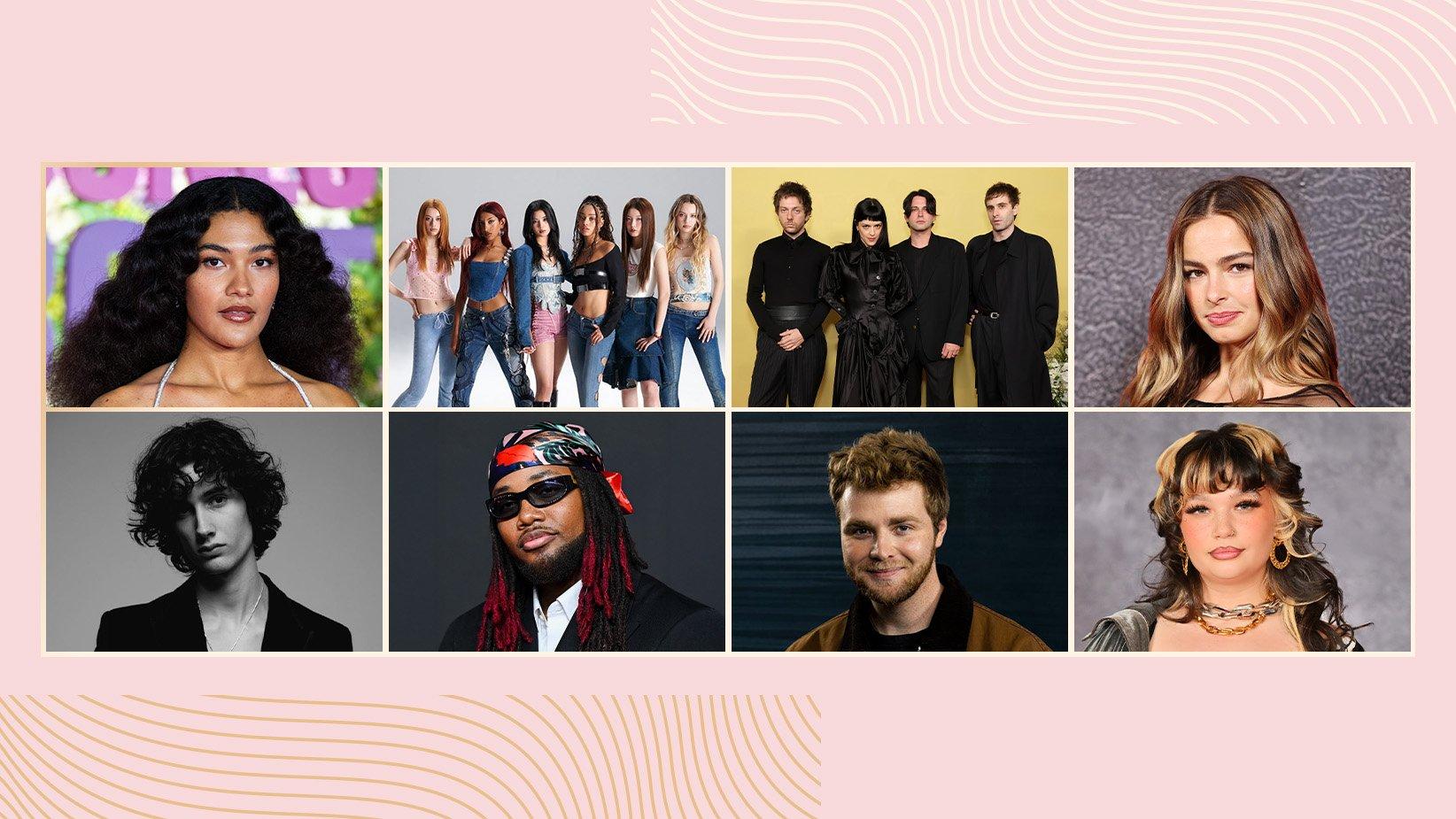
Current Best New Artist Grammy nominees Addison Rae, Alex Warren, KATSEYE, Leon Thomas, Lola Young, Olivia Dean, SOMBR, and The Marías, who are performing in a special Best New Artist segment
Bruno Mars, who is currently nominated for three Grammy Awards at the 2026 Grammys
Clipse and Pharrell Williams, who are currently nominated at the 2026 Grammys for their work on the former's Let God Sort Em Out
Justin Bieber, who is currently nominated for four Grammy Awards at the 2026 Grammys
Lady Gaga, who is currently nominated for seven Grammy Awards at the 2026 Grammys
Ms. Lauryn Hill will perform in honor of D'Angelo and Roberta Flack in the annual In Memoriam tribute at the 2026 Grammys
Post Malone, Andrew Watt, Chad Smith, Duff McKagan, and Slash will perform a special tribute to Ozzy Osbourne in the annual In Memoriam segment at the 2026 Grammys
Reba McEntire joined by Brandy Clark and Lukas Nelson, who will pay tribute to those we've recently lost in the annual In Memoriam tribute at the 2026 Grammys
ROSÉ, who is currently nominated for three Grammy Awards at the 2026 Grammys
Sabrina Carpenter, who is currently nominated for six Grammy Awards at the 2026 Grammys
Tyler, The Creator, who is currently nominated for six Grammy Awards
See the full list of performers and hosts at the 2026 Grammys to date (updating in real time).
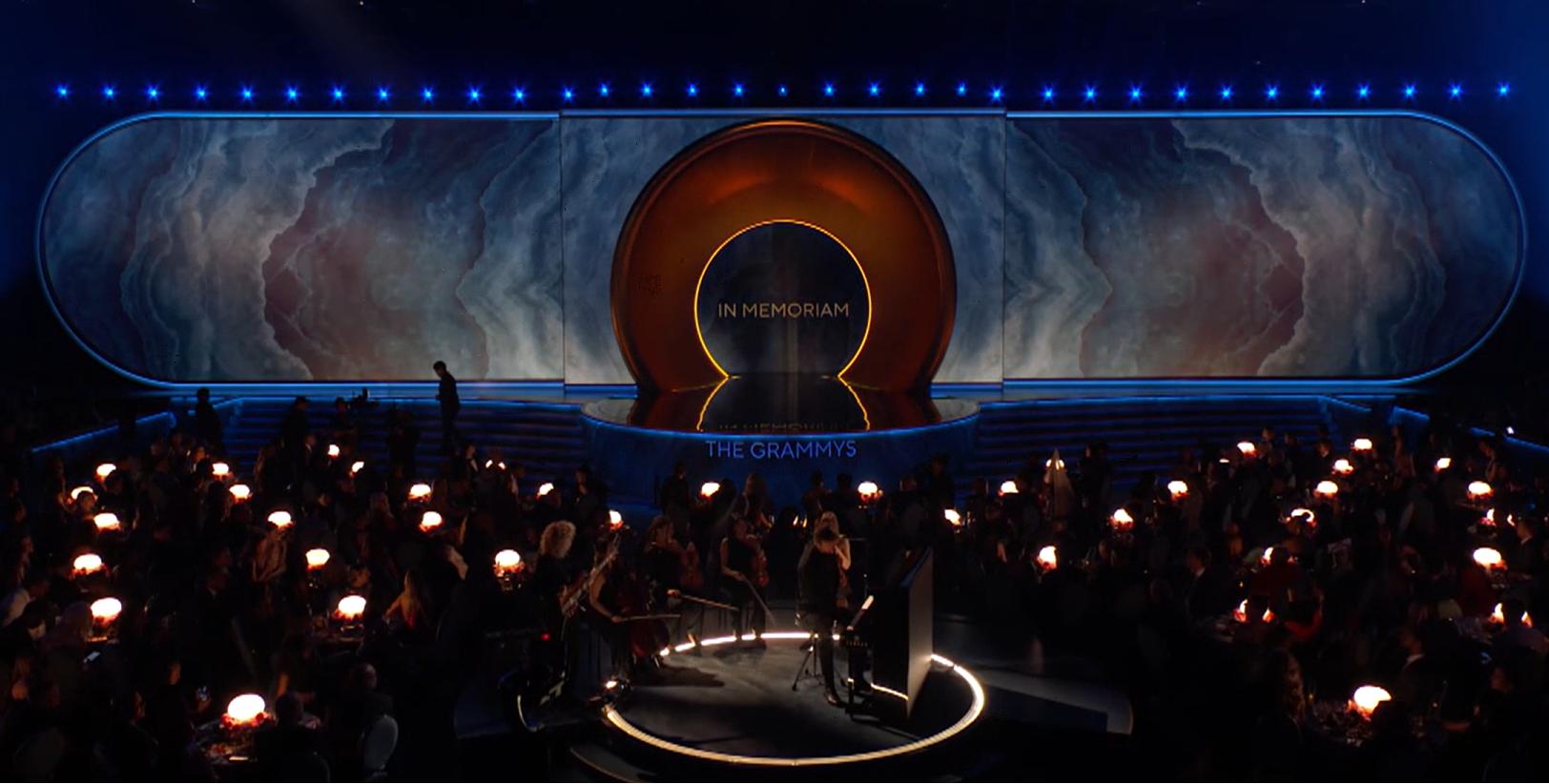
The 2026 Grammys, hosted by Trevor Noah, will broadcast live from Crypto.com Arena in Los Angeles on Sunday, Feb. 1, at 5 p.m. PT/8 p.m. ET on the CBS Television Network and will be available to stream live and on demand on Paramount+^.
Hours ahead of the live telecast, the 2026 Grammy Awards Premiere Ceremony, where the majority of the Grammy Awards of the day are awarded, will stream live from Peacock Theater in Los Angeles on Sunday, Feb. 1, at 12:30 p.m. PT/3:30 p.m. ET on the Recording Academy's YouTube channel and on live.grammy.com.
Learn more about how to watch the 2026 Grammys.
The Grammy Awards are the only peer-recognized accolade in music and are voted on by the Recording Academy's voting membership body of music makers who represent all genres and creative disciplines, including recording artists, songwriters, producers, mixers, and engineers.
Fulwell Entertainment is producing the 2026 Grammy Awards for the Recording Academy. Ben Winston, Raj Kapoor, Jesse Collins, and Trevor Noah are executive producers.
^Paramount+ Premium plan subscribers will have access to stream live via the live feed of their local CBS affiliate on the service, as well as on-demand. Paramount+ Essential subscribers will not have the option to stream live, but will have access to on-demand the day after the episodes airs.
2026 Grammys: Performances, Winners & Highlights
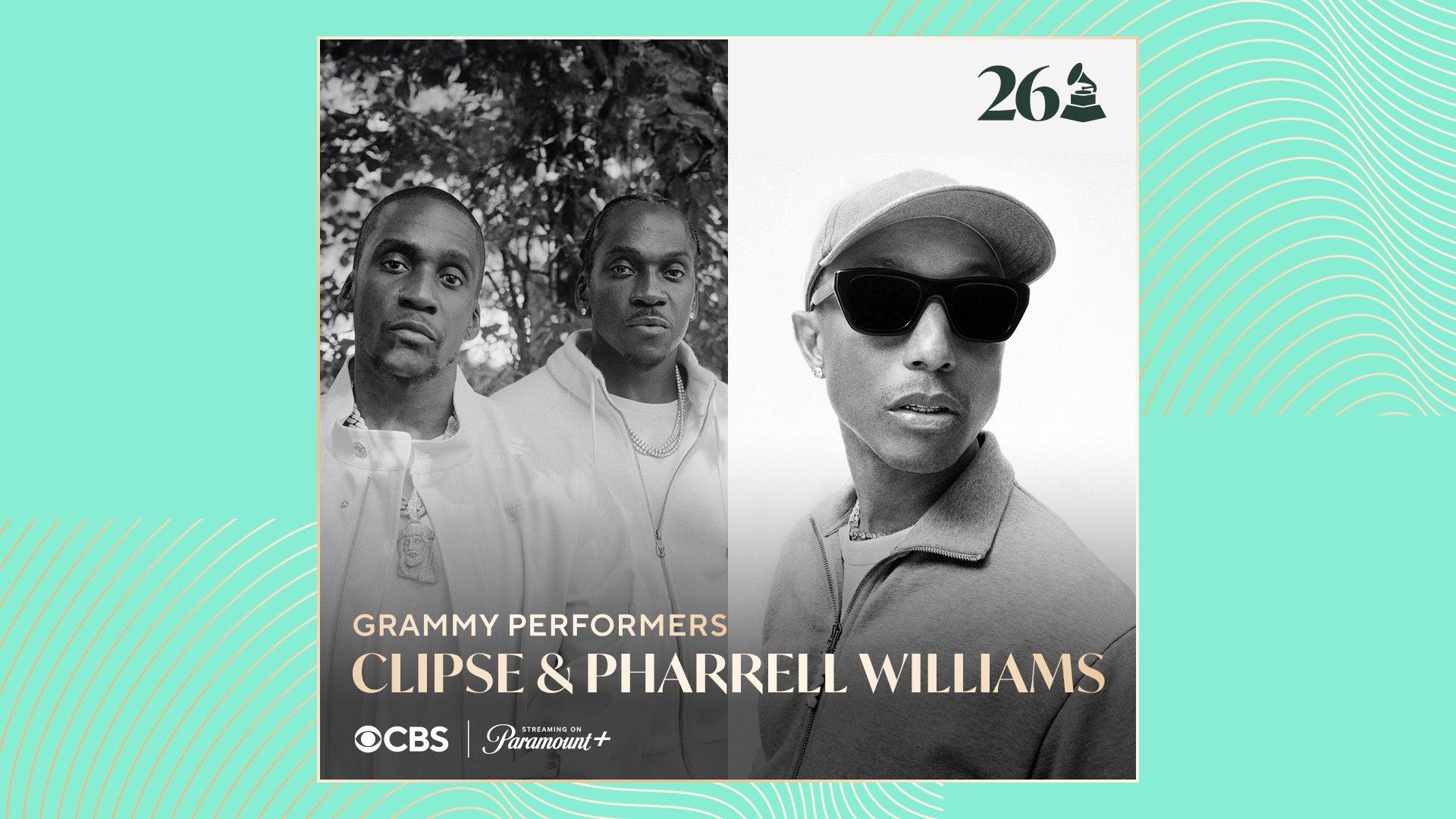
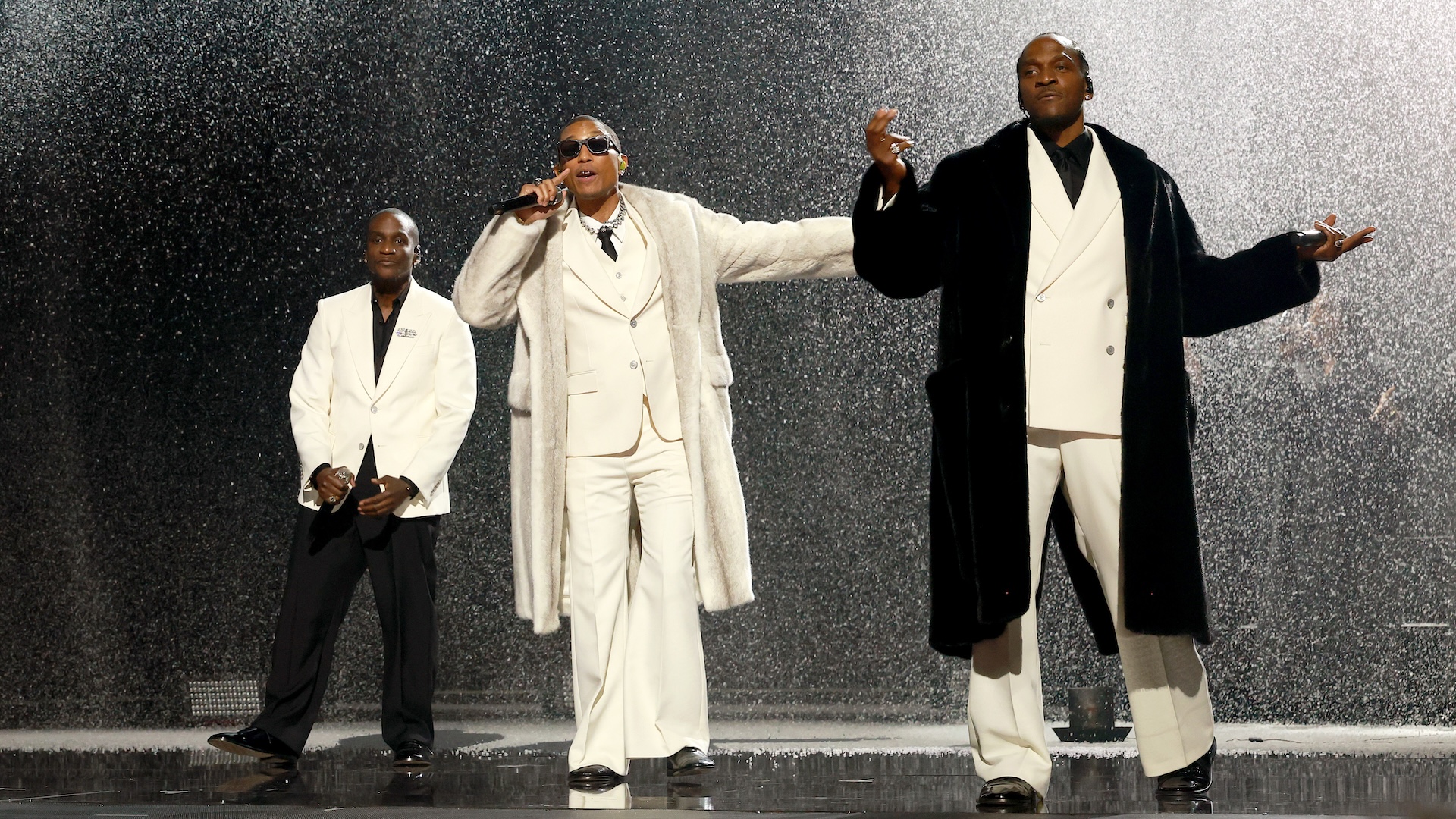
Current Grammy nominees Clipse (L) and Pharrell Williams (R) are performing at the 2026 Grammys on Sunday, Feb. 1.
Photos (L-R): Rahim Fortune and Bolade Banjo
Clipse & Pharrell Williams To Perform At The 2026 Grammys
Rap all-stars Clipse and superproducer/artist Pharrell Williams are both nominated at the 2026 Grammys for their work on the former's 'Let God Sort Em Out.'
GRAMMYs/Jan 22, 2026 - 04:59 pm
See the full list of winners and nominees from the 2026 Grammys.
Watch highlights and exclusive Grammys content from the 2026 Grammys all year long.
Current Grammy nominees Clipse and Pharrell Williams have been announced as performers at the 2026 Grammys.
Clipse are nominated for five Grammy Awards this year: Album Of The Year (Let God Sort Em Out), Best Rap Performance ("Chains & Whips"), Best Rap Song ("The Birds Don't Sing"), Best Rap Album (Let God Sort Em Out), and Best Music Video ("So Be It").
Thirteen-time Grammy winner Pharrell Williams is nominated for four Grammy Awards this year: Album Of The Year (Let God Sort Em Out), Best Rap Performance ("Chains & Whips"), Best Rap Song ("The Birds Don't Sing"), and Best Music Film (Piece By Piece).
Previously announced performers include current Best New Artist nominees Addison Rae, Alex Warren, KATSEYE, Leon Thomas, Lola Young, Olivia Dean, SOMBR, and The Marías, who will all perform in a special Best New Artist segment at the 2026 Grammys. Sabrina Carpenter will also perform at the 2026 Grammys.
Additional performers at the 2026 Grammys will be announced in the coming days.
See the full list of performers and hosts at the 2026 Grammys to date (updating in real time).
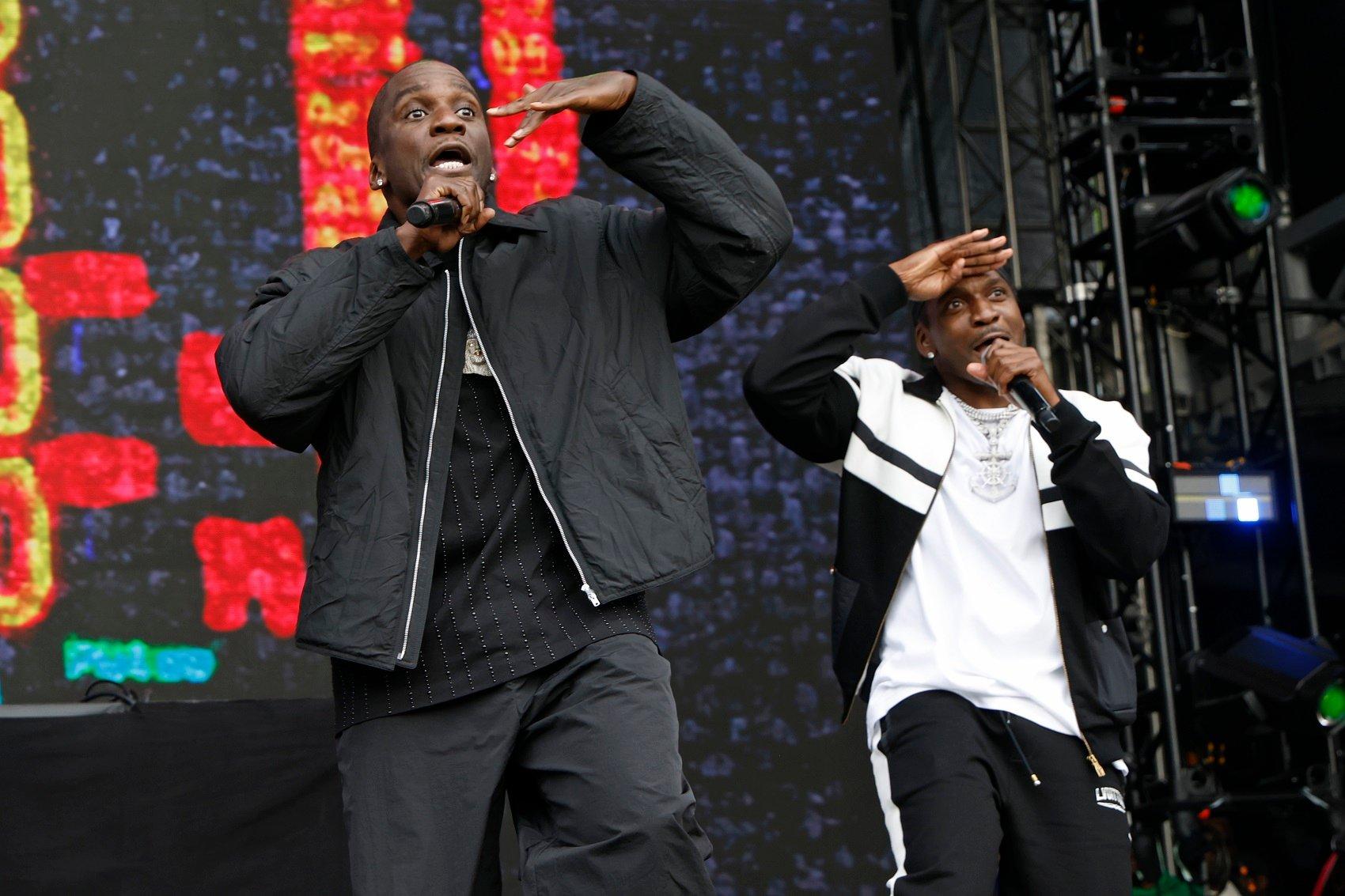
Prior to the 2026 Grammys telecast, the 2026 Grammy Awards Premiere Ceremony will broadcast live from the Peacock Theater in Los Angeles at 12:30 p.m. PT/3:30 p.m. ET and will be streamed live on live.grammy.com and the Recording Academy’s YouTube channel.
Paramount+ Premium plan subscribers will have access to stream live via the live feed of their local CBS affiliate on the service, as well as on-demand. Paramount+ Essential subscribers will not have the option to stream live, but will have access to on-demand the day after the episodes airs.
Fulwell Entertainment is producing the 2026 Grammy Awards for the Recording Academy. Ben Winston, Raj Kapoor, Jesse Collins, and Trevor Noah are executive producers.