Photo: Bob Berg/Getty Images
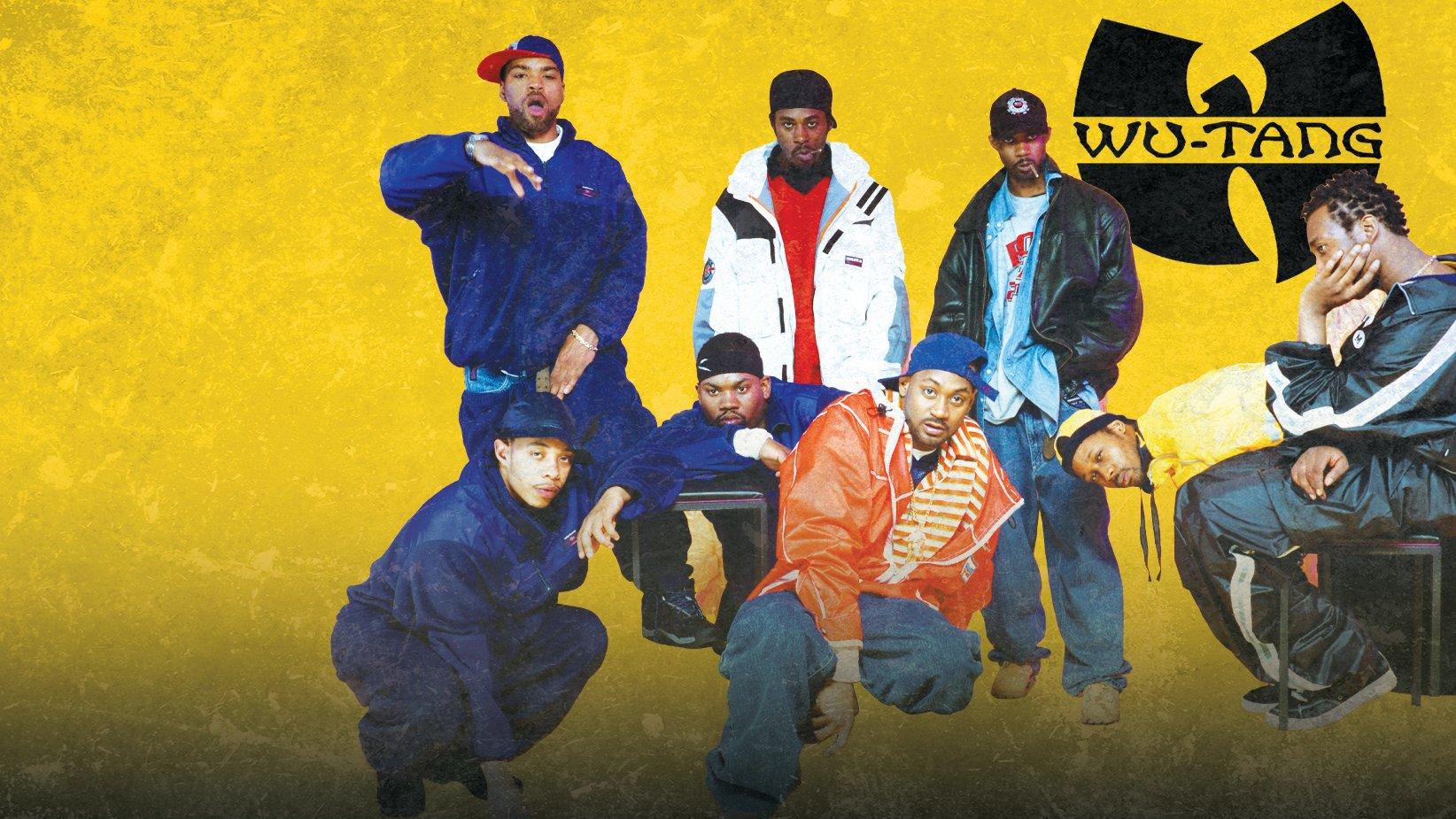
Wu-Tang Clan, from left: U-God, Method Man, Raekwon, GZA, Ghostface Killah, Masta Killa, RZA and Ol' Dirty Bastard in 1997
A Guide To The Universe Of The Wu-Tang Clan: An Era-By-Era Breakdown Of Crucial Releases
In honor of the group's final tour, Wu-Tang Forever: The Final Chamber, GRAMMY.com has highlighted records from the collective, solo acts, and affiliates that showcase the best of Shaolin.
GRAMMYs/Jun 13, 2025 - 03:26 pm
The Wu-Tang Clan are concluding one helluva ride.
The Clan have just begun Wu-Tang Forever: The Final Chamber, their final tour as a collective. The 27-date trek is the largest run of headlining shows the group has ever had, and concludes in Philadelphia on July 18. The tour will feature all eight of the Clan’s original members, along with unofficial tenth member Cappadonna and with Young Dirty Bastard, the son of the deceased member Ol’ Dirty Bastard.
Getting all of the members together is always a task, but RZA told the New York Times that this tour is the culmination of a five-year plan that further solidifies Wu-Tang's legacy. During that time, the Wu-Tang Clan was the subject of a four-part docuseries, a dramatized mini-series, multiple individual biographies of solo members, and held a Las Vegas residency. After years of giving fans tools to further familiarize themselves with the story of the Wu-Tang Clan, now they’ll get one last chance to see them live.
The Wu-Tang Clan is arguably the greatest group in rap history, and a large part of why they deserve such a title is because their success is so infeasible. That nine disparate personalities and skill sets were able to get on the same page even once was already a colossal achievement, much less for three decades and dozens of influential albums. Outside of their Shaolin stomping grounds, each member built respectable solo careers before reassembling, Voltron-style, for subsequent group albums.
Wu-Tang Clan's story is unique not just because of their mythology or roots on Staten Island, away from the beating heart of New York's more popular boroughs. Rather, their collective sound and strategy was far and away from anything resembling that of their peers. Under the leadership of producer/rapper RZA, the crew of Staten Island lyricists released the classic Enter the Wu-Tang (36 Chambers) in 1993, a timeless and highly influential record that showcased each of their unique styles while uniting them under the common threads of pro-Black numerology and martial arts. The group then split up as each member pursued solo deals with various labels — an approach that was completely unprecedented at the time.
And after splitting up to showcase their own talents, they’d reunite for the sprawling double-disc Wu-Tang Forever. They’d release six albums total over the course of 21 years, along with one that the majority of the world will never hear (but more on that later).
The story of the Wu-Tang Clan may seem simple enough when considering their impact in totality, but making sense of their collective discography can be daunting. Between group records, solo projects, and collaborative LPs, the Wu-Tang Clan’s original nine members have released more than five dozen studio albums — and that’s not even including the mixtapes, compilations, or records from the hundreds of "Wu affiliates" who have contributed to the crew’s sprawling ambitions.
In honor of the group's final tour and what may be their ultimate chapter, GRAMMY.com has highlighted the Wu-Tang records that are most worth your time from each era of the storied group.
Wu-Tang Clan Ain't Nothin’ Ta F’ Wit: 1993 - 1996
Essential albums: Wu-Tang Clan - Enter The Wu-Tang (36 Chambers); Raekwon - Only Built 4 Cuban Linx; GZA - Liquid Swords
Classic tracks: Wu-Tang Clan - "C.R.E.A.M. (Cash Rules Everything Around Me)," "Protect Ya Neck"; Raekwon - "Rainy Dayz," "Ice Cream"; Method Man - "Bring The Pain," "I'll Be There for You/You're All I Need to Get By"; Ghostface Killah - "Daytona 500"
The Wu-Tang Clan was the brainchild of Robert "RZA" Diggs, who already had a brief record deal as a solo artist under the moniker Prince Rakeem and had formed a horrorcore group called Gravediggaz. He enlisted cousins Gary "GZA" Grice (who also had a previous record deal under the moniker The Genius) and Russell "Ol Dirty Bastard" Jones, with whom he had a previous trio called All In Together Now.
Now, along with six other rappers – Ghostface Killah (Dennis Coles), Raekwon (Corey Woods), Method Man (Clifford Smith Jr.), U-God (Lamont Hawkins), Masta Killa (Jamal Irief; born Elgin Turner), Inspectah Deck (and Jason Hunter) – the crew was complete. (Cappadonna was an original member, but a prison bid prevented him from participating in early recordings.) After assembling in late 1992 they self-released their first single "Protect Ya Neck," building a buzz that eventually landed them a deal with Loud Records.
Learn more: Nothing To F With: How 'Enter The Wu-Tang' Established One Of The Greatest Rap Groups Of All Time
The album featured grimy productions by RZA, martial arts film samples, pro-black ideologies, and athletic rapping, with each member having his own style. "It was like being in the Superfriends," Raekwon said in the book Check The Technique, by Brian Coleman. "You don’t have the same power as the next nigga, but you’re all amazingly strong."
While rap in the early '90s was generally being run by West Coast titans Dr. Dre and Snoop Dogg, Enter The Wu-Tang (36 Chambers) brought eyes and ears back to New York. The group’s debut album wasn’t just a great collection of talent, it was a powerful display of identity. The Wu-Tang Clan didn't just lead an East Coast rap renaissance; they were practically a religion. Songs like "C.R.E.A.M. (Cash Rules Everything Around Me"), "Can It All Be So Simple" and "Protect Ya Neck" became some of the most beloved songs in hip-hop history, and the Clan became one of the biggest rap groups in the world, changing every member's life forever.
Read more: A Guide To New York Hip-Hop: Unpacking The Sound Of Rap's Birthplace From The Bronx To Staten Island
Importantly, the group’s record deal with Loud gave each member free reign to pursue solo deals as well, the first deal of its kind. That allowed the best divide-and-conquer campaign in rap history, with the crew following its debut with five straight classic solo albums over the next three years. But a pair of floods in RZA’s studio destroyed an estimated 500 beats, forcing him to start from scratch on several members' solo albums.
Method Man, the most prominent member of the Wu-Tang Clan, was the complete package: He had the wit and rawness of legendary MCs, a brawny voice, the physical attractiveness and charm of a sex symbol, and undeniable star power. And his self-titled solo song from Enter The Wu was a fan favorite. While an early version was lost in the flood, Method's debut solo album, Tical, showcased RZA’s kinetic chemistry and Meth’s gravelly flow as the perfect match for "the Abbot’s" sepulchral soundbeds. "Bring The Pain" is classic hip-hop cannon, but perhaps the most everlasting contribution is actually one of its remixes. "All I Need" was already a touching love song in its original form, but the "I'll Be There for You/You're All I Need to Get By" remix featuring Mary J. Blige is hip-hop’s preeminent love ballad.
Ol’ Dirty Bastard was the second member of Wu-Tang Clan to drop a solo album after the group's earth shattering debut. Return To The 36 Chambers: The Dirty Version (1995) further established him as the loose cannon of the crew and rap's most unpredictable personality. His erratic, unmistakable delivery fluctuated between a hoarse croak and a throaty yodel; ODB spewed outrageously vulgar and hilarious lyrics over another batch of fantastic RZA production. Whether he’s making you laugh, cringe, or cheer, ODB would always make you feel something — and that’s what made him so unforgettable.
After ODB dropped in March '95, Raekwon took over later that summer with Only Built 4 Cuban Linx. You’ll be hard-pressed to find a list of the greatest rap albums that doesn’t have OB4CL ranked in the top ten. It doesn’t only have an argument as the best solo album from this Wu-Tang Clan era, but it set a benchmark for Mafioso rap. Raekwon's debut weaved tales of Black organized crime with linguistic, cinematic flair.
"Co-starring" Ghostface Killah appears on 12 of the album’s 17 tracks, even posing behind him on the album cover. Songs like "Rainy Dayz" and "Can It All Be So Simple (Remix)" showcased Ghostface and Raekwon as a dynamic duo within the Clan — a partnership that would become one of rap’s most prolific and creative over the years. The album also featured a young Nas on "Verbal Intercourse," making it the first rap appearance by a non-Wu member on a Wu album. Add to The Chef's menu of Mafia references, new slang, and ominous RZA production, and Only Built 4 Cuban Linx set the table for generations of coke rappers to follow.
In a group full of flamboyant, boastful personalities, the rapper born Gary Grice is cold, stoic, and methodical. Before co-founding the Wu-Tang Clan, GZA went by the rap name The Genius — a fitting name due to his enthusiasm for brainiac fields like quantum physics and chess. He changed his name to GZA upon joining the Wu, and Liquid Swords is neck and neck with Only Built 4 Cuban Linx as the best solo album to come from the Clan.
GZA shows off his hyper intelligence through his rhymes, spitting dense, layered metaphors with an unflappable demeanor over sparse, inventive RZA soundbeds. "Labels" uses a variety of record label names in clever wordplay to critique the music industry, while "Gold" metaphorically weaves ruthless street pursuits with chess references to the story’s characters.
The Wu-Tang Clan’s flawless opening season ended in 1996 with Ghostface Killah’s Ironman. Continuing the collaborative spirit of Only Built 4 Cuban Linx, the album featured Raekwon and Cappadonna as co-stars. Only four of the songs feature Ghostface by himself; some of them don’t feature him at all, as he was battling a diabetes diagnosis and depression over a close friend being arrested for murder (he served 23 years in prison before being paroled and eventually exonerated). But the album is still a classic: RZA crafted a set of beats inspired by the vibes of Blaxploitation films and Ghostface adds extra personality and dimension to the street novelas of Cuban Linx. "Wildflower" scornfully curses a promiscuous partner, "Daytona 500" is sees Ghost trading verses with his two co-stars, and the timeless "All That I Got Is You" finds Ghost recounting his rough childhood — living in poverty as one of 15 people packed in a three-bedroom apartment — in vivid, diaristic detail alongside a Mary J. Blige chorus.
Rainy Dayz: 1997 - 2001
Essential albums: Wu-Tang Clan - Wu-Tang Forever; Ghostface Killah - Supreme Clientele; Inspectah Deck - Uncontrolled Substance
Classic Tracks: Wu-Tang Clan - "Triumph," "It’z Yourz"; Ghostface Killah - "One," "Apollo Kids," "MIghty Healthy"; Inspectah Deck - "Elevation"; Method Man & Redman - "Da Rockwilder"
After an industry-shattering debut and a string of successful solo records, the late '90s saw the Clan expanding. They started a clothing line called Wu-Wear and a retail store, released a video game called "Shaolin Style," shot one of rap’s earliest million-dollar music videos, and Method Man began to dip his toes into Hollywood.
The Wu-Tang Clan launched its sonic second wave with the group’s 1997 sophomore album, Wu-Tang Forever. The sprawling double-disc album embodied that same spirit of growth; affiliates like True Master and 4th Disciple shared in beat-making duties, while RZA further developed his sound by using fewer samples than before.
The album had all-time great songs like "Triumph," "It’s Yourz," and "impossible," but its bloated nature has made it one of the group’s most divisive efforts. While the album went platinum and has since been sampled by Drake and J. Cole, the release came during a tumultuous year for the Clan. A dispute with Hot 97 led to their music being banned from the station, and internal issues led to the group dropping out of a tour with Rage Against The Machine.
While sophomore efforts by Method Man, Raekwon, and GZA lacked the same spark as their debuts, other members finally got their first shots at solo albums. RZA released an experimental, keyboard-driven concept album called Bobby Digital In Stereo in 1998, and U-God dropped Golden Arms Redemption in 1999. But the best solo debut from that pack of releases came from Inspectah Deck.
Deck was one of the worst hurt after the floods in RZA’s basement, but he became known as one of rap’s best after his iconic verse on "Triumph" and a string of memorable feature verses for artists outside the Clan. His 1999 debut album Uncontrolled Substance continued that flow state, with underrated affiliates of the Wu handling production duties (4th Disciple, True Master, Mathematics) and guest appearances (La The Darkman, Street Life, Masta Killa, U-God). Deck also proved himself as a double threat on the mic and the boards, making his own beats while still dropping incisive rhymes. "Word on the Street" finds him on the run from cops after a co-conspirator rats him out; "Lovin You" begins with a verse that illustrates falling for a baddie on the train, then ends with appreciation for a platonic, sibling-styled friendship with a different woman; "Show n Prove" gets spiritual with its Five Percenter principles about finding the god within.
Despite a few contributions by RZA and True Master, Ol Dirty Bastard’s second album often feels like it’s completely separate from the rest of the Wu-Tang Clan. ODB is at his lighthearted, nonsensical, profane, and problematic best on Nigga Please, with beats that are just as eccentric and whimsical as his personality. On "Got Your Money," ODB plays a pimp charmingly demanding money from women with a irresistible Neptunes beat and catchy Kelis hook; "Good Morning Heartache" is a duet with Lil Mo that wouldn’t sound out of place at a jazz club; and, well, song titles like "I Want Pussy" and "Gettin’ High" are self-explanatory.
Method Man’s solo discography after Tical is uneven, especially relative to his rising star power. But his chemistry with RZA is only rivaled by his synergy with Redman, and that explosiveness was felt on their 1999 joint LP Blackout!. While RZA and Mathematics make a few contributions, most of the beats are handled by Redman’s Def Squad brethren Erick Sermon, making for an album that’s more funky and buoyant than dark and gloomy. It’s the perfect vibe for Meth and Red to trade playful, energetic and exuberant rhymes — more gutter in sensibility than in tone.
The top effort from the Wu-Tang Clan during its second wave is Ghostface Killah's Supreme Clientele (2000). Ghostface is at his absolute greatest, despite dealing with debilitating health issues. He wrote most of his second album in Africa — where we went to pursue alternatives to Western medicine — and the outcome was a masterpiece. Merging the Wu’s shadowy sound with Ghost’s soul and R&B inclinations, Supreme Clientele featured surreal, stream of consciousness rhymes that defied gravity. Its god-level slang and random association stylings can be indecipherable to the uninitiated (and, admittedly, even to Ghost himself at times), but it’s as adventurous an album as hip-hop has to offer.
Can It All Be So Simple: 2000 - 2007
Essential albums: Wu-Tang Clan - The W; Ghostface Killah - Fishscale; GZA & DJ Muggs - Grandmasters
Classic Tracks: Wu-Tang Clan -"Careful (Click Click)," "I Can’t Go To Sleep," "Uzi (Pinky Ring)"; GZA - "Fame," "General Principles"; Ghostface Killah - "Shakey Dog," "Run;" Masta Killa - "School"; Method Man & Redman - "Da Rockwilder"
After earning multiple platinum and gold plaques from both solo and group albums,the Wu-Tang Clan entered their next chapter by releasing two LPs in as many years. The W (2000) scaled back from the unwieldiness of Wu-Tang Forever with a tight 13 songs (the same track length as 36 Chambers). This length serves the album well, and each track makes the most of its time.
"Careful (Click Click)" is as eerie and echoey as any of RZA’s best beats, while "Gravel Pit" finds the members having fun over a lighthearted '60s groove. The heart-tugging "I Can’t Go To Sleep" showcases Ghostface Killah and RZA tearfully breaking down over relentless surroundings of drugs and violence over a masterful sample of "Walk On By" by Issac Hayes — who closes the song with a powerful vocal of his own. The W was the first time the Clan welcomed multiple outside MCs on one of its group album: Redman gets busy on "Redbull," Nas delivers passionate fight-the-system rhymes alongside Raekwon and Deck on "Let My Niggas Live," and Busta Rhymes shows out on "The Monument."
But the year 2000 marked the beginning of the group’s eventual separation. Each of the members were granted requests to be released from their Wu-Tang contracts, left to their solo pursuits. Dealing with multiple legal issues,Ol’ Dirty Bastard only had one verse on The W — his last living appearance on a Wu-Tang album before he died of a drug overdose in November 2004, collapsing at RZA’s studio. ODB was missing from the group’s following album Iron Flag (2001), as was longtime honorary member Cappadonna after falling out with RZA over financial issues and dissatisfaction with his role in the group. U-God even appears to rap about wanting to leave the group on "One of These Days": "Every time I want out, they pull me back in," he claims, using the beloved quote from The Godfather III.
While Iron Flag received positive reviews, and songs like "Uzi (Pinky Ring)" still knock, it often gets lost in the annals of the group’s expansive history. The next few years didn’t have many standout solo releases to uphold the group’s stature, either.
Released in 2002, GZA’s third album, The Legend of the Liquid Sword is one of the solo highlights from this era of the Wu-Tang Clan. Even though RZA only contributed one beat to this one (along with one song by loyal Wu-Tang affiliate Mathematics), GZA still clearly knew what he was doing on the production side, enlisting craftsmen like Jay "Waxx" Garfield, Bink!, and Arabian Knight for beats that still encompass the Wu-Tang essence (even if they’re occasionally more lush). Lyrically, he’s as precise as always: "Auto Bio" recounts his early days at hip-hop parties in the Bronx, "Animal Planet" uses detailed metaphors to compare human behavior to animals, and "Did Ya Say That" continues his scorn against frustrating music industry practices.
Masta Killa was the final Wu-Tang member to release his solo debut, with No Said Date dropping in June 2004. Its title was fitting: several of the tracks dated back as far as 1997. But after being incarcerated for much of the creation of 36 Chambers and finally finding his groove on Wu-Tang Forever, he made the most of his time on his first album. No Said Date had all of the Clan’s staples — snippets from kung fu flicks, the Wu’s signature dark sound — and Killa delivers composed, thoughtful lyrics.
GZA also turned in one of the crew’s better projects in 2005 with Grandmasters, a collaborative album with producer DJ Muggs of Cypress Hill fame. Along with kung-fu flicks and Five Percenter ideology, one of the foundational motifs of the Wu-Tang Clan is chess — and GZA is one of the group’s most dedicated players, often referencing the game’s principles and strategies in his lyrics. Grandmasters is based upon elaborate, extended metaphors: He titled songs after chess moves and situations, using them as illustrations for story ideas and life principles. Not all producers can execute a dark, cavernous mood as well as RZA can, but DJ Muggs is one of those select few — and combining that with cameos by Wu members like Raekwon and Masta Killa made Grandmasters a worthy addition to the Wu canon.
When Ghostface Killah released Fishscale in 2006, it helped revive the Wu-Tang’s period of relative critical dormancy. He had already had a prolific two years before that, releasing a pair of collaborative albums with his crew Theodore Unit and protege Trife Da God in 2004 and 2005, respectively. So when it came to his fifth LP, he was already in game shape. Ghost’s street soliloquies were as vivid as always, and he was arguably at his most versatile ever. "Shakey Dog" narrates a robbery with the frenetic urgency of a Safdie flick, the Ne-Yo-assisted "Back Like That" laments a messy breakup, "The Champ" is a set of triumphant shit-talking, and "Whip You With A Strap" recalls childhood memories of corporal punishment from his mom. Ghostface didn’t employ production by RZA or other Wu-Tang affiliates, but he still got heat from a who’s who of legends like MF DOOM, J Dilla, Pete Rock, and Just Blaze, delivering a variety of beats appropriately soulful, haunting, and vibrant.
Wu-Tang Clan’s fifth studio album, 8 Diagrams (2007), was its largest creative diversion to date. It was their first album away from longtime label home Loud Records (though their new label, SRC, was created by Loud founder Steve Rifkind), and RZA took an orchestral, experimental diversion from the group’s gritty ethos. Critics were split on the final product, and so was the Wu itself: Raekwon and Ghostface both gave interviews that protested the new direction that the group had taken. The release date of Ghostface's Big Doe Rehab, which initially coincided with that of 8 Diagrams, led to further turmoil.
The group would go through various stages of creative and financial turmoil over subsequent years. They wouldn’t reunite again until the mid-2010s.
Preservation: 2009 - Present
Essential albums: Raekwon -Only Built 4 Cuban Linx Pt. II; Ghostface Killah & Adrian Younge - Twelve Reasons To Die; Raekwon - Shaolin Vs. Wu-Tang; Method Man, Ghostface Killah, and Raekwon - Wu-Massacre
Classic Tracks: Raekwon - "House of Flying Daggers," "Surgical Gloves"; Wu-Tang Clan - "Crushed Egos"; Czarface & Ghostface Killah - "Powers and Stuff," "Listen To The Color"
After 8 Diagrams, most of the Wu-Tang Clan began to create separately. Most of those releases failed to make a major impact.
Raekwon brought the W back to life in 2009 when he announced plans to make a sequel to his debut Only Built 4 Cuban Linx. The announcement both excited and worried fans, the latter of whom assumed that there was no way that a sequel could ever measure up to the original. But The Chef pulled out all the stops for 2009's Only Built 4 Cuban Linx Pt. II, and the results were virtually perfect. Raekwon assembled an all-star cast of producers with RZA, J Dilla, Pete Rock, The Alchemist, and Dr. Dre (whose Aftermath Records Rae had briefly signed to), but the cavernous Wu-Tang aesthetic is maintained throughout. Rae’s darts were still sharp, and everyone who showed up alongside him recognized the importance of the moment — whether it’s his fellow Wu-Tang members on songs like the stunning "House of Flying Daggers" or other rap greats like Jadakiss, Styles P, and Slick Rick.
Since then, members have had varying amounts of releases. Inspectah Deck joined rap duo 7L & Esoteric to form the supergroup Czarface, and they’ve since released more than a dozen albums since 2013, including collaborative albums with MF DOOM, Ghostface Killah, and Kool Keith. Raekwon has released multiple solo albums, including 2017 highlight The Wild. Ghostface Killah virtually never slowed down, releasing multiple albums, including collaborative albums with producer Adrian Younge, rapper Sheek Louch of The LOX, and more. Method Man and RZA have both immersed themselves into Hollywood, Meth as a consistent actor and RZA as actor, director, and composer.
The Wu-Tang Clan’s last studio release was A Better Tomorrow (2014), an album that was generally panned by critics. It’s often overshadowed by a different record altogether — an album that very few people have heard in its entirety.
Once Upon A Time In Shaolin is shrouded in lore: Wu affiliate Clivaringz conceptualized and produced the bulk of the record, assembling the group sporadically for sessions in Staten Island and Marrakech, Morocco before pressing a singular copy of the album and auctioning it off for $2 million in 2015. The album was banned from being commercially exploited until the year 2103. The album’s buyer, pharmaceutical executive Martin Shkreli (who infamously raised the price of the anti-infective drug Daraprim from $13.50 per pill to $750 per pill), was convicted of fraud in 2017, leaving the album to be auctioned again by the U.S. Dept. of Justice.
The album was purchased by PleasrDAO, a group that publishes non-fungible tokens, in 2021. In 2024, NFT publisher PleasrDAO hosted exhibitions where they played a megamix of select songs from the album; they also began selling partial ownership of the album, with buyers receiving a five-minute sampler. Cilvaringz insisted that he ran the idea by each of the members before getting them to record their verses, but the members have vocally expressed their disdain for how the album was brought together.
Read more: Inside An American Hip-Hop Saga: The Wu-Tang Clan Story Enters A New Chapter
Since then, the Wu-Tang Clan hasn’t released any formal studio albums and members have made sporadic independent records. But the group has done lots to uphold its legacy otherwise: they released a four-episode docuseries with late journalist/filmmaker Sacha Jenkins called Wu-Tang Clan: Of Mics And Men in 2019, and FX aired three seasons of a fictionalized drama series called "Wu-Tang: An American Saga" between 2019 and 2023. Their upcoming tour, "The Final Chamber," is fittingly named — at least for everyone who doesn’t make it to the 88-year Once Upon A Time In Shaolin deadline of 2103.
Honorable Mentions
The Wu-Tang Clan has over 100 albums among its official members, and even more when considering side projects from the slate of Wu-Tang affiliates who still rep the W. That means there are plenty of other projects that are dope in their own right, even if they aren't essential pages in the Wu’s story. Look below for additional heat to catch up on if you haven't already.
Cappadonna - The Pillage; Masta Killa - Made In Brooklyn; Ghostface Killah - Bulletproof Wallets; Method Man - 4:21: The Day After; Method Man & Redman - Blackout! 2; Method Man, Ghostface Killah and Raekwon - Wu-Massacre; RZA - Afro Samurai: Resurrection; Raekwon - Shaolin Vs. Wu-Tang; Ghostface Killah & Adrian Younge - 12 Reasons To Die; Raekwon -The Wild; Czarface & Ghostface Killah - Czarface Meets Ghostface; Wu-Tang Clan & Mathematics - Black Samson, the Bastard Swordsman
Celebrating Black Music Month
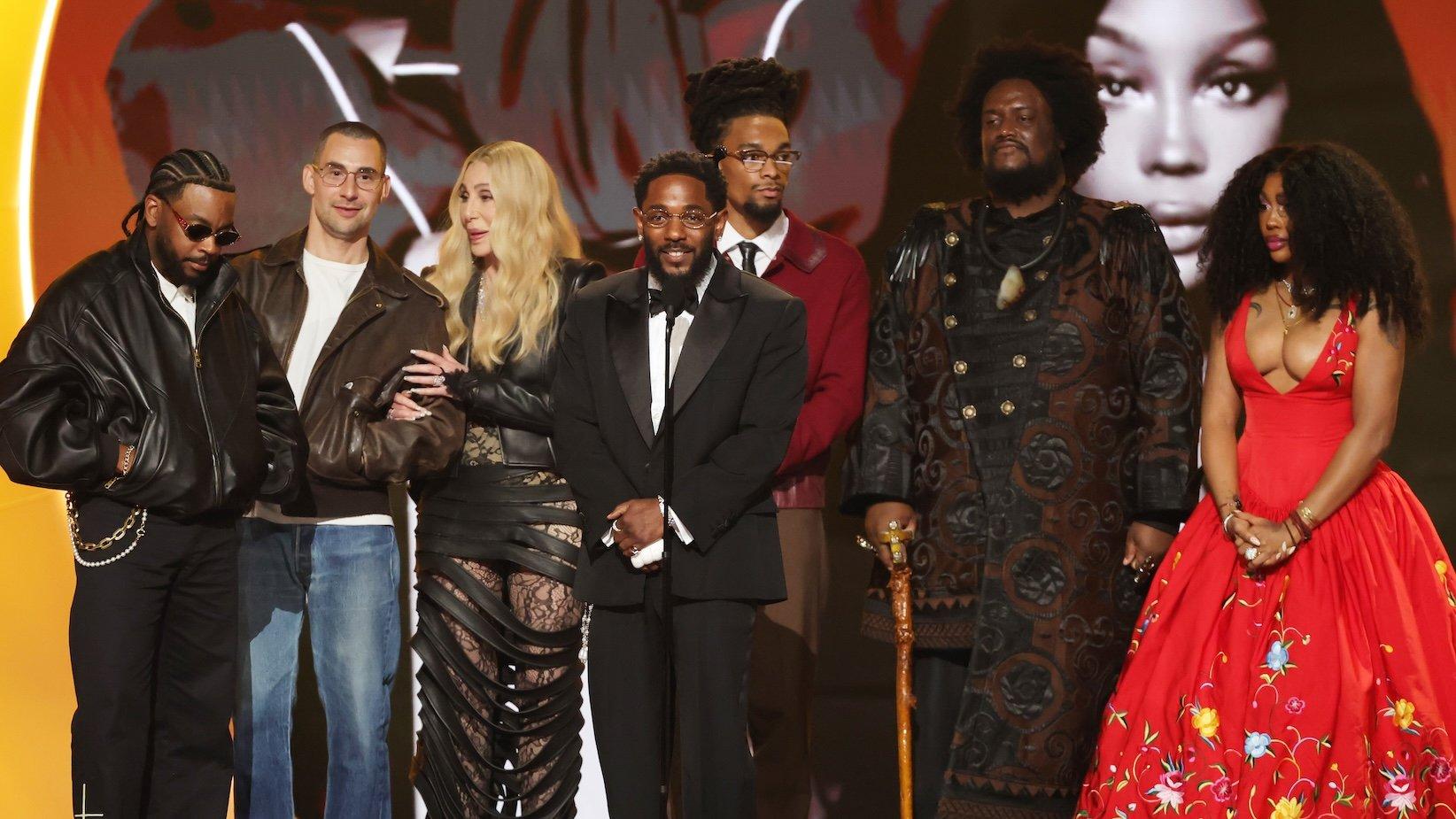
Kendrick Lamar and SZA win the Grammy for Record Of The Year at the 2026 Grammys on Sunday, Feb. 1, at Crypto.com Arena in Los Angeles, California. (L-R) Sounwave, Jack Antonoff, Cher, Kendrick Lamar, Scott Bridgeway, Kamasi Washington, and SZA.
Photo: Kevin Winter/Getty Images for The Recording Academy
9 Powerful Acceptance Speeches From The 2026 Grammys: Bad Bunny, Kendrick Lamar, Lady Gaga & More
From pro-immigrant statements to vocal support for women in music, these moving acceptance speeches from the 2026 Grammys reflected the moments defining music and culture today.
GRAMMYs/Mar 1, 2026 - 01:49 am
See the full list of winners and nominees from the 2026 Grammys.
Watch highlights and exclusive Grammys content from the 2026 Grammys all year long.
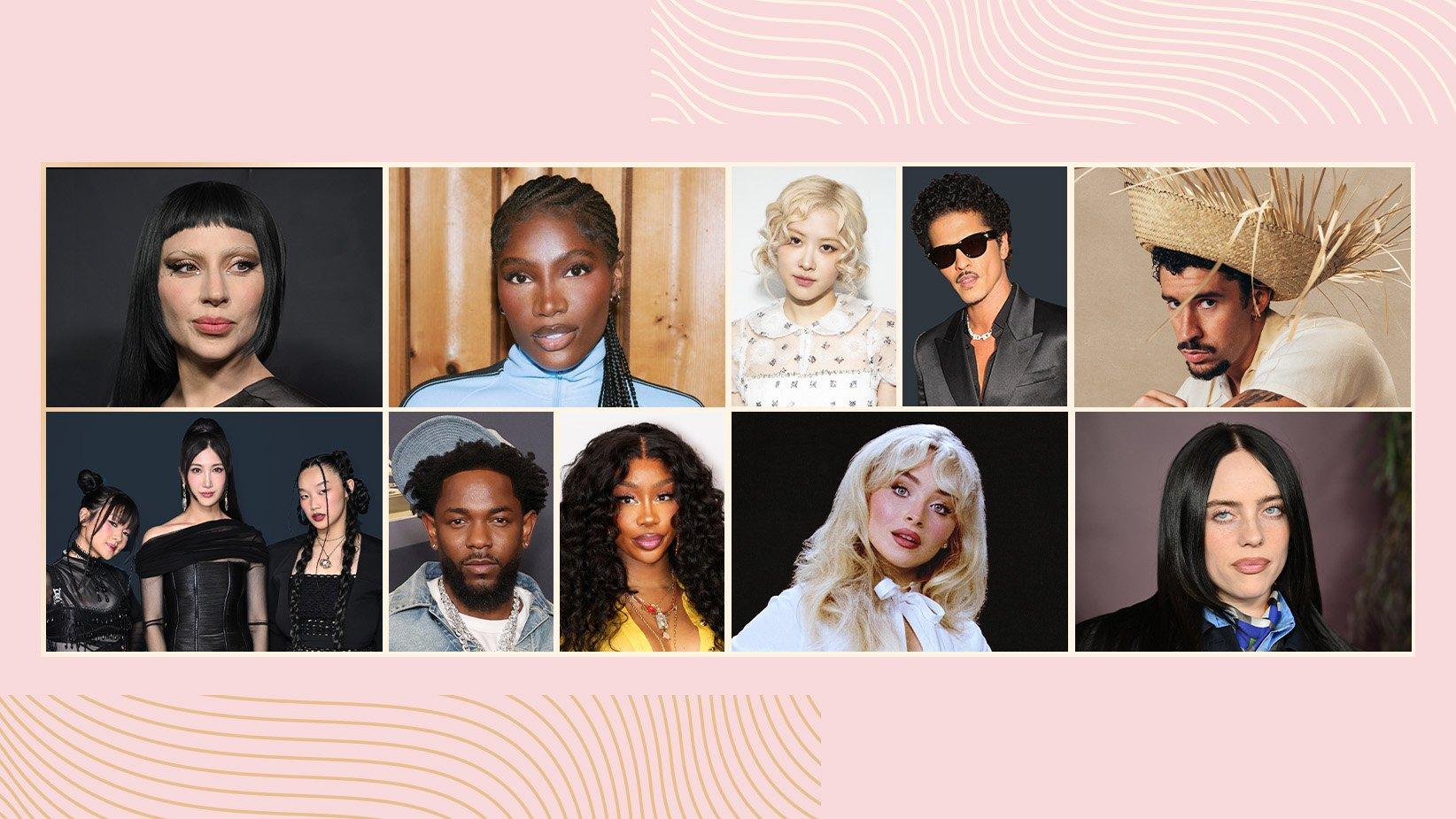
At the 2026 Grammys, winning artists took to the stage with much more than gratitude on their minds. Grammy winners such as Lady Gaga and Recording Academy Lifetime Achievement Award honoree Cher supported rising artists, particularly women in the music industry. Kendrick Lamar deflected from his own victories to pay tribute to Luther Vandross, namesake of his Record-Of-The-Year-winning tune, and the hip-hop community at large.
In particular, many artists reacted to the ongoing campaign of deportations and anti-immigrant violence happening across the U.S. Bad Bunny, Billie Eilish and Olivia Dean all spoke movingly in support of immigrants, while many other artists wore "ICE OUT" pins.
Below, revisit some of the most moving acceptance speeches from the 2026 Grammys.

Kendrick Lamar Makes Rap History & Shouts Out The Hip-Hop Community
After dominating the 2025 Grammys with "Not Like Us," Kendrick Lamar took home five Grammys this year and became the rapper with the most Grammy wins ever. After winning three Grammys earlier in the day during the 2026 Grammy Awards Premiere Ceremony, the Los Angeles artist won the first Grammy Award of the telecast for Best Rap Album for GNX. With this Grammy win, he topped JAY-Z's 25 wins to snatch the record for most Grammys won by a rapper.
"Every time I tell you this: Hip-hop is gonna always be right here," Lamar said in his Grammy acceptance speech, dedicating his win to the hip-hop movement. "We gonna be in these suits, we gonna be looking good, we gonna be having our folks with us, we're gonna be having the culture with us."
Kendrick also shouted out Clipse, with whom he won Best Rap Performance earlier in the day for their track "Chains & Whips." He would return to the stage once more before the end of the night to take home the Grammy for Record of the Year for his song "luther" with SZA, bringing his career total to 27 Grammy wins.

Bad Bunny Stands Up For Immigrants
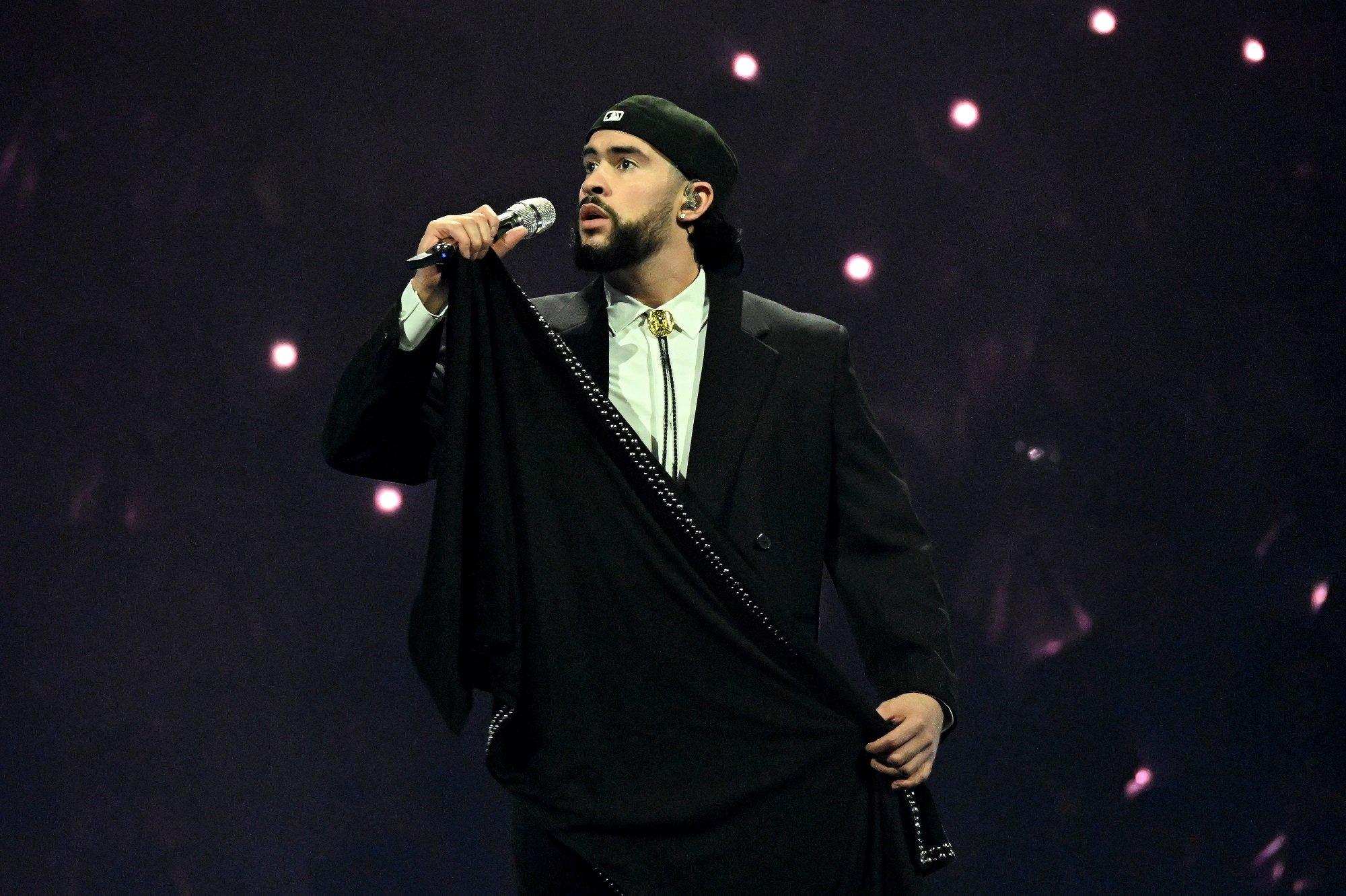
Of the many statements made in support of immigrants at the 2026 Grammys, few felt more powerful and resonant than Bad Bunny's, who twice spoke on the issue on the Grammy stage. Accepting the Grammy for Best Música Urbana Album for DeBÍ TiRAR MáS FOToS, the Puerto Rican superstar front-loaded his acceptance speech with a rebuke of the dehumanizing rhetoric faced by immigrants, especially Latin Americans such as himself.
"Before I say thanks to God, I'm gonna say: ICE out," he declared. "We're not savage, we're not animals, we're not aliens. We are humans and we are Americans."
Loading...
Later that night, after winning the Grammy for Album of the Year, a visibly shocked and overwhelmed Bad Bunny returned to the stage to deliver another Grammy acceptance speech, though this time mostly in Spanish. It was an appropriate move considering the history-making album is the first non-English-language album to ever win the Grammy for Album Of The Year. But given his stunned reaction, Bad Bunny may have just been too emotional to so quickly translate most of his thoughts. But in a fitting move, he dedicated his Grammy win to "all the people who had to leave their homeland, their country, to follow their dreams."
Olivia Dean Tearfully Takes Best New Artist
Loading...
"I never imagined I'd be up here, let alone nominated," Olivia Dean said as she tearfully accepted the Grammy for Best New Artist. Having just performed her U.K. chart-topping single "Man I Need" on the Grammy stage, the British singer used her platform to speak out in support of immigrants, including her own grandmother, who immigrated to the U.K. from Guyana as part of the Windrush generation.
"I'm up here as a granddaughter of an immigrant," Dean said. "I'm a product of bravery, and I think those people deserve to be celebrated."
Lady Gaga Supports Women In Music
As well-known as she is for awards-show spectacles – Remember the meat dress? – Lady Gaga kept things (mostly) low-key and earnest. Following a dynamic performance of "Abracadabra," she returned to the stage to accept the Grammy for Best Pop Vocal Album for MAYHEM.
Thanking her fiancé, Michael Polansky, and her collaborators, including Cirkut, who won the Grammy for Producer Of The Year, Non-Classical winner, and Gessaffelstein, the latter of whom won the Grammy for Best Remixed Recording for his remix of "Abracadabra," Lady Gaga offered some encouraging words for women in the music industry.
"When you're in the studio with a bunch of guys, it can be hard," she said. "Always listen to yourself and always fight for your ideas, fight for your songs, fight for yourself as a producer."
"Abracadabra" also won the Grammy for Best Dance Pop Recording, bringing her total career Grammy wins to 16.
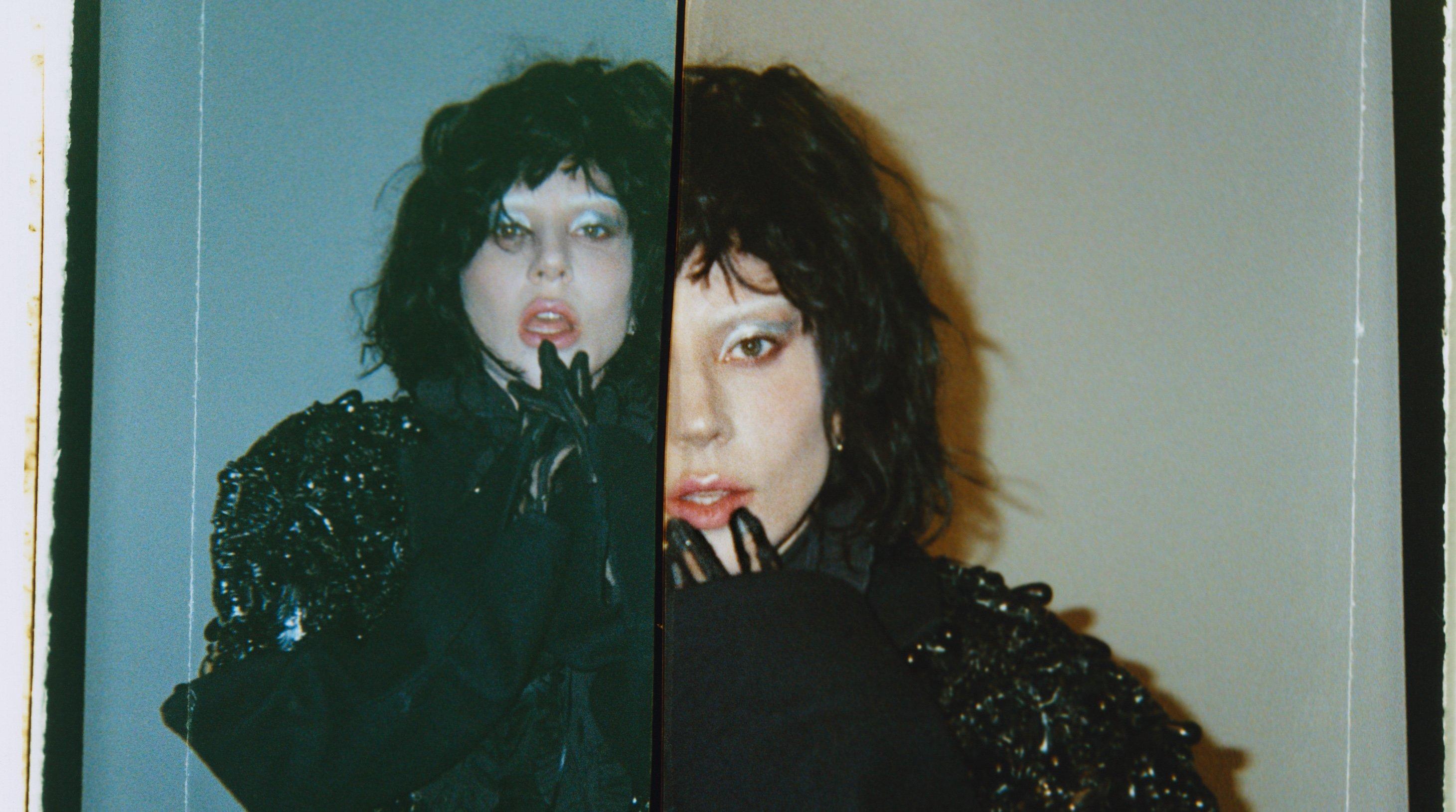
Lola Young Swears She Didn't Expect Grammy Win
Though Lola Young certainly had stiff competition in the Best Pop Solo Performance Category, including veterans such as Justin Bieber and Lady Gaga, nobody was more shocked at her Grammy win in than Young herself. The singer, also nominated for Best New Artist, had just wrapped an emotional piano rendition of her track "Messy" earlier in the evening, one of her first live performances in four months following a health scare.
"I don't have any speech prepared," a visibly shocked Young said. "I don't know what to say. Thank you so much!" Utterly overwhelmed and searching for words, Young dropped a few less-than-TV-appropriate words before thanking her friends and mother and fleeing the stage while in a state of pure ecstasy.
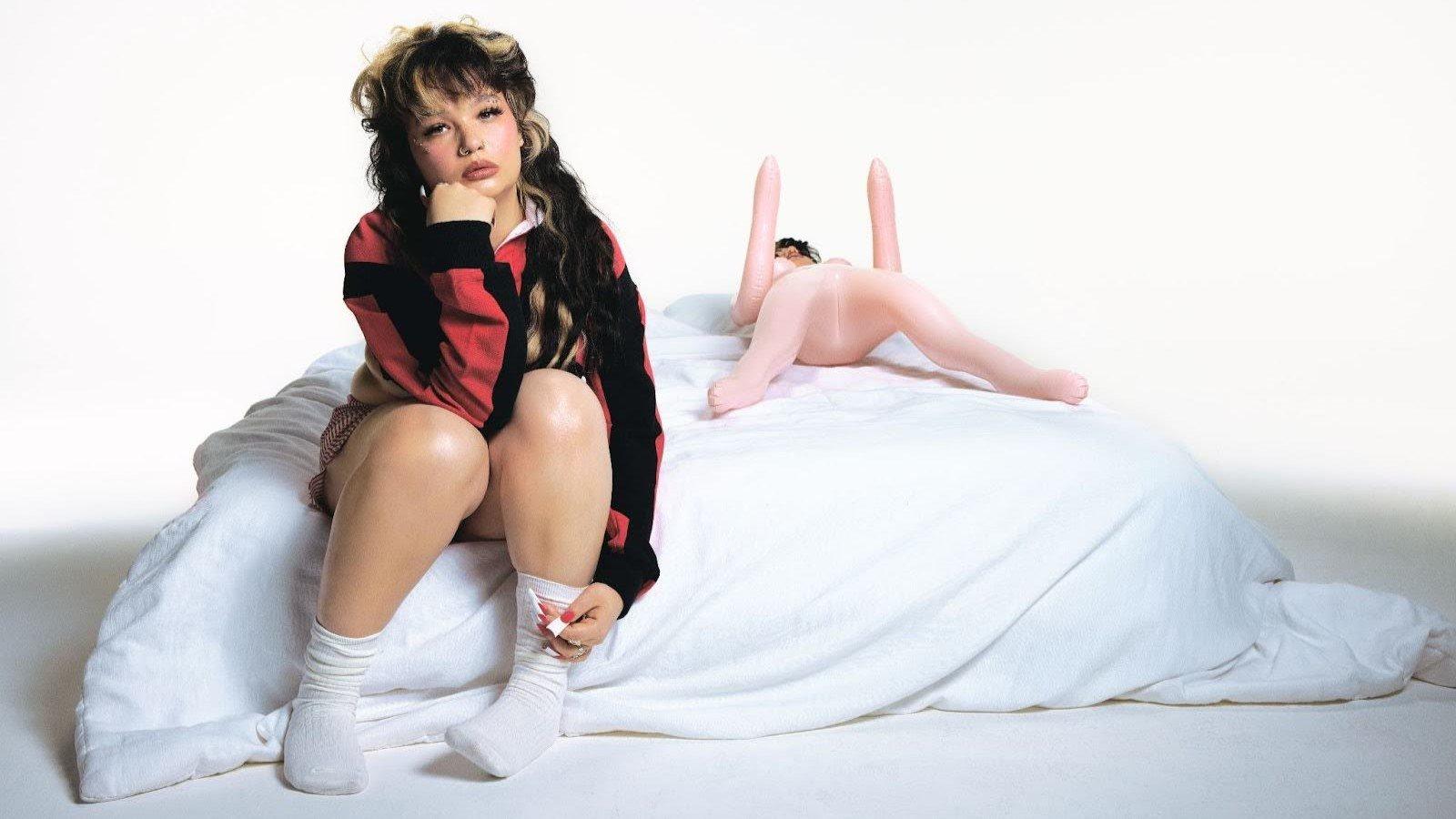
Billie Eilish Gets Serious During Song Of The Year Speech
Loading...
Winning the Grammy for Song of the Year for "WILDFLOWER," her 10th Grammy, didn't seem to weigh heavily on Billie Eilish's mind as she took the stage to accept the award. Flanked by her brother and creative partner FINNEAS, both wearing "ICE OUT" pins, as were many of the other attendees, the pop star weighed in on the current anti-immigration policies being carried out in the U.S.
"No one is illegal on stolen land," Eilish said. "It's just really hard to know what to say and what to do right now … I feel really hopeful in this room, and I feel like we just need to keep fighting and speaking up and protesting, and our voices really do matter, and the people matter."
The more serious tone of the speech contrasted with Eilish's previous wins, but it felt more than appropriate given the current climate.
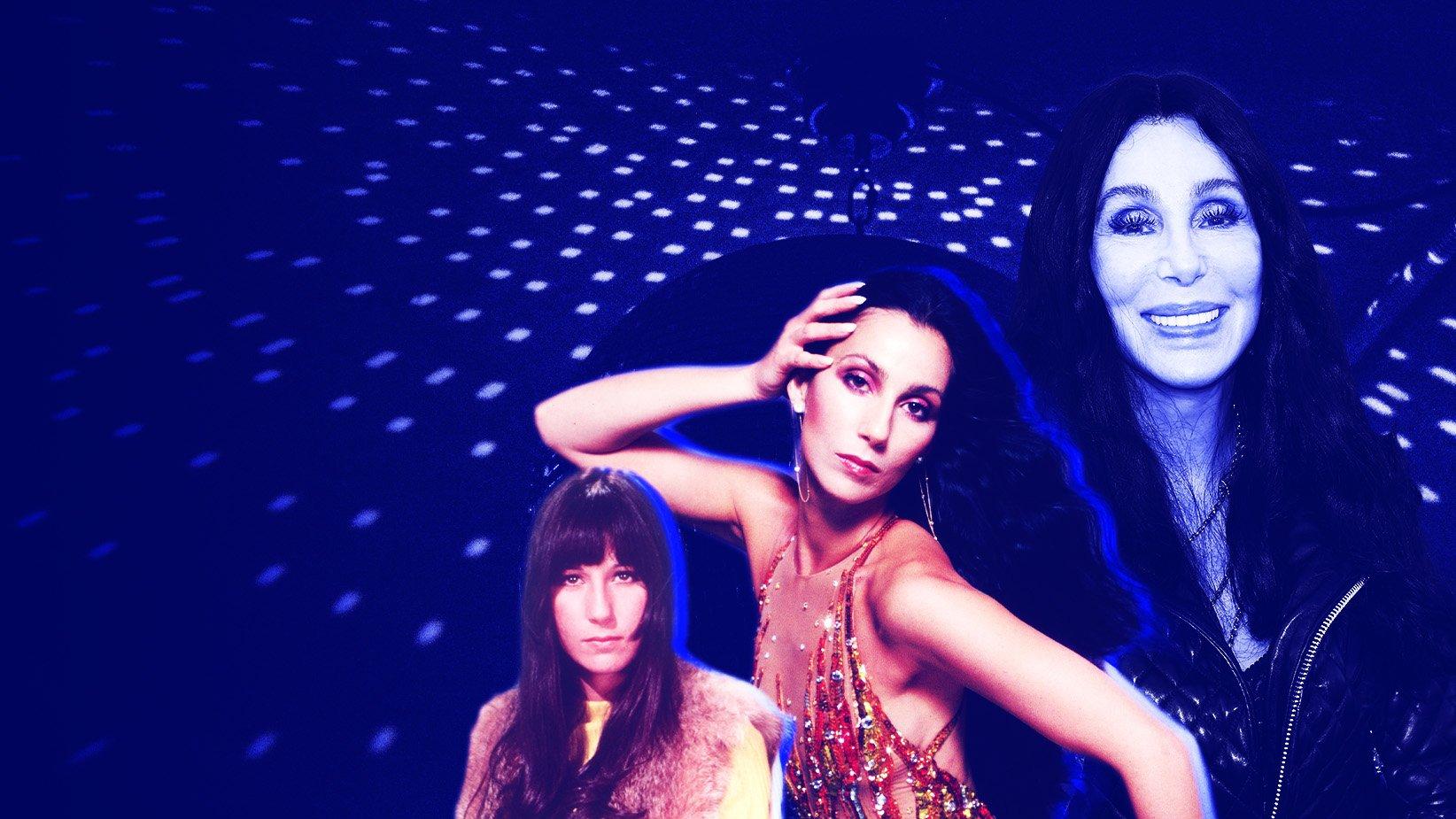
Cher's Audacious Return To The Grammy Stage
Cher is always a class act. With dozens of hits across a decades-spanning career, she earned the Recording Academy Lifetime Achievement Award deservedly. Her acceptance speech on the Grammy stage quickly became one of the most talked-about moments of the night.
First, she gave a stirring speech reflecting on her storied yet tumultuous time in show business. "I was famous at 19 and had a top-rated show in my 20s, actually, but it didn't occur to me how rough my career was going to be," she said. "I was either a loser or winning an Oscar. I'm sure a lot of you in the audience know what I'm talking about."
Cher also reflected on her stint in the "elephant graveyard" of Las Vegas in the '80s and her pioneering use of AutoTune on her Grammy-winning hit single "Believe." She closed out her speech by encouraging the audience: "Never give up on your dream, no matter what happens. Live it, be it, and if it's not happening now, it will happen soon."
Then things got a little bit … whacky. Apparently unclear that she would be presenting the Grammy for Record of the Year, the singer nearly walked off the stage before the crowd and host Trevor Noah coaxed her back. Then she mistakenly declared the late Luther Vandross the winner, in reference to the winning song, "luther" by Kendrick Lamar and SZA. Oh Cher, don't you ever change!
Jelly Roll Goes Full Country Music
Loading...
Jelly Roll had already won two Grammys earlier in the day for collaborations with Brandon Lake and Shaboozey, but it wasn't until the evening that he got to ascend the Grammy stage solo. Winning the Grammy for Best Contemporary Country Album for Beautifully Broken, he made his acceptance speech into a sort of country song in its own right, thanking his wife, referencing his Christian faith, and describing the troubles that led him to turn to music.
"I didn't think I had a chance, y'all," he said. "There were days that I thought the darkest things. I was a horrible human … There was a moment in my life that all I had was a Bible this big and a radio the same size and a six-by-eight-foot cell. And I believed that those two things could change my life."
The singer wrapped his speech by once again invoking religion: "Jesus is for everybody. Jesus is not owned by one political party. Jesus is not owned by no music label."
"luther" Wins Record of the Year
Cher may have been a bit off when she confidently misread that the Grammy for Record of the Year was going to "Luther Vandross." But the actual winners, Kendrick Lamar and SZA, made it clear that their chart-topping tune "luther" was a spiritual victory for the legendary R&B star who inspired the song, which prominently samples Vandross' and Cheryl Lynn's 1982 cover of "If This World Were Mine."
"First and foremost, let's give a shout-out to the late, great Luther Vandross," co-producer Sounwave began. "It was very, very, very important to keep the integrity of his record."
Lamar echoed the sentiment. "It's one of my favorite artists of all time, and they granted us the privilege to do our version of it. When we got that clearance, I promise you we damn near all dropped a tear.
"Being able to put our vocals on it, it proves that we were somewhat worthy to be just as great as them individuals," he continued. "They granted us that. They said, 'No cursing,' though."
Finally, SZA struck a note of hopefulness at the end of the speeches. "I know that right now is a scary time. I know the algorithms tell us that it's so scary, and all is lost," she said. "We can go on. We need each other. We need to trust each other and trust ourselves, trust your heart. We're not governed by the government, we're governed by God."
This Grammy win for "luther" puts Lamar in elite territory as a back-to-back Record Of The Year Grammy winner, joining fellow winners like Billie Eilish, U2, and the late Roberta Flack, the latter of whom was tributed in the annual In Memoriam celebration led by Ms. Lauryn Hill earlier in the ceremony.
2026 Grammys: Performances, Winners & Highlights
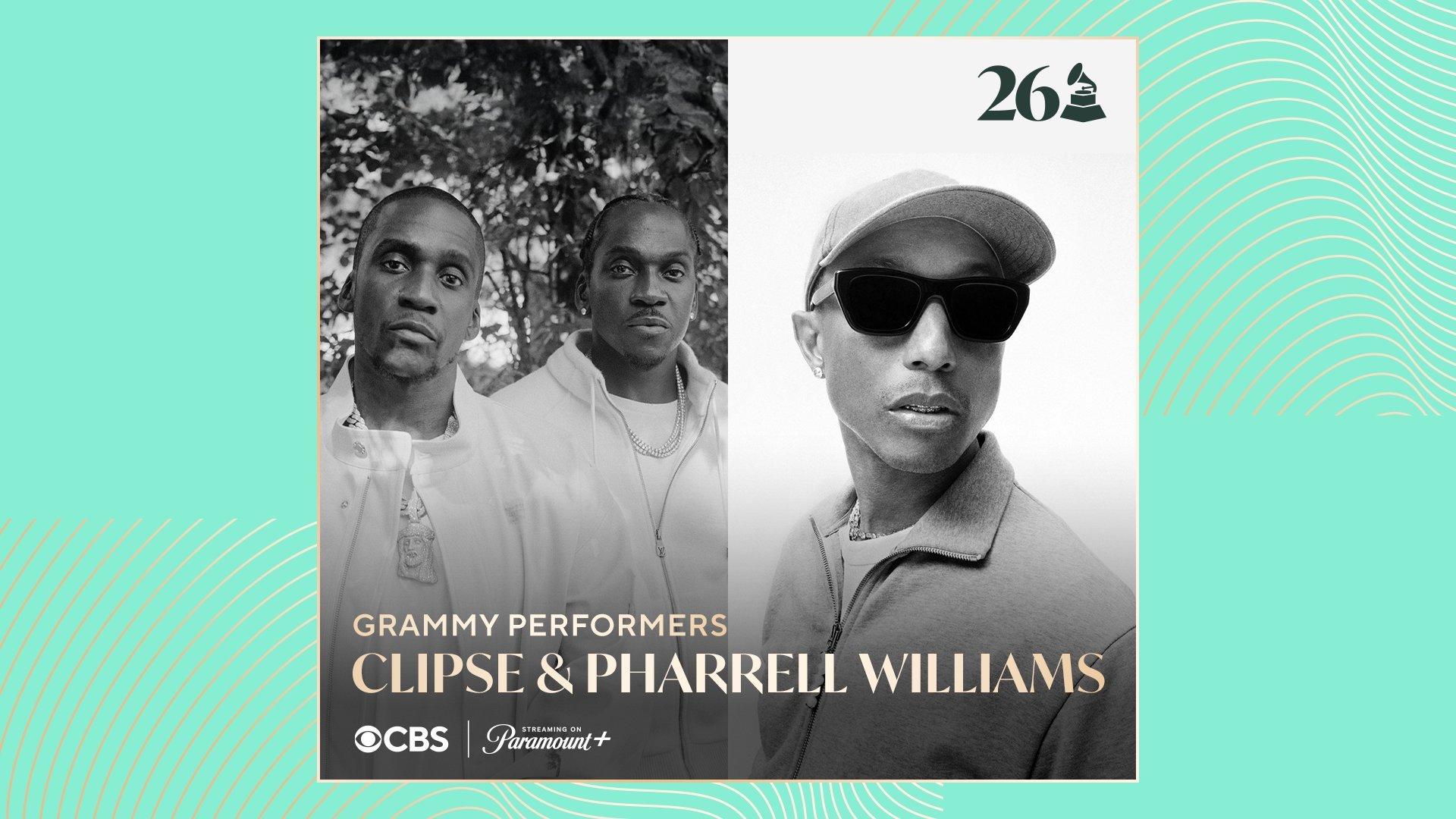
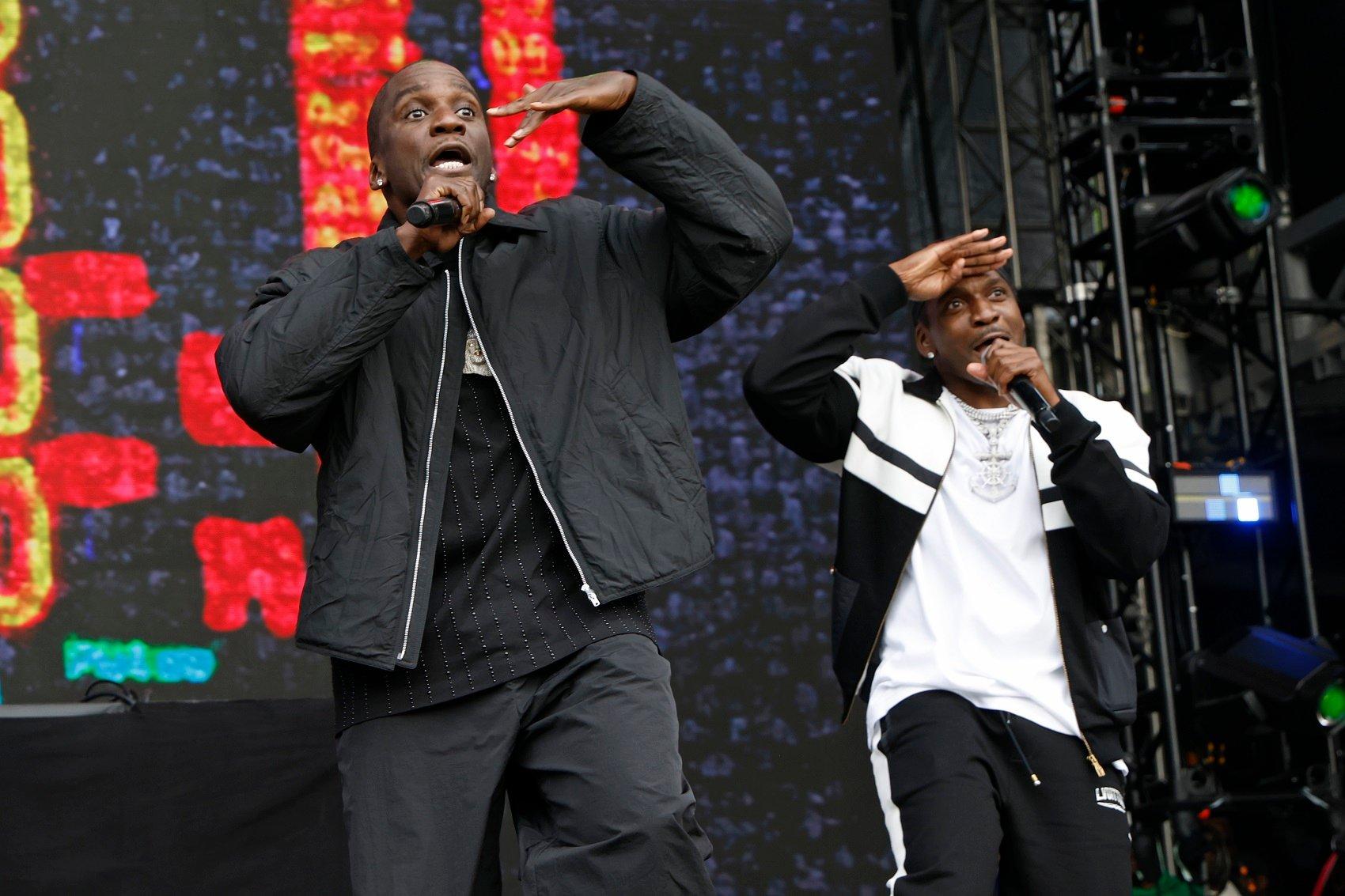
Current Grammy nominees Clipse (L) and Pharrell Williams (R) are performing at the 2026 Grammys on Sunday, Feb. 1.
Photos (L-R): Rahim Fortune and Bolade Banjo
Clipse & Pharrell Williams To Perform At The 2026 Grammys
Rap all-stars Clipse and superproducer/artist Pharrell Williams are both nominated at the 2026 Grammys for their work on the former's 'Let God Sort Em Out.'
GRAMMYs/Jan 22, 2026 - 04:59 pm
See the full list of winners and nominees from the 2026 Grammys.
Watch highlights and exclusive Grammys content from the 2026 Grammys all year long.
Current Grammy nominees Clipse and Pharrell Williams have been announced as performers at the 2026 Grammys.
Clipse are nominated for five Grammy Awards this year: Album Of The Year (Let God Sort Em Out), Best Rap Performance ("Chains & Whips"), Best Rap Song ("The Birds Don't Sing"), Best Rap Album (Let God Sort Em Out), and Best Music Video ("So Be It").
Thirteen-time Grammy winner Pharrell Williams is nominated for four Grammy Awards this year: Album Of The Year (Let God Sort Em Out), Best Rap Performance ("Chains & Whips"), Best Rap Song ("The Birds Don't Sing"), and Best Music Film (Piece By Piece).
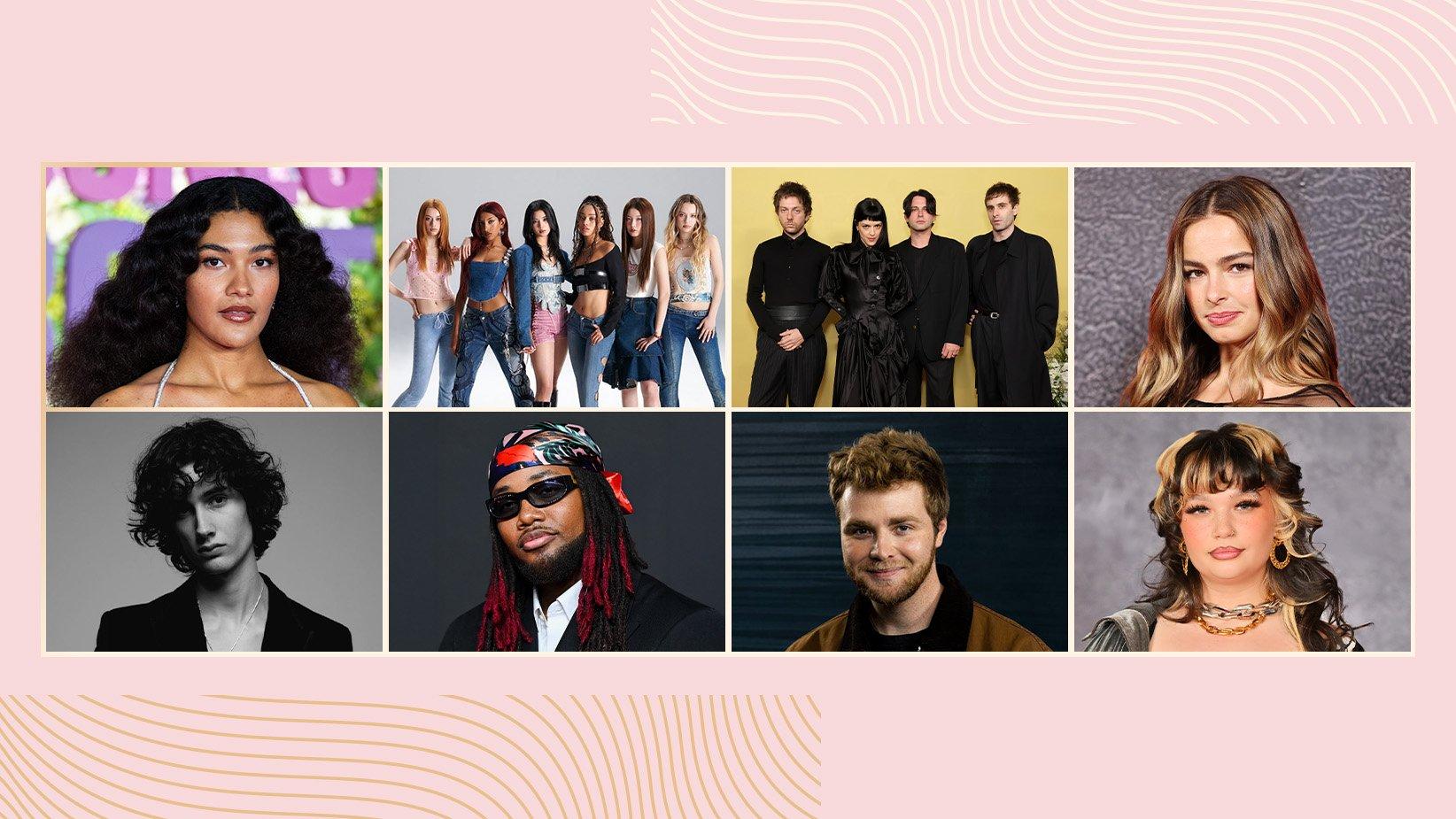
Previously announced performers include current Best New Artist nominees Addison Rae, Alex Warren, KATSEYE, Leon Thomas, Lola Young, Olivia Dean, SOMBR, and The Marías, who will all perform in a special Best New Artist segment at the 2026 Grammys. Sabrina Carpenter will also perform at the 2026 Grammys.
Additional performers at the 2026 Grammys will be announced in the coming days.
See the full list of performers and hosts at the 2026 Grammys to date (updating in real time).
Prior to the 2026 Grammys telecast, the 2026 Grammy Awards Premiere Ceremony will broadcast live from the Peacock Theater in Los Angeles at 12:30 p.m. PT/3:30 p.m. ET and will be streamed live on live.grammy.com and the Recording Academy’s YouTube channel.
Paramount+ Premium plan subscribers will have access to stream live via the live feed of their local CBS affiliate on the service, as well as on-demand. Paramount+ Essential subscribers will not have the option to stream live, but will have access to on-demand the day after the episodes airs.
Fulwell Entertainment is producing the 2026 Grammy Awards for the Recording Academy. Ben Winston, Raj Kapoor, Jesse Collins, and Trevor Noah are executive producers.
2026 Grammys: Performances, Winners & Highlights
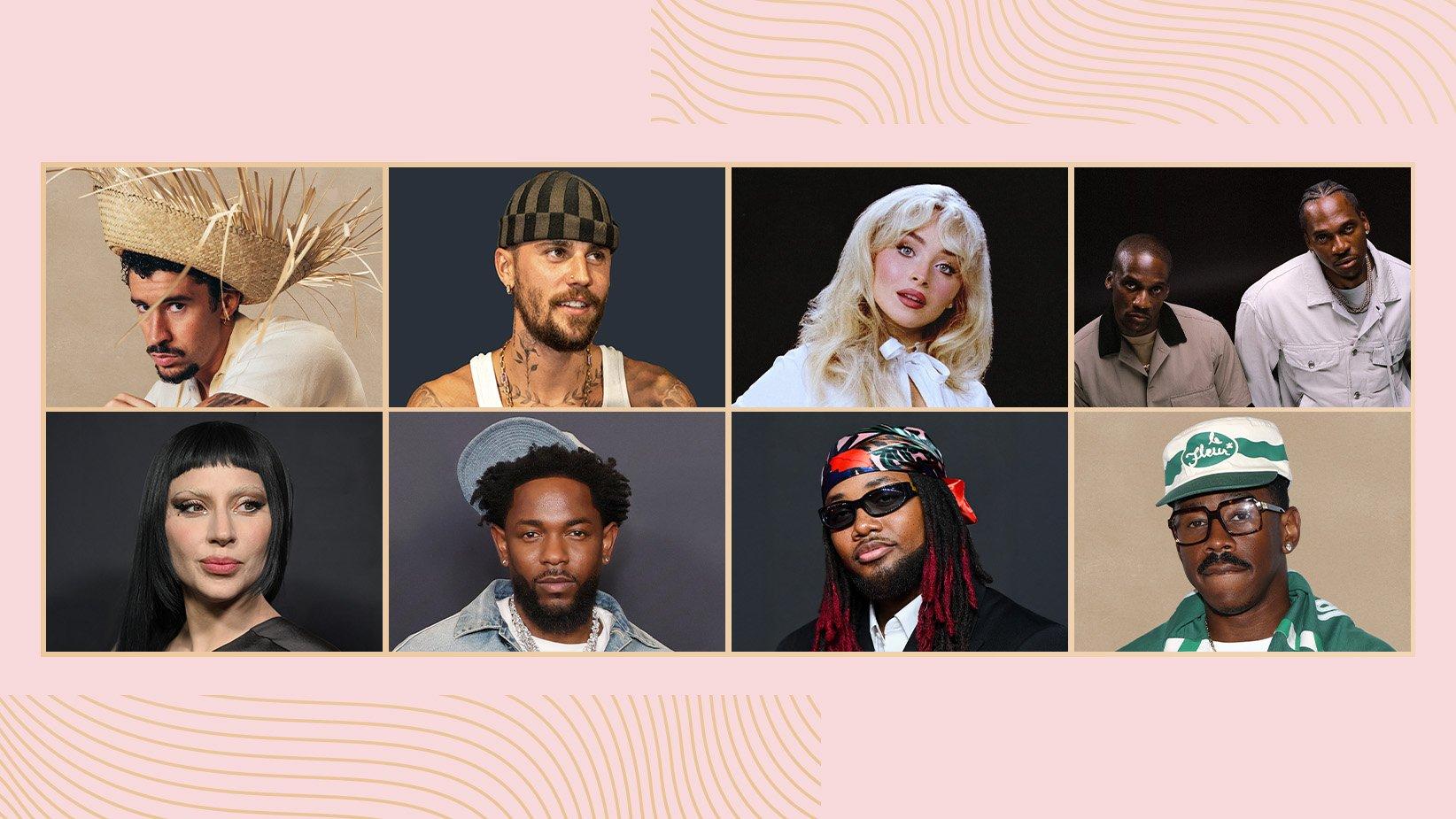
(Top) Bad Bunny, Justin Bieber, Sabrina Carpenter, Malice & Pusha T (Bottom) Lady Gaga, Kendrick Lamar, Leon Thomas, Tyler, The Creator
Photos: Eric Rojas; Cassy Athena/Getty Images; Bryce Anderson; Cian Moore; NBC/Noam Galai/NBC via Getty Images; Monica Schipper/Getty Images for The Recording Academy; Gilbert Flores/Billboard via Getty Images; Arturo Holmes/Getty Images
2026 GRAMMYS Nominations: Album Of The Year Nominees
Whoever takes home the golden gramophone will be a first-time Album Of The Year winner — whether Bad Bunny, Justin Bieber, Sabrina Carpenter, Clipse, Lady Gaga, Kendrick Lamar, Leon Thomas, or Tyler, The Creator.
GRAMMYs/Nov 7, 2025 - 04:19 pm
See the full list of winners and nominees from the 2026 Grammys.
Watch highlights and exclusive Grammys content from the 2026 Grammys all year long.
Releasing an album isn’t just about putting a set of songs out into the world.
It’s about sharing a cohesive piece of the artist’s inner world, opening a portal that anyone can enter and discover something completely new. Each LP reveals a depth of creativity and spirit that just doesn’t exist very often in everyday life. For the artist, it’s an act of transformation; for listeners, it’s an invitation into something raw and resonant, the kind of experience that can shift how we feel, how we think, how we live.
The Recording Academy is proud to present the 2026 GRAMMYS nominees for Album Of The Year: Bad Bunny, Justin Bieber, Sabrina Carpenter, Clipse, Pusha T and Malice, Lady Gaga, Kendrick Lamar, Leon Thomas, and Tyler, The Creator. Their eight LPs each brim with unparalleled artistic and technical skill.
This year’s potential winners include several previous Album Of The Year nominees who have yet to take home the award, as well as a few first time nominees. No matter who takes home the golden gramophone, the winner will be a powerful first.
Learn more about the nominees below and read the full 2026 GRAMMYS nominations list ahead of Music's Biggest Night on Sunday, Feb. 1, 2026.
Bad Bunny — DeBÍ TiRAR MáS FOToS
From his upcoming performance at the Super Bowl halftime show to yet another in a long string of genre-defining and -defying albums, Bad Bunny remains at the center of the pop conversation. With his DeBÍ TiRAR MáS FOToS, the Puerto Rican megastar returns to the Album Of The Year Category for the first time since 2023's Un Verano Sin Ti was nominated.
DeBÍ TiRAR MáS FOToS ("I Should Have Taken More Photos") immediately establishes a new, confident chapter in Bunny’s creative journey. Both a creative reset and a homecoming, this deeply Puerto Rican record holds onto its roots with a depth and sincerity that’s both personal and political.
The 17-track project finds Bad Bunny sounding grounded, reflective, and newly centered, embracing maturity without losing his edge. DeBÍ TiRAR MáS FOToS blends traditional Puerto Rican sounds — salsa, bomba, plena, and early reggaeton — into lush, forward-looking blends thanks in part to trusted collaborators such as MAG, Tainy, and La Pacienca.
A polychrome, far-reaching set, the album feels intimate even at its most extreme, weaving through love, loss, and cultural memory. But DeBÍ TiRAR MáS FOToS is more than diaristic expression; it’s a powerful outward statement and reclamation. Recorded entirely in Puerto Rico with local collaborators, it’s a proud assertion of identity and defiance. And while Bad Bunny has always been a proud proponent of Puerto Rico, its musical traditions and its people, the full-throated bravado and expression of strength on DeBÍ TiRAR MáS FOToS will make it a landmark album for the country for years to come. In returning home, Bad Bunny has crafted his most spiritually and sonically rooted work yet.
Justin Bieber — SWAG
Considering he’s been entrenched in the heart of the music industry for decades, it’s tempting to think of Justin Bieber alongside a tier of aging pop stars — and by that virtue, expect him to be trying out some harebrained reinvention scheme. But in reality, he’s only recently entered his 30s, and the radiant SWAG shows that he’s still in his pop prime.
Bieber’s seventh album glides between genre touchstones without losing footing, a 20-track album equal parts confidence and confession. Featuring the likes of Gunna, Sexyy Red, and Lil B (and production assists from Dijon, Daniel Caesar, Mk.gee, and longtime collaborator Eddie Benjamin), SWAG leans into the the titular energy of hip-hop without sacrificing soul.
Throughout the mix, Bieber’s voice remains the anchor, tender when it needs to be, silky when it wants to be, and always unmistakably Biebs. Whether touching on smooth R&B, glossy pop, gospel, or even new jack swing, those vocals keep things distinctly warm and human. Tracks like "Go Baby," "Devotion" and "Yukon" are lived-in love songs that transcend cliche and shimmer with emotional clarity. Elsewhere, he plays with texture and tempo, balancing romantic sincerity with the playful energy that first made him a star.
This is Bieber's third nomination for Album Of The Year, with 2022's Justice (Triple Chucks Deluxe) his most recent run at the award. And where that record buoyed and bopped, SWAG has a smoother confidence, the work of someone at peace with their talent and looking to see where it might go next. To that end, the album represents a truly personal reset: it’s Bieber’s first since parting ways with former manager/guru Scooter Braun and his first as a new father.
About a decade and a half since his GRAMMYS debut, Bieber continues to reinvent what pop stardom looks and sounds like. SWAG proves that sometimes evolution comes down to discovering the confidence to sound exactly like yourself.
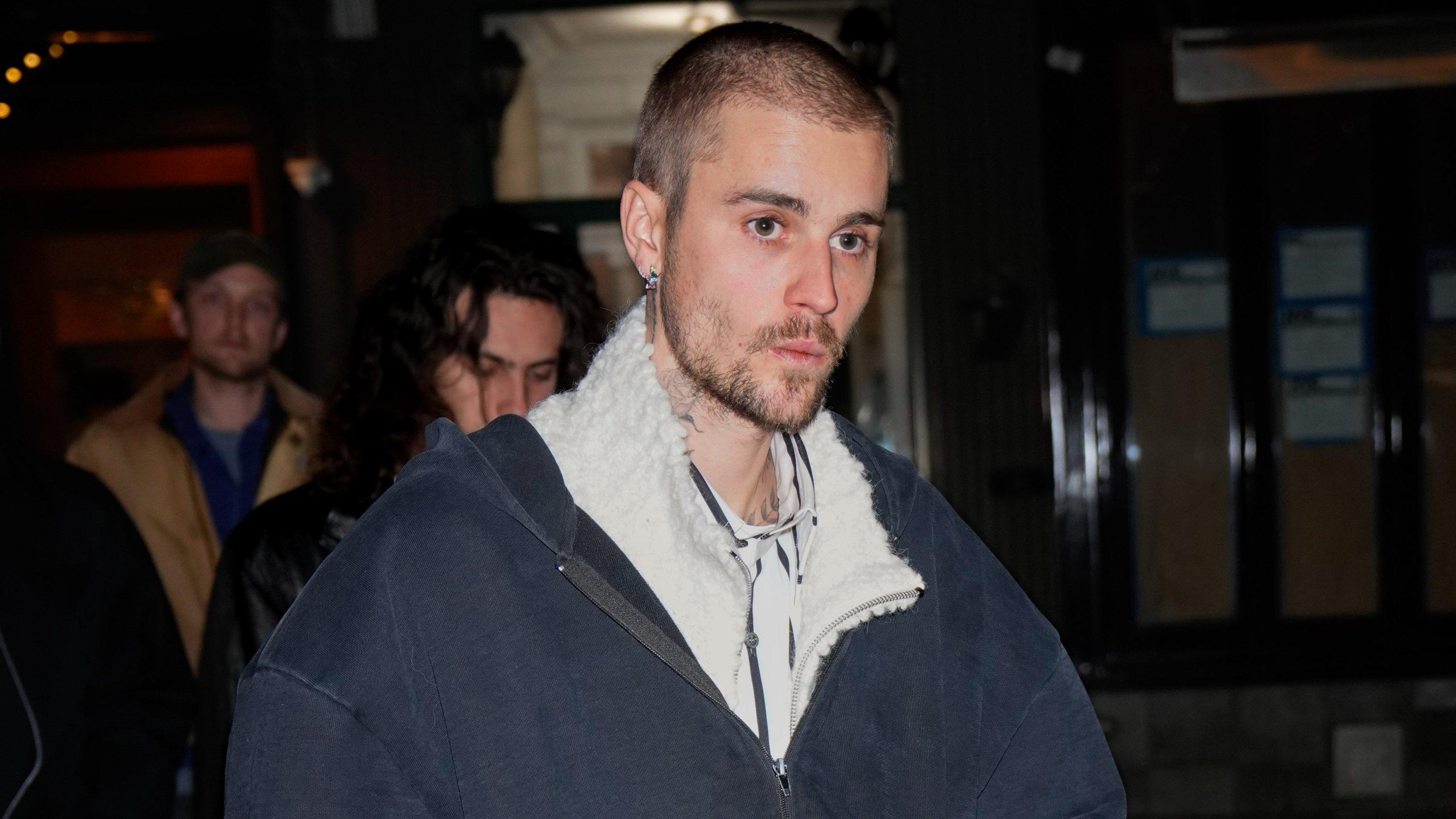
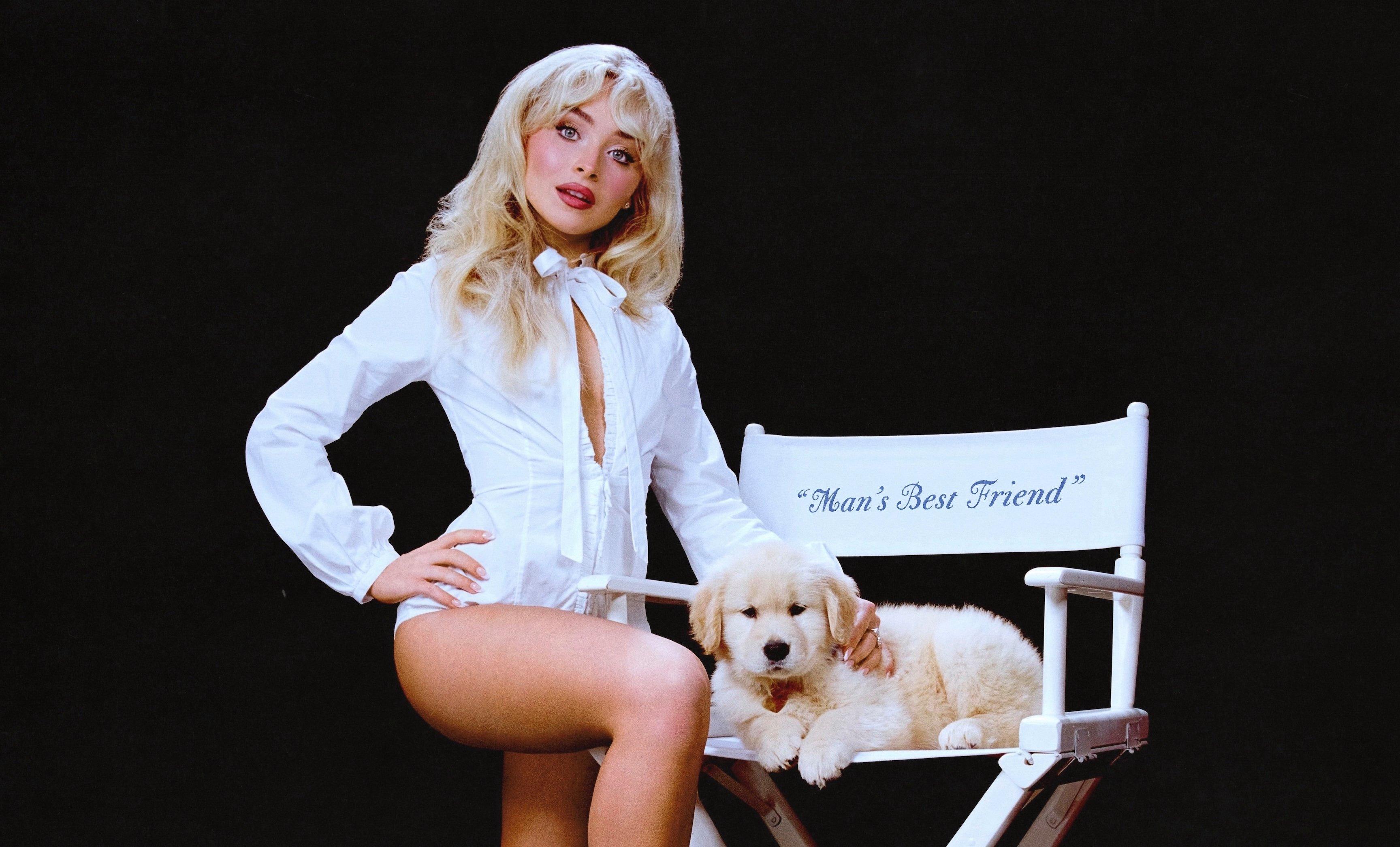
Sabrina Carpenter — Man’s Best Friend
After conquering pop with Short n’ Sweet, Sabrina Carpenter is already back for another bite. Less than a year after her GRAMMY-winning breakout, the former child star dropped Man’s Best Friend — a sharp, cheeky and emotionally unguarded follow-up that proves lightning can strike twice.
Some stars may have ridden the pop high of Short ‘n Sweet for years, so when Carpenter announced her followup it came as quite the shock. But considering the whirlwind year that accompanied its predecessor, it’s no surprise that the singer decided she had enough inspiration for new material. And despite being inspired by the hectic energy of celebrity life and a public breakup, Man’s Best Friend features an effortless energy that pulses through every synth shimmer and sly one-liner. "I felt so at ease making Man’s Best Friend," she told fans in an email about the record. "This one felt like riding a bike."
Reuniting with writer/producers Jack Antonoff, Amy Allen and John Ryan, Carpenter leans into her signature blend of flirtation and finesse. Across 12 tracks, she unpacks her emotional core with the wit of someone who’s survived love and loss and then tried again. Whether in disco dreamscape, country-pop catharsis or neon pop glow, Man’s Best Friend carries the authenticity, easy charm, and fluid energy of its creator.
The LP carries the sass and sparkle of Short n’ Sweet but balances it with a deepened vulnerability, Carpenter exploring her soft spots without losing her bite. But even at her most vulnerable, there’s always room for a punchline or jab; Carpenter remains delightfully, defiantly herself. With Man’s Best Friend, Carpenter is cementing her place as one of pop’s sharpest tongues: sassy, self-aware, and entirely unstoppable.
Clipse, Pusha T & Malice — Let God Sort Em Out
A lot has happened in the eighteen years since Clipse’s last album, but not the steely intensity of Pusha T and Malice. The brothers’ new album, Let God Sort Em Out, isn’t a reunion tour, it’s a fiery exclamation point reinforcing their place as rap royalty.
Nearly two decades after Til the Casket Drops, Clipse returned to their throne, supported once again by longtime collaborator Pharrell Williams. The result is an uncompromising masterclass that reasserts Clipse’s dominance while peeling back the mask on fame, faith and grief.
Over Pharrell’s stripped-down, diamond-edged production, Clipse show no sign of rust or reunion cash-grab laziness. The album opens with a gut-punch meditation on the loss of their parents and explodes outward, building from a confessional platform to the coke rap bravado that made them legends.
From there, it’s all fire and precision, Pusha and Malice delivering bars with iron fists while Pharrell balances Hell Hath No Fury minimalism with his trademark cinematic flair. Not to mention, the guest list is absolutely stacked, with spots from John Legend, Kendrick Lamar, Nas, The-Dream, and Tyler, The Creator, among others
Let God Sort Em Out proves no one delivers truths quite like Clipse. An Album Of The Year GRAMMYS nomination further establishes their status as one of rap's most incisive acts.
Lady Gaga — MAYHEM
Seven official studio records in, Lady Gaga is still finding ways to bring massive ideas and expression into the pop sphere. Yet MAYHEM works in a controlled chaos unlike anything else in Gaga's catalog. With four Album Of The Year nominations under her belt, the Little Monsters are hoping that MAYHEM will add to her impressive 14 GRAMMYS wins.
MAYHEM shows Gaga deftly wrangling sonic chaos that would fell a lesser artist: She maintains a strong hold on her pop roots, while incorporating dance-floor and disco experimentation of her previous releases. She added that the record is an "integration of who I am in real life and who I am on stage, and how I really started to celebrate bringing those two things together." Rather than characters, MAYHEM feels like a team of Gagas inhabiting the same space, each true and tied to her heart while retaining the frenetic energy of her performative style. The fashion choices surrounding MAYHEM reflected Gaga's harnessing of her varied parts, with the usually color-blasted pop star donning asymmetrical black.
MAYHEM is also a showcase of Gaga’s collaborative alchemy. Her fiancé, Michael Polansky, is listed as an executive producer, while high-profile board whisperers like D'Mile, Andrew Watt, and Cirkut join in the fun. Add to that features from Bruno Mars and Gesaffelstein and you get an album that unites past, present, and future across an impressive 53-minute run-time. Balancing intimate balladry, playful provocation, and electrifying theatrics, MAYHEM celebrates every Gaga out there, both within herself and her listeners.
Kendrick Lamar — GNX
Few people in history have had as good a time at the GRAMMYS as Kendrick Lamar did just last year, with "Not Like Us" netting five golden gramophones. That brought his career total to 22. And now with GNX, surprise-released as 2024 drew to a close, Kenny may already be on the way to growing that total.
The followup to the superb Mr. Morale & the Big Steppers, GNX takes its name from a car model akin to the one that Lamar's father drove when the rapper was a baby. Equally telling, GNX is the first album released by pgLang, the company Lamar founded, without collaboration from his former label home TDE. All said, GNX moves from the outward-pointing Drake feud energy of "Not Like Us" and back into the soul of its author.
GNX isn't without its nimble daggers, finding all the right words to cut at competitors and boast of his superiority. And with the old-school swagger, iconic bars, and expressive production, that superiority feels earned. Lamar also brings along a crew of features from around his Compton home, most notably SZA, Roddy Ricch, and Lefty Gunplay. Production comes courtesy of Sounwave, Kamasi Washington, and even Jack Antonoff. Whether pushing g-funk-indebted synths or more Mustard-y string section goodness, GNX is a celebration, a victory lap, a next step forward, and a building block for even greater things to come.
Leon Thomas — MUTT
No one could have scripted the route that took Leon Thomas to this an Album Of The Year nomination. But after years of shining in whatever project he happens to be in — whether on Broadway, kids' sitcoms, animation or music — Leon Thomas fully stepped into the spotlight with MUTT. His second solo album, MUTT is a bold declaration of artistic autonomy.
After a childhood career in Broadway and Nickelodeon, Thomas announced his foray into solo musicianship in 2012, releasing a promising mixtape that also featured former co-star Ariana Grande. In the years that followed, he amassed a catalog of writing and production credits with Freddie Gibbs, Post Malone, Rich the Kid, Jack Harlow, SZA, Drake, and many more. But Thomas deftly tackled transitioning from in-demand producer back to headlining artist, with MUTT's title track dominating charts.
An impressively cohesive and confident record, MUTT is a fusion of jazz, neo-soul, and rock, rooted in Thomas’ lifelong influences: a wide range from Art Blakey and Miles Davis, to Black Sabbath and Led Zeppelin. Across 14 tracks, Thomas blends lush instrumentation and stacked vocals to forge a sound that’s both expansive and intimate. More broadly, MUTT represents the artist’s journey of embracing creative control, breaking genre rules, and owning the narrative of his career.
While Thomas entered the year with a GRAMMY under his belt for his work on SZA's "Snooze," the 2026 GRAMMYS could fully ensconce Thomas as a star in his own right as an R&B visionary capable of rich, genre-defying statements.
Tyler, the Creator — Chromakopia
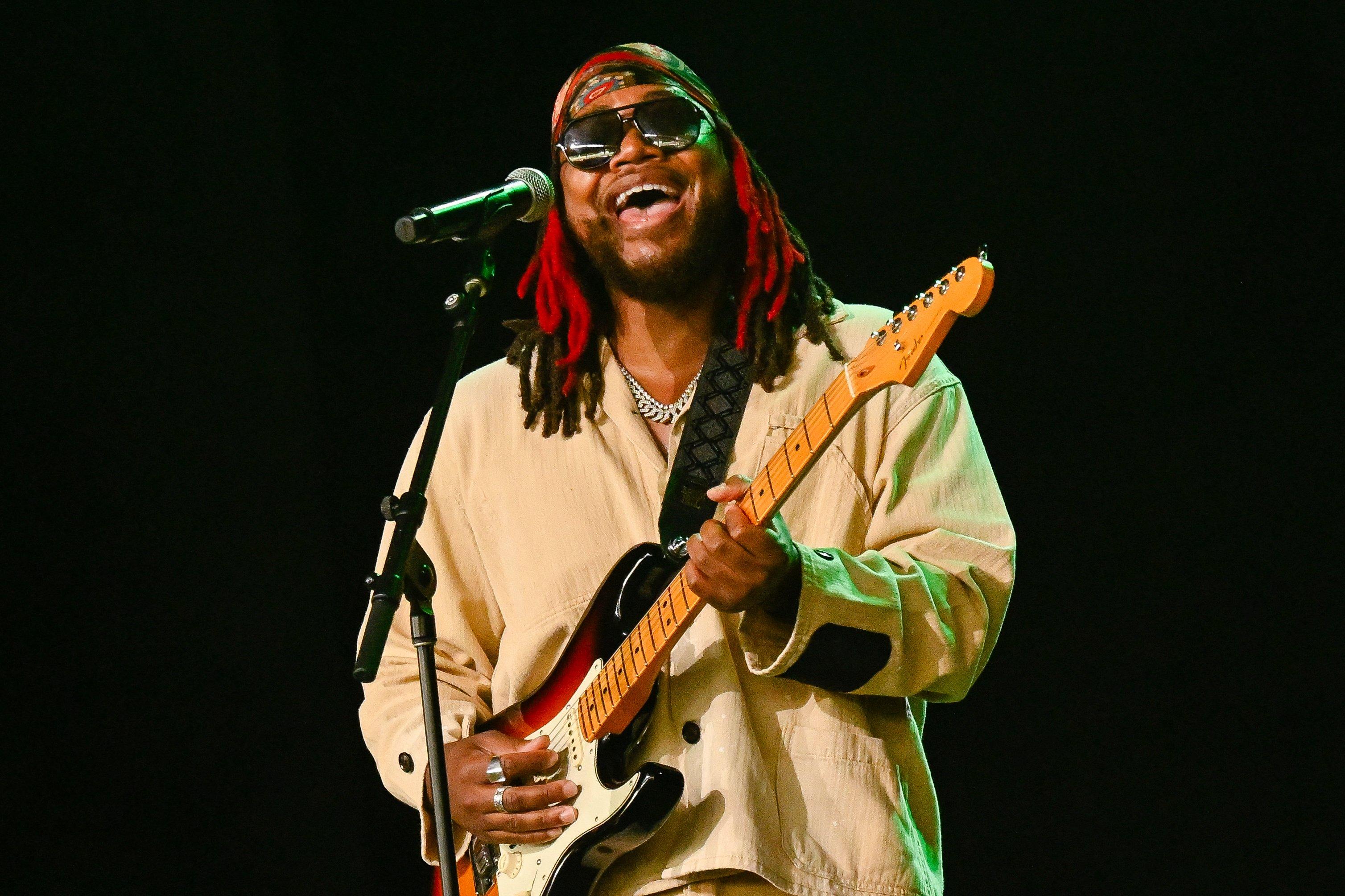
After entering the public consciousness with the reputation of a button-pushing outsider, Tyler, the Creator has truly blossomed into one of the most unique voices in rap — including Best Rap Album wins for both 2019's Igor and 2021's Call Me If You Get Lost. His Album Of The Year nomination for the hypercharged Chromakopia further solidifies Tyler's ascendancy as hip-hop royalty.
Chromakopia is propelled by self-scouring lyricism, with Tyler revealing emotional depths that so many others are afraid to face — let alone expose to the world. It takes a special kind of artist to do a self-diss track, after all. Throughout the album, Tyler, the Creator and Tyler Okonma (his government name) seem to be in fluid conversation, with Tyler's mother, Bonita Smith, offering diaristic narration. A blend of jazz and soul stylings lends an added dimensionality to that exploration, Tyler knowing when to push thoughtful calm and when to ramp up the intensity.
While Tyler naturally remains the center of the conversation, he brings together an impressive guest list including GloRilla, Doechii, Lil Wayne, Schoolboy Q, and Sexxy Red. Tyler masterfully brings those big personalities together in his own narrative, turning them into a cohesive chorus in support of his vision.
If Tyler's early days were highlighted by controversial aggression and the second era of his life was headlined by wild-eyed, technicolor emotionality, Chromakopia signifies a more precise, introspective take — though, of course, without losing an ounce of the razor-sharp lyricism. It’s tempting to say this isn’t the same Tyler of Odd Future, but the beauty of Chromakopia comes in showing the many facets of Tyler’s brain, coexisting under the microscope.
2026 Grammys: Performances, Winners & Highlights
Danny Brown
Photo: Ariel Fisher
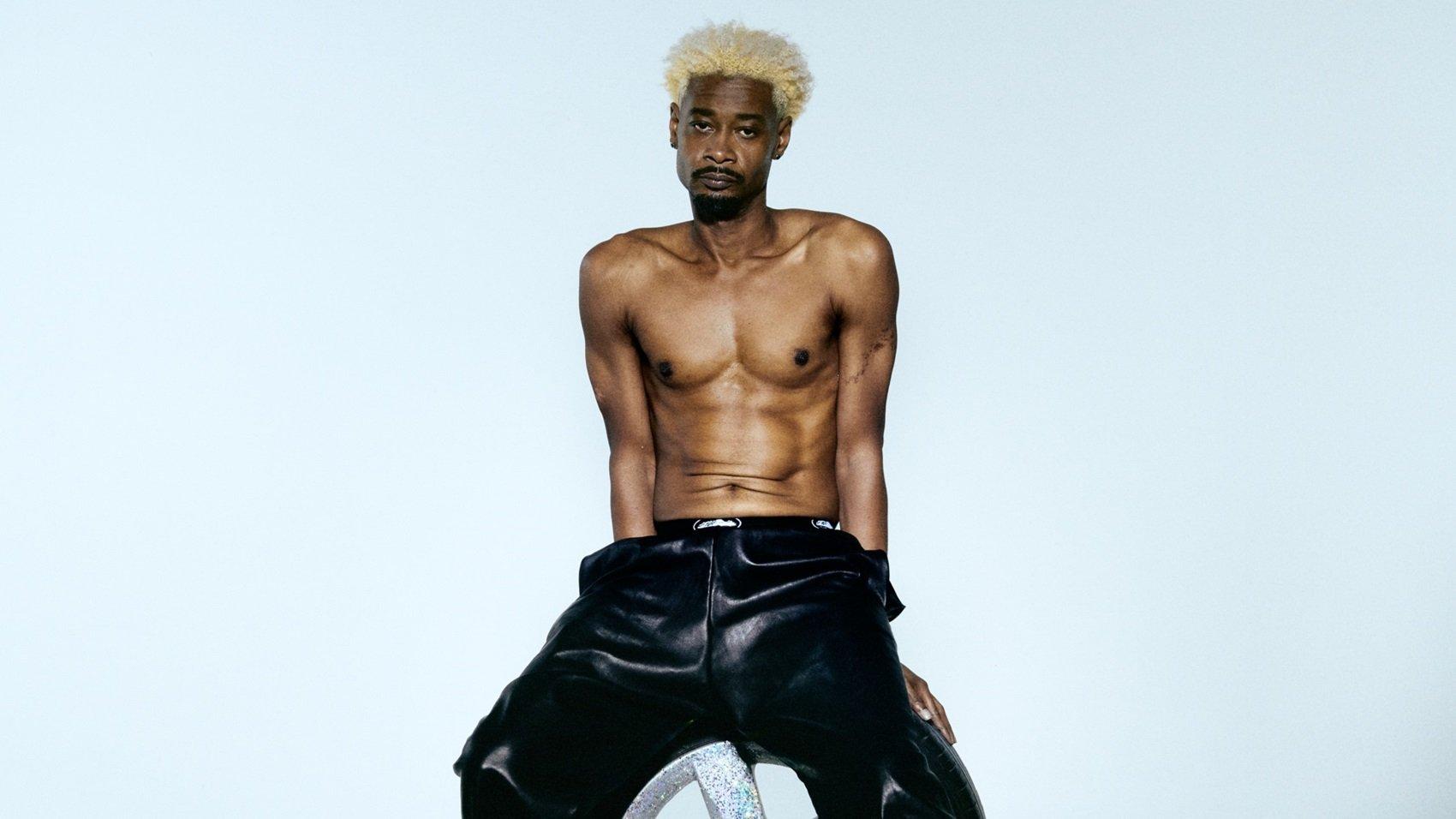
On 'Stardust,' Danny Brown Found Sobriety — And Hyperpop
The 44-year-old rapper changes his stripes with every album. But his latest record is his first time ever doing it sober, with help from surprising new friends.
GRAMMYs/Oct 27, 2025 - 02:17 pm
Danny Brown’s ears are like no one else’s — certainly not in rap. His catalog of albums released since 2011 fittingly reflect his sonic diversity.
The wisecracking breakthrough XXX brought his devious cackle to worldwide attention in 2011; two years later, Old offered lookbacks on a dope-dealing past and gleefully irresponsible party anthems. He spread his wings on 2016’s Atrocity Exhibition (named after a Joy Division classic redolent of the depressed soundscapes within); 2019’s uknowhatimsayin? was executive produced by Q-Tip and influenced by stand-up comics. None of Brown's releases sound alike and his last two albums — the noisy, inventive JPEGMafia team-up Scaring the Hoes and his quietest, most reflective album, Quaranta — were especially divergent.
His new album, Stardust, goes on yet another new sonic journey. While some of Brown's most well-known songs include "Blunt After Blunt," "Kush Coma," and "Smokin & Drinkin," Danny Brown has changed his tune. In March 2023, Brown worked with MusiCares to find a rehab center, and has been sober since. Where he previously boasted of wanting to "party like Chris Farley" on XXX's "Die Like a Rockstar," maturity has a way of changing that outlook. Stardust is the artistic rebirth of a man determined to live, having vanquished major demons.
Brown’s conscious of the perception that sobriety has historically led to boring music; no one could accuse Stardust of that, though. The album is the most danceable, colorful, highest-bpm Danny Brown release to date, with assists from stars of the hyperpop scene such as Jane Remover, Frost Children, underscores, and Femtanyl (the latter two will join Brown on tour). But once again, he’s managed to take his sound in a whole new direction bursting with ideas and energy. And he’s cool with other people getting trashed to it.
"Just because I’m sober now doesn't mean people in the crowd are. So I can't tell them not to have a good time," Brown says with a giggle. "I’m the one that’s 44 years old."
The now-Texas-based rapper spoke with GRAMMY.com about how he made his first-ever recording in sobriety, and how hyperpop and U.K. dance music reinvigorated his muse.
This interview has been edited for concision and clarity.
Stardust has the most collaborations you’ve ever put on one record; Quaranta, your last record, was almost the opposite. Was it intentional to go from zero to 100 with those?
I mean, Quaranta was recorded during COVID and lockdown. So maybe if times were a little different, the album would have been different. With this album I was just a fan of and really inspired by everybody that's on the album. I really wanted to work with them.
I figured it was because the last one was so autobiographical and introspective.
I still feel like [Stardust] is, ‘cause it kind of continues on the journey of me after rehab in some sense. Once you change your life, everything else kind of changes too.
I don't really play the type of music that I normally was listening to when I was deep in my depression or drug use and when I was drinking. That’s not stuff that I want to hear in my sobriety now. When I was in rehab, I was listening to a lot of 100 gecs and stuff like that just resonated with me.
Was that your first exposure to hyperpop?
During quarantine, that's when I first heard ["Money Machine"] by 100 gecs. We was all locked down then, and I would just start finding out about different artists that was in that scene. I remember they was doing the livestreams on YouTube, and I would watch those, too, and I got put up on a lot of [artists]…that's how I did that song with Dorian Electra back then. But even before that I was listening to Ashnikko, so I always was starting to trend in that direction and just found something that would work in my world musically.
I could definitely hear some of your music trending that way on Scaring the Hoes. Does your taste go back to, say, Aphex Twin and ‘90s drum ‘n’ bass?
Yeah, there's a lot of breakcore stuff on there, but I think that started with me just listening to grime. Dizzee Rascal is one of my top three favorite artists in the world and I wouldn’t have been able to make this album without him.
So once I got exposed to grime, I started getting exposed to more U.K. sounds. Grime came from garage, and garage came from jungle and drum ‘n’ bass. Doing my homework with that stuff just took over my world.
Definitely, and similar to both Dizzee Rascal and drum ‘n’ bass, you rap in double time a lot on this record. Was that something you were already primed to do?
If you go back and listen to my Old album, that’s when I would start to try to mess around with it a little bit. But back then I was still heavy into drinking. So I would be drunk trying to do the hardest rap style you can possibly think of. We would nudge the lyrics or do whatever we have to do sometimes, but then I would have to take these songs and perform them on stage.
So I think after years of doing it drunk, now that I’m doing it sober, I perfected it. [Laughs.]
This is the first album you’ve ever made sober, right? Congratulations, that’s obviously an enormous lifestyle change. If you’re comfortable, I wanted to ask specifically how that changed your writing process.
It was really hard. [Laughs.] I actually found out about this book called The Artist’s Way, written by somebody who figured out how they got back into being able to write once they got sober. They give you these exercises, like, take yourself on artist dates or journal every day. I eventually developed a process with it and I can't say it really sticks; I feel like every album I try to do something different with my writing processes. I just listen to the beat all night and then I go to sleep and kind of dream it. And then I wake up in the morning, have my first cup of coffee, and I write it in, like, 10 minutes.
Did you take yourself on an artist date? What did that look like?
Yeah, you would take yourself to do s— I probably wouldn’t normally do, like go to a museum. But I understood why I was doing it because it was getting you out of your head where you could just release feelings or emotions. So my mind would just be clear to concentrate on music.
You rapped onstage with A.G. Cook at Coachella this spring. Were you ever in contact with [late legendary producer] Sophie? I feel like you two were kindred musical spirits in some ways.
That’s one of the things I’m really bummed out about. When I first heard [Sophie’s] "Bipp," I was like, this is about to be like the next wave of grime. And I really wanted to work with Sophie, but I remember Vince Staples had worked with Sophie [on "Yeah Right"].
Something about us hip-hop guys: When somebody do something, it’s like, ah, he did it first. And I really wish I didn’t think like that back then. I wish I didn’t have that old rapper brain.
It’s funny you say that because one of the only albums like Stardust is Vince’s Big Fish Theory, which still sounds pretty different. But just that openness to work within dance music and U.K. garage sounds. I also love how [Stardust opener] "Book of Daniel" is this triumphant, emotional introduction that suddenly switches gears to the "fun" music right after. It’s a good bridge from the last album to this one.
That’s exactly what it was, if you end the last album with that song and start this one. I kind of want all of my albums to seamlessly flow like that. So I don't know if people even notice that, but all my albums kind of do that. The last song goes into the first one. Every album does it.