Photo: Al Pereira/Getty Images/Michael Ochs Archives
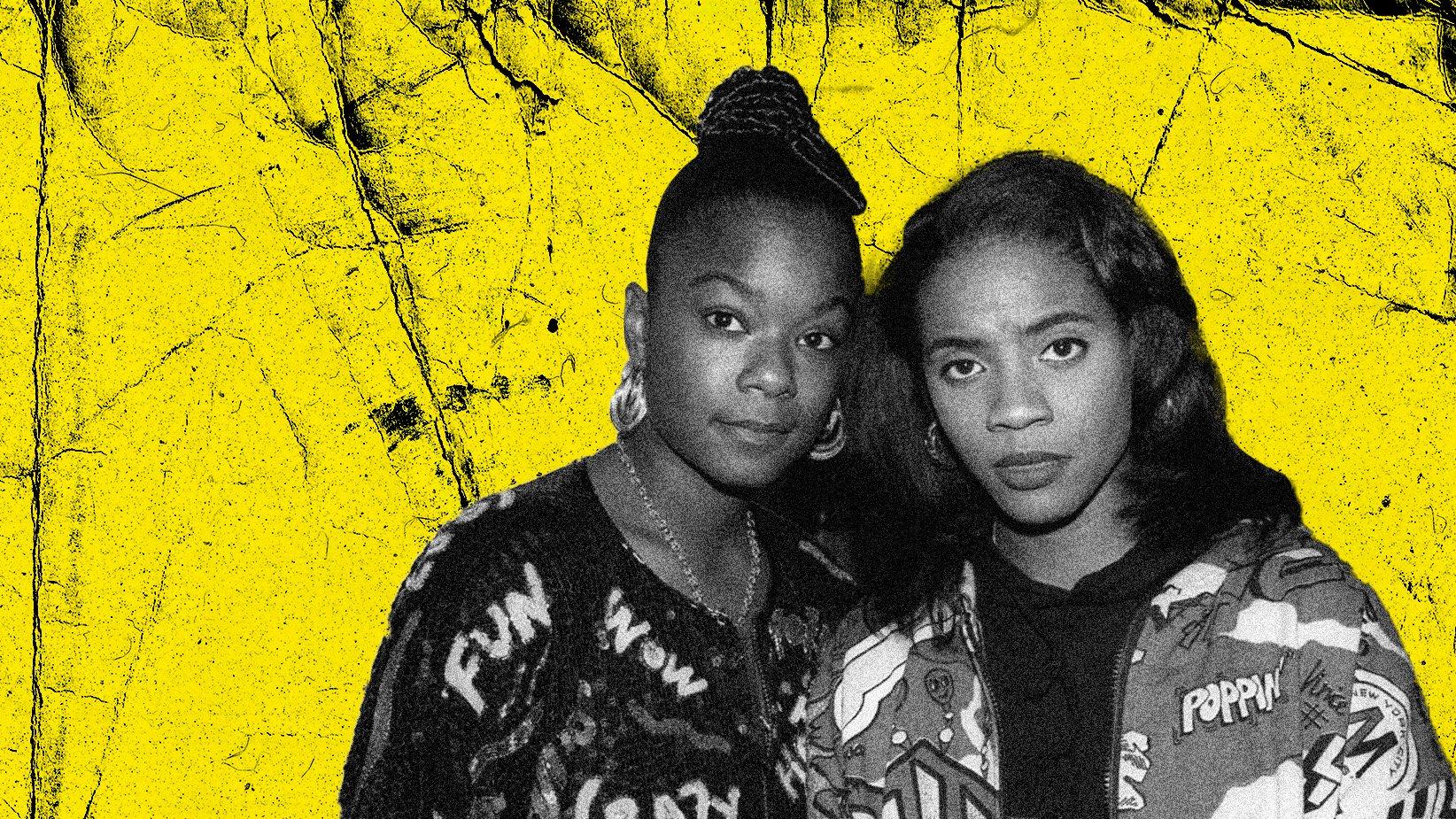
Roxanne Shanté and MC Lyte in New York City in 1991.
9 Teen Girls Who Built Hip-Hop: Roxanne Shante, J.J. Fadd, Angie Martinez & More
Since the birth of hip-hop in 1973, teenage girls have made space for themselves in a world dominated by adult men. Read on for the stories of nine girls who have made an indelible impact on the culture.
GRAMMYs/Aug 17, 2023 - 09:46 pm
More often heralded for their fandom than their artistic contributions, teenage girls have been a driving force in hip-hop since its inception. After all, it was a teen girl, Cindy Campbell, who came up with the idea to host the back-to-school fundraiser that jumpstarted hip-hop in 1973.
Though their names may not be the first to be mentioned in mainstream conversation, young women in hip-hop paved the way for teen artists such as Brandy and Monica, Aaliyah and Destiny’s Child that would shape culture in the late '90s and early aughts. The stories of these groundbreaking young women aren't always fairy tales — some are cautionary and some tragic — but all soar as examples of making space for themselves, sometimes as "the only" in a world dominated by adult men.
The current bloom of new female rappers have learned and taken inspiration from these innovators. Rappers like Latto, who launched via the reality show "The Rap Game" at 16, and even had the foresight to turn down the contract offered to her as a reality show winner and seek a more equitable deal for herself.
As hip-hop celebrates its 50th birthday, take a moment to celebrate these often under unsung, underaged, innovators.
MC Sha-Rock
Heralded as "the mother of the mic" Sharon Green a.k.a. MC Sha-Rock spent her childhood exploring slam poetry. She was well-seasoned in the art of rhyming by the time she auditioned for the Funky Four Plus One at age 17.
Her verse in "That’s the Joint" carries a marked cadence we hear mimicked to this day. At 19, Sha-Rock introduced the world to hip-hop on "Saturday Night Live" as a guest of Blondie’s Debbie Harry.
Daisy Castro
Born of Latin break and Afro-Caribbean rhythms the dance moves that accompanied these melded beats soon became an essential element of hip-hop. The first female member of the Bronx born Rock Steady Crew, early B-girl Daisy Castro a.k.a. Baby Love was only 14 when she took to breaking, finding her petite teen frame perfect for the complicated moves.
During her three years in the Rock Steady Crew,she saw breakdancing break into the mainstream via films like Flashdance and Beat Street.
Roxanne Shanté
Fourteen-year-old Lolita Roxanne Shanté was neighbors with hip-hop luminary DJ Marley Marl, who asked her to lay down a response track while the teen was on her way to do laundry. On the fly she set the blueprint for all diss tracks to follow, laying down a verse on top of "Roxanne, Roxanne" by UTFO.
That freestyle, "Roxanne’s Revenge," brought her fame, but the scene refused to recognize her as a singular talent. In 1985 at 15, she competed head-to-head in an otherwise all-male field in a the infamous "The Battle for World Supremacy." Despite battling and defeating 12 men for the title, Roxanne was told by the judge that the burgeoning art form would not be viewed as legitimate if a 15-year-old girl won and the contest was thrown against her.
"Roxanne’s Revenge" had made its mark, however, and she inspired a generation of young female MCs.
Lisa Leone
Though she would go on to direct on the big and small screen, Lisa Leone’s career as a hip-hop photographer dates back to her teens, where she majored in photography at the High School of Art and Design. "[People] would ask me to take pictures for them (for) publicity photos," She told Dazed in 2016. "So it was kind of a natural way, being there and photographing what you loved and in front of your face every day, you know just your friends. At the time, I would never have imagined that it (would) become what it was because we were kids."
Her early work parlayed her into one of hip-hop's most respected documentarians, capturing Snoop, Biggie, Nas and others during rap's explosion in the early '90s.
J.J. Fad
With their hit single "Supersonic," J.J. Fad's success helped build Eazy E’s Ruthless Records label and fund NWA’s debut record.
Though the group started as a quintet, its incarnation as a trio with Juana Burns (MC J.B.), Dana Birks (Baby-D), and then middle-schooler Michelle Franklin (Sassy C.) they would find their musical footing.
More than a novelty J.J. Fad were serious on the mic, going on long freestyle runs, as evidenced by the live clip below (which is very worth watching till the end).
L'Trimm
High Schoolers Bunny D and Lady Tigra provided a more wholesome entry point to the notoriously raunchy Miami bass scene with their 1988 smash "Cars That Go Boom Despite releasing two more records for Altalic, they were never able to replicate the single’s success. The song would go on to be included in Rolling Stone’s Top 100 Hip Hop Songs of All Time.
The duo released three albums for Atlantic Records before disbanding in the early '90s. Lady Tigra would stick with music going on to write jingles, perform on "Yo Gabba Gabba," and become a fixture on both the New York and Miami club scenes.
Spinderella
When a classmate asked a 16-year-old Deidre Muriel Roper if she was interested in joining a female rap duo in Queens, she had already been working the turntables for two years.Inspired by her fathers extensive record collection, Dee Dee as she was then known, had become a noted DJ in Brooklyn and as DJ Spinderella, she joined forces with Salt-n-Pepa to create one of the best selling hip-hop acts of the 1990s.
While female fronted rap acts began to proliferate the mainstream, Spinderella remains one of the most prominent femme DJs in the game. She also produced several Salt-n-Pepa tracks and is, of course, is an MC in her own right.
Angie Martinez
Now considered one of hip-hop's most prominent radio hosts and interviewers, Angie Martinez got her start as a teen answering call-in lines for New York station Hot 97.
Under the mentorship of Funk Master Flex, Martinez rose to radio prominence earning the moniker "The Voice of New York." She has also dabbled in acting and flirted with MCing, joining the all-star cast of Lil Kim’s "Not Tonight" Remix.
Misa Hylton
Misa Hylton was a 17-year-old intern at Uptown Records when she, went toe-to-toe with label President Andre Herrell. She insisted that group who would go on to be known as "The Bad Boys of R&B" or Jodeci should break with R&B convention, ditch the suited-up attire of their predecessors, and adopt street wear as their signature look.
She would change the course of hip-hop fashion, again, collaborating with Lil' Kim on her "Crush on You" video and iconic purple playsuit (and pastie) VMA’s look. Still impacting Hip Hop style, Hylton is responsible for looks like Beyonce and Jay-Z’s infamous, his and hers, pastel suits in the video for "Apes—."
6 Takeaways From Netflix's "Ladies First: A Story Of Women In Hip-Hop"

The 2025 Recording Academy Special Merit Award Honorees
Photo: Courtesy of the Recording Academy
The Recording Academy Announces 2025 Special Merit Award Honorees: Prince, The Clash, Taj Mahal, Roxanne Shante & Many More
The 2025 Special Merit Awards honorees include Lifetime Achievement Award recipients Frankie Beverly, Dr. Bobby Jones, and Frankie Valli. The Special Merit Awards will return to the Wilshire Ebell Theater on Saturday, Feb. 1.
GRAMMYs/Dec 20, 2024 - 01:59 pm
The 2025 GRAMMYs, officially known as the 67th GRAMMY Awards, will air live on CBS and Paramount+ on Sunday, Feb. 2. Watch highlights from the 2025 GRAMMYs on live.GRAMMY.com.
The 2025 GRAMMYs telecast will be reimagined to raise funds to support wildfire relief efforts and aid music professionals impacted by the wildfires in Los Angeles. Donate to the Recording Academy's and MusiCares' Los Angeles Fire Relief Effort To Support Music Professionals.
In light of the wildfires impacting Los Angeles, the 2025 GRAMMY Week event schedule has been repurposed to focus on raising funds to support wildfire relief efforts and aid music professionals. Donate to the Recording Academy's and MusiCares' Los Angeles Fire Relief Effort To Support Music Professionals.
Ahead of the 2025 GRAMMYs, the Recording Academy has announced the 2025 Special Merit Awards honorees.
Frankie Beverly, The Clash, Dr. Bobby Jones, Taj Mahal, Prince^, Roxanne Shante, and Frankie Valli are the 2025 Recording Academy Lifetime Achievement Award honorees. Trustees Awards will go to Erroll Garner^, Glyn Johns, and Tania León, and the Technical GRAMMY Award will honor Dr. Leo Beranek^.
An official GRAMMY Week 2025 event, the Recording Academy's Special Merit Awards Ceremony, sponsored by Budweiser, celebrating the 2025 Special Merit Award recipients will return to the Wilshire Ebell Theater in Los Angeles on Saturday, Feb. 1, one day ahead of the 2025 GRAMMYs, officially known as the 67th GRAMMY Awards.
"It's an amazing privilege to honor this eclectic group of music icons during the year's biggest week in music," Recording Academy CEO Harvey Mason jr. said in a statement. "Each of this year's Special Merit Award recipients has left an indelible mark on music, from paving the way for others to innovation that forever has changed the trajectory of the musical landscape. We can't wait to celebrate this group and their achievements in February."
GRAMMY Week is the Recording Academy's weeklong celebration comprising official GRAMMY Week events celebrating the music community and current GRAMMY nominees in the lead-up to the annual GRAMMY Awards. GRAMMY Week 2025 culminates with the 2025 GRAMMYs, officially known as the 67th Annual GRAMMY Awards, which take place live on Sunday, Feb. 2, at Crypto.com Arena in Los Angeles. The 2025 GRAMMYs will broadcast live on the CBS Television Network and stream live and on-demand on Paramount+ at 8-11:30 p.m. ET/5-8:30 p.m. PT. Prior to the telecast, the 2025 GRAMMY Awards Premiere Ceremony will be held at the Peacock Theater at 12:30 p.m. PT/3:30 p.m. ET and will be streamed live on live.GRAMMY.com and the Recording Academy's YouTube channel.
Learn more about the 2025 Special Merit Awards honorees below:
Lifetime Achievement Award Honorees
This Special Merit Award is presented by vote of the Recording Academy's National Trustees to performers* who, during their lifetimes, have made creative contributions of outstanding artistic significance to the field of recording. (*through 1972, recipients included non-performers)
Frankie Beverly^, a Philadelphia native, began his musical journey performing in church at a young age. As a teenager, he formed The Butlers, a music group that later evolved into Frankie Beverly's Raw Soul. Frankie and the band's rise to prominence began in the mid-1970s, after capturing the attention of the legendary Marvin Gaye, who invited the group to tour with him as his opening act. While on tour with Gaye, and with his encouragement, the group changed their name to Maze featuring Frankie Beverly. Officially arriving on the scene in 1977, Frankie led Maze to a string of indelible hits including "Before I Let Go," "Happy Feelin's," "Lady Of Magic," and "Workin' Together." With Maze, Frankie and the group continued to thrive with a series of influential albums, including Joy And Pain, Live In New Orleans, We Are One, Can't Stop The Love, and Live In Los Angeles, solidifying Frankie and the group's legacy.
Formed in 1976 in the vanguard of British punk, The Clash — Joe Strummer^, Mick Jones, Paul Simonon and Nick "Topper" Headon — became one of the most iconic rock bands of the era, known for their intelligent protest and stylish rebellion in the late '70s and early '80s. Having their first U.S. hit in 1982, they were pioneers in integrating elements of militant reggae, dub, funk, jazz, and hip-hop into their music, influencing fellow bands, musicians and DJs alike, then and now. Their recorded legacy spans five albums — three single records, The Clash, Give 'Em Enough Rope, and Combat Rock, one double album London Calling and one triple album Sandinista! with their music confronting issues such as racism, violence, drugs, love, and police corruption. As detailed in NME, their manifesto stands firmly for anti-fascism, anti-violence, anti-racism, and creative expression. The Clash's legacy remains immense, marked by their induction into the Rock & Roll Hall of Fame in 2003 and their ever-expanding fan base.
Gospel vocalist, television host, and radio host Dr. Bobby Jones launched his entertainment career in 1976 on WSM-TV with the debut of "Nashville Gospel." Building on its success, he became the host and executive producer of "Bobby Jones Gospel," which premiered on Black Entertainment Television in 1980 and became the longest-running original series in cable television history. Jones graduated from Tennessee State University and received his Bachelor of Science. He received his Doctor of Education degree from Vanderbilt University. Jones was appointed Ambassador of the Commonwealth of Dominica in 2006. As a musician, he has toured with the musical group New Life, and the Nashville Super Choir, and built a discography spanning 14 releases, among other achievements. He's received over 1,500 awards, including a GRAMMY for Best Soul Gospel Performance By A Duo Or Group for "I'm So Glad I'm Standing Here Today."
In a career spanning six decades, four-time GRAMMY winner Taj Mahal has helped popularize and reshape the scope of the blues and personify the concept of "World Music," years before the phrase existed. He has explored and incorporated countless musical styles into his astonishing body of work, and he has collaborated with a vast range of musicians, including the Rolling Stones, Eric Clapton, Etta James, Angélique Kidjo, Ziggy Marley, and others. With his group, the Rising Sons — one of the first interracial bands —he opened for Otis Redding and The Temptations and mingled with giants like Howlin' Wolf and Muddy Waters. He began his solo career with such pioneering projects as Taj Mahal, The Natch'l Blues and the expansive double album Giant Step/De Old Folks at Home. Taj has been inducted into the Blues Hall of Fame and honored with the Americana Music Association's Lifetime Achievement Award.
Over his 40-year career, iconic singer, songwriter, multi-instrumentalist, and music producer Prince^ sold over 150 million records worldwide, ranking among the best-selling musicians of all time. With the release of 39 albums, and thousands of unreleased songs in his infamous Vault, spanning funk, rhythm and blues, rock, new wave, soul, blues, jazz, and hip-hop, his work received widespread critical praise. Prince was honored with seven GRAMMYs throughout his illustrious career — and three of his albums, 1999, Purple Rain, and Sign o' the Times — were inducted into the GRAMMY Hall Of Fame. He was also inducted into the Rock & Roll Hall of Fame in 2004, the UK Music Hall of Fame in 2006, the Rhythm and Blues Hall of Fame in 2016, and the Songwriters Hall of Fame in 2024. A champion for artists' rights worldwide, Prince was a mentor, a founding member of the Artist Empowerment Coalition, and a philanthropist, giving privately to countless organizations, musicians, charities, and causes. Prince is considered by many to be the greatest artist of all time.
Roxanne Shante is a trailblazer in hip-hop and one of the first nationally-recognized female rappers. At 14 years of age, she released her debut single, "Roxanne's Revenge," which was certified Platinum in 2022. The track, a response record to UTFO's "Roxanne, Roxanne," sparked The Roxanne Wars, inspiring over 86 response songs. She became the first female rapper to achieve platinum singles and gold albums, solidifying her pioneering role in hip-hop. Shante also helped launch the careers of hip-hop icons, including Big Daddy Kane, Biz Markie, MC Shan, and Nas. She currently hosts the radio show "Have A Nice Day" on LL Cool J's Rock the Bells Radio on SiriusXM, which reaches seven million listeners daily. Her unique voice has also led to voice-over work in video games and animated films. In 2023, Shante was honored with the NAACP Legacy Award, celebrating her contributions to hip-hop and beyond.
Frankie Valli's career with the Four Seasons, along with his solo success, has spawned countless hit singles and left an indelible mark on popular culture. With unforgettable tunes like "Sherry" and "Walk Like A Man," Frankie Valli and the Four Seasons have sold over 175 million records worldwide. His long-lasting career inspired the overwhelming success of the Tony and GRAMMY Award-winning Broadway musical "Jersey Boys" — the 13th longest-running Broadway show in history—which chronicles his journey and features his greatest hits with the Four Seasons. In 2015, his mega-hit "Big Girls Don't Cry" was inducted into the GRAMMY Hall Of Fame, a testament to the enduring legacy of his music. His most recent album, A Touch of Jazz, was released in 2021 and marked his first-ever foray into jazz. Valli continues to captivate audiences worldwide as his performances resonate across generations and borders.
Read More: GRAMMY Lifetime Achievement Awards | The Complete List
Trustees Award Honorees
This Special Merit Award is presented by vote of the Recording Academy's National Trustees to individuals who, during their careers in music, have made significant contributions, other than performance*, to the field of recording. (*through 1983, recipients included performers)
Erroll Garner^ was a globally celebrated pianist, composer, and pioneer for artists' rights. Renowned for his genre-defying artistry, Garner published over 200 compositions, including the iconic ballad "Misty," which continues to captivate listeners 70 years after its recording. His best-selling album, Concert by the Sea, was the first jazz album to achieve over $1 million in sales. Its 2015 GRAMMY and NAACP-nominated reissue debuted at No.1 on the Billboard Jazz Charts and won the Jazz Journalists Association's Award for Historic Recording of the Year. He has enjoyed extensive airplay, and during the release of the 12-album Octave Remastered Series in 2019 and 2020, Garner was the most-played artist on jazz radio nationwide. Honored with a star on the Hollywood Walk of Fame and the ASCAP Pied Piper Award, Garner's vibrant legacy continues to inspire audiences worldwide.
Glyn Johns is a pioneering producer and sound engineer who has helped shape some of the most influential recordings in modern music history. His career began in 1959 when he quickly set himself apart as a curious and experimental engineer, gaining recognition as possibly the first engineer to operate on a freelance basis. From his early days at IBC Studios in London to his enduring legacy with rock's most legendary acts, his enormous discography features legends such as the Rolling Stones, The Beatles, Led Zeppelin, The Who, the Eagles, Eric Clapton, and The Clash amongst many others. In 2012, his immeasurable contributions were recognized when he was inducted into the Rock & Roll Hall of Fame with the Award for Musical Excellence. His legacy in rock music is profound, with his techniques and ethics continuing to influence modern producers and engineers.
Cuban-born musician Tania León is an acclaimed composer, conductor, and educator. She has been commissioned by orchestras worldwide, held Carnegie Hall's Richard and Barbara Debs Composer's Chair for its 2023-2024 season, and currently serves as Composer-in-Residence with the London Philharmonic Orchestra. She studied under Leonard Bernstein and Seiji Ozawa, and has guest-conducted the New York Philharmonic, Gewandhausorchester Orchestra, Orquesta Sinfónica de Guanajuato, and Johannesburg Philharmonic, among others. She has lectured globally and received Honorary Doctorate Degrees from 10 institutions. In 2021, she was the first Latin American woman to win the Pulitzer Prize in Music. She received a Kennedy Center Honor in 2022, the Michael Ludwig Nemmers Prize from Northwestern University in 2023, and became the first woman to earn Spain's XIX Premio SGAE for Iberian American Music Tomás Luis de Victoria in 2023. In 2010, León founded Composers Now with the mission of empowering living composers, and she currently serves as the Artistic Director.
Read More: GRAMMY Trustees Awards | The Complete List
Technical GRAMMY Award Honoree
This Special Merit Award is presented by vote of the Producers & Engineers Wing Advisory Council and Chapter Committees and ratification by the Recording Academy's National Trustees to individuals and/or companies/organizations/institutions who have made contributions of outstanding technical significance to the recording field.
Dr. Leo Beranek^ was a renowned American acoustician, inventor, professor, and entrepreneur whose expertise laid the foundation for modern acoustical engineering, particularly in noise control and concert hall acoustics. He authored 12 books, including the classic Acoustics, which became a cornerstone reference for both students and professional engineers. Dr. Beranek's groundbreaking work in the 1940s at Harvard University's Electro-Acoustic Laboratory led to the development of the anechoic chamber, a revolutionary space designed to absorb all reflections of sound and isolate external noise allowing the gathering of uncompromised acoustic data. Renowned for his expertise, he served as an acoustical consultant for concert halls around the world, including Tanglewood, the summer home of the Boston Symphony Orchestra. Among his many accolades, Beranek received the National Medal of Science, the nation's highest honor for achievements in science and technology, awarded by President George W. Bush.
Read More: GRAMMY Technical Awards | The Complete List
^Denotes posthumous honoree.
Latest Recording Academy News & Initiatives
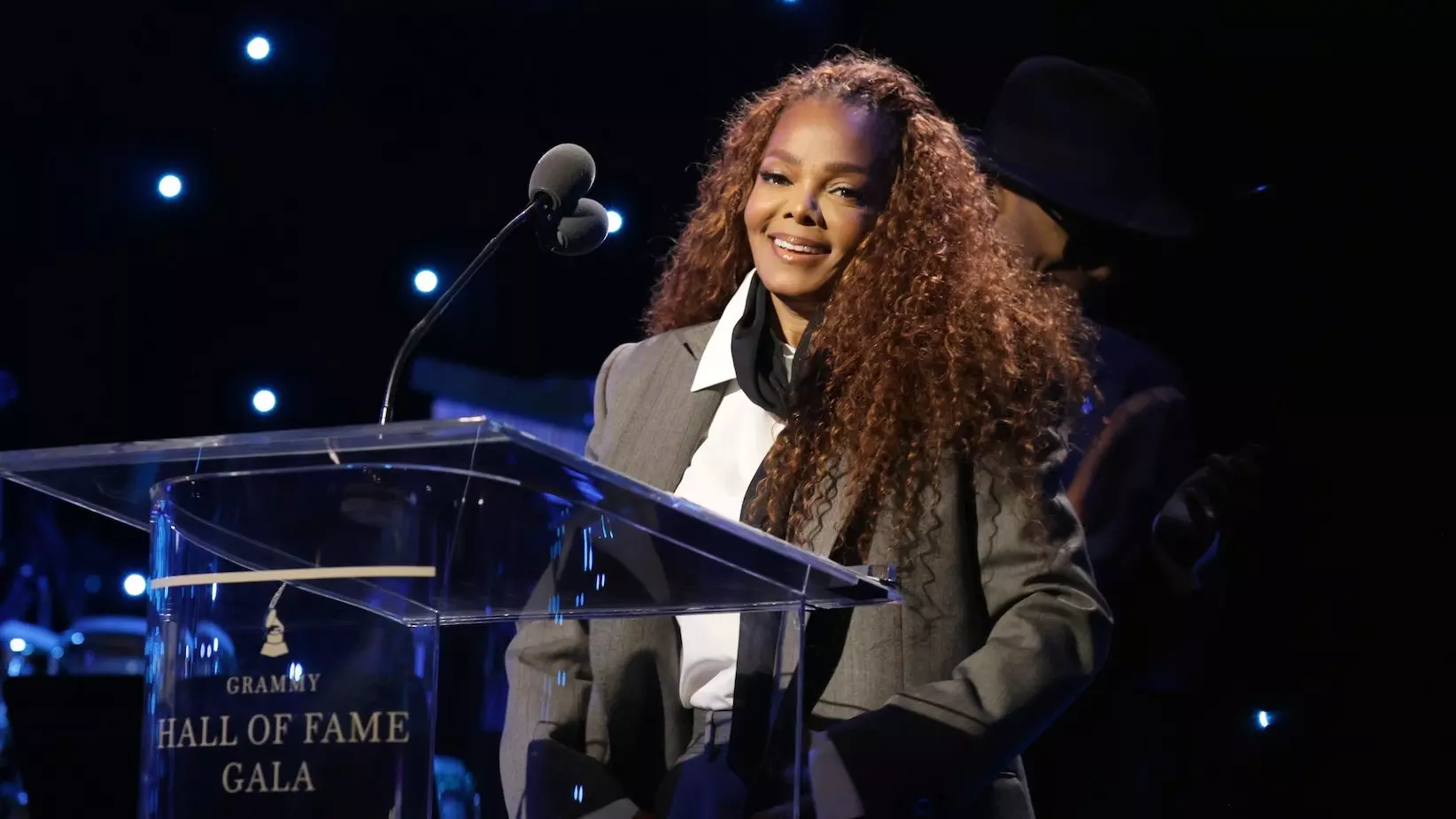

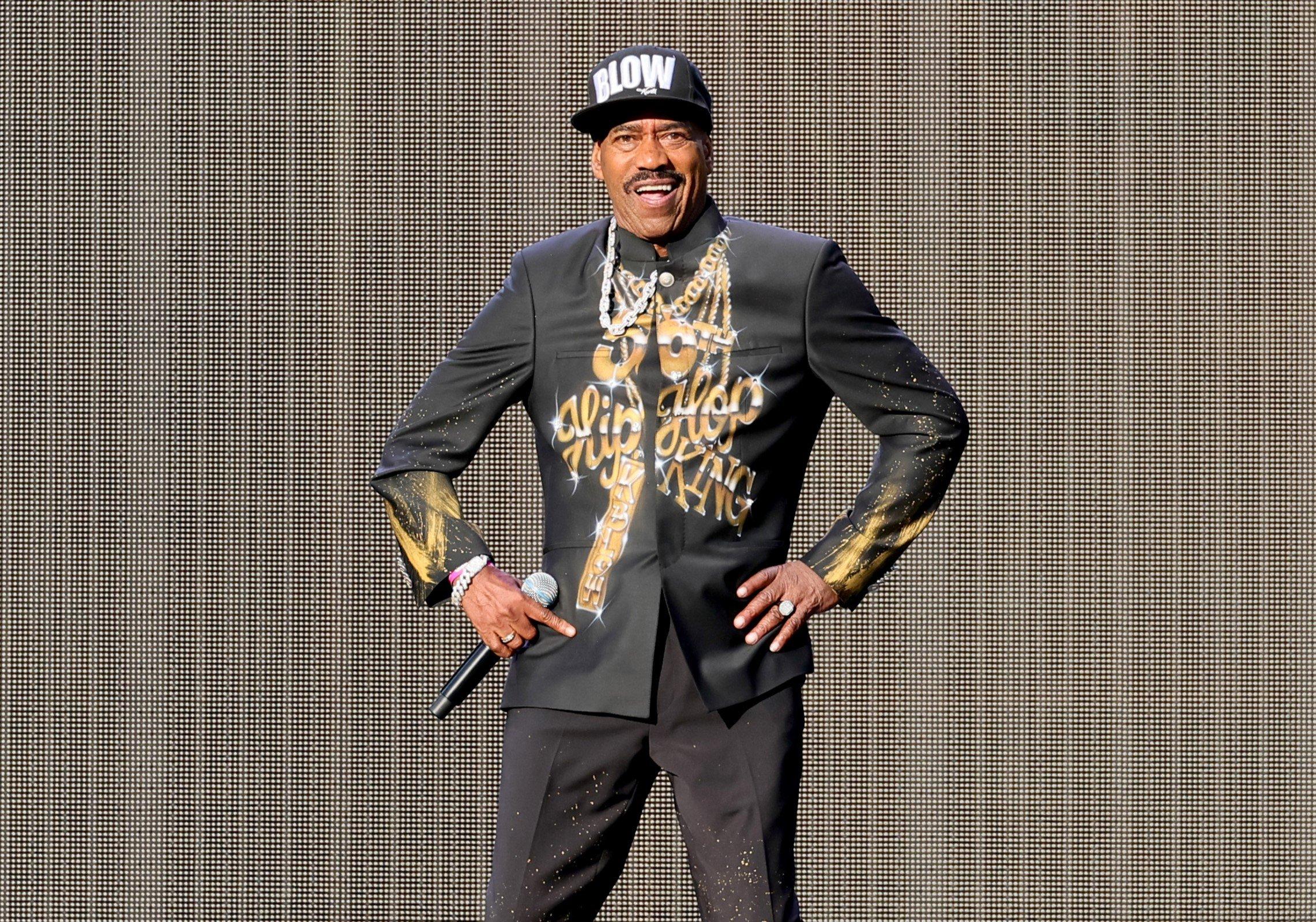
Kurtis Blow
Photo: Theo Wargo/Getty Images
Living Legends: Kurtis Blow On How Hip-Hop Culture Was "Made With Love" & Bringing The Breaks To The Olympics
More than 40 years after he became hip-hop's first commercial breakout star, Kurtis Blow is still moving the culture forward. The rapper and OG B-boy reflects on hip-hop’s rich history, and the impact of seeing hip-hop represented at the 2024 Paris Games.
GRAMMYs/Aug 22, 2024 - 06:18 pm
On the eve of the first-ever Olympic breakdancing competition, hip-hop legend Kurtis Blow was thrilled. It was the first time one of the core elements of hip-hop culture had reached such a global stage.
Alongside DJ Kool Herc (whose breaks provided the soundtrack for B-boys and girls), Blow is credited with popularizing breakdancing. The rapper began breaking as a teenager in the early 1970s, as part of the Hill Boys breaking crew — named for the Sugar Hill area of Harlem where Malcolm X first started his galvanizing pro-Black movement —
And while the International Olympic Committee decided to remove breakdancing from the 2028 Olympics, Blow is unbothered. As far as he’s concerned, his legacy and the legacy of breaking itself is all but set in stone.
"It was definitely something special," Blow tells GRAMMY.com. "And I wasn’t the only one who realized it at the moment it was happening."
Born Kurtis Walker, the Harlem-based Blow began DJing when he was just seven years old. In 1979, the 20-year-old's "Christmas Rappin’" sold over 400,000 copies and turned the up-and-comer into a household name. But it was his follow-up single, 1980’s "The Breaks," that helped launch a whole new genre: rap music. "The Breaks" became the first hip-hop album to receive a gold certification from the RIAA, and proved that Blow wasn’t just a one-trick pony.
Kurtis Blow proved to be immediately influential on the then-nascent rap scene. When Rev. Run of Run-D.M.C. started his career, he billed himself as "The Son of Kurtis Blow" to give him an air of credibility that helped propel the hip-hop trio into the pop culture stratosphere. But Blow's influence didn’t begin and end with his "adopted son": Everyone from Russell Simmons to Wyclef Jean has worked with Blow, and he has been sampled by Nas ("If I Ruled The World" is all but an interpolation of Kurtis Blow’s song of the same name), KRS-One and many others. In fact, more than 100 songs have used samples from "The Breaks," and nearly 1,500 songs have used a sample or an interpolation from Blow’s discography.
Learn more: Essential Hip-Hop Releases From The 1970s: Kurtis Blow, Grandmaster Flash, Sugarhill Gang & More
Kurtis Blow was also one of the first rappers to sign to a major label (Mercury Records) and was the first rapper to be a multihyphenate (in addition to his music, Blow worked as an actor on films like In a Dark Place and California Dreamers, and was the musical coordinator for the legendary hip-hop film Krush Groove). Blow continues to work steadily in hip-hop today, though he eschews the legendary breaking parties in favor of cultural events that offer a new glimpse into the culture he helped create.
To wit, Blow is performing with The Hip Hop Nutcracker, in which Tchaikovsky’s classic score is set to breakdancing and modern hip-hop dance; the emcee will perform a brief set to kick off each show. A nationwide tour kicks off in Southern California in November and concludes at the end of December in Durham, North Carolina.
Kurtis Blow spoke with GRAMMY.com about the importance of bringing breaking to the Olympics, reconciling his ministry with modern hip-hop’s message, and his four-decade legacy.
This interview has been edited and condensed.
Breakdancing has been a huge part of hip-hop culture for many, many years — and it’s long overdue to be recognized on a global scale like the Olympics. What are your thoughts about seeing this movement that you started getting this kind of recognition?
This whole culture that we call hip-hop started back in the 1960s. With the Civil Rights movement, community organizers, and government officials all debating about something so basic: the right to all be seen as equal and free. It was a traumatic time, you know? But we had music that was so relevant to the whole movement.
By the time the late 1970s and early 1980s came along, everyone was trying to escape all of the traumatic racism that was still going on. And music became our escapism. That’s where breaking came in: everyone was just trying to mimic James Brown on the dance floor. You’d see one guy doing his thing, and everyone would form a circle around him. Pretty soon, someone else would join the circle and challenge him. And before you knew it, there was a whole competition — and whoever won became the most popular in the club.
That kicked it all off. To see it recognized on such a large scale just reaffirms, to me, that this hip-hop culture of ours was made with love.
There were breaking films such as 1985's 'Krush Groove' that were completely revolutionary in that it gave everyone — not just those within the culture — a view into the world of hip-hop, and suggested what it could become. At the time, you were becoming the first commercially successful rapper and one of the pillars of what would become the New York sound. Were you aware that you were on the precipice of something revolutionary?
I don’t want to call myself a visionary or anything like that, but I did know that this was something special, because I saw how quickly it spread around different boroughs in New York City.
From Harlem and the Bronx, and then over into Queens, Brooklyn, and even New Jersey, it was amazing to see everyone just gel around that whole hip-hop scene. As I said before, we all needed that escapism, you know? Forget about your troubles, just come and dance.
With me being in Harlem, right down the block from the Cotton Club and that whole mindset around dancing becoming America’s pastime — just coming from that era, where we had to go to the parties to have a good time — [I knew] that we had created something that would outlast us.
Not only did you attend divinity school, but you are also an ordained minister. How do you bridge those two aspects of your life and how do you reconcile being a rapper with being a minister?
That is such a great question, and thank you for asking.
It’s very simple: God is the Creator. God created hip-hop. We have to start with that, right here. God gave us the talent to perform the music; he gave us the passion to want to spread the music to the masses. He gave us the desire to say, "Hey, come take a look at me! God has blessed me with this — can you do this?"
Now, when you talk about the actual elements of hip-hop — that is, the emcees, and the message that we bring — it’s crucial to understand that we are commanded by God to uplift our community and to show them love. This is the actual essence of hip-hop: peace, unity, love, and just having safe fun.
My mission is to believe in the faith that God is real, and God is in the miracle business. I have seen nothing but miracles for the last 45-50 years in this thing called hip-hop. And it’s important to understand that God is in the mix, and we are all blessed by the common denominator known as hip-hop. It should be our mission to get that back.
As for what’s going on today — the nature of the lyrics, the gangster rap, and all the violence — it didn’t really start out that way, did it? And if we can inspire the future for our youth, then we’ve made a difference. Because the future is in their hands, and we need to inspire them.
But, as a counterpoint, times are different today. And what these men and women are speaking to may not necessarily be destructive — rather, there could be a case made where they’re merely being street poets, and telling the reality of life as they see it. What advice would you give to those people who are telling a different story than the one you told all those years ago?
We are called to be these soldiers, warriors, servants, and communicators. So I understand their reality is different, you know? The world is upside down. The kids out there are just telling it like it is. They’re communicating their reality.
But I think that we should not only communicate how it is, but how it could be. And how it should be.
Think of how different it would be if they also gave some inspiration for a positive future: "Yeah, we goin’ through this, we goin’ through that, but with God, you can overcome all of that. With prayer, you can have miracles, and blessings, come down."
Even if you just understand the nature of the reality that we’re going into right now — things like mass incarceration, the drug epidemic, gun violence, the war profiteering off of Black and brown bodies — it falls upon the shoulders of the elders of this community, this hip-hop movement, to inspire and communicate the possibilities to the younger up-and-comers.
They need to understand that they are the product of royalty. They are the descendants of kings and queens of Africa. They need to honor themselves and honor their ancestors, accordingly.
The culture of hip-hop isn’t just about the music. It’s about fashion, slang, cars, the sports — if you think about it, anthropologically, hip-hop is a civilization onto itself. But, as with all things, so much of it has been co-opted and mainstreamed. How do we bridge the divide between the originators and the colonizers?
Only love can bridge that gap between the ages, the races, our government — the diversity of all these different countries — you know, it needs to be all love.
This is what it’s going to have to take for us to change our present reality. And I feel that in hip-hop, that is the key to that future. The OG’s had the right mindset: peace, love, unity, and having safe fun. We need to get back to that.
When you look back on your career and the legacy you leave behind, how do you want to be remembered?
I remember being in divinity school at Nyack College in New York, and the professor asked the whole class the same thing. And I thought about it for a while, you know? I thought about being remembered as a pioneer of hip-hop — an OG breakdancer — a DJ when I was just seven years old — and an incredible educator.
But what stuck with me was being known as a man of God. That’s it. Because that encompasses everything that I have been through and survived. All of my success, and everything you know about me, comes from God — and to God be the glory.
Latest In Rap Music, News & Videos
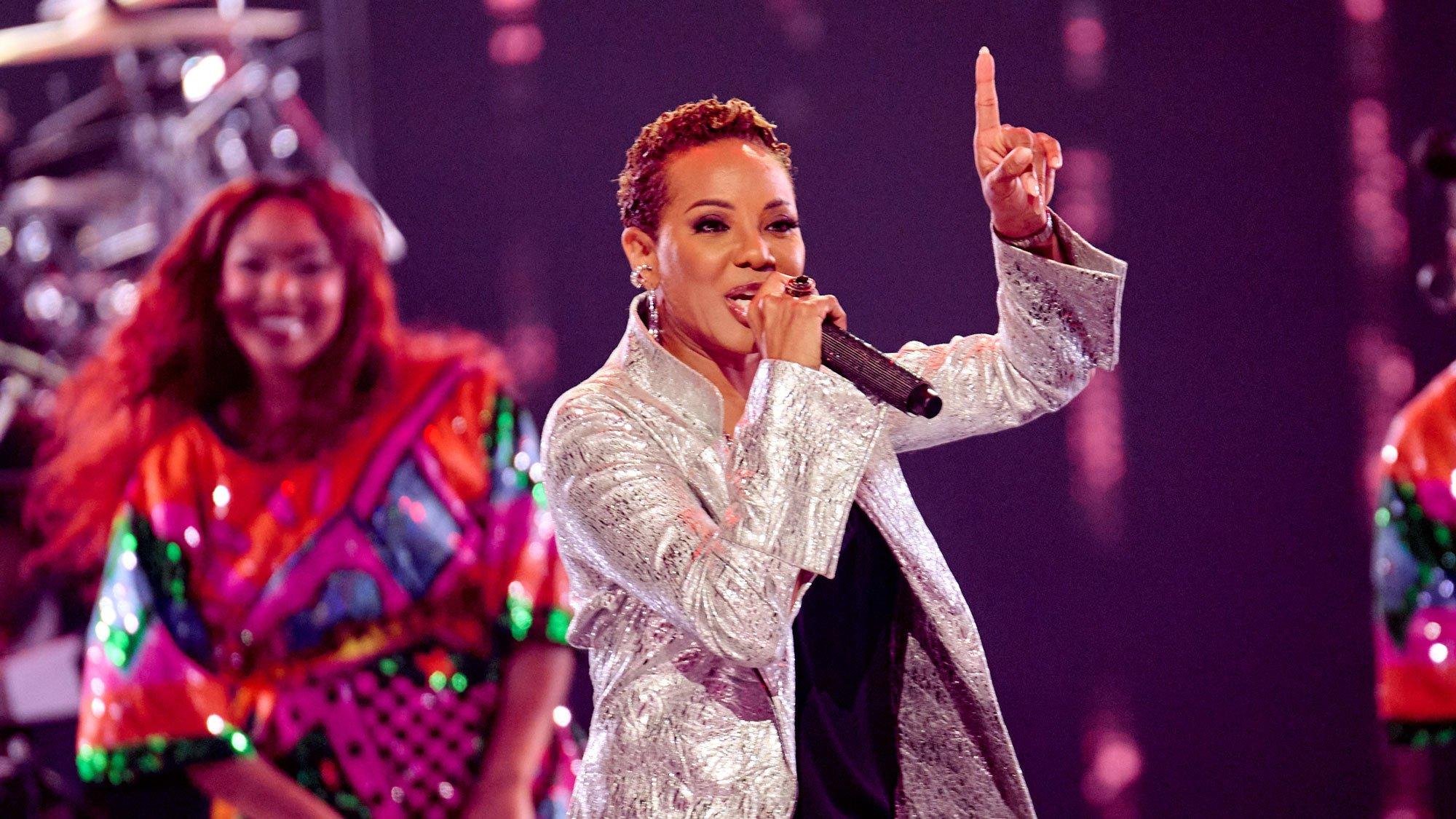
MC Lyte performs at the 2024 Black Music Honors.
Photo: Derek White/Getty Images
Living Legends: MC Lyte On Her New Album '1 of 1,' Building An Empire & Being The Guiding Light
"What I'm saying is real. And it's important," Lyte tells GRAMMY.com on her groundbreaking work and new release, '1 of 1,' featuring Stevie Wonder, Queen Latifah, KRS-ONE, and more. "It's just real talk, and I think we haven't had that for some time."
GRAMMYs/Aug 7, 2024 - 05:33 pm
MC Lyte is hip-hop's original female emcee. Born in Brooklyn, the multi-hyphenate rapper, actor, entrepreneur, and fearless advocate for women is a pioneering force. Nine years since her last album, Lyte is finally ready to release her ninth studio album, 1 of 1, on Aug. 9.
Lyte is celebrated not only for her conscious lyrical prowess, but also for shattering gender barriers. At 16, she released her debut single, "I Cram to Understand U (Sam)," making a poignant statement about addiction in the '80s. In 1988, she unleashed her debut album, Lyte as a Rock, becoming the first solo female rapper to release a full album.
"[Early hip-hop] was so much freedom that we were able to really make a difference," Lyte tells GRAMMY.com. "That's myself with Heavy D and KRS-One and Rakim and all of the greats having the opportunity to use their voices the way that they wanted to use it."
Her 1993 release, Ain't No Other, earned her (and all female solo rappers) two firsts: the first GRAMMY nomination for "Ruffneck," and the first song to be certified gold. In 1996, she struck gold again with Bad As I Wanna B, featuring "Keep On, Keepin' On" with Xscape. Lyte's ability to illuminate powerhouse female voices in music shines through her collaborations with Janet Jackson on "You Want This" and Brandy's remix of "I Wanna Be Down" with Yo-Yo and Queen Latifah.
Earlier this year, she released two singles ahead of 1 of 1: "Woman," featuring Salt of Salt-N-Pepa, Big Daddy Kane, and Raheem DeVaughn in support of Women's History Month, and "King King" featuring Queen Latifah. Other legends on the new work include Stevie Wonder, KRS-One, Common, Q-Tip, Mary Mary, and Muni Long.
Beyond music, she is also a voiceover artist, actress, and active mentor through her organization, Sunni Gyrl, which focuses on artist development and creative services, and co-founded the Hip Hop Sisters Foundation, to promote positive images of diversity.
Learn more: 9 Teen Girls Who Built Hip-Hop: Roxanne Shante, J.J. Fadd, Angie Martinez & More
Lyte has been honored with a special salute at the 2024 Black Music Honors, received the I Am Hip Hop Lifetime Achievement Award at the 2013 BET Hip Hop Awards, and Harvard University's W. E. B. Du Bois Medal. At the Recording Academy, she has served in multiple roles, including President, Trustee, and Governor of the Los Angeles Chapter.
"I think we've sort of permeated every space of entertainment you can ever imagine," Lyte says of the culture in hip-hop. "Never could I have imagined years ago that we'd be here."
Over Zoom from the set location where she plays Detective Monroe in the BET original series "Angel," GRAMMY.com caught up with MC Lyte to discuss the new album, the source of her limitless passion, and her advice for the next generation.
This interview has been edited for length and clarity.
It's been nine years since you released your last album, Legend. What can fans expect from 1 of 1?
It's executive produced by Warryn Campbell, who by far has won his share of GRAMMYs through his own work and through production for others. But just so happens that he's also my pastor.
When we set out on this mission, I knew that I would feel comfortable enough to stay in the new lane that I have created for myself. It's interesting to now be in this space and not only navigate what's new, but also be at the forefront of what is my career. You know, starting at 16, 17, you're doing everything that everyone else wants you to do. You're standing that way. You're moving in that way. You're wearing this.
But this album, because I'm in a different, spiritual place, it felt good to be in collaboration with Warryn Campbell because there was nothing on it [trying] to be something that I was; something that he sees me being. And I think a lot of times, at least in my experience, producers have said, "Oh, we need to do something that sounded like that," or "You need to attack the mic like you did in that song." It's just a bunch of references made to older things.
So, 1 of 1, to me, is sort of a second coming of age. Where I'm able to stay in my truth and also give inspiration to others who are at a point where it feels like they can't get beyond the ridge.
**Your new single "Woman" was released during Women's History Month and "King King" was recently released with Queen Latifah. Who else shows up on this album?**
I made a lot of calls for this album. A lot of people answered the calls. So we've got some really great talent on the record, which I'm really excited about. We've got Common and Stevie Wonder and Q-Tip.
Our leading charge is a song called "Thank You," and that's with Mary Mary and Muni Long. And I just think, for all of the times where I didn't make the call, making a call at this time feels great to have people answer like, "Yes, I wanna do it." We've hit a space with people wanting to engage without, you know, [dollar] signs.
You've always been such an outspoken proponent of celebrating and sharing the experience of womanhood through your music — why is that so important to you?
I do believe having the opportunity to release music shouldn't be taken for granted. And so with that notion, I always, I guess, even from "I Cram to Understand U," my very first song, I always wanted to record with a purpose.
We recorded ["Woman"] before the pandemic, actually. And we knew that it needed to come out for Women's History Month. So if we missed Women's History Month, we had to wait for the next year. That's the type of focus that we wanted to have on that particular record. I think we were able to achieve it, and it's also one of those songs that we don't hear a lot of these days.
To have a song that celebrates women simply — with a wonderful hook by Raheem Devaughn — but then also seeing what's important to the two women that are in the song, myself and Salt, the perspective that we're coming from is in alignment with the way that a lot of women think. So we wind up speaking not just to them, but for them. Then to have Big Daddy Kane say all that he adores about women is just icing on the cake.
Celebrating 50 Years of Hip-Hop
To bring it all the way up to now to "King King," which wasn't really planned to do as let's do a song for women, and now let's do a song for men. It didn't go like that. And when I tell you that "King King" and "Thank You" I wrote in bed at about 1 o'clock in the morning — it was just God downloading the lyrics so quickly. I couldn't even believe it. As I was writing it, I was like, oh my goodness. It's gonna stop. It won't stop.
Having this kind of conviction for your testimony speaks to the spiritual nature of your music. How else does that influence your work?
It brings people together. I think it just falls to me in a space of responsibility. It's not anything that's separate from me. Often I'll let the music lead me. And if I listen to a track, and it's like, oh, this is great. But it doesn't incite power or purpose, I'll put that track to the side. When I'm ready to just rap about nothing or rap about how dope I am, I'll pick that up. But when I'm looking for something that I want a message attached to it, the music literally will lead me into the place where I need to be open to whatever God puts on my heart.
So much of what is said in "Woman" is who I am. And same thing with "King King," it's what I believe. It's the times when I see guys in huge celebrations when they're winning, you know, trophies for basketball, and it is just like one of the most vulnerable moments to see them as they celebrate with their friends. You can see the pain and the anguish and the triumph and the tears. And it just brings chills all over my body.
To see that from these men that usually have to have these hard faces with this stance that's so mighty and strong. That's how I feel about, specifically men of color. No no one knows him. And so I wanted to celebrate them and then also their walk towards responsibility and not shying away from what it means to be in a long lasting, loving relationship.
What about your relationships with men in hip-hop? I know you and Rakim just performed together on the same stage at Rondos Day in St. Paul, Minnesota.
The interesting thing about Rakim, he's probably one of the emcees I know the least about, on a personal level. But yet, whenever we're in one another's company, we have such a high level of admiration and adoration for one another. It feels like we know one another really well. I really give honor to that. However, there are others like Biz Markie and Heavy D and Chuck D and KRS-ONE. These are my big brothers in the business.
Those are people that would just call me and say, "What is going on? How are you feeling?" Or they'll see some performance… That's Big Daddy Kane. He's gonna tell me, "I like what you was wearing on there," or "I like the energy." It's all of these moments where I am the little sister. You know, they've seen me grow up in this business. And many times over, they've assisted in some capacity.
It's so funny how many layers, relationships exist within hip-hop, and you may not know it because you don't see it. But we know that, you know, that connection is real.
Has your songwriting or creative process evolved through the years?
Yeah. Absolutely. There's a few things that have happened. One, when you're in the spell of writing, stay there. When I was younger…you leave a song open ended to have to try to find the same sentiment days later. And it may not be there. And so [I've learned] to stay still during the writing process. And then I've also learned much more melody than usual.
Coming from New York, we have a way of wanting to put all the words that we can find to show how dope and how advanced we are as emcees. And I think for me to be able to slow down on this record and find melody and nuances that weren't as important to me before, I think that it really benefited me with this record, and that's where I will give the credit to Warryn to push me.
I remember long ago, I was talking to Nelly, and I was about to embark upon a new album. It might have been 14 years ago. But what Nelly began to explain to me, is that "I lived in New York for a summer, you guys moved so quickly. It's no wonder you all rap like that." He said, "Where we're from, we're driving to our destinations." I think that was brought to the forefront for me here with this album. I'm not in a rush. I don't need a lot of tricks with what it is that I'm saying because what I'm saying is real. And it's important. I don't need a lot of influence. You know, I'm simply speaking. It's just real talk, and I think we haven't had that for some time.
You live in Los Angeles now, but do you get back to New York?
I've lived in Brooklyn. I've lived in Manhattan. I've lived in Queens, and I've lived in Jersey. And then I came to California. I've been in California for some time now. But I go back and forth often enough that I don't really feel like I'm missing anything. I'm going back this first week of August, which is pretty exciting, doing a lot of press for the album, and then also, performing at Wingate Park, which is where I attended high school.
**Speaking of, where are we going to see MC Lyte performing soon?**
I'm on the Queens of R&B tour. So we did Atlanta, Charlotte, New York, and then Madison Square Garden. There's going to be a show [in Los Angeles] at the [Kia] Forum. Cincinnati Music Festival, I'm performing out there, and I'm doing "King King," bringing them, you know, some new music at the same time, which is pretty exciting.
You also have a full plate with your other endeavors: acting, voice overs, mentorship. Do you get fuel from these different activities to inspire the other work you do?
Absolutely. I'm actually on set now. I played detective Monroe in a [BET] show called "Angel." I'm on set all week with this.
We have a full fledged production and management company [Sunni Gyrl]. Right now, our premier talent is Van Van, who is an internet sensation turned actor, recording artist. She's actually 5; she just released her first album. She also plays a character called Vancy with Snoop Dogg on Doggyland.
We've got other talent, gospel singers, Dave Hollister. And then production wise, we had a sitcom that I wrote ["Partners in Crime"], and we did some really great things with that with AMC. And now we've got a few deals around town with different projects, TV shows, cooking shows, competitive shows. I just signed on to be music supervisor for a short film called The Memo, by a new company called A Seed Productions and it's pretty powerful. I'm looking forward to all that comes from that.
But, yeah, each day it's a different hat. It makes it completely exciting.
What drives you to continue to commit yourself to mentorship and fostering new talent in the next generation through all that you're doing through Sunni Gyrl?
It just feels it feels like the right thing to do. I don't know any other way. And it's crazy because I meet people all the time that had met me at a younger age. And they say to me, "You said this to me and that really mattered at that time. I wanna tell you what it did for me."
My close friends would call me grandma because I'm always imparting something that can be used later — and I don't even know that I'm really doing it. I'm just talking. It's just the idea of never being afraid to share your weaknesses and your shortcomings. Just being an open book to help someone else get to the next step, the next phase.
There have been some autobiographies that I've read throughout time, and you know the ones that are just ink on the page. And you know the ones that had to see past their tears to actually write it. And that alone is what brings people closer to you. It's the human bond. And if you're willing to just be that open book, so many people can learn from what it is that you're saying. And it may not even be what you're saying. It could be the cornerstone for them to go get the knowledge or, you know, educate themselves about something completely different. I think as an emcee, I have to really be in tune with the power that I have and that words are powerful and have meaning. And so why not use them, responsibly and purposefully?
Can you tell me a bit more about the importance of listening? And have you always felt like a good listener?
No. Even now, it's still a struggle with me. You know, acting is all about listening.
I think a lot of times [what] we do in life is we take the part that incites some sort of reaction, and then we don't even pay attention to what was said before or after. For me, it's important that I slow down in order to listen. Because first off, I'm quick. And so are a lot of other people.
I've tasked myself each and every day with slowing down enough to listen.
Listening during acting has taught me how to listen in life. And that not everything said deserves a response or requires a response. It's the admittance of not knowing that's humbling.
How do you find the energy? What is the source of this well that you're continually pouring from?
The source: God. That's all I can attribute it to, because it's certainly not me. I just allow myself to be used as the vessel to get the thing done. It's a part of the dream. So while I'm doing it, I'm just grateful like, wow. I asked for this. Oh, yeah. And I asked for that. And so I only ask that God give me the wherewithal to handle it as it comes and also to say no to the things that I just don't have time to do and don't fulfill the ultimate goal.
What artists today are you excited about or you're listening to?
I love what Common and Pete Rock are doing right now. Rapsody, Tierra Whack. I listen to a lot of people in terms of Kendrick, in terms of Drake. And, I listen to Tems.
I just hope that the new artists coming in today find their strength at an earlier turn than a lot of us.
A lot of times, I believe artists understand who they are much more when they've gone out into the world and understand how blessed they are to even be in the position to speak their minds. There are plenty of places where not just women, but anyone who wants to speak out against the system, or disagree with a certain politic, or a political stance, or political agenda [cannot].
What other advice would you give a younger you or artists coming up now?
Surround yourself with people that have your best interest. And when you're young, you don't really know who those people are. But I would just say what you see, believe it. And you can see things much better than what you're told. Because people lie. Unfortunately, if everybody told the truth, then I wouldn't have to advise you to watch people show you much better than they tell you anything.
There's always room for improvement and to stay focused on what it is that you started out with. Because many times, there will be distractions. There will be distractions along the way, and you wanna make sure that you reach the intended goal. And know what you're in it for.
LISA from BLACKPINK
Photo: The Chosunilbo JNS/Imazins via Getty Images
New Music Friday: Listen To New Songs From LISA From Blackpink, Lil Nas X, Kelsea Ballerini, MC Lyte & More
Hot summer days require even hotter tunes. Here are some fresh-out-the-oven songs and albums by Hiatus Kaiyote, Lucky Daye, Headie One, Kaitlin Butts, and more.
GRAMMYs/Jun 28, 2024 - 05:09 pm
We’ve been feeling the heat for a minute now, but summer is finally, officially, upon us.
What do you have on deck to soundtrack it? Perhaps you’re checking out Camila Cabello’s fourth offering, C,XOXO. Or Jxdn’s expectations-bucking new album, When the Music Stops. And there are so many other worthy candidates for your playlist — from Lupe Fiasco’s Samurai to Omar Apollo’s God Said No.
No matter where your stylistic compass points, this Friday release day has got something for you. As you gather your sunscreen and shades, let’s breeze through a cross-section of what’s out there.
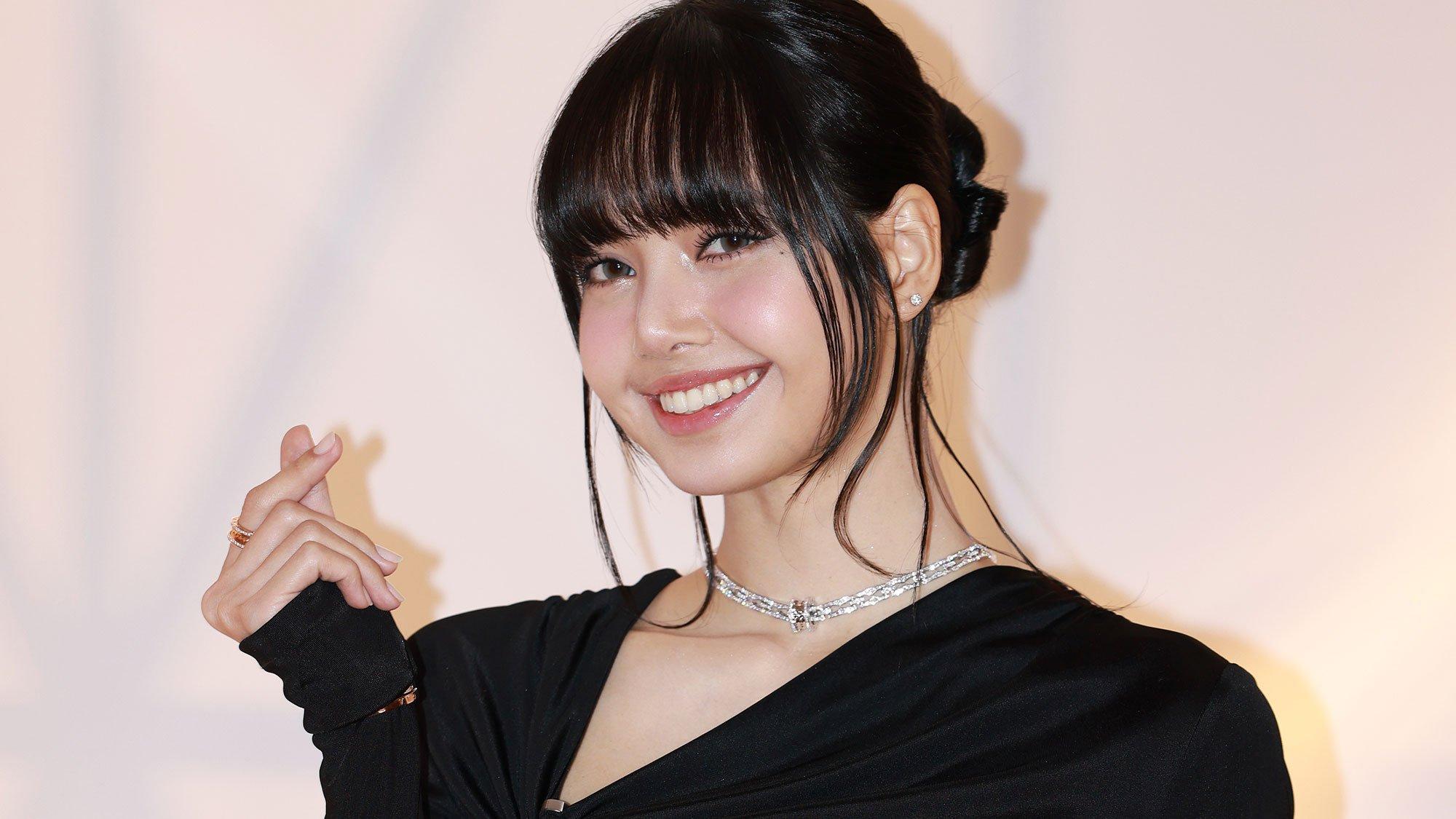
K-pop loves its solo releases, showcasing how the various members of a group can shine individually while combining with ecstatic chemistry. Enter LISA, one-fourth of Korean titans BLACKPINK, who's already turned heads with her 2021 debut album, Lalisa.
"Rockstar" is another swing outside her main gig, featuring serrated chiptune production and LISA's commanding rap flow. The gritty, urban, futuristic video is a visual treat, and the chorus's boast of "Lisa, can you teach me Japanese?" is a multilingual flex — as well as a maddeningly unshakeable earworm.
The "Peter Pan" heavyweight and four-time GRAMMY nominee Kelsea Ballerini has called 2024 "a new chapter of music." Her collaboration with folk/pop singer/songwriter Noah Kahan, "Cowboys Cry Too," is the tip of the spear.
More than a month after the pair performed together at the 2024 Academy of Country Music Awards, their first recorded team-up is an aching, yearning ballad about breaking down a gruff exterior and revealing true emotions.
"Cowboys cry too/ They may not let 'em fall down in their hometown thinkin' they still got s*** to prove," Ballerini sings in the chorus. "That well runs deep/ But when he's showin' his skin, lettin' mе in, that's when he's toughest to mе."
"So excited to release the best song of all time this friday!," Lil Nas X proclaimed on Instagram. (And on a Beverly Hills Cop soundtrack, no less!)
"Here We Go!" comes at an inflection point for the "J Christ" singer: "sorry I've been so scared with my art lately," he added in the same post. "I'm coming around to myself again. I will make you guys very proud."
This pro forma banger certainly inspires pride: tenacious lines like "I'm livin' and livin' I wanna die/ They tryna get even/ I'm beatin' the odds" will get under your skin. As for Beverly Hill Cop: Axel F, the Eddie Murphy joint will whiz to your screen July 3 via Netflix.
Lucky Daye picked up a win for Best Progressive Album at the 2022 GRAMMYs, for Table for Two. After a slew of nominations for work with Beyoncé and Mary J. Blige, he's investigating the Algorithm.
The single "HERicane" was just a teaser, with songs like "Blame," featuring Teddy Swims; "Paralyzed," featuring RAYE;" and "Diamonds in Teal" expanding on and honing his soul-funk-R&B vision.
"Don't know pickin' sides/ 'Cause I'm rollin' in desire," he dreamily sings in the gently roiling "Diamonds in Teal." "I don't know which lie's true/ Or maybe I do, or maybe I'm you." It's a suitable mission statement wrapped in a stealthily seductive package.
A jazzy, soulful, psychedelic band of Aussies, Hiatus Kaiyote has been wowing audiences for more than a decade. Whether through sampling or features, they've crossed paths with Drake, Anderson .Paak, and Beyoncé and Jay-Z.
Love Heart Cheat Code builds brilliantly on their last three albums: their 2012 debut Tawk Tomahawk, 2015's Choose Your Weapon, and 2021's Mood Valiant. Tracks like "Telescope," "Everything's Beautiful," and "Make Friends" are burbling brooks of atmosphere, groove and vibe.
Any fans of deep, pungent funk grooves should investigate Boulevards immediately. The project of mastermind Jamil Rashad, their new album Carolina Funk: Barn Burner on Tobacco Road tips its hat to yesterday's funk with a contemporary twist, bringing a refreshing spin on the well-trod template of syncopated basslines and stabbing horns.
Across highlights like "Do It Like a Maniac Part 1&2" and "Run & Move," Boulevards shows — once again — that few can nail this gritty sound quite like Rashad and crew.
British drill-inflected MC Headie One first made a splash overseas with his 2023 debut album, Strength to Strength. Less than a year later, he's returning with The Last One.
Back in 2022, he hinted at the existence of his sophomore album in his non-album track "50s" — "The fans calling for 'Martin's Sofa'/ It might be the first single from my second," he rapped.
Helmed by that single, The Last One features Potter Payper, Stormzy, Fridayy, Skrillex, and more. The album is a leap forward in terms of production, scale and exploration.
Any theater kid worth their salt knows at least a few bars from the musical "Oklahoma!"; country sensation Kaitlyn Butts has just unfolded it into an entire album.
"It's a love story but there's also a murder and a little bit of an acid-trippy feel to it at times; it's set in the same place where I come from," she said in a statement, noting she saw "Oklahoma!" with her parents every summer during childhood. "Once I got the idea for this album," she continued, "I couldn't believe I hadn't thought of it before, and it turned into something that completely encompasses who I am and what I love."
A laugh riot as well as a colorful, openhearted statement, Roadrunner! does the old Rodgers and Hammerstein chestnut good.
Read more: 5 Female Artists Creating The Future Of Country Music: Jaime Wyatt, Miko Marks & More
Futurist Afropopper Amaarae made a gigantic splash with her second album, 2023's Fountain Baby — even Pitchfork gave it their coveted Best New Music designation.
That lush, enveloping album just got an expansion pack: roses are red, tears are blue — A Fountain Baby Extended Play is a continuation of its predecessor with six new songs. The oceanic "wanted," featuring Naomi Sharon, is a highlight, as is a remix of "Disguise" with 6LACK.
"Ooh, I'll be wanted/ I've been wanted," a pitch-shifted Sharon sings near the end, as if turning over the phrase. "Wanted" is one way to describe Amaraae's position in the music landscape.
Learn more: Meet The Latest Wave Of Rising Afrobeats Stars: AMAARAE, BNXN, Oladapo & More
The 50th anniversary of hip-hop may have come and gone, but hip-hop is forever. Today, legendary hip-hop pioneers MC Lyte and Queen Latifah continue to bear the flame of the genre as an elevating force with "King King," a conscious, uplifting offering.
"This is dedicated to all the kings and all the soon to be kings/ We're counting on you/ We love you/ This is for you, you and you and you," MC Lyte begins, while Latifah holds it down on the chorus with "This your crown hold it/ Even if it all falls down show it/ You know the world is watching now I know you get tired from keepin' it all together/ We need you."
During Women's History Month in March, MC Lyte released "Woman," the first single from her upcoming album, featuring hip-hop icons Salt (of Salt 'N Pepa), Big Daddy Kane, and R&B singer Raheem DeVaughn. MC Lyte's first new album in nearly a decade drops this summer; keep your eyes and ears peeled.
Learn more: 9 Teen Girls Who Built Hip-Hop: Roxanne Shante, J.J. Fadd, Angie Martinez & More