
Courtesy of Real Thing Records
Inside Real Thing Records: Coca-Cola And UMG’s Ambitious New Label For Global Music Creators
Joshua Burke, the Coca-Cola Company’s Global Head of Music & Culture, discusses the new label’s ambitious goals — from its plans to champion authenticity, creativity, and community, to the ways Real Thing Records will reshape brand-artist collaboration.
GRAMMYs/Jul 15, 2025 - 09:35 pm
In a bold new step that merges music, culture, and global influence, The Coca-Cola Company has partnered with Universal Music Group (UMG) to launch Real Thing Records, a new imprint within UMG’s roster which is built to give a platform to the next generation of global music talent.
The ambitious venture marks an evolution in Coca-Cola’s longstanding legacy in music by teaming with UMG’s renowned expertise in artist development to create a space that aims to be more than just your average label but rather a space that puts an artist at the center by elevating authentic, emerging voices from around the world and investing in their creative journeys.
"It’s fair to say that the Coca-Cola Company set a very high bar very early on when it comes to achieving excellence in music and music marketing. As a matter of fact, the Coca-Cola Company will always hold the distinction of being the first brand to create a song for an ad that went viral — or charted in real life and culture — with 1971’s iconic ‘Hilltop’ commercial featuring the song ‘I’d Like to Buy the World a Coke’," Joshua Burke, The Coca-Cola Company’s Global Head of Music & Culture, tells GRAMMY.com.
"It was a big hit — so big that it was even used in the finale of 'Mad Men,'" Burke continues. "So, as someone who is a representative of the Coca-Cola Company and fortunate enough to work on music and music programs every day, we carry a massive responsibility to ensure that we are always pushing the needle forward in what’s possible with brand marketing and music. That means we need to take big swings."
French New Zealand artist Max Allais and Indian singer/songwriter and producer Aksomaniac are Real Thing Records’ first signees, and both capture the label’s ethos: ambitious, original, and rooted in personal expression with global resonance. Their upcoming releases will offer a first glimpse into the label’s vision as a future-facing space where artists are empowered to develop their identities and engage fans on a deeper level.
Speaking about the ethos of the label, Burke shares: "Young artists today face a noisy, saturated landscape. Music is more democratic than ever, but cutting through is harder. The ethos of Real Thing Records is to champion artists at any level. We don’t care if you have one follower or one million, recorded at Abbey Road or in your bedroom. We support artists who are the real thing — authentic, with a point of view, a good heart, great music, and, most importantly, a strong relationship with their fans."
GRAMMY.com sat down with Burke to discuss why partnering with UMG felt like the right decision, how Real Thing Records will be a unique and modern label putting artists first, how they plan to prioritize diversity and what the ultimate goal of the label is.
What inspired Coca-Cola to launch its own record label, and why was Universal Music Group the right partner?
The Coca-Cola Company — across all of our brands and portfolio — has an ethos anchored in community building: bringing people together, connecting humans, and celebrating creativity and authenticity. Music is no exception.
We often work with major artists like Karol G or Jon Batiste — people with incredible accolades and global followings. But what makes Coca-Cola special is our long-term dedication to emerging artists and music communities. We use the power and scale of our organization to support the next generation of talent and make the world a more musical place.
Universal Music Group — our long-time partner with a global track record of bringing music to global audiences and having expertise in supporting artists — was the perfect fit to help us build and launch Real Thing Records.
How does Coca-Cola complement UMG’s traditional label role?
Real Thing Records is an imprint of Universal Music Group, built to create a new kind of label model, one where the output is greater than the sum of its parts. It combines Universal Music Group’s global music expertise with the reach, scale, and marketing machinery of the Coca-Cola Company. The whole premise is to bring the best of both worlds to support and develop talent.
What we offer is a supercharged platform — combining the strengths of Universal and Coca-Cola to help artists break through in unprecedented ways. On our side, Coca-Cola activates a global network of partners and customers, giving artists access to marketing channels and opportunities they wouldn’t normally have.
However, it's important to note that there is no requirement for any of the artists who work with us to be a part of a brand campaign.
I imagine some people may assume that would be the first thing Real Thing Records signees would be required to do.
We're not signing artists to be ambassadors of our brands. We're investing in music and music culture, for music's sake and for these artists, and if and when the opportunity strikes, where these artists may be a good fit for one of our programs or one of our campaigns that will be up to them, and it would be in partnership with something that would drive value for them.
Real Thing Records is not a campaign or a short-term brand blip or brand platform. It’s a long-term investment in music and music culture for the purpose of growing our equity with emerging artists and emerging communities all over the world.
We believe we are one of the first ever truly global record label imprints with the ambition of operating all over the world, versus being tied to one genre or one location.
How will you deliver on your goal to champion emerging artists?
It’s a big goal. We really want to make an impact and take a big swing in a way that unlocks the value Coca-Cola and Universal Music Group can bring together — not just for the artists we’re signing, but also for their fans.
We understand this initiative is extraordinarily ambitious, and because of that, we’re walking into it with eyes wide open. We know that for it to succeed, we have to leverage the strength of all our partnerships and the expertise of many people across both organizations.
Like anything in life, you get what you put into it; we know we need to pour a lot of love, care, and passion into it for it to succeed. We're committed to making it work over the long haul, staying humble and open, learning from experts, and listening to the community to build something truly valuable for the artists and their fans.
Will Real Thing Records release full albums and EPs or focus more on single-driven, campaign-based releases that align with specific cultural moments?
All of the above. We’re not limiting ourselves to one model. There are more ways than ever to release music, and we want to stay flexible. Cultural moments — whether an occasion or campaign — can be powerful launch points. Each release will be case-by-case, based on what’s right for the artist and the moment.
Real Thing Records has been described as "genre-agnostic" and globally focused. How will Real Thing Records authentically amplify diverse voices?
Diversity is extremely important to us with Real Thing Records because we understand that if we’re going to operate with the ambition of being a global record label imprint, we have to make a deliberate effort to elevate voices from different backgrounds, cultures, communities, and potentially different generations.
We’re actively looking in various markets and countries around the world to create an initial roster of artists that represents a cross-section of humanity — a true tapestry of what modern music looks like today.
With so much emphasis on artist authenticity and cultural resonance, how will Real Thing Records balance brand goals with the creative freedom of the artists you sign?
Like Universal Music Group, Real Thing Records is an artist-first label. The creativity and voice of the artist are most important to us. From a marketing and Coca-Cola perspective, we champion authenticity and creativity in communities. We work with artists to build their voice and tell honest stories, so any campaign partnerships are authentic end-to-end.
Marketing-wise, we gain more by working authentically with artists. We prioritize championing their voice, creativity, and vision. Our brand philosophy centers on inclusivity, community, and bridging divides. We partner with artists who share these values, ensuring our brand and company values are positively reflected.
Beyond music production, what kind of support or resources will artists on the label receive to develop their brand, identity, and audience?
Artists come to Real Thing Records with different strengths and needs. To support them, we offer a robust list of value-adds and benefits they might not otherwise access, including global partners in sports and entertainment.
The Coca-Cola Company provides artists with marketing experts to help strategize their personal brand and connect their music to the world. We have strong partnerships with music venues and festivals — some we own — giving artists chances to perform globally.
A big thing to note is that the revenue the Coca-Cola Company generates from Real Thing Records will go back into the label, supporting the art, artists, and music we aim to elevate daily. There’s much value here beyond traditional support.
What made Max Allais and Aksomaniac the perfect candidates to become the first two artists signed to Real Thing Records?
We’re very proud to partner with Max Allais and Aksomaniac. Launching Real Thing Records with two artists who bring very different musical styles and represent distinct cultures and genres perfectly captures the global spirit and vision we want to bring to music fandom and community.
Max Allais was our very first signee — a truly incredible human being. Humble yet immensely talented, he’s built a passionate and engaged social following by connecting honestly and authentically through his music, which resonates across borders.
Aksomaniac is finishing some exciting releases with Def Jam India, and we’re thrilled to welcome him to Real Thing Records later this year. Both artists embody the creativity, authenticity, humility, and community-bridging values that Coca-Cola stands for, making them the perfect first voices for our label.
How will decisions be made around which artists to sign? What criteria or values will Real Thing Records prioritize beyond musical talent?
We're looking for artists who have a genuine dedication to their music and their craft. We can take a few more risks in terms of the types of artists that we sign since we are not linked to a specific genre or culture. So, we’re looking for artists who are the real thing, artists who are open-minded and are willing to be collaborators and think differently about how their music is brought to the world. We are looking for creatives who are willing to partner with something new, innovative, and groundbreaking – and that might not be for everyone.
For any artists who feel like they may be a perfect fit, you can follow us on Instagram, @realthingrecords. We also have a website. We are monitoring those two platforms, so reach out to us there.
So, no PO Box to send tapes and CD demos?
No, but that'd be awesome. I would love that. If people were to send me a cassette tape, I would 100 percent go on Amazon or something and buy a Sony Walkman to listen to it.
How do you see Real Thing Records evolving over the next 5 to 10 years? Could it expand into film, immersive experiences, or even live events?
We have set a very ambitious goal for ourselves from the start with Real Thing Records, and while we have the power and weight of two of the largest companies of our kind in the world, we are operating essentially as a startup within these two global businesses.
Right now, we are laser-focused on adding value to the artists that we are initially bringing on board and how those artists translate and how we can make a positive impact for those artists. Five to 10 years from now, who knows? I just want to focus on right now.
Do you see Real Thing Records influencing the broader music industry by setting new standards for brand-artist collaborations?
I hope so. Real Thing Records isn’t starting with the ambition to change how brands work with artists. Our primary goal is to authentically elevate artists by combining the traditional record label power with the reach of a global brand like Coke.
That said, my hope is that other brands begin to see artists as collaborators, not just campaign assets they pay for and move on from. As marketers today, we have a responsibility to work with the music industry and artists for mutual benefit to fans and consumers.
If Real Thing Records inspires a better value exchange between artists, music, and brands, lifting both simultaneously, we’ll have done more than we set out to do.
Latest Recording Academy News & Initiatives

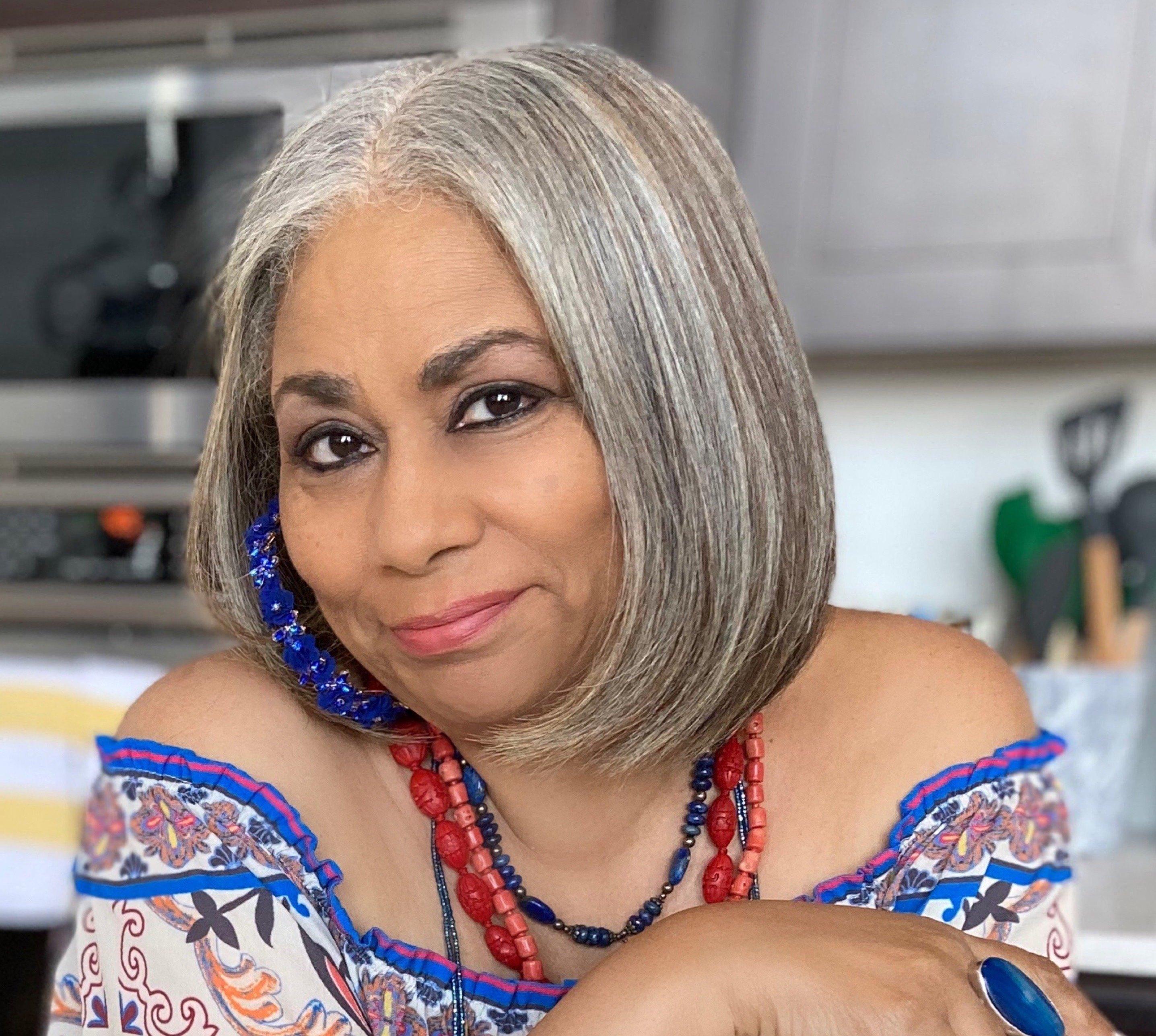
Dyana Williams
Photo: Caliph Gamble
Dyana Williams On Why Black Music Month Is Not Just A Celebration, But A Call For Respect
The radio legend and Black Music Month co-founder tells GRAMMY.com about the plight to make the month official and who she admires in music’s new generation
GRAMMYs/Jun 10, 2021 - 01:02 am
Black music is the foundation of the music industry, and Dyana Williams isn’t going to let you forget it. Born in the Motown era, the music journalist and veteran radio personality’s musical love affair began by listening to predominantly Black, New York-based radio stations like WABC and WWRL. The Bronx native started building the blocks of her legend status in the early ‘70s, beginning with her first radio gig at Washington D.C.’s 96.3 WHUR in 1973, where she fused her love for jazz with R&B and reggae. When she moved to WRQX-FM in 1978, she made history by becoming the first Black woman rock DJ.
At that time, radio personalities were non-existent, and Williams had to program music she did not feel belonged to her. "I distinctly remember my first show at WRQX: five hours of playing music that was not culturally mine,” she tells GRAMMY.com over Zoom. “I knew some of it, like James Taylor and Carly Simon, because obviously, I listened to the radio growing up."
The job, Williams says, made her more well-rounded as a DJ in the industry, but she wanted to do something to amplify Black music. Williams’ yearning led to the birth of Black Music Month in 1979. Co-founded with radio DJ Ed Wright and her former husband, Philadelphia soul legend Kenny Gamble, the month is meant to be a vibrant celebration of all the genres that thread America’s cultural fabric. But the month also educates and provides resources for those wanting to learn more about Black people’s impact on the industry, which has led to Williams serving on the board of Nashville’s National Museum of African American Music.
"Black music should be celebrated every single day, but it's a concentrated period of time for us to observe the legacy, and mothers and fathers, many of whom never got paid properly or recognized or credited for their contributions," Williams continues, noting that Black music educators, writers and journalists should be celebrated, too. "It is an economic engine for America to the tune of not a million or several million, but billions of dollars."
At the end of the day, Williams just wants credit where it’s due. "[Music] is one of our greatest exports. That's how we need to look at it,” she says. “I want us to be celebrated. I want us to be respected. I want us to get what we rightfully deserve."
GRAMMY.com spoke to Dyana Williams about the origins of Black Music Month and why Black creators still deserve a big chunk of the industry’s money pie.
This interview has been edited and condensed for clarity.
What are your thoughts on how the new generation, including myself, are interpreting Black Music Month?
I love them. My core business is artist development and media coaching. So I work with a lot of young artists. That's how I saw your Saweetie article in Harper’s Bazaar. I was working with her around that time. I have great regard for artists like Elaine, Joyce Wrice, Masego, Giveon, Lucky Daye, who I worked with as well. Jazmine Sullivan, one of my clients from Philly. I met her when she was a little girl and now she is all grown up and she is bringing it, okay?
We missed her voice so much.
She needed a break. Sometimes it can be daunting, the industry and the expectations and all of that stuff. I'm a huge H.E.R. lover, I was listening to "Damage" last night. H.E.R. to me, [is] very important because she's a musician as well. She's a songwriter, producer, just [won] an Oscar. She's going to be a GOAT probably before it's all over. But she represents the finest of what young people are doing and [how they are] paying homage. I love the artists of this time that recognize what transpired before them. Now there’s some artists who have no reference. They have no foundation. And probably we'll just hear about them for a quick flash and then they're gone. I'm interested in the artists that are going to have —like with H.E.R.—a legacy that they will be able to leave for the next generation.
What was it like being on the radio in the ‘70s? It’s not as prevalent anymore because of streaming.
Well, my experience in the '70s was heavenly. To have the opportunity to program music was a wonderful opportunity for me to learn matching sounds and vibes and energy. Plus, I interviewed everybody, and I was on the radio in the nation's capital when it was Chocolate City—so any and everybody that came in to perform at Howard [University] and at the Capital Centre. One of the big first concerts I MC’ed was in the Capital Centre, it was Curtis Mayfield. I mean, major acts. I MC'ed Earth, Wind & Fire. Richard Pryor was their opening act. It was wonderful because I got an opportunity to not just play the music, but to speak with the people who were creating all of this innovation. At that time in the ’70s, we had a lot of bands: the Ohio Players, Parliament-Funkadelic. It was exciting for me. I was a young girl. I was 19.
I know you went to Philly in 1980. Was it just a next career move?
No, actually I fell in love with Kenny Gamble. [Laughs.] Initially, when I left BLS to go on maternity leave with our first son Caliph Gamble, I moved back to DC for a period of time and then moved to Philadelphia full time in 1980. At that time, I was blessed to hold down a spot at WDAS, which is the heritage station and very similar to WBLS in New York in terms of the adult contemporary format. Not only did we play the current music of the day, but we were entrenched in the community. And for me, that's everything. I'm the radio personality who’d go to the senior citizens’ home, the daycare center, the church, wherever I was invited in the community to talk about music. I would always do and still do to this day.
Even before Black Music Month was formed, I read that you initially co-founded the Black Music Association chapter in Philadelphia, is that correct?
Well, here we go. The Black Music Association was founded by my ex, Kenny Gamble. We were a couple, we lived together so I became a member of the local chapter and I was in the leadership. However, it is Gamble’s conception. We went to the White House for the first Black Music Month event on June 7th 1979. We sat with President Jimmy Carter and his wife, Rosalynn.
But years later, I was producing a celebration[ for] Black Music Month [in June]. I wrote to Bill Clinton: "Can you hold some similar events?" The White House said, "Well, we see that President Carter hosted the Black Music Association. We know that you were his guests." But he unintentionally did not write a presidential proclamation, which would've meant that every president following him would have done similarly.
What was your reaction when you heard that news?
It was official to us because we were the creators. For all those years, there were activities around the country. We celebrated it in Philly. So, when I got that piece of information from the White House, I was blown away and shocked. But as far as the American government and American presidents are concerned, it did not become official until I was asked by the White House to go get legislation. I remember I called Gamble: "Can you believe this?" It just gave a higher level of official recognition or celebration. It's just like Juneteenth. Black folks have been celebrating Juneteenth for a long time, but now it's becoming more in vogue and more well known.
So 2000 was when the bill passed?
To be recognized by Congress and the American people is right, but I had been petitioning for several years. I had even written an op-ed, in Billboard, about why it was significant for us to celebrate it. So yeah, several years of me knocking on congressmen and senators’ doors. I knew nothing about the process of lobbying. So I became a natural lobbyist, just passionate about the music and the cause. And at that point, it was significant for me to get the president to acknowledge us. Not just because of the cultural dynamics, but the economic value and potency of our music. We don't tend to think of it in those terms, but the reality is Black music is big business.
It's still the No. 1 genre and is literally keeping the industry afloat.
Girl, the No. 1 genre in the world. As you know, Bianca, Black music is hip-hop. It’s the music that they thought would go away, and we are about to celebrate 50 years of hip-hop.
Isn't that something? A genre that was once shunned has transformed to be the pillar of what so many artists look to for success.
Well, the reality is Black music is for everyone. While it is created by Black people, it is a universal language overstood by billions. I have traveled to most of the continents: South America, Asia, Africa, Europe. Europeans know more about our music than we do in many cases. They're very well-versed in the history [of it]. We sometimes as Black folks take it for granted because it's our natural asset and gift. But the reality is that Black music has always been an inspiration, a source of influence for countless musicians. Come on, the Beatles, the Rolling Stones, all those major white rock groups.
There’s also the country and the EDM scene, which has become a huge power player that’s built on the backs of Chicago house.
We are the wellspring, we are the resource and then it is imitated and appropriated. We, the people who create it, are not righteously compensated. This is also one of my issues that we need to address because it's foul. Let's take rock and roll. No, Alan Freed, you did not invent the DJ. You were one of the DJs that played it, but the reality was there were Black DJs playing Little Richard, Bo Diddley, Chuck Berry, Sister Rosetta Tharpe. These are the mothers and fathers of rock music, period. And then you have white artists.
The prime example being Elvis Presley. Even those hip shakes came from us.
A lot of his songs were written by Black people. Clearly, you can look at him and see that he was biting on Little Richard. But they don't want to acknowledge it. And then it is our responsibility to say it. My thing is, don't try to take credit for something that you did not create. I want to make sure that in that process, the songwriters, the producers, the engineers, the people who make the music, are credited, acknowledged and compensated. That's critical and part of the issue of what's missing in today's modern music industry.
I'm so glad that you brought that up because it’s important to have those conversations about what's going on behind the scenes.
And it's not even an adequate piece of the pie. I don't know if you've ever seen, Bianca, what artists get from streaming? It's like a percentage of a penny.
It's super dismal.
But meanwhile, billions of dollars are being generated by these streaming companies. And the creators of the music are simply not being [compensated]. I'm in The Recording Academy as a member, I'm a past president of the Philly chapter. And part of our advocacy has been to change the antiquated copyright laws that do not serve today's music industry. So we've had some level of success. I really think, Bianca, they need me to go in there and get that s**t fixed.
You'll set them right, for sure.
Exactly. And I'm an OG at this point. Even when I was younger, I was fearless in my convictions, and I respect everybody's right to their opinions. I saw somebody write a comment on social media the other day: "Well, we need white music month." My attitude was like, "Well, white music month is just about every month but June." I was listening to Crosby, Stills, Nash, and Young the other day. And Steely Dan and Michael Franks. I love white music too. But my agenda is to elevate and recognize the forgotten, the deserving of the legacy foundation people. Just to your point, we're the flavor.
We add the salt.
I mean, we are it girl. We the hot sauce, the salt and the pepper.
One Year After #TheShowMustBePaused, Where Do We Stand? Black Music Industry Leaders Discuss
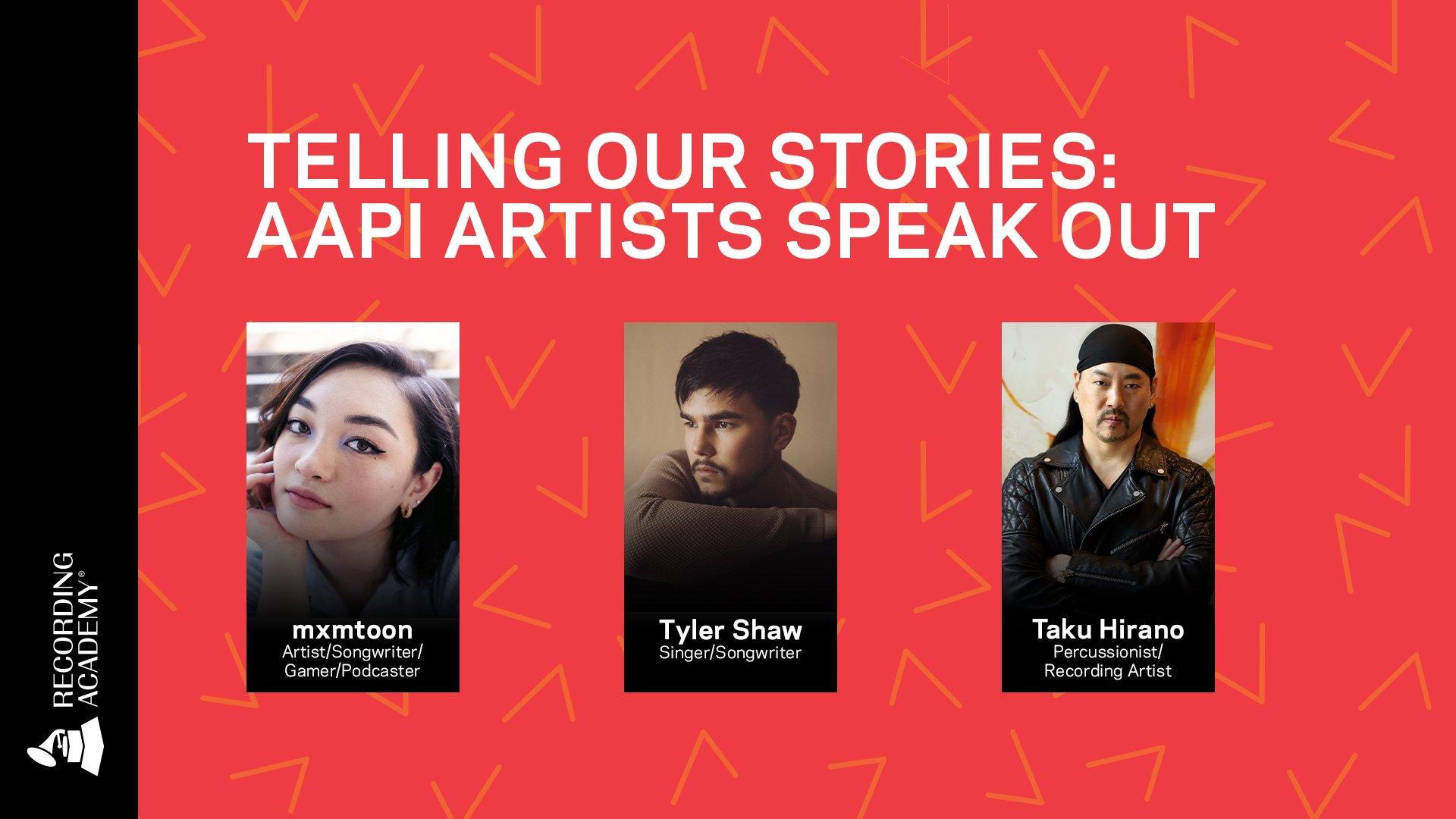
Telling Our Stories: Mxmtoon, Tyler Shaw & Taku Hirano Talk Experiences In Music Industry
In honor of Asian American and Pacific Islander Heritage Month, GRAMMY.com gathered artists for a conversation surrounding their experiences in and out of the music industry.
GRAMMYs/May 31, 2021 - 09:30 pm
In honor of Asian American and Pacific Islander Heritage Month, GRAMMY.com has gathered artists for a conversation surrounding their experiences in and out of the music industry. Singer/songwriter, producer, and gamer mxmtoon; singer/songwriter and producer Tyler Shaw; and percussionist Taku Hirano share their perspectives on Asian identity in and out of the U.S., what the music industry can do to be more inclusive of these communities, Asian and AAPI artists in pop culture, and more.
Among the topics of conversation was how Asian Americans and artists of Asian descent are portrayed in the media today.
"Hollywood did a very good job at creating the stereotype for the nerd, the character who dies off first, but now we're seeing some kind of change with Simu Liu being one of the first Asian Marvel characters," Shaw said.
While that may be changing, there needs to be more representation of the diversity with the community.
"There was just a recent poll where a large swath of the country couldn't name a prominent Asian American, and we have one in the White House as a vice president," Hirano pointed out.
The panel also touched on the history of anti-Asian sentiment in the country. "Oftentimes with my own audience, I have to educate them around different historical things that have happened and why we have racism and still face these sorts of things in our day-to-day lives," mxmtoon shared.
Watch the video above to listen to the whole conversation, including how k-pop and Olivia Rodrigo are making waves for the community.
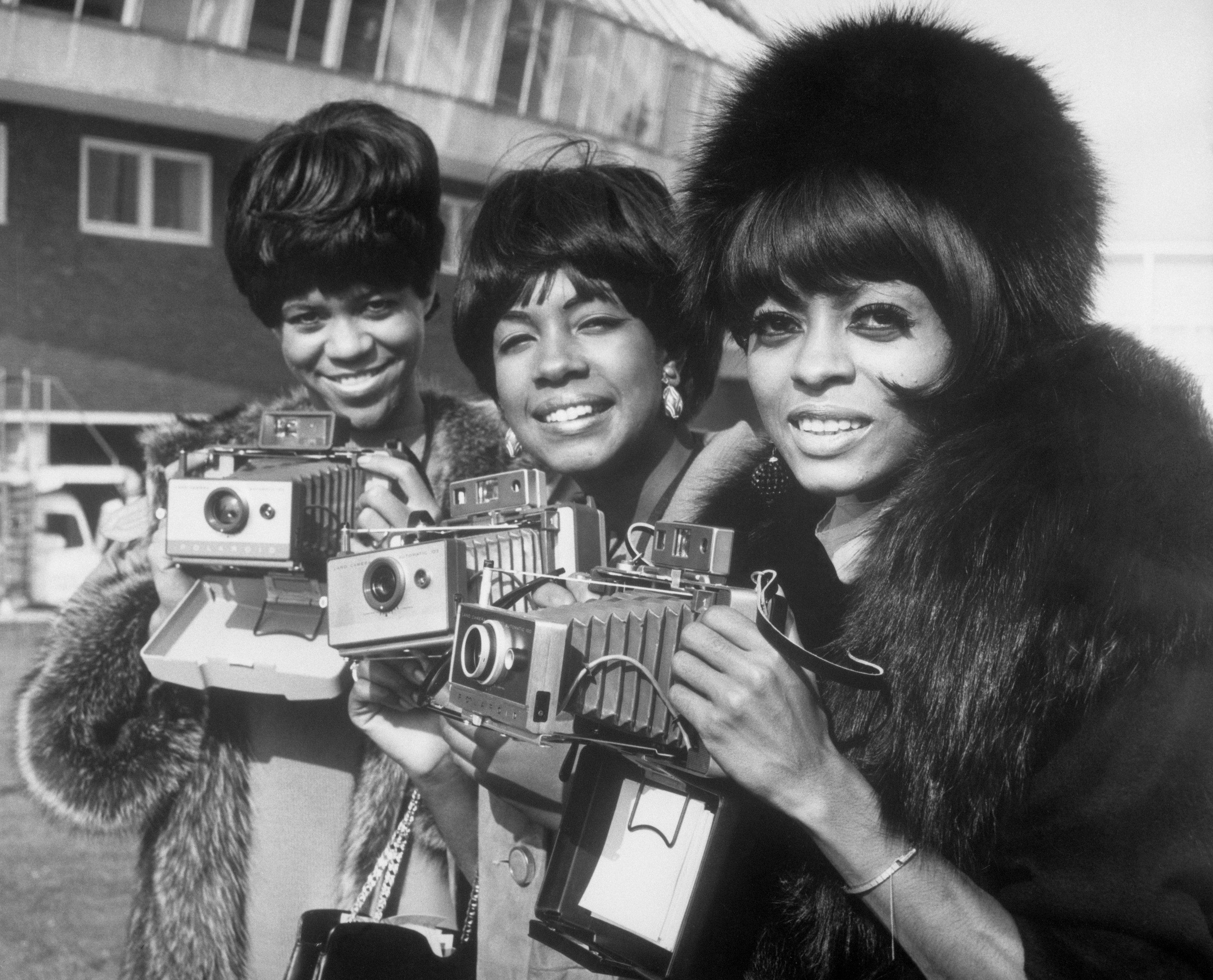
Mary Wilson (C)
Bettmann/Getty Images
The Supremes Were A Dream, And Mary Wilson Dreamt It
The pop-soul vocal legends’ co-founder was the last original Supreme in the group—and the most devout believer in their original promise
GRAMMYs/Feb 10, 2021 - 07:13 am
The Supremes were still in high school when their star began to rise, and at the dawn of 1962, their co-founder, Mary Wilson, sat in a modern literature class pondering her relationship to others. For her final exam, she had to write an essay with a psychological bent. While addressing her chaotic childhood, Wilson inadvertently summed up her dynamic with the other Supremes—the wounded Florence Ballard and the dogged Diana Ross.
"I have developed a protective shell, which whenever I feel I may face a conflict, I draw into. Why? Is it because I subconsciously feel I might be snatched again?" Wilson wrote in her 1986 autobiography Dreamgirl: My Life As A Supreme. "I try to cover up my deficiency by developing a pleasing personality. Actually, underneath this, I am still a young and frightened girl."
Five years later in 1967, during a period where Ballard left the group in a tailspin, and Motown president Berry Gordy rebranded them Diana Ross and the Supremes, Wilson realized she was the last to hold onto the image of the group as a holistic triad. "I saw nine years of work and love and happiness fade away," she wrote. "The Supremes still stood in my mind as a dream from childhood, a wonderful dream that had come true. I believed The Supremes would last forever. Now I knew that even dreams that come true can change."
"With one look at Flo," she added, "I knew that dreams don’t die; people just stop dreaming."
Wilson went on to neither be a household name like Ross nor a tragic figure like Ballard, who wrestled with addiction until her 1976 death at only 32. Instead, she was the group’s nucleus, acting as a buffer between Ballard and Ross and soldiering on in their absences as the last original member. After The Supremes called it a day in 1977, she entered an inspiring second act, touring extensively, authoring books, stumping for artists’ trademark rights, and collaborating with the GRAMMY Museum on the Legends Of Motown: Celebrating The Supremes exhibit.
<style>.embed-container { position: relative; padding-bottom: 56.25%; height: 0; overflow: hidden; max-width: 100%; } .embed-container iframe, .embed-container object, .embed-container embed { position: absolute; top: 0; left: 0; width: 100%; height: 100%; }</style><div class='embed-container'><iframe src='https://www.youtube.com/embed//tGCwWipSEMY' frameborder='0' allowfullscreen></iframe></div>
Tragically, two days after eagerly announcing new music on YouTube, Wilson died unexpectedly at her home in Henderson, Nevada on Feb. 8. She was 76. "I was extremely shocked and saddened to hear of the passing of a major member of the Motown family, Mary Wilson of the Supremes," Gordy said in a statement. "I was always proud of Mary. She was quite a star in her own right and over the years continued to work hard to boost the legacy of the Supremes. Mary Wilson was extremely special to me. She was a trailblazer, a diva and will be deeply missed."
Wilson’s journey to that burning, yearning dream—one of young infatuation on a Biblical scale—began on March 6, 1944, when she was born to a butcher father and homemaker mother in the sleepy town of Greenville, Mississippi. Hers was a long-delayed birth. "A little past midnight, I was finally born," she wrote in Dreamgirl. "I now wonder if my first appearance in life was somehow indicative of the path my life would later take. Even at my birth, I was a fence-sitter."
The family relocated from Saint Louis to Chicago before Wilson moved in with her aunt and uncle, Ivory "I.V." and John L. Pippin, who led her to believe they were her parents. When Wilson was six, she traumatically learned I.V. was, in fact, not her mother. "My whole world had been turned upside down," she wrote. "I'd trusted these people, and they had lied to me." Three years later, her father, Sam, lost his leg in a factory accident.
In 1956, with her birth parents in tow, Wilson moved to the Brewster Projects, a complex of government-owned apartment buildings. Despite the jarring change—and prevalent gang violence—Wilson viewed her new climes rosily. "It was quite crowded compared to suburbia, but I loved it," she wrote. "You had to learn to get along with all kinds of people." While auditioning to sing in a school talent show, a hurled insult from a classmate resulted in punches from Wilson.
"I was not a fighter," she wrote, "but I would fight to be part of a group."
<style>.embed-container { position: relative; padding-bottom: 56.25%; height: 0; overflow: hidden; max-width: 100%; } .embed-container iframe, .embed-container object, .embed-container embed { position: absolute; top: 0; left: 0; width: 100%; height: 100%; }</style><div class='embed-container'><iframe src='https://www.youtube.com/embed//dfl3EYFjHJU' frameborder='0' allowfullscreen></iframe></div>
One of the characters Wilson ran into in the projects was a young Diane Ross—she’d change it to "Diana" later. But she more immediately took to another neighbor, Florence Ballard, who she describes as a Hollywood-style beauty even then. After bonding over a shared love of singing—Ballard sang a mean "Ave Maria"—in early 1959, Milton Jenkins of the all-male vocal group The Primes approached her to form a female counterpart.
"Between her gasps for breath, I could see she was grinning from ear to ear," Wilson wrote. "She grabbed my arm and asked excitedly, ‘Mary, do you want to be in a singing group with me and two other girls—’ 'Yes!' I replied before she even finished the question. It didn't occur to me to ask what the group was about, or who was in it, or anything." During a jittery rehearsal at The Primes’ bachelor pad, Wilson found herself next to Ballard, Ross, and a fourth girl, Betty McGlown. Their voices fell together effortlessly and gracefully. The Primettes were born.
With Jenkins as their manager, The Primettes pounded the pavement in local clubs until a series of connections—from Smokey Robinson to Gordy, who let them sing and clap on Mary Wells and Marvin Gaye recordings—led them to Hitsville, U.S.A.
Asked to come up with a new name, they pored over a list of them, suggestive of regality and class—The Royal-Tones, The Jewelettes. But the name Ballard settled on for the group telegraphed something else entirely: divinity.
As word of the Supremes extended outside town, Wilson noticed their similarities and differences more acutely. Ballard, who had survived a sexual assault by an acquaintance, had begun to psychologically fray. Meanwhile, Ross was pure quantum ambition.
"Flo, a Cancerian; Diane, an Aries; and me, a Pisces—three completely different, insecure people," Wilson explained. "What each of us saw in the other two were the parts of herself she lacked or couldn’t assert or tried to deny: Flo’s earthiness, my nice-guy demeanor, and Diane’s aggressive charm. We accidentally discovered that three separate, incomplete young girls combined to create one great woman. That was the Supremes."
"I saw the group as something bigger and more important than any one of us," she declared elsewhere in the book. "I was content to play on the team."
<style>.embed-container { position: relative; padding-bottom: 56.25%; height: 0; overflow: hidden; max-width: 100%; } .embed-container iframe, .embed-container object, .embed-container embed { position: absolute; top: 0; left: 0; width: 100%; height: 100%; }</style><div class='embed-container'><iframe src='https://www.youtube.com/embed//ZAWSiWtUK2s' frameborder='0' allowfullscreen></iframe></div>
If the Supremes were a collective dream, the Supremes’ string of 1960s hits—most of them written by Motown's powerhouse Holland-Dozier-Holland songwriting and production team—have a dreamlike quality. These are universal songs you hear at cookouts and supermarkets and in Ubers; thus, they tend to drift between life stages and experiences. And of their twelve No. 1 hits, Wilson appeared on each.
The group received two GRAMMY nominations—one for Best R&B Recording for "Baby Love," the other for Best Contemporary Rock & Roll Performance for "Stop! In the Name of Love." (In 1999, "Where Did Our Love Go" and "You Keep Me Hangin’ On" were added to the GRAMMY Hall of Fame, and in 2001, "Stop! In the Name of Love" followed suit.)
After Ballard left the band in 1967, Cindy Birdsong of Patti LaBelle & the Blue Belles took her place, and they continued as Diana Ross and the Supremes. In 1970, Diana Ross left the band to start a solo career, leaving Wilson as the final original member amid a succession of replacement singers and shifting band names, like "The New Supremes." They never recaptured the commercial success they once enjoyed.
However, Wilson remained their North Star, touring tirelessly, practicing yoga, and authoring Dreamgirl and its 1990 sequel, Supreme Faith: Someday We’ll Be Together. Her legacy also involves musicians’ rights; after non-founding members of the Supremes toured under the band name, she campaigned on behalf of artists’ trademark ownership. Wilson also fought for higher pay for musicians on streaming sites through her support of the Music Modernization Act. Her 2019 coffee-table book Supreme Glamour homed in on the iconic group's fashion, compiling images of their famous gowns.
Last Saturday, she appeared on YouTube with a blazing grin, vivaciously announcing new music through Universal Music Group, hoping it would come out before her March 6 birthday. Then, in her sleep, she slipped away.
But her dream remains, as long as there are listeners to make it their own.
<style>.embed-container { position: relative; padding-bottom: 56.25%; height: 0; overflow: hidden; max-width: 100%; } .embed-container iframe, .embed-container object, .embed-container embed { position: absolute; top: 0; left: 0; width: 100%; height: 100%; }</style><div class='embed-container'><iframe src='https://www.youtube.com/embed//Itn438i30hk' frameborder='0' allowfullscreen></iframe></div>
GRAMMY Museum Announces Reopening Of "Motown: The Sound Of Young America" Exhibit
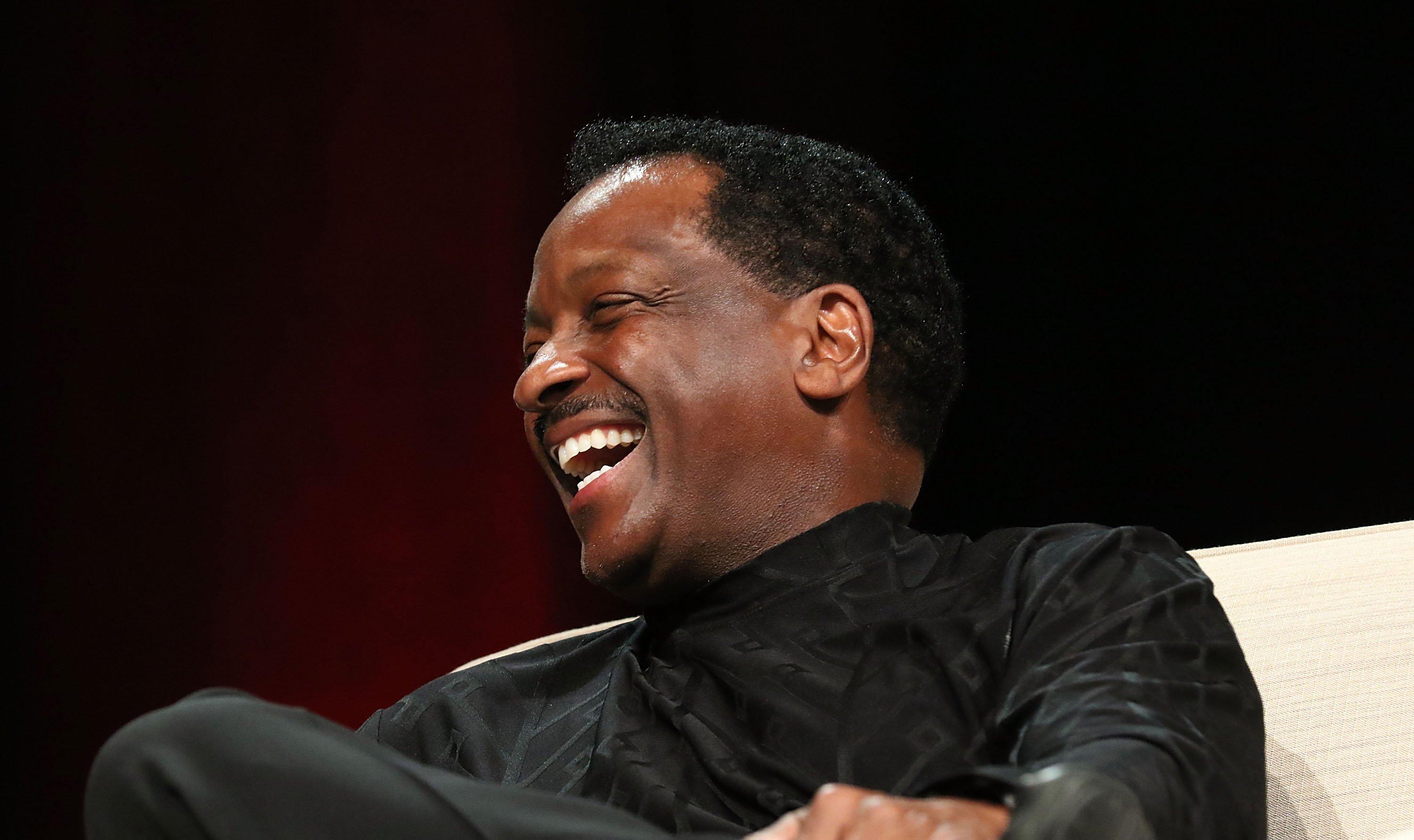
Donnie Simpson
Photo: Aaron Davidson/Getty Images
Radio And TV Legend Donnie Simpson On The Key To His Decades-Long Career: "I Don't Have To Be Great––I Just Have To Be Me"
In honor of his recent induction into the Radio Hall Of Fame, GRAMMY.com highlights the broadcasting icon's celebrated career, his impact on media and culture, and his ongoing advocacy for Black representation in radio and TV
GRAMMYs/Jan 7, 2021 - 04:43 am
About five years ago, Washington, D.C., DJ Donnie Simpson emerged from retirement after a little coaxing from his wife, Pam.
"She framed it really [nicely]. She said, 'Donnie, everywhere you go, all you hear is how much people love you and they wish you'd do something else. And God has given you a gift that you should be sharing with people,'" Simpson tells GRAMMY.com over a Zoom interview. "That's what she said, but what I heard was, 'Get out.'"
The affable radio and television icon ultimately returned to the airwaves in 2015. Five years later, he received one of the highest accolades in the radio industry: Last October, he was inducted into the Radio Hall Of Fame, an honor recognizing his contributions to the radio medium over the last half-century.
The honor is the culmination of the legend's celebrated, decades-long career in radio, which launched in the '70s when a teenaged Simpson got his start on the Detroit airwaves. At the time, he looked to a handful of local DJs as mentors, including the high-spirited Ernie Durham.
<style>.embed-container { position: relative; padding-bottom: 56.25%; height: 0; overflow: hidden; max-width: 100%; } .embed-container iframe, .embed-container object, .embed-container embed { position: absolute; top: 0; left: 0; width: 100%; height: 100%; }</style><div class='embed-container'><iframe src='https://www.youtube.com/embed//OL9VS0-g-8g' frameborder='0' allowfullscreen></iframe></div>
"I did not adopt his on-air style, but I try very much to adopt his off-air style. He always carried it with class," Simpson said of Durham. "And that was the example to me: to always be kind to people, to look people in the eye, no matter who they were."
It wasn't until Simpson left Detroit, in 1977, and logged his first few years at WKYS 93.9 in D.C.––a station he would reformat and lead to No. 1 as program director––that he found his stride on air, he says.
"It's something I always say, and it's so true: I don't have to be great––I just have to be me," Simpson says. "Being you always works because that's the spirit that connects us. That's the thing that makes you real to people; they feel you when you are you. When you're trying to be something else, they know that, too."
Simpson says he's long avoided listening to recordings of himself for fear that the inevitable analysis would disrupt the "magic" of what he'd helped create. That approach also extended to his TV career, which started—not counting a role he now laughs about on a short-lived dance show in Detroit—when he served as backup sports anchor for WRC-TV in the early '80s. Not long after, he began hosting a relatively new show on the then-burgeoning BET network. Simpson had concerns about whether the show was the right fit for him.
"BET, in its infancy, wasn't a very pretty baby. The quality wasn't there. I've always been protective of image, because that's all I have," Simpson says. "But after thinking about it for two days, I decided this: This is our first Black television network. If you have something to offer it, you have to do it."
The two-hour show, "Video Soul," which spotlighted Black artists at a time when MTV was almost exclusively focused on white musicians, became BET's highest-rated program at one point.
Jeriel Johnson, executive director of the Recording Academy's Washington, D.C., chapter, remembers watching "Video Soul" as a teen in his Cincinnati home. Simpson, he says, was a "steady presence of Black excellence."
"He was the face of BET," Johnson says. "He was just a staple, and he had such a calming voice and he was super smooth. I just looked up to him as a young, Black kid who loved music ... And I remember seeing him and being like, 'Wow, I could be on TV, too. If he can, I can.'"
On the program, Simpson interviewed artists who were already riding the waves of success or were well on their way: Jodeci, SWV, New Edition, En Vogue, Mariah Carey, Take 6, Whitney Houston. Regardless of the star who graced the couch each night, Simpson took the same approach.
"For every guest I ever had on 'Video Soul,' they would bring me a bio with all this information on the artist … I wouldn't even read it," Simpson remembers. "That's the point of the interview, for me to get to know you."
Elise Perry, a producer and the president of the Recording Academy's Washington, D.C., chapter, worked behind the scenes on "Video Soul" in the '90s, a pivotal decade for both R&B and hip-hop, she notes.
"All of these different subgenres of R&B really started to have an uptick in the '90s, and the fact that BET was present visually at that time, representing Black music in that way—it was a very special time," Perry says. "There were a lot of Black folk there, and it was just like a party. It was where I got my 'master's degree,' I call it. Everybody was family … It was just like a mecca."
Read: Meet The Recording Academy D.C. Chapter's First Black Female President, Elise Perry
Simpson treated the crew like family and has continued to provide unparalleled support for the D.C. community over the years, Perry, a D.C. native, says.
"He's our family. He's our brother. He's our uncle. He's that dude next door. He's our neighbor. He's our friend," she says.
"Family" is also how GRAMMY-nominated producer Chucky Thompson describes Simpson, who had a big impact on him when he was growing up in D.C.
"I've learned so much about people from him, just the way that he's been excited about their careers," he says of Simpson. "It transcends to you. It's like, 'Wait a minute, Donnie's excited? Now I'm excited.'"
For Thompson, who helped craft hits for Faith Evans, Notorious B.I.G. and Mary J. Blige in the '90s, "Video Soul" was formative.
"It was almost like another version of what 'Soul Train' meant," Thompson says. "But [Simpson] got even more personal with you because he was able to talk to the artists and give you a little bit of insight on what their journeys were … He gave me a lot of information on how to make it in this business."
"Donnie Simpson is the standard," Joe Clair, comedian, radio personality, on-air veteran and host of "The Joe Clair Morning Show" on WPGC 95.5 FM in Washington, D.C., adds. "My mom and dad loved him, my siblings love him and people from a generation after me love him. That is a testament to who he is as a broadcaster and what he means to us as a voice for our community. I've worked with him throughout the years, and he's given me valuable advice both for career moves and for negotiating my worth. He is a shining example for a life in radio and television on your own terms."
Yet becoming successful in the business, including achieving financial success, wasn't an easy journey for Simpson. The DJ has been vocal about the need for equitable pay for Black DJs. In recalling his own path to multimillion-dollar contracts, Simpson turns to a lyric from Elton John's "I've Seen That Movie Too": "It's a habit I have / I don't get pushed around."
"I've walked out [on deals], because you're not going to get me for half [the] price because I'm Black; those days are over," Simpson says, adding that in Detroit, he made one-fifth of what white DJs were making. "That was a very significant part of my career, to be able to be a part of changing that narrative, to letting them know you have to pay Black talent."
Simpson has also advocated for stations to put more of the DJ back into DJing. In the past few decades, he notes, many DJs have watched their curated playlists and airtime drift away due to technological advances and the consolidation of station ownership.
"So much of its personality has been stripped from it," Simpson says of the art of DJing. "I play whatever I want to play every day, but that's the magic of it to me … I don't want a computer programming music for me, because every day feels different. And I like to be tapped into that feeling."
In 1974, Simpson played Elton John's "Bennie And The Jets" on his show in Detroit, a decision he says he fretted about because "Black folks didn't know Elton John." He played the song twice that evening and got an overwhelming response from callers. John himself was soon on the phone with Simpson to discuss the record's success in Detroit; he handed Simpson a gold record for the single six months later.
"It's music that you wouldn't traditionally associate with Black radio; it's Elton. But that was a lesson to me," Simpson says. "It's all music to me; I don't care who made it. I just care what it sounds like [and] if it fits what I'm doing."
The fact that most DJs no longer have the latitude to craft their own playlists is a big loss for radio, Simpson says.
"You have young people out here with great ears that will never get the chance to express themselves musically because it's all programmed for them," he says. "I used to love it when wheels would touch down in Atlanta or New Orleans [or] L.A.—wherever it was. I couldn't wait to pull out my little transistor radio and hear what they were doing in that city, because it was always different."
After Simpson learned he'd be inducted into the Radio Hall Of Fame this year, he took a look at its roster of honorees over the past three decades. When he didn't see New York DJ and “Chief Rocker" Frankie Crocker and other Black radio icons on the list, the announcement gave him pause.
"These are voices that you should know about, some great talents through the years ... legends that have gone largely ignored," he says. "But I also, in my acceptance speech, acknowledged that the [Radio Hall Of Fame] is trying to correct that. You look at the list of inductees this year, with Angie Martinez, The Breakfast Club, Sway Calloway and me––man, it's like #OscarsTooBlack. It's a lot of people of color that went in this year. So they have recognized that, and I applaud them for that."
At a time when systemic racism and police brutality against Black people have come to the forefront of the national dialogue, Simpson says he feels compelled to speak out.
"If I were not on the radio, if I didn't have a microphone, I think I would still feel that responsibility to whatever people I encounter that I could talk to, to tell them how important this moment in history is for us," Simpson says. "I am so honored that I have had a platform for, now, 51 years to allow these voices to come on the radio or on TV and talk about these matters that make a difference to our community."
In 2010, Simpson retired from WPGC, where he'd hosted a morning show for nearly two decades, after contending with a "toxic" environment. But five years later, he was back at the other end of the dial on D.C.'s WMMJ Majic 102.3. Now, another retirement seems like the furthest thing from his mind.
"What's there not to love about it? I sit there kicking it with people I love. We have all the fun we can stand," Simpson says.
As praise continues to roll in from industry A-listers for his Radio Hall Of Fame induction, Simpson has advice for the many artists and listeners who now look to him for guidance as he once looked to his own mentors: "Be kind."
Each morning, Simpson takes a walk or run beside the Potomac River. While he says there's a health benefit to the ritual, he's got an additional reason to step out of his door.
"What I'm really doing is collecting smiles," Simpson says. "That's kind of my purpose: to bring warmth and joy."
Tune in for a special Up Close & Personal conversation discussing Donnie Simpson's career and life in broadcasting. Moderated by Jimmy Jam, the event premieres Tuesday, Feb. 9, at 4:30 p.m. PST/7:30 p.m. EST via the Recording Academy's official Facebook page.
Beyond The Beltway: A Closer Look At Washington D.C.'s Vibrant Music Community