
Photo: Taylor Hill/Getty Images for Live Nation Urban
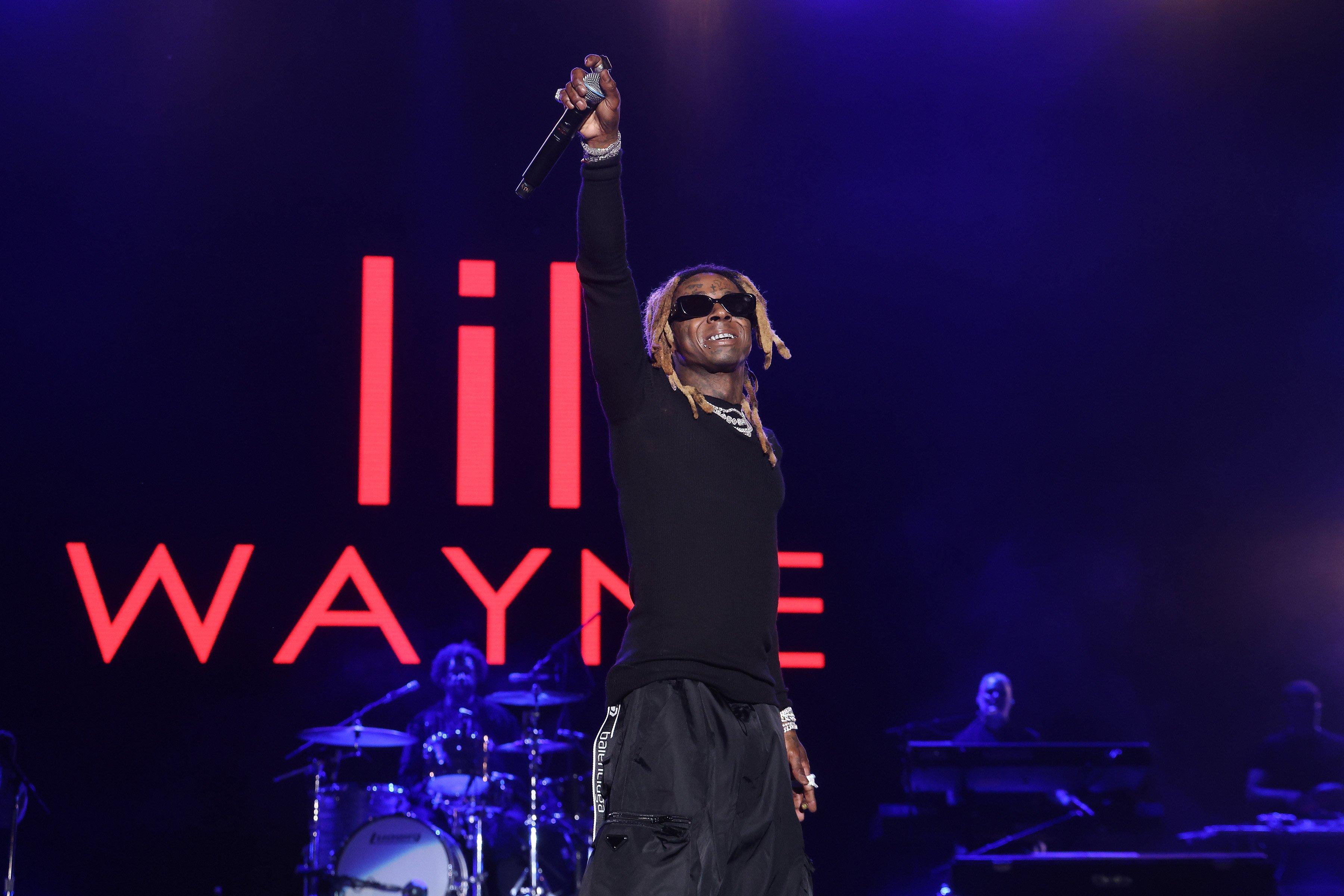
Lil Wayne performs at the 2024 Roots Picnic.
A Guide To All Of Lil Wayne's 'Tha Carter' Albums: Breaking Down His Journey To 'Tha Carter VI'
As the GRAMMY-winning rapper unveils his latest 'Tha Carter' chapter, revisit all six of the series' installments and how they've each shown a different side of Lil Wayne's ever-evolving style.
GRAMMYs/Jun 6, 2025 - 05:09 pm
Lil Wayne once had plenty of good reasons to call himself the Best Rapper Alive. In the 2000s, the proud New Orleanian evolved from a promising Hollygrove street rapper signed to Cash Money Records into one of the most exciting voices in hip-hop. His boundless lyrical creativity and talent for clever, brilliantly raunchy raps delivered in a distinctively gravelly voice made him the envy of his peers and, eventually, a five-time GRAMMY winner and platinum-selling recording artist.
Born Dwayne Michael Carter Jr., Lil Wayne summited the heights of the music industry largely thanks to a pivotal series of albums all titled Tha Carter. These records, released across 20 years, showcase the rapper's evolution as an artist, from hungry dirty south prodigy to hit-making party monster to mature elder statesman of the rap game. They also tell a story of stylistic change in the music industry, with Wayne's production choices moving from futuristic trap muzik in the early 2000s to bombastic beats in the 2010s to the moodier production of contemporary hip-hop.
Lil Wayne released the latest installment in the series, Tha Carter VI, on June 6. As the rapper divulged in a recent interview with Rolling Stone, the record is centered around collaborations and trying new things. Older collaborators such as Mannie Fresh return, while Wayne invites the likes of Jelly Roll, MGK and even Bono to feature on the record. Those additions might seem strange for those accustomed to "A Milli" and "Uproar," but as a close read of the series reveals, Weezy has always been a transformer.
Below, dig into all six Tha Carter albums and how they've each contributed to Lil Wayne's ongoing saga.
'Tha Carter' (2004)
There's a lot about the original Tha Carter that feels a bit quaint from the vantage point of 2025. The beats, handled almost entirely by Cash Money's in-house producer Mannie Fresh, are a mix of Dirty Southern trap muzik and Neptunes-esque futurism that sound slick in some places and dated in others. It's sprinkled with silly party tracks like hit single "Go DJ," sexy jams like "Hoes," and even a multi-track tour through Weezy's trap house ("Walk In," "Inside," "Walk Out"). And yet, Wayne's hunger, ferocity and skill as a rapper pulls it all together. Tracks like "Cash Money Millionaires" and lead single "Bring It Back" demonstrated the musicality and cleverness Wayne would refine on later albums.
Wayne had a lot to prove on Tha Carter. He joined Cash Money Records when he was only 11 years old, and was in the process of shedding his relatively precocious image. By 2004, the then-twentysomething had watched the label slump from its peak at the turn of the century, buoyed by Wayne's platinum-selling debut Tha Block is Hot. The new record was his bid to try and save the Cash Money family from decline, to the extent that he scrapped an early version entirely (that record became the 2003 mixtape Da Drought). To a wild degree, that bid was successful — the record sold 116,000 copies in its first week, put Wayne in the Top 5 of the Billboard 200 for the third time, and later went double platinum — and it set the stage for further dominance in the coming decade.
In 2013, Kanye West would declare rappers to be the new rock stars, but to see him proven right, we can look eight years earlier to the second of Lil Wayne's legacy-building album saga. If the first Tha Carter was the album on which Lil Wayne became a mature rapper, Tha Carter II is the album that made him Lil Wayne — the record where his larger-than-life star persona finally came to fruition.
Tha Carter II is an album of bombast, of profanity, but most importantly, of lyrical finesse. Nobody but Wayne could come up with lines like "I'm hot but the car cool/ She's wet, that's a carpool" (from "Fireman") or this insane, borderline scatological couplet from "Money on My Mind," one of the wildest ways to call yourself rich that anyone's ever thought of: "Dear Mr. Toilet, I'm the s—/ Got these other haters pissed 'cause my toilet paper thick."
Nobody puts the "dirty" in Dirty South like Wayne, but beyond trap bangers like "Fireman" and "I'm A D-Boy," the record is quite varied, with G-funk on "Lock and Load," reggae on "Mo'Fire," and gospel-tinged rap-rock on the anthemic "Best Rapper Alive." Calling yourself that is a bold claim on the best of days, but Tha Carter II marks the beginning of a run that would completely justify it. More than any rapper before him, Wayne would exemplify the image of a rapper as a rock star.
By 2008, Wayne had become the face of hip-hop. He had spent the previous two years laying the groundwork for Tha Carter III with a now-legendary run of features that saw him all over the radio for months, and a series of acclaimed mixtapes including Dedication 2 and Da Drought 3. Now he would reap the spoils: Over a million copies sold in its first week alone, "Lollipop" reaching No. 1 on the Billboard Hot 100 and top tens for "A Milli" and "Got Money."
Tha Carter III is one of rap's greatest victory laps, and the album sounds as if that outrageous success was preordained. Tha Carter III revels in an atmosphere of triumph for its first few tracks, among them "Mr. Carter" with Jay-Z and "Got Money," a song so excessive and brash thanks to the formidable T-Pain chorus that it almost defines the phrase "recession indicator." The album's midsection sees Wayne trying on a series of lyrical costumes (he's a surgeon on "Dr. Carter," an alien on "Phone Home") that vary from embarrassingly corny to raunchily comical: Only Wayne would give a new definition to "f— the police" on "Mrs. Officer."
A pair of slightly less ridiculous tunes populate the record, including the romantic "Comfortable," with a sumptuous string-filled beat from Kanye West and playfully seductive lines from Wayne, and the more serious "Tie My Hands," where the rapper discusses the still-dire state of New Orleans after Hurricane Katrina.
That being said, it isn't a perfect record — it's not the peak of Wayne's lyricism, and moments such as Busta Rhymes' verse on "La La" drag it down in the back end. Yet it's still one of the most thrilling moments in rap history, a decadent showcase of one of the genre's greatest talents as he conquers the world and an essential document of recession-era pop in all its sleazy, auto-tuned glory.
The years following Wayne's extended Tha Carter III victory lap were far from easy for the rapper. His follow up, 2010's Rebirth, was panned by critics and fans, and a litany of weapons and drugs charges eventually resulted in an eight-month prison sentence spent on New York's notorious Rikers Island. Fans rallied around the artist and sent his next album, I Am Not A Human Being (which arrived seven months after Rebirth), to the top of the charts; his protegees on Young Money Records, including future superstars Drake and Nicki Minaj, were also seeing success. But the stakes were high for his next Tha Carter installment.
Tha Carter IV shows the results of these difficulties. Wayne often sounds like a boxer on the ropes, struggling to get the next punch to connect. Sometimes he manages a furious series of hits: The Harry Belafonte-sampling lead single "6 Foot 7 Foot," a ferocious reunion with "A Milli" producer Bangladesh, was the first track Wayne recorded after being released from prison, and you can feel him releasing his pent-up aggression as he performs the kind of gonzo lyrical feats he made his name on ("married to the money, f— the world, that's adultery," "real G's move in silence like lasagna").
Hard work and struggles over losing it all are heavy themes of the record, which is rife with maximal, highly-produced beats on Rick Ross-featuring "John" and "She Will" with Drake. It's a record with fewer gems than previous installments in the series, but Tha Carter IV still shows glimmers of Wayne's prodigious talent while documenting the struggles of a difficult period for the rapper. As he reminds us on "It's Good," "This is Wayne's World, and y'all are just some tourists."
It would take an astonishing seven years for Wayne to release the next chapter of Tha Carter. That lengthy wait resulted from a multitude of factors: Legal battles with Cash Money Records, a feud (eventually patched up) with his mentor Birdman, and life-threatening health problems stemming from epilepsy. The finished project certainly shows the fatigued results of that long gestation, in both the era-spanning track list — "Mona Lisa" featuring Kendrick Lamar, dating from 2014, mingles with newer production — and a more mature, thoughtful iteration of Lil Wayne's persona.
The rapper drew on the nascent "emo rap" movement, including leftover vocals from the late XXXTentacion on "Don't Cry," as well as incorporating more modern flows into his rapping. Gone are the punchlines and quips of previous records, replaced with a frequently morose, reflective and perhaps even regretful Wayne seriously considering where he's come and where he's going. Even the album's big-hit stadium banger "Uproar," a Swizz Beatz-produced throwback to the bling era, contemplates "Where the love go?"
Tha Carter V isn't always successful, and it doesn't always make for the most entertaining listen, but it's easily Wayne's most mature and well-formed artistic statement since his late-2000s commercial peak — it takes a lot of guts to admit, as he does on this record, when you're not number one anymore.
Wayne frequently said Tha Carter V would be his last album in the run-up to its release, a promise he ultimately decided not to keep. After another lengthy wait, the rapper began promoting the record earlier this year, announcing the June 6 release date in a commercial during the New Orleans-set Super Bowl LIX. Later he announced a release-day headlining show at Madison Square Garden, but little was revealed about the record itself until the day before release, when he dropped "The Days" featuring Bono during the NBA Finals.
The rapper can command such attention and execute such minimal, yet highly visible promotion because at this point in his career, he's an institution. Tha Carter VI is built to reflect this with the most prestigious list of collaborators yet: The aforementioned U2 frontman belts an inspirational hook, and opera tenor Andrea Bocelli sings Franz Schubert's "Ave Maria" underneath Wayne's rapping on "Maria." The stylistic diversity seen in other records comes through, with acoustic guitar ballads ("If I Played Guitar") alongside bass-heavy bangers ("Bells"). Wayne even interpolates Weezer on "Island Holiday" and reunites with Mannie Fresh on the soulful "Bein Myself."
Yet the project is probably the least consistent in quality of all of Tha Carter albums. Misfires and baffling decisions abound, the goofy Lin-Manuel Miranda-penned "Peanuts 2 N Elephant" chief among them. Family emerges as a theme, both in Wayne's lyrics ("family first, family second, family third" he raps on "Welcome to the Carter") and in inviting his sons Kameron Carter and Lil Novi to rap on the record. But the growth and introspection he showed on the last installment in the series is thrown out in favor of more generic lyrics.
While Tha Carter VI is far from Wayne at his best, it still shows he's not content to rest on his laurels. If there's one thing that remains true about Lil Wayne a quarter of a century into his career, it's that he will never stop changing.
Latest News & Exclusive Videos
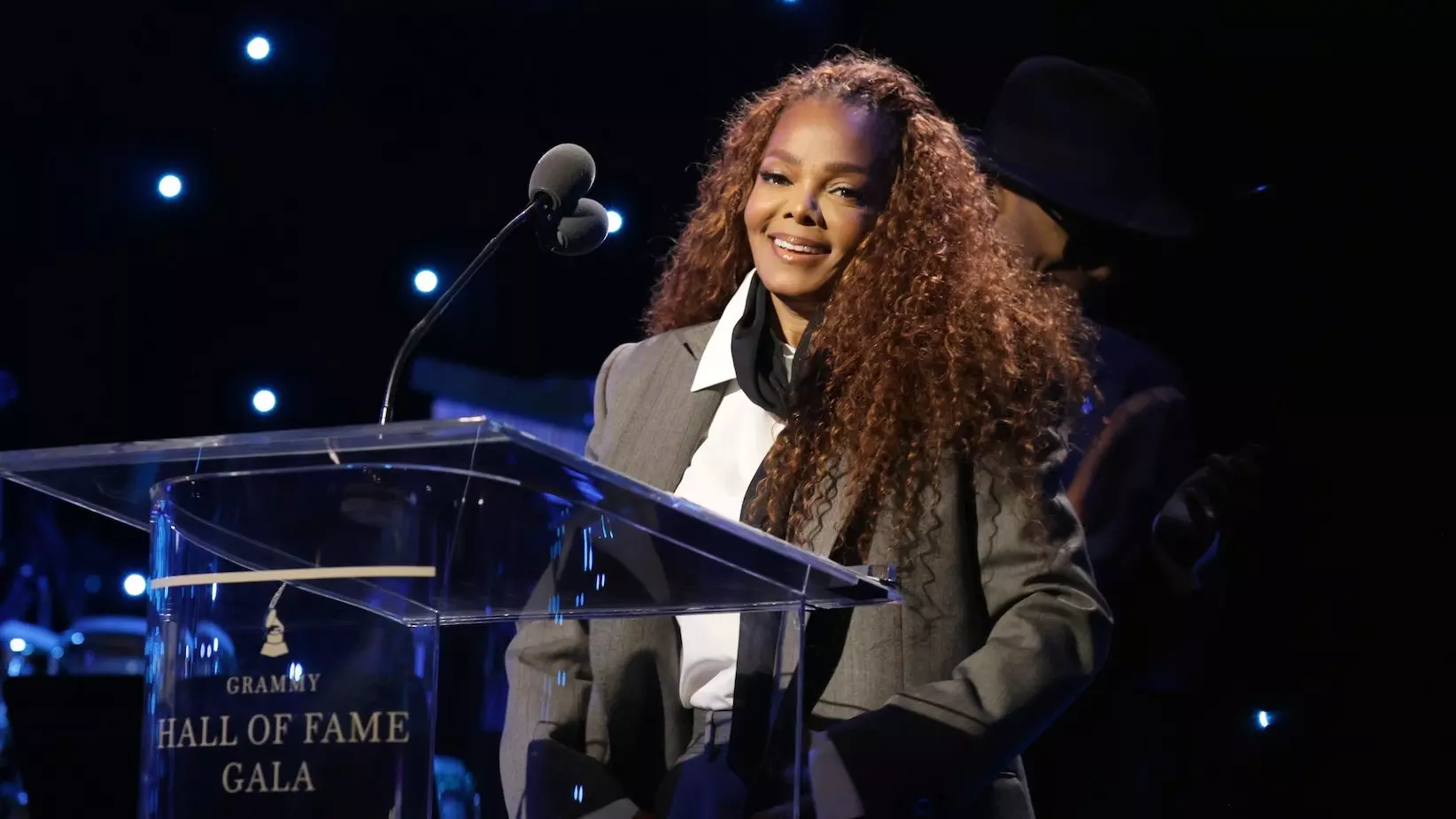

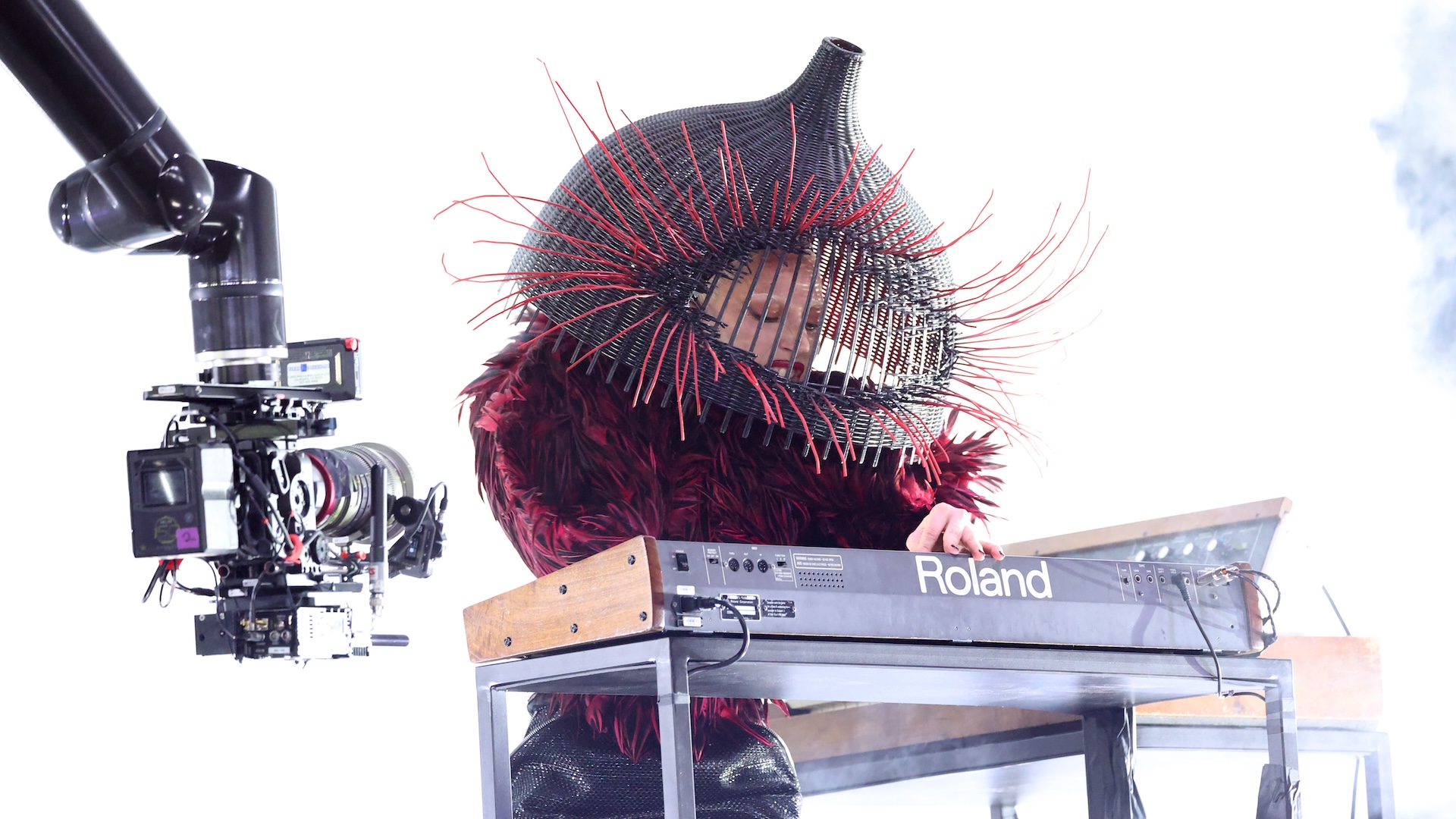
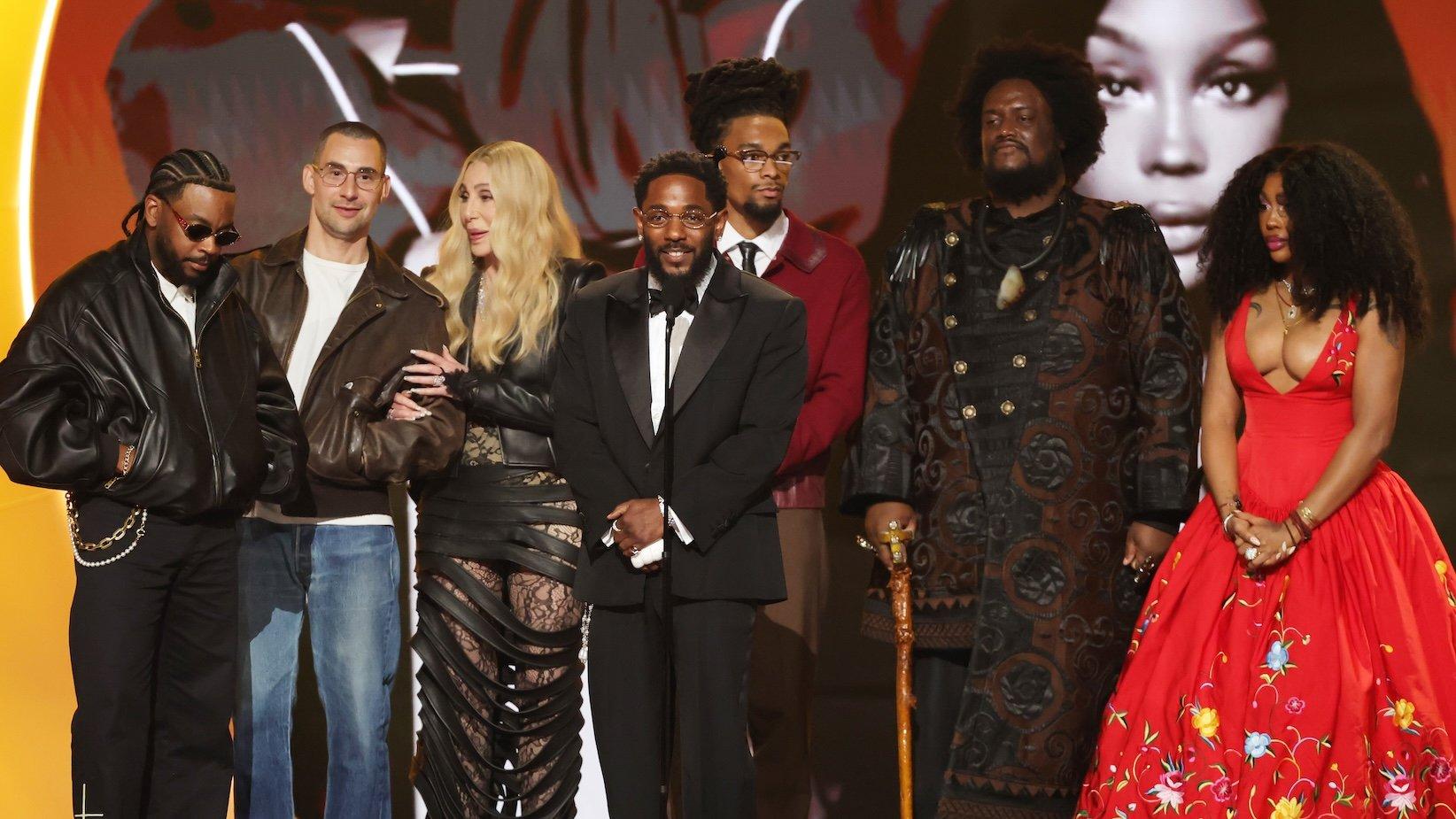
Kendrick Lamar and SZA win the Grammy for Record Of The Year at the 2026 Grammys on Sunday, Feb. 1, at Crypto.com Arena in Los Angeles, California. (L-R) Sounwave, Jack Antonoff, Cher, Kendrick Lamar, Scott Bridgeway, Kamasi Washington, and SZA.
Photo: Kevin Winter/Getty Images for The Recording Academy
9 Powerful Acceptance Speeches From The 2026 Grammys: Bad Bunny, Kendrick Lamar, Lady Gaga & More
From pro-immigrant statements to vocal support for women in music, these moving acceptance speeches from the 2026 Grammys reflected the moments defining music and culture today.
GRAMMYs/Mar 1, 2026 - 01:49 am
See the full list of winners and nominees from the 2026 Grammys.
Watch highlights and exclusive Grammys content from the 2026 Grammys all year long.
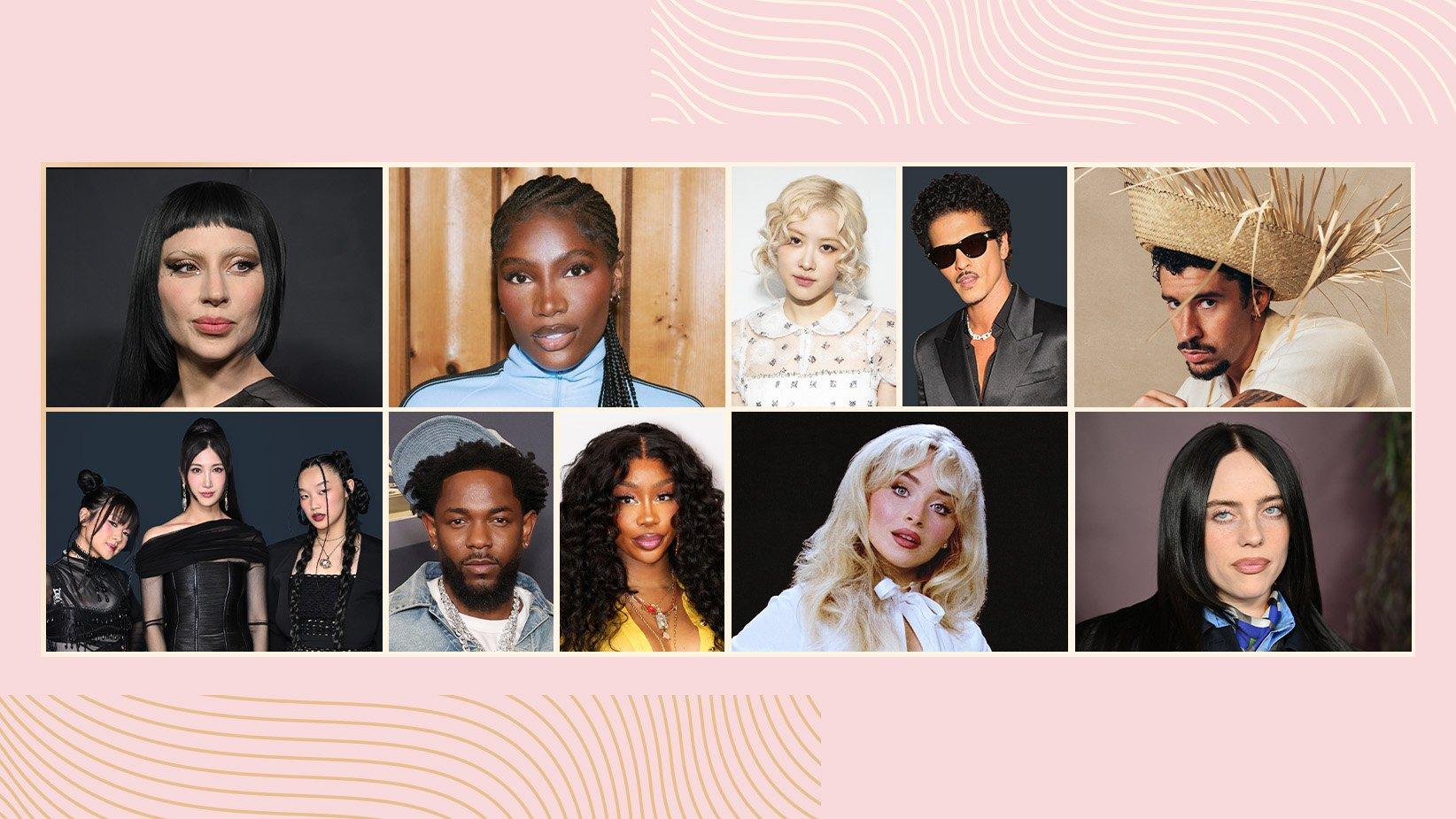
At the 2026 Grammys, winning artists took to the stage with much more than gratitude on their minds. Grammy winners such as Lady Gaga and Recording Academy Lifetime Achievement Award honoree Cher supported rising artists, particularly women in the music industry. Kendrick Lamar deflected from his own victories to pay tribute to Luther Vandross, namesake of his Record-Of-The-Year-winning tune, and the hip-hop community at large.
In particular, many artists reacted to the ongoing campaign of deportations and anti-immigrant violence happening across the U.S. Bad Bunny, Billie Eilish and Olivia Dean all spoke movingly in support of immigrants, while many other artists wore "ICE OUT" pins.
Below, revisit some of the most moving acceptance speeches from the 2026 Grammys.

Kendrick Lamar Makes Rap History & Shouts Out The Hip-Hop Community
After dominating the 2025 Grammys with "Not Like Us," Kendrick Lamar took home five Grammys this year and became the rapper with the most Grammy wins ever. After winning three Grammys earlier in the day during the 2026 Grammy Awards Premiere Ceremony, the Los Angeles artist won the first Grammy Award of the telecast for Best Rap Album for GNX. With this Grammy win, he topped JAY-Z's 25 wins to snatch the record for most Grammys won by a rapper.
"Every time I tell you this: Hip-hop is gonna always be right here," Lamar said in his Grammy acceptance speech, dedicating his win to the hip-hop movement. "We gonna be in these suits, we gonna be looking good, we gonna be having our folks with us, we're gonna be having the culture with us."
Kendrick also shouted out Clipse, with whom he won Best Rap Performance earlier in the day for their track "Chains & Whips." He would return to the stage once more before the end of the night to take home the Grammy for Record of the Year for his song "luther" with SZA, bringing his career total to 27 Grammy wins.

Bad Bunny Stands Up For Immigrants
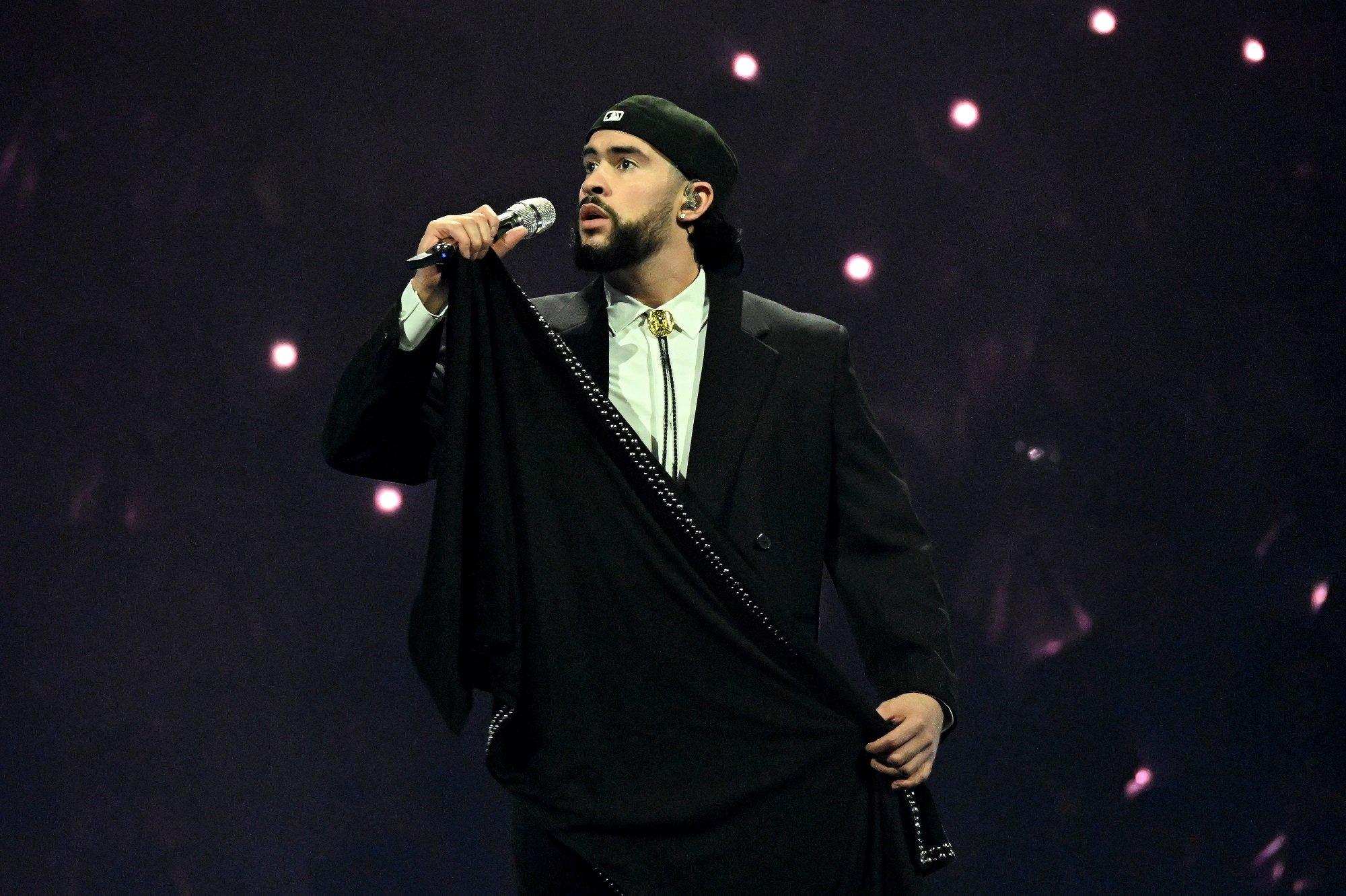
Of the many statements made in support of immigrants at the 2026 Grammys, few felt more powerful and resonant than Bad Bunny's, who twice spoke on the issue on the Grammy stage. Accepting the Grammy for Best Música Urbana Album for DeBÍ TiRAR MáS FOToS, the Puerto Rican superstar front-loaded his acceptance speech with a rebuke of the dehumanizing rhetoric faced by immigrants, especially Latin Americans such as himself.
"Before I say thanks to God, I'm gonna say: ICE out," he declared. "We're not savage, we're not animals, we're not aliens. We are humans and we are Americans."
Loading...
Later that night, after winning the Grammy for Album of the Year, a visibly shocked and overwhelmed Bad Bunny returned to the stage to deliver another Grammy acceptance speech, though this time mostly in Spanish. It was an appropriate move considering the history-making album is the first non-English-language album to ever win the Grammy for Album Of The Year. But given his stunned reaction, Bad Bunny may have just been too emotional to so quickly translate most of his thoughts. But in a fitting move, he dedicated his Grammy win to "all the people who had to leave their homeland, their country, to follow their dreams."
Olivia Dean Tearfully Takes Best New Artist
Loading...
"I never imagined I'd be up here, let alone nominated," Olivia Dean said as she tearfully accepted the Grammy for Best New Artist. Having just performed her U.K. chart-topping single "Man I Need" on the Grammy stage, the British singer used her platform to speak out in support of immigrants, including her own grandmother, who immigrated to the U.K. from Guyana as part of the Windrush generation.
"I'm up here as a granddaughter of an immigrant," Dean said. "I'm a product of bravery, and I think those people deserve to be celebrated."
Lady Gaga Supports Women In Music
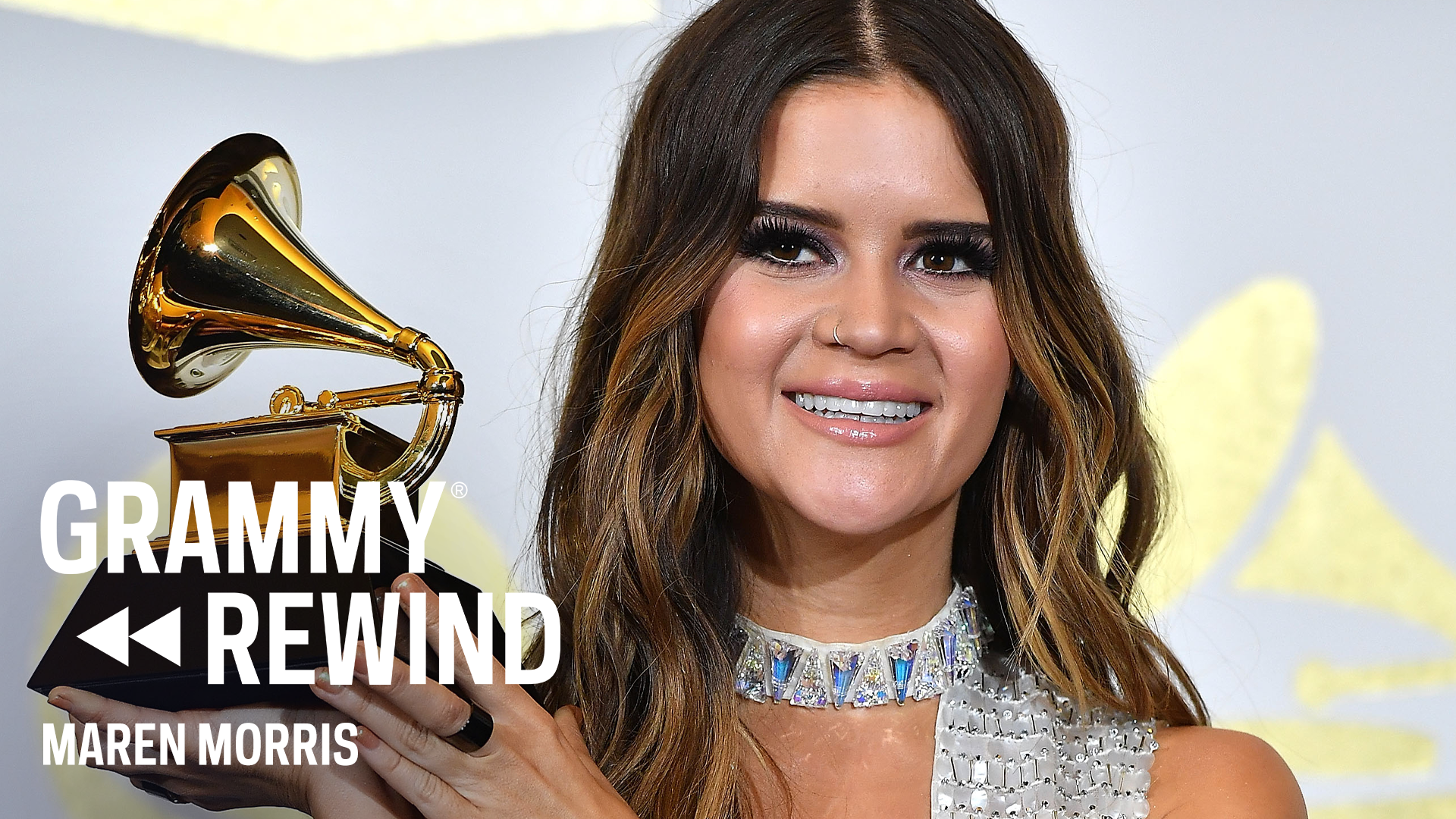
As well-known as she is for awards-show spectacles – Remember the meat dress? – Lady Gaga kept things (mostly) low-key and earnest. Following a dynamic performance of "Abracadabra," she returned to the stage to accept the Grammy for Best Pop Vocal Album for MAYHEM.
Thanking her fiancé, Michael Polansky, and her collaborators, including Cirkut, who won the Grammy for Producer Of The Year, Non-Classical winner, and Gessaffelstein, the latter of whom won the Grammy for Best Remixed Recording for his remix of "Abracadabra," Lady Gaga offered some encouraging words for women in the music industry.
"When you're in the studio with a bunch of guys, it can be hard," she said. "Always listen to yourself and always fight for your ideas, fight for your songs, fight for yourself as a producer."
"Abracadabra" also won the Grammy for Best Dance Pop Recording, bringing her total career Grammy wins to 16.
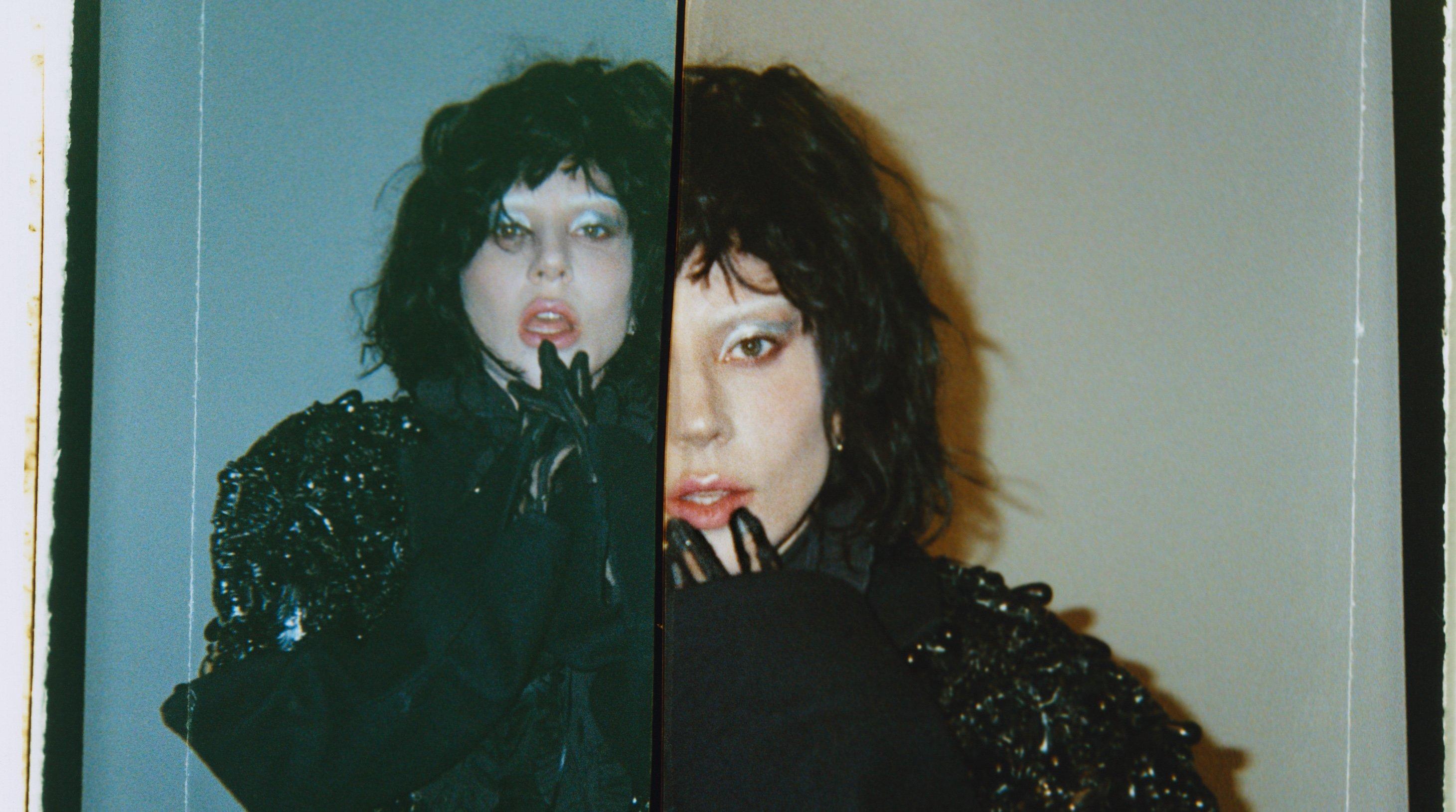
Lola Young Swears She Didn't Expect Grammy Win
Though Lola Young certainly had stiff competition in the Best Pop Solo Performance Category, including veterans such as Justin Bieber and Lady Gaga, nobody was more shocked at her Grammy win in than Young herself. The singer, also nominated for Best New Artist, had just wrapped an emotional piano rendition of her track "Messy" earlier in the evening, one of her first live performances in four months following a health scare.
"I don't have any speech prepared," a visibly shocked Young said. "I don't know what to say. Thank you so much!" Utterly overwhelmed and searching for words, Young dropped a few less-than-TV-appropriate words before thanking her friends and mother and fleeing the stage while in a state of pure ecstasy.
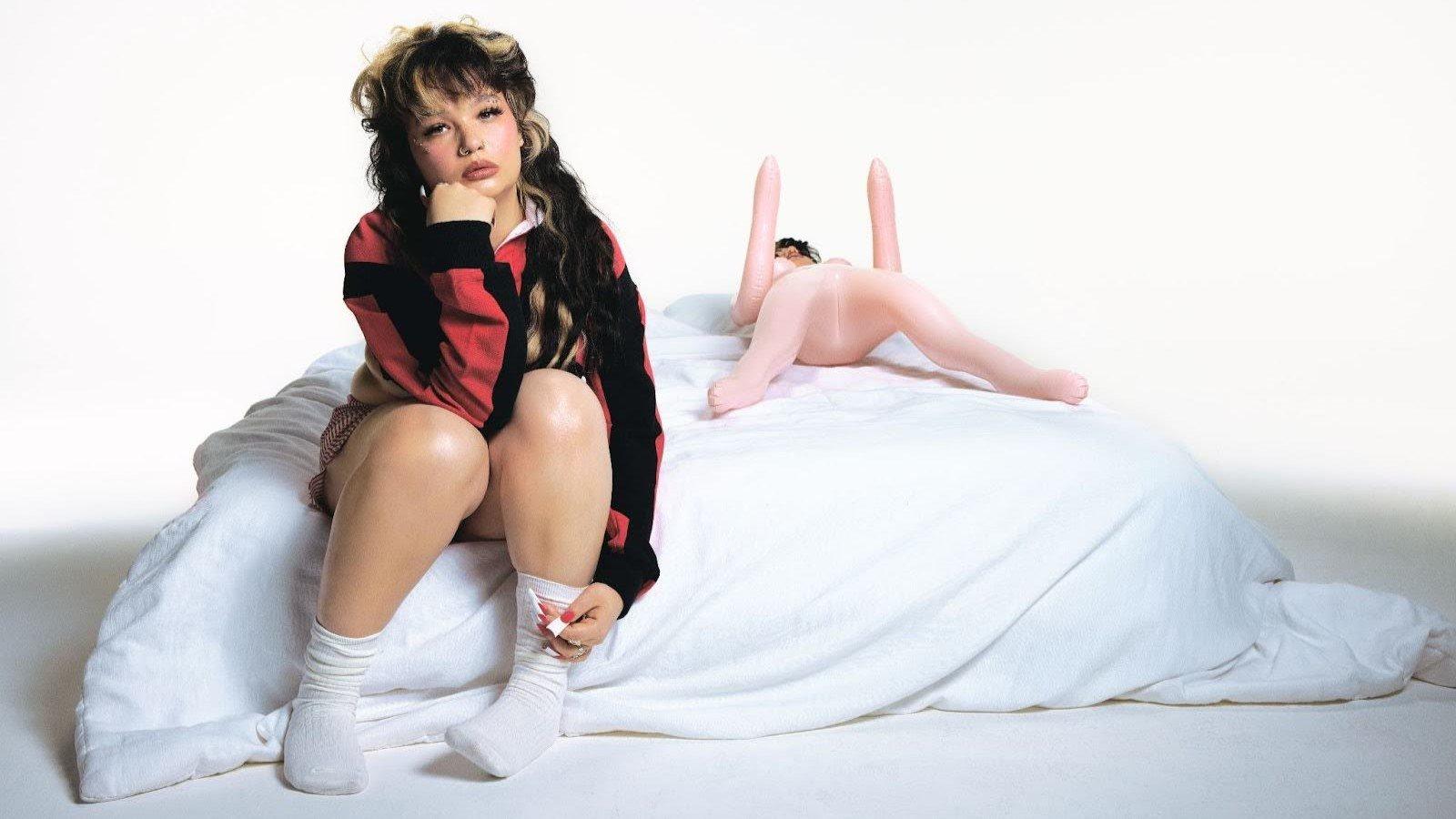
Billie Eilish Gets Serious During Song Of The Year Speech
Loading...
Winning the Grammy for Song of the Year for "WILDFLOWER," her 10th Grammy, didn't seem to weigh heavily on Billie Eilish's mind as she took the stage to accept the award. Flanked by her brother and creative partner FINNEAS, both wearing "ICE OUT" pins, as were many of the other attendees, the pop star weighed in on the current anti-immigration policies being carried out in the U.S.
"No one is illegal on stolen land," Eilish said. "It's just really hard to know what to say and what to do right now … I feel really hopeful in this room, and I feel like we just need to keep fighting and speaking up and protesting, and our voices really do matter, and the people matter."
The more serious tone of the speech contrasted with Eilish's previous wins, but it felt more than appropriate given the current climate.
Cher's Audacious Return To The Grammy Stage
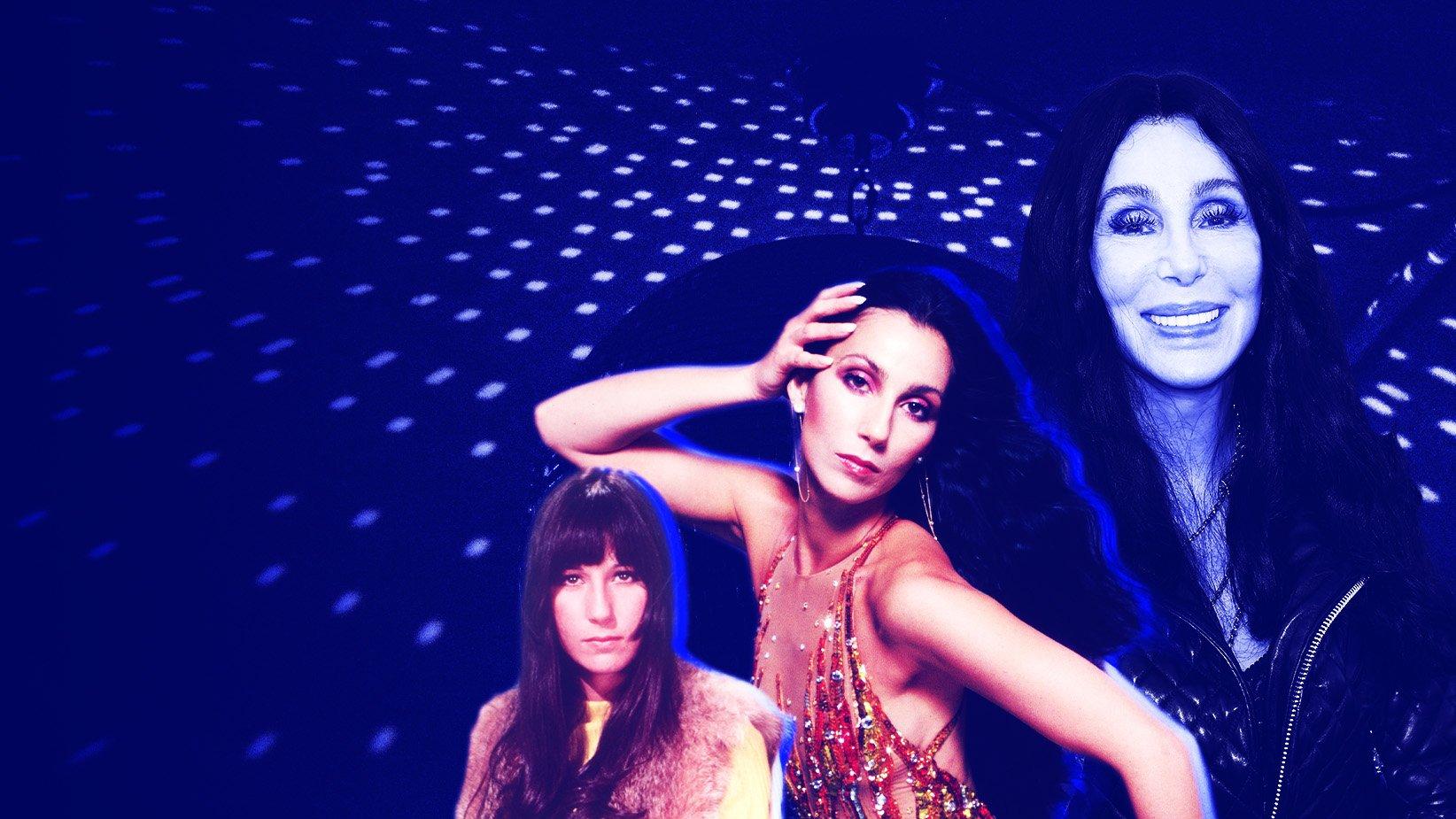
Cher is always a class act. With dozens of hits across a decades-spanning career, she earned the Recording Academy Lifetime Achievement Award deservedly. Her acceptance speech on the Grammy stage quickly became one of the most talked-about moments of the night.
First, she gave a stirring speech reflecting on her storied yet tumultuous time in show business. "I was famous at 19 and had a top-rated show in my 20s, actually, but it didn't occur to me how rough my career was going to be," she said. "I was either a loser or winning an Oscar. I'm sure a lot of you in the audience know what I'm talking about."
Cher also reflected on her stint in the "elephant graveyard" of Las Vegas in the '80s and her pioneering use of AutoTune on her Grammy-winning hit single "Believe." She closed out her speech by encouraging the audience: "Never give up on your dream, no matter what happens. Live it, be it, and if it's not happening now, it will happen soon."
Then things got a little bit … whacky. Apparently unclear that she would be presenting the Grammy for Record of the Year, the singer nearly walked off the stage before the crowd and host Trevor Noah coaxed her back. Then she mistakenly declared the late Luther Vandross the winner, in reference to the winning song, "luther" by Kendrick Lamar and SZA. Oh Cher, don't you ever change!
Jelly Roll Goes Full Country Music
Loading...
Jelly Roll had already won two Grammys earlier in the day for collaborations with Brandon Lake and Shaboozey, but it wasn't until the evening that he got to ascend the Grammy stage solo. Winning the Grammy for Best Contemporary Country Album for Beautifully Broken, he made his acceptance speech into a sort of country song in its own right, thanking his wife, referencing his Christian faith, and describing the troubles that led him to turn to music.
"I didn't think I had a chance, y'all," he said. "There were days that I thought the darkest things. I was a horrible human … There was a moment in my life that all I had was a Bible this big and a radio the same size and a six-by-eight-foot cell. And I believed that those two things could change my life."
The singer wrapped his speech by once again invoking religion: "Jesus is for everybody. Jesus is not owned by one political party. Jesus is not owned by no music label."
"luther" Wins Record of the Year
Cher may have been a bit off when she confidently misread that the Grammy for Record of the Year was going to "Luther Vandross." But the actual winners, Kendrick Lamar and SZA, made it clear that their chart-topping tune "luther" was a spiritual victory for the legendary R&B star who inspired the song, which prominently samples Vandross' and Cheryl Lynn's 1982 cover of "If This World Were Mine."
"First and foremost, let's give a shout-out to the late, great Luther Vandross," co-producer Sounwave began. "It was very, very, very important to keep the integrity of his record."
Lamar echoed the sentiment. "It's one of my favorite artists of all time, and they granted us the privilege to do our version of it. When we got that clearance, I promise you we damn near all dropped a tear.
"Being able to put our vocals on it, it proves that we were somewhat worthy to be just as great as them individuals," he continued. "They granted us that. They said, 'No cursing,' though."
Finally, SZA struck a note of hopefulness at the end of the speeches. "I know that right now is a scary time. I know the algorithms tell us that it's so scary, and all is lost," she said. "We can go on. We need each other. We need to trust each other and trust ourselves, trust your heart. We're not governed by the government, we're governed by God."
This Grammy win for "luther" puts Lamar in elite territory as a back-to-back Record Of The Year Grammy winner, joining fellow winners like Billie Eilish, U2, and the late Roberta Flack, the latter of whom was tributed in the annual In Memoriam celebration led by Ms. Lauryn Hill earlier in the ceremony.
2026 Grammys: Performances, Winners & Highlights
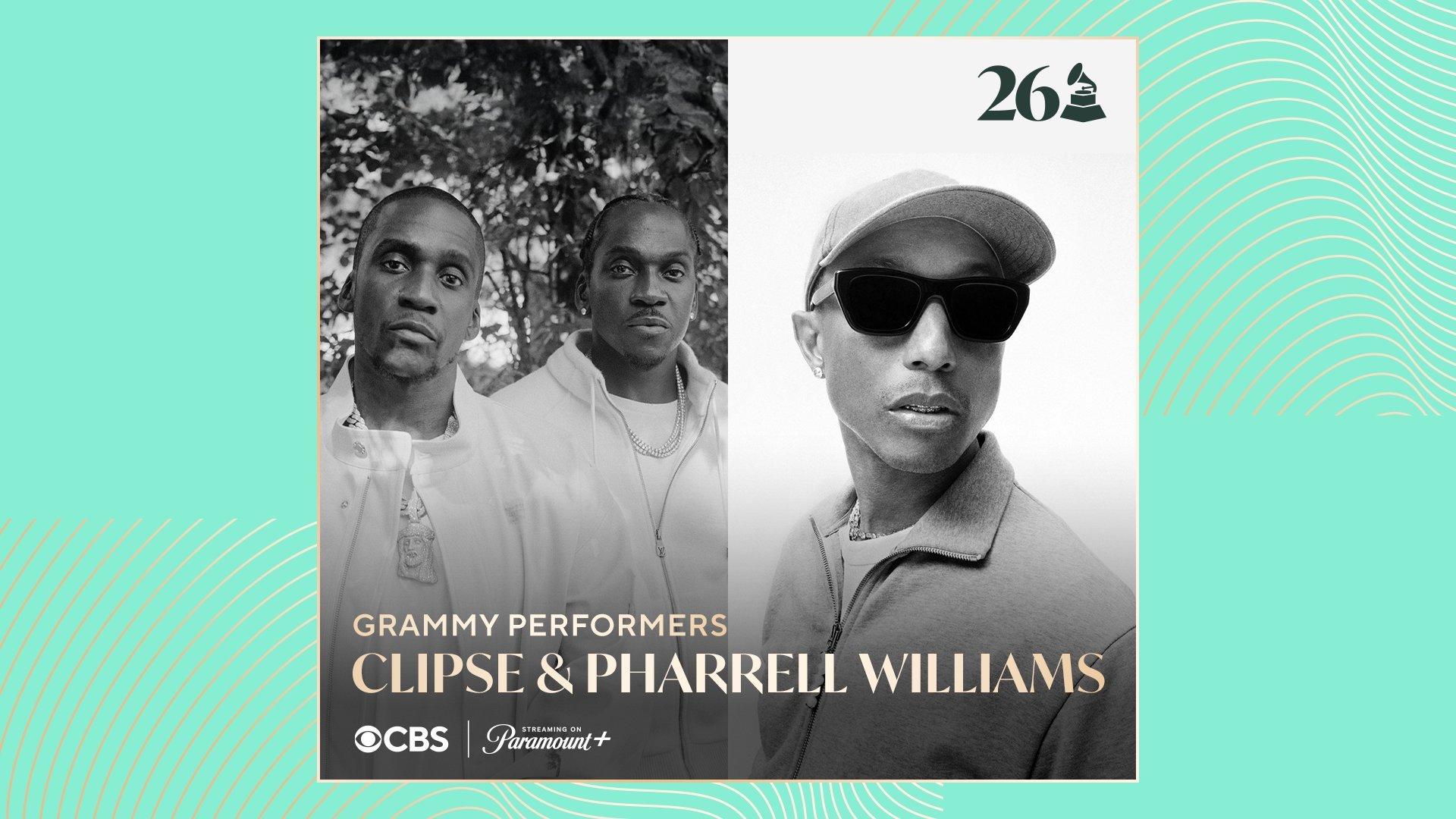
Current Grammy nominees Clipse (L) and Pharrell Williams (R) are performing at the 2026 Grammys on Sunday, Feb. 1.
Photos (L-R): Rahim Fortune and Bolade Banjo
Clipse & Pharrell Williams To Perform At The 2026 Grammys
Rap all-stars Clipse and superproducer/artist Pharrell Williams are both nominated at the 2026 Grammys for their work on the former's 'Let God Sort Em Out.'
GRAMMYs/Jan 22, 2026 - 04:59 pm
See the full list of winners and nominees from the 2026 Grammys.
Watch highlights and exclusive Grammys content from the 2026 Grammys all year long.
Current Grammy nominees Clipse and Pharrell Williams have been announced as performers at the 2026 Grammys.
Clipse are nominated for five Grammy Awards this year: Album Of The Year (Let God Sort Em Out), Best Rap Performance ("Chains & Whips"), Best Rap Song ("The Birds Don't Sing"), Best Rap Album (Let God Sort Em Out), and Best Music Video ("So Be It").
Thirteen-time Grammy winner Pharrell Williams is nominated for four Grammy Awards this year: Album Of The Year (Let God Sort Em Out), Best Rap Performance ("Chains & Whips"), Best Rap Song ("The Birds Don't Sing"), and Best Music Film (Piece By Piece).
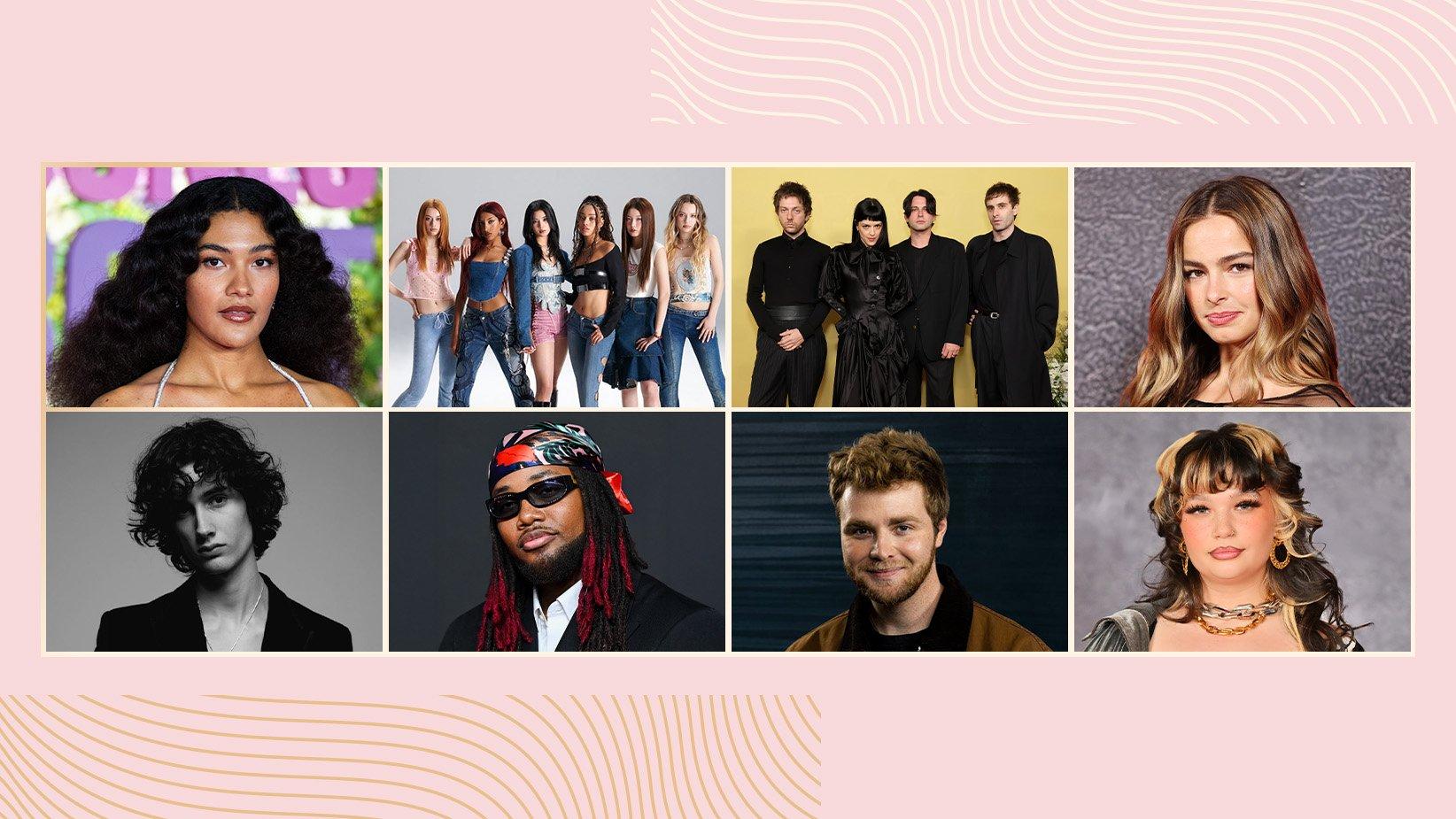
Previously announced performers include current Best New Artist nominees Addison Rae, Alex Warren, KATSEYE, Leon Thomas, Lola Young, Olivia Dean, SOMBR, and The Marías, who will all perform in a special Best New Artist segment at the 2026 Grammys. Sabrina Carpenter will also perform at the 2026 Grammys.
Additional performers at the 2026 Grammys will be announced in the coming days.
See the full list of performers and hosts at the 2026 Grammys to date (updating in real time).
Prior to the 2026 Grammys telecast, the 2026 Grammy Awards Premiere Ceremony will broadcast live from the Peacock Theater in Los Angeles at 12:30 p.m. PT/3:30 p.m. ET and will be streamed live on live.grammy.com and the Recording Academy’s YouTube channel.
Paramount+ Premium plan subscribers will have access to stream live via the live feed of their local CBS affiliate on the service, as well as on-demand. Paramount+ Essential subscribers will not have the option to stream live, but will have access to on-demand the day after the episodes airs.
Fulwell Entertainment is producing the 2026 Grammy Awards for the Recording Academy. Ben Winston, Raj Kapoor, Jesse Collins, and Trevor Noah are executive producers.
2026 Grammys: Performances, Winners & Highlights
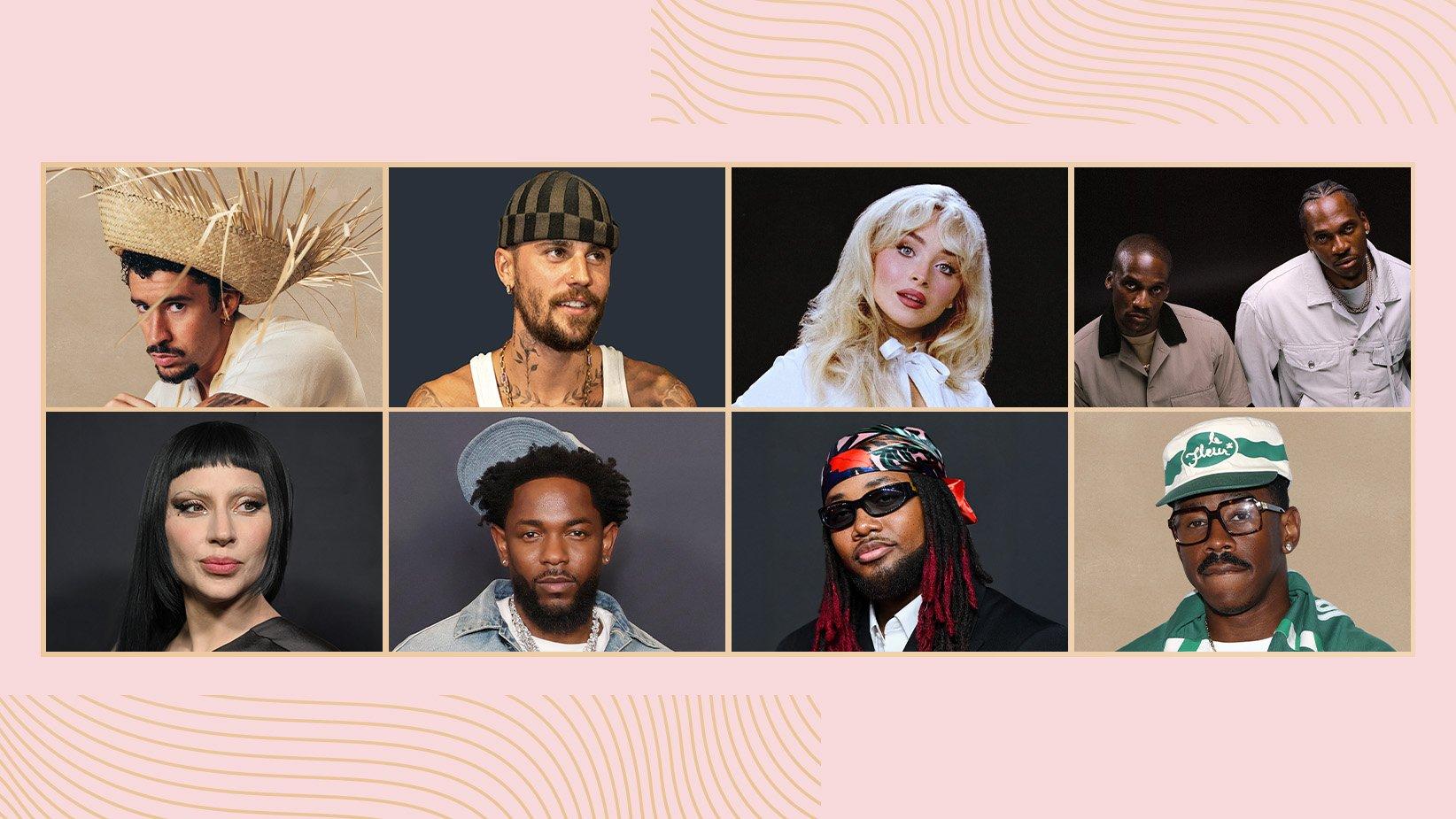
(Top) Bad Bunny, Justin Bieber, Sabrina Carpenter, Malice & Pusha T (Bottom) Lady Gaga, Kendrick Lamar, Leon Thomas, Tyler, The Creator
Photos: Eric Rojas; Cassy Athena/Getty Images; Bryce Anderson; Cian Moore; NBC/Noam Galai/NBC via Getty Images; Monica Schipper/Getty Images for The Recording Academy; Gilbert Flores/Billboard via Getty Images; Arturo Holmes/Getty Images
2026 GRAMMYS Nominations: Album Of The Year Nominees
Whoever takes home the golden gramophone will be a first-time Album Of The Year winner — whether Bad Bunny, Justin Bieber, Sabrina Carpenter, Clipse, Lady Gaga, Kendrick Lamar, Leon Thomas, or Tyler, The Creator.
GRAMMYs/Nov 7, 2025 - 04:19 pm
See the full list of winners and nominees from the 2026 Grammys.
Watch highlights and exclusive Grammys content from the 2026 Grammys all year long.
Releasing an album isn’t just about putting a set of songs out into the world.
It’s about sharing a cohesive piece of the artist’s inner world, opening a portal that anyone can enter and discover something completely new. Each LP reveals a depth of creativity and spirit that just doesn’t exist very often in everyday life. For the artist, it’s an act of transformation; for listeners, it’s an invitation into something raw and resonant, the kind of experience that can shift how we feel, how we think, how we live.
The Recording Academy is proud to present the 2026 GRAMMYS nominees for Album Of The Year: Bad Bunny, Justin Bieber, Sabrina Carpenter, Clipse, Pusha T and Malice, Lady Gaga, Kendrick Lamar, Leon Thomas, and Tyler, The Creator. Their eight LPs each brim with unparalleled artistic and technical skill.
This year’s potential winners include several previous Album Of The Year nominees who have yet to take home the award, as well as a few first time nominees. No matter who takes home the golden gramophone, the winner will be a powerful first.
Learn more about the nominees below and read the full 2026 GRAMMYS nominations list ahead of Music's Biggest Night on Sunday, Feb. 1, 2026.
Bad Bunny — DeBÍ TiRAR MáS FOToS
From his upcoming performance at the Super Bowl halftime show to yet another in a long string of genre-defining and -defying albums, Bad Bunny remains at the center of the pop conversation. With his DeBÍ TiRAR MáS FOToS, the Puerto Rican megastar returns to the Album Of The Year Category for the first time since 2023's Un Verano Sin Ti was nominated.
DeBÍ TiRAR MáS FOToS ("I Should Have Taken More Photos") immediately establishes a new, confident chapter in Bunny’s creative journey. Both a creative reset and a homecoming, this deeply Puerto Rican record holds onto its roots with a depth and sincerity that’s both personal and political.
The 17-track project finds Bad Bunny sounding grounded, reflective, and newly centered, embracing maturity without losing his edge. DeBÍ TiRAR MáS FOToS blends traditional Puerto Rican sounds — salsa, bomba, plena, and early reggaeton — into lush, forward-looking blends thanks in part to trusted collaborators such as MAG, Tainy, and La Pacienca.
A polychrome, far-reaching set, the album feels intimate even at its most extreme, weaving through love, loss, and cultural memory. But DeBÍ TiRAR MáS FOToS is more than diaristic expression; it’s a powerful outward statement and reclamation. Recorded entirely in Puerto Rico with local collaborators, it’s a proud assertion of identity and defiance. And while Bad Bunny has always been a proud proponent of Puerto Rico, its musical traditions and its people, the full-throated bravado and expression of strength on DeBÍ TiRAR MáS FOToS will make it a landmark album for the country for years to come. In returning home, Bad Bunny has crafted his most spiritually and sonically rooted work yet.
Justin Bieber — SWAG
Considering he’s been entrenched in the heart of the music industry for decades, it’s tempting to think of Justin Bieber alongside a tier of aging pop stars — and by that virtue, expect him to be trying out some harebrained reinvention scheme. But in reality, he’s only recently entered his 30s, and the radiant SWAG shows that he’s still in his pop prime.
Bieber’s seventh album glides between genre touchstones without losing footing, a 20-track album equal parts confidence and confession. Featuring the likes of Gunna, Sexyy Red, and Lil B (and production assists from Dijon, Daniel Caesar, Mk.gee, and longtime collaborator Eddie Benjamin), SWAG leans into the the titular energy of hip-hop without sacrificing soul.
Throughout the mix, Bieber’s voice remains the anchor, tender when it needs to be, silky when it wants to be, and always unmistakably Biebs. Whether touching on smooth R&B, glossy pop, gospel, or even new jack swing, those vocals keep things distinctly warm and human. Tracks like "Go Baby," "Devotion" and "Yukon" are lived-in love songs that transcend cliche and shimmer with emotional clarity. Elsewhere, he plays with texture and tempo, balancing romantic sincerity with the playful energy that first made him a star.
This is Bieber's third nomination for Album Of The Year, with 2022's Justice (Triple Chucks Deluxe) his most recent run at the award. And where that record buoyed and bopped, SWAG has a smoother confidence, the work of someone at peace with their talent and looking to see where it might go next. To that end, the album represents a truly personal reset: it’s Bieber’s first since parting ways with former manager/guru Scooter Braun and his first as a new father.
About a decade and a half since his GRAMMYS debut, Bieber continues to reinvent what pop stardom looks and sounds like. SWAG proves that sometimes evolution comes down to discovering the confidence to sound exactly like yourself.
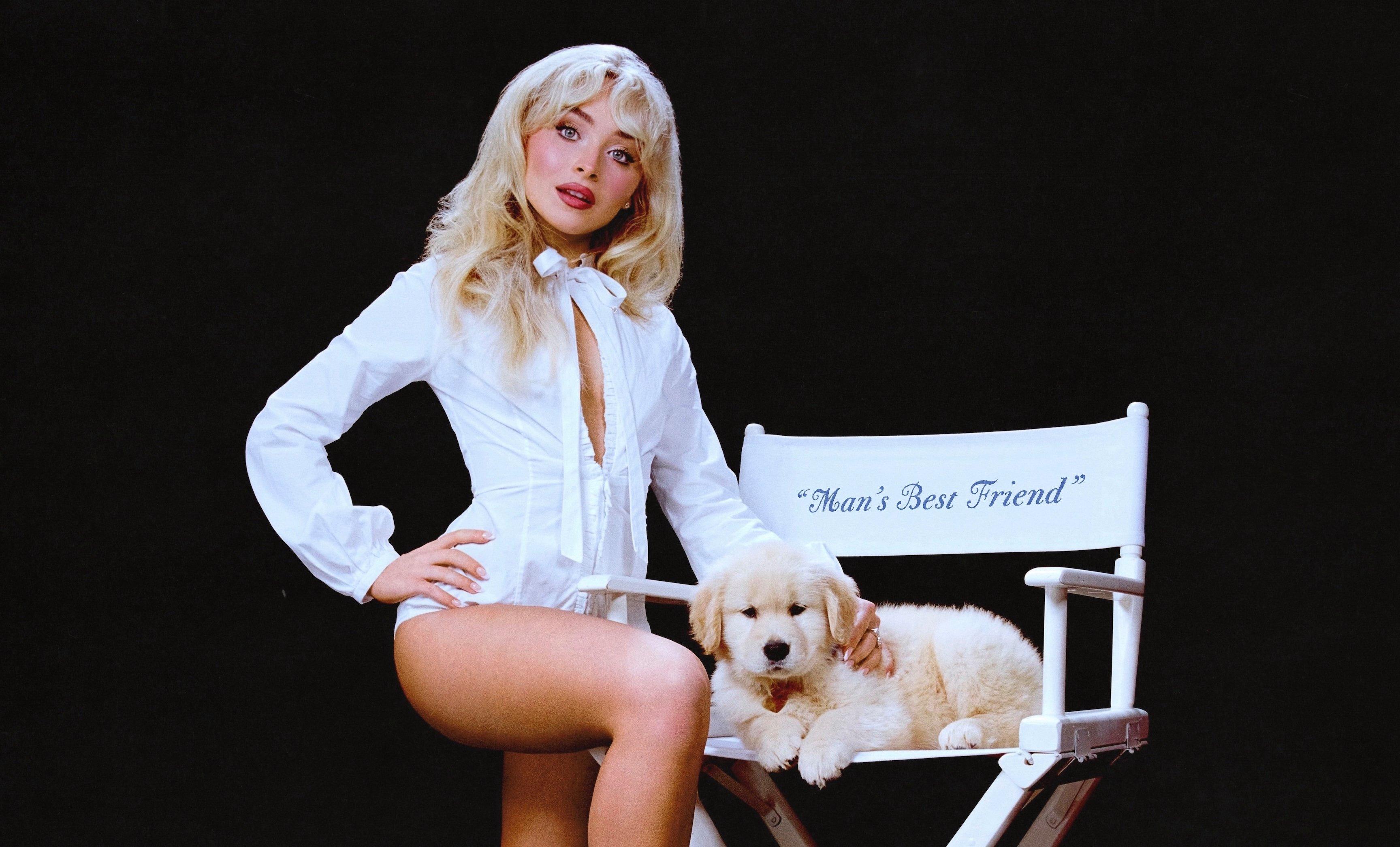
Sabrina Carpenter — Man’s Best Friend
After conquering pop with Short n’ Sweet, Sabrina Carpenter is already back for another bite. Less than a year after her GRAMMY-winning breakout, the former child star dropped Man’s Best Friend — a sharp, cheeky and emotionally unguarded follow-up that proves lightning can strike twice.
Some stars may have ridden the pop high of Short ‘n Sweet for years, so when Carpenter announced her followup it came as quite the shock. But considering the whirlwind year that accompanied its predecessor, it’s no surprise that the singer decided she had enough inspiration for new material. And despite being inspired by the hectic energy of celebrity life and a public breakup, Man’s Best Friend features an effortless energy that pulses through every synth shimmer and sly one-liner. "I felt so at ease making Man’s Best Friend," she told fans in an email about the record. "This one felt like riding a bike."
Reuniting with writer/producers Jack Antonoff, Amy Allen and John Ryan, Carpenter leans into her signature blend of flirtation and finesse. Across 12 tracks, she unpacks her emotional core with the wit of someone who’s survived love and loss and then tried again. Whether in disco dreamscape, country-pop catharsis or neon pop glow, Man’s Best Friend carries the authenticity, easy charm, and fluid energy of its creator.
The LP carries the sass and sparkle of Short n’ Sweet but balances it with a deepened vulnerability, Carpenter exploring her soft spots without losing her bite. But even at her most vulnerable, there’s always room for a punchline or jab; Carpenter remains delightfully, defiantly herself. With Man’s Best Friend, Carpenter is cementing her place as one of pop’s sharpest tongues: sassy, self-aware, and entirely unstoppable.
Clipse, Pusha T & Malice — Let God Sort Em Out
A lot has happened in the eighteen years since Clipse’s last album, but not the steely intensity of Pusha T and Malice. The brothers’ new album, Let God Sort Em Out, isn’t a reunion tour, it’s a fiery exclamation point reinforcing their place as rap royalty.
Nearly two decades after Til the Casket Drops, Clipse returned to their throne, supported once again by longtime collaborator Pharrell Williams. The result is an uncompromising masterclass that reasserts Clipse’s dominance while peeling back the mask on fame, faith and grief.
Over Pharrell’s stripped-down, diamond-edged production, Clipse show no sign of rust or reunion cash-grab laziness. The album opens with a gut-punch meditation on the loss of their parents and explodes outward, building from a confessional platform to the coke rap bravado that made them legends.
From there, it’s all fire and precision, Pusha and Malice delivering bars with iron fists while Pharrell balances Hell Hath No Fury minimalism with his trademark cinematic flair. Not to mention, the guest list is absolutely stacked, with spots from John Legend, Kendrick Lamar, Nas, The-Dream, and Tyler, The Creator, among others
Let God Sort Em Out proves no one delivers truths quite like Clipse. An Album Of The Year GRAMMYS nomination further establishes their status as one of rap's most incisive acts.
Lady Gaga — MAYHEM
Seven official studio records in, Lady Gaga is still finding ways to bring massive ideas and expression into the pop sphere. Yet MAYHEM works in a controlled chaos unlike anything else in Gaga's catalog. With four Album Of The Year nominations under her belt, the Little Monsters are hoping that MAYHEM will add to her impressive 14 GRAMMYS wins.
MAYHEM shows Gaga deftly wrangling sonic chaos that would fell a lesser artist: She maintains a strong hold on her pop roots, while incorporating dance-floor and disco experimentation of her previous releases. She added that the record is an "integration of who I am in real life and who I am on stage, and how I really started to celebrate bringing those two things together." Rather than characters, MAYHEM feels like a team of Gagas inhabiting the same space, each true and tied to her heart while retaining the frenetic energy of her performative style. The fashion choices surrounding MAYHEM reflected Gaga's harnessing of her varied parts, with the usually color-blasted pop star donning asymmetrical black.
MAYHEM is also a showcase of Gaga’s collaborative alchemy. Her fiancé, Michael Polansky, is listed as an executive producer, while high-profile board whisperers like D'Mile, Andrew Watt, and Cirkut join in the fun. Add to that features from Bruno Mars and Gesaffelstein and you get an album that unites past, present, and future across an impressive 53-minute run-time. Balancing intimate balladry, playful provocation, and electrifying theatrics, MAYHEM celebrates every Gaga out there, both within herself and her listeners.
Kendrick Lamar — GNX
Few people in history have had as good a time at the GRAMMYS as Kendrick Lamar did just last year, with "Not Like Us" netting five golden gramophones. That brought his career total to 22. And now with GNX, surprise-released as 2024 drew to a close, Kenny may already be on the way to growing that total.
The followup to the superb Mr. Morale & the Big Steppers, GNX takes its name from a car model akin to the one that Lamar's father drove when the rapper was a baby. Equally telling, GNX is the first album released by pgLang, the company Lamar founded, without collaboration from his former label home TDE. All said, GNX moves from the outward-pointing Drake feud energy of "Not Like Us" and back into the soul of its author.
GNX isn't without its nimble daggers, finding all the right words to cut at competitors and boast of his superiority. And with the old-school swagger, iconic bars, and expressive production, that superiority feels earned. Lamar also brings along a crew of features from around his Compton home, most notably SZA, Roddy Ricch, and Lefty Gunplay. Production comes courtesy of Sounwave, Kamasi Washington, and even Jack Antonoff. Whether pushing g-funk-indebted synths or more Mustard-y string section goodness, GNX is a celebration, a victory lap, a next step forward, and a building block for even greater things to come.
Leon Thomas — MUTT
No one could have scripted the route that took Leon Thomas to this an Album Of The Year nomination. But after years of shining in whatever project he happens to be in — whether on Broadway, kids' sitcoms, animation or music — Leon Thomas fully stepped into the spotlight with MUTT. His second solo album, MUTT is a bold declaration of artistic autonomy.
After a childhood career in Broadway and Nickelodeon, Thomas announced his foray into solo musicianship in 2012, releasing a promising mixtape that also featured former co-star Ariana Grande. In the years that followed, he amassed a catalog of writing and production credits with Freddie Gibbs, Post Malone, Rich the Kid, Jack Harlow, SZA, Drake, and many more. But Thomas deftly tackled transitioning from in-demand producer back to headlining artist, with MUTT's title track dominating charts.
An impressively cohesive and confident record, MUTT is a fusion of jazz, neo-soul, and rock, rooted in Thomas’ lifelong influences: a wide range from Art Blakey and Miles Davis, to Black Sabbath and Led Zeppelin. Across 14 tracks, Thomas blends lush instrumentation and stacked vocals to forge a sound that’s both expansive and intimate. More broadly, MUTT represents the artist’s journey of embracing creative control, breaking genre rules, and owning the narrative of his career.
While Thomas entered the year with a GRAMMY under his belt for his work on SZA's "Snooze," the 2026 GRAMMYS could fully ensconce Thomas as a star in his own right as an R&B visionary capable of rich, genre-defying statements.
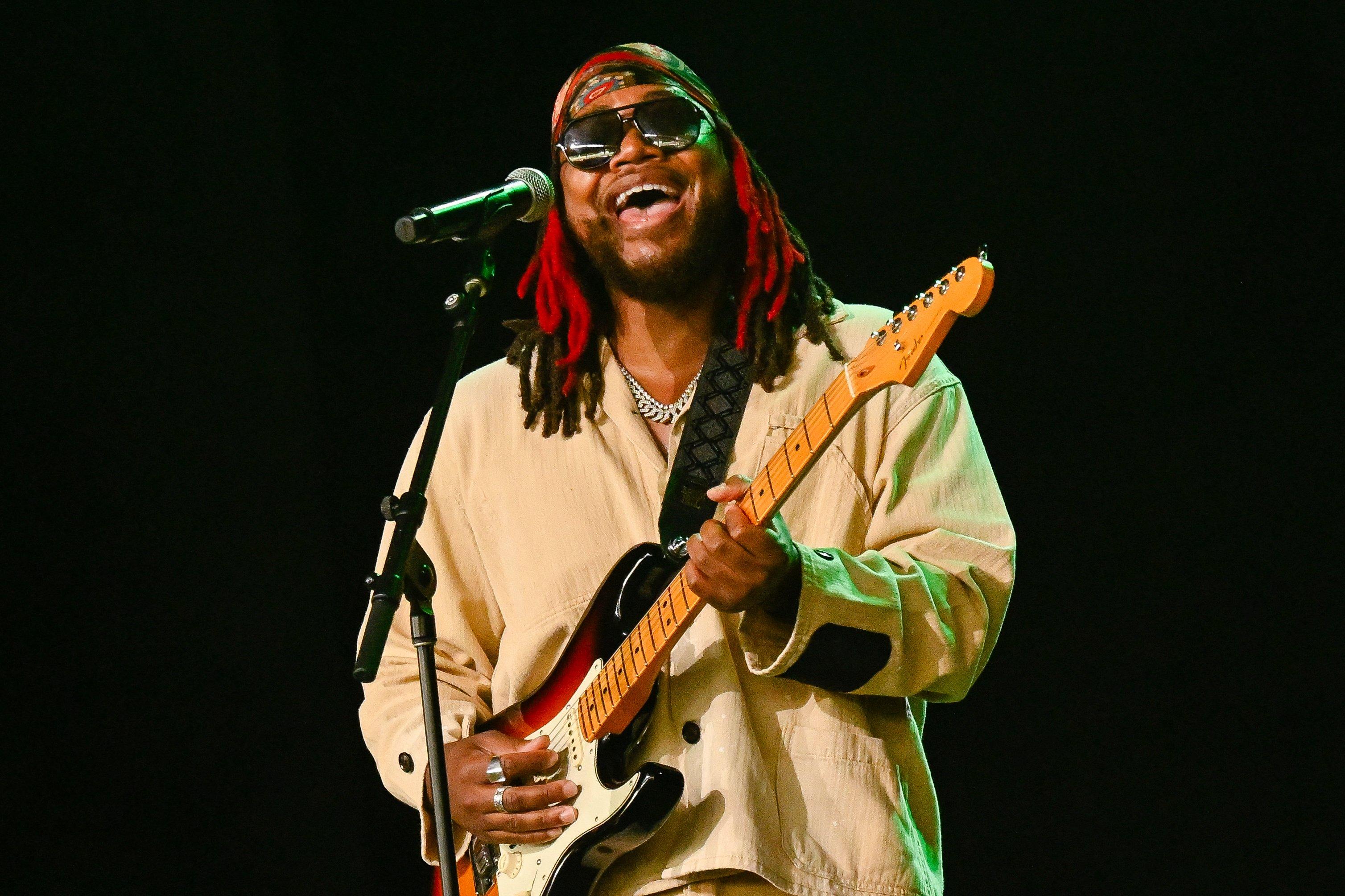
Tyler, the Creator — Chromakopia
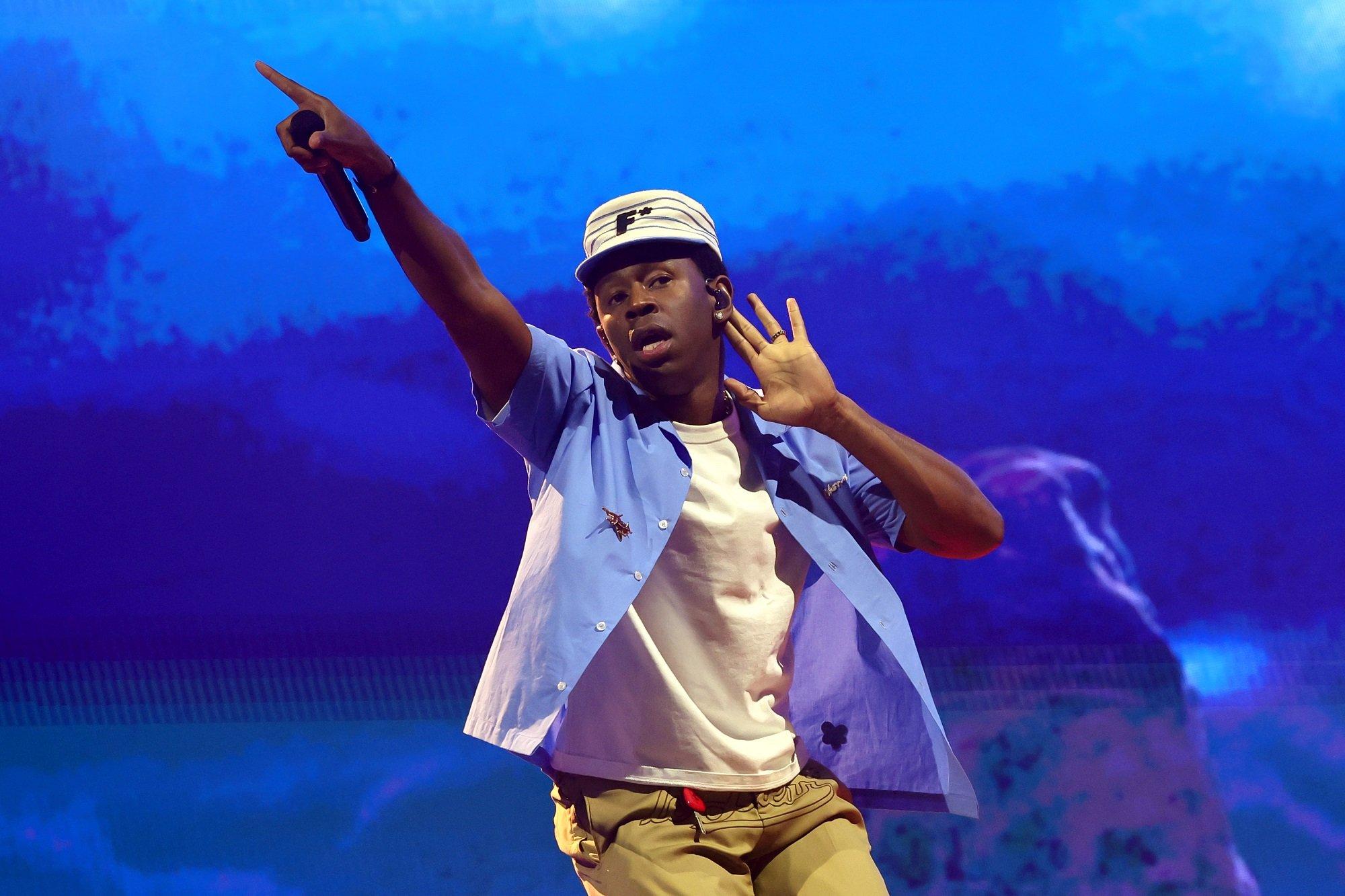
After entering the public consciousness with the reputation of a button-pushing outsider, Tyler, the Creator has truly blossomed into one of the most unique voices in rap — including Best Rap Album wins for both 2019's Igor and 2021's Call Me If You Get Lost. His Album Of The Year nomination for the hypercharged Chromakopia further solidifies Tyler's ascendancy as hip-hop royalty.
Chromakopia is propelled by self-scouring lyricism, with Tyler revealing emotional depths that so many others are afraid to face — let alone expose to the world. It takes a special kind of artist to do a self-diss track, after all. Throughout the album, Tyler, the Creator and Tyler Okonma (his government name) seem to be in fluid conversation, with Tyler's mother, Bonita Smith, offering diaristic narration. A blend of jazz and soul stylings lends an added dimensionality to that exploration, Tyler knowing when to push thoughtful calm and when to ramp up the intensity.
While Tyler naturally remains the center of the conversation, he brings together an impressive guest list including GloRilla, Doechii, Lil Wayne, Schoolboy Q, and Sexxy Red. Tyler masterfully brings those big personalities together in his own narrative, turning them into a cohesive chorus in support of his vision.
If Tyler's early days were highlighted by controversial aggression and the second era of his life was headlined by wild-eyed, technicolor emotionality, Chromakopia signifies a more precise, introspective take — though, of course, without losing an ounce of the razor-sharp lyricism. It’s tempting to say this isn’t the same Tyler of Odd Future, but the beauty of Chromakopia comes in showing the many facets of Tyler’s brain, coexisting under the microscope.
2026 Grammys: Performances, Winners & Highlights
Danny Brown
Photo: Ariel Fisher
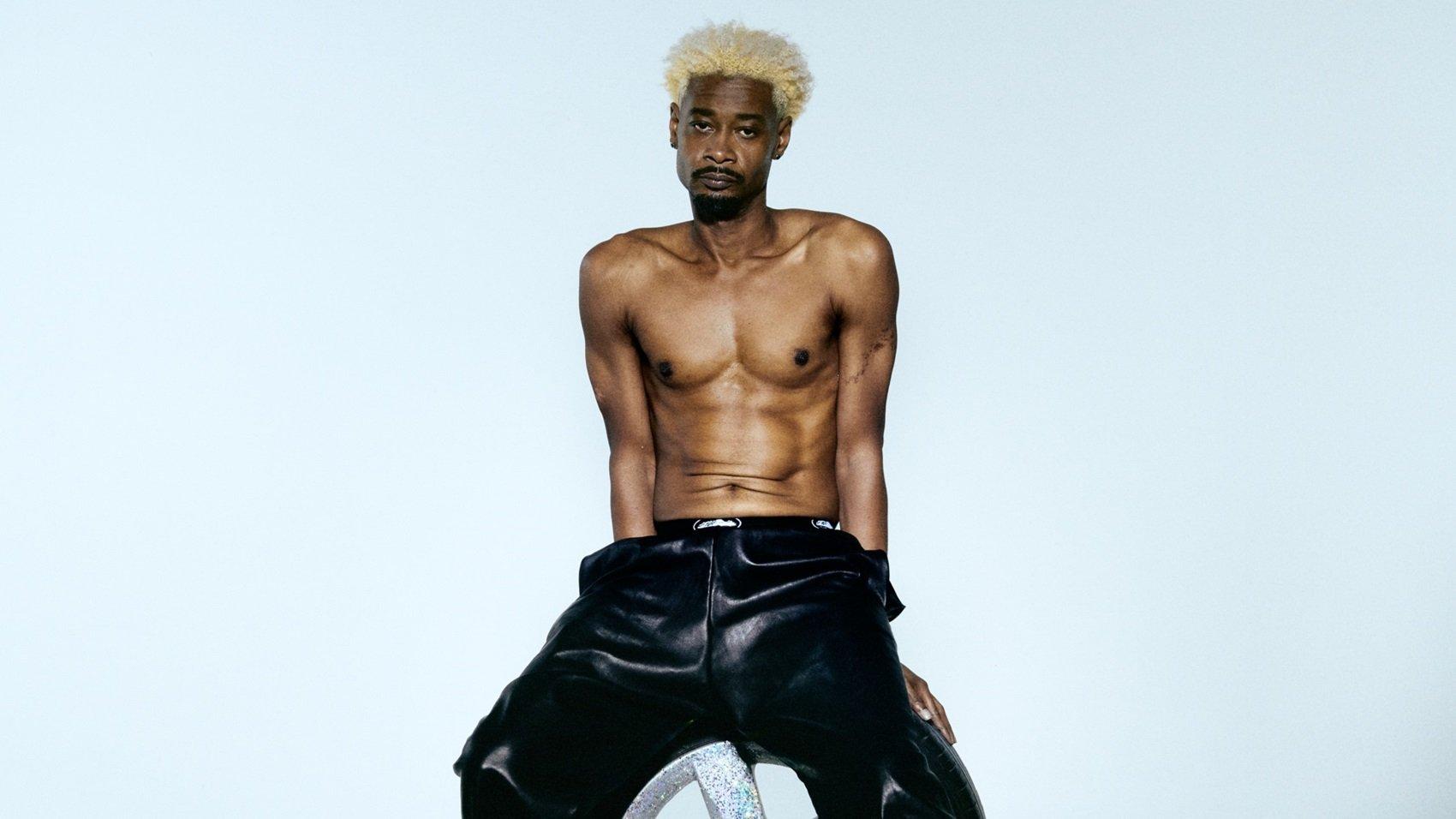
On 'Stardust,' Danny Brown Found Sobriety — And Hyperpop
The 44-year-old rapper changes his stripes with every album. But his latest record is his first time ever doing it sober, with help from surprising new friends.
GRAMMYs/Oct 27, 2025 - 02:17 pm
Danny Brown’s ears are like no one else’s — certainly not in rap. His catalog of albums released since 2011 fittingly reflect his sonic diversity.
The wisecracking breakthrough XXX brought his devious cackle to worldwide attention in 2011; two years later, Old offered lookbacks on a dope-dealing past and gleefully irresponsible party anthems. He spread his wings on 2016’s Atrocity Exhibition (named after a Joy Division classic redolent of the depressed soundscapes within); 2019’s uknowhatimsayin? was executive produced by Q-Tip and influenced by stand-up comics. None of Brown's releases sound alike and his last two albums — the noisy, inventive JPEGMafia team-up Scaring the Hoes and his quietest, most reflective album, Quaranta — were especially divergent.
His new album, Stardust, goes on yet another new sonic journey. While some of Brown's most well-known songs include "Blunt After Blunt," "Kush Coma," and "Smokin & Drinkin," Danny Brown has changed his tune. In March 2023, Brown worked with MusiCares to find a rehab center, and has been sober since. Where he previously boasted of wanting to "party like Chris Farley" on XXX's "Die Like a Rockstar," maturity has a way of changing that outlook. Stardust is the artistic rebirth of a man determined to live, having vanquished major demons.
Brown’s conscious of the perception that sobriety has historically led to boring music; no one could accuse Stardust of that, though. The album is the most danceable, colorful, highest-bpm Danny Brown release to date, with assists from stars of the hyperpop scene such as Jane Remover, Frost Children, underscores, and Femtanyl (the latter two will join Brown on tour). But once again, he’s managed to take his sound in a whole new direction bursting with ideas and energy. And he’s cool with other people getting trashed to it.
"Just because I’m sober now doesn't mean people in the crowd are. So I can't tell them not to have a good time," Brown says with a giggle. "I’m the one that’s 44 years old."
The now-Texas-based rapper spoke with GRAMMY.com about how he made his first-ever recording in sobriety, and how hyperpop and U.K. dance music reinvigorated his muse.
This interview has been edited for concision and clarity.
Stardust has the most collaborations you’ve ever put on one record; Quaranta, your last record, was almost the opposite. Was it intentional to go from zero to 100 with those?
I mean, Quaranta was recorded during COVID and lockdown. So maybe if times were a little different, the album would have been different. With this album I was just a fan of and really inspired by everybody that's on the album. I really wanted to work with them.
I figured it was because the last one was so autobiographical and introspective.
I still feel like [Stardust] is, ‘cause it kind of continues on the journey of me after rehab in some sense. Once you change your life, everything else kind of changes too.
I don't really play the type of music that I normally was listening to when I was deep in my depression or drug use and when I was drinking. That’s not stuff that I want to hear in my sobriety now. When I was in rehab, I was listening to a lot of 100 gecs and stuff like that just resonated with me.
Was that your first exposure to hyperpop?
During quarantine, that's when I first heard ["Money Machine"] by 100 gecs. We was all locked down then, and I would just start finding out about different artists that was in that scene. I remember they was doing the livestreams on YouTube, and I would watch those, too, and I got put up on a lot of [artists]…that's how I did that song with Dorian Electra back then. But even before that I was listening to Ashnikko, so I always was starting to trend in that direction and just found something that would work in my world musically.
I could definitely hear some of your music trending that way on Scaring the Hoes. Does your taste go back to, say, Aphex Twin and ‘90s drum ‘n’ bass?
Yeah, there's a lot of breakcore stuff on there, but I think that started with me just listening to grime. Dizzee Rascal is one of my top three favorite artists in the world and I wouldn’t have been able to make this album without him.
So once I got exposed to grime, I started getting exposed to more U.K. sounds. Grime came from garage, and garage came from jungle and drum ‘n’ bass. Doing my homework with that stuff just took over my world.
Definitely, and similar to both Dizzee Rascal and drum ‘n’ bass, you rap in double time a lot on this record. Was that something you were already primed to do?
If you go back and listen to my Old album, that’s when I would start to try to mess around with it a little bit. But back then I was still heavy into drinking. So I would be drunk trying to do the hardest rap style you can possibly think of. We would nudge the lyrics or do whatever we have to do sometimes, but then I would have to take these songs and perform them on stage.
So I think after years of doing it drunk, now that I’m doing it sober, I perfected it. [Laughs.]
This is the first album you’ve ever made sober, right? Congratulations, that’s obviously an enormous lifestyle change. If you’re comfortable, I wanted to ask specifically how that changed your writing process.
It was really hard. [Laughs.] I actually found out about this book called The Artist’s Way, written by somebody who figured out how they got back into being able to write once they got sober. They give you these exercises, like, take yourself on artist dates or journal every day. I eventually developed a process with it and I can't say it really sticks; I feel like every album I try to do something different with my writing processes. I just listen to the beat all night and then I go to sleep and kind of dream it. And then I wake up in the morning, have my first cup of coffee, and I write it in, like, 10 minutes.
Did you take yourself on an artist date? What did that look like?
Yeah, you would take yourself to do s— I probably wouldn’t normally do, like go to a museum. But I understood why I was doing it because it was getting you out of your head where you could just release feelings or emotions. So my mind would just be clear to concentrate on music.
You rapped onstage with A.G. Cook at Coachella this spring. Were you ever in contact with [late legendary producer] Sophie? I feel like you two were kindred musical spirits in some ways.
That’s one of the things I’m really bummed out about. When I first heard [Sophie’s] "Bipp," I was like, this is about to be like the next wave of grime. And I really wanted to work with Sophie, but I remember Vince Staples had worked with Sophie [on "Yeah Right"].
Something about us hip-hop guys: When somebody do something, it’s like, ah, he did it first. And I really wish I didn’t think like that back then. I wish I didn’t have that old rapper brain.
It’s funny you say that because one of the only albums like Stardust is Vince’s Big Fish Theory, which still sounds pretty different. But just that openness to work within dance music and U.K. garage sounds. I also love how [Stardust opener] "Book of Daniel" is this triumphant, emotional introduction that suddenly switches gears to the "fun" music right after. It’s a good bridge from the last album to this one.
That’s exactly what it was, if you end the last album with that song and start this one. I kind of want all of my albums to seamlessly flow like that. So I don't know if people even notice that, but all my albums kind of do that. The last song goes into the first one. Every album does it.