
Photo: Clarence Davis/NY Daily News Archive via Getty Images
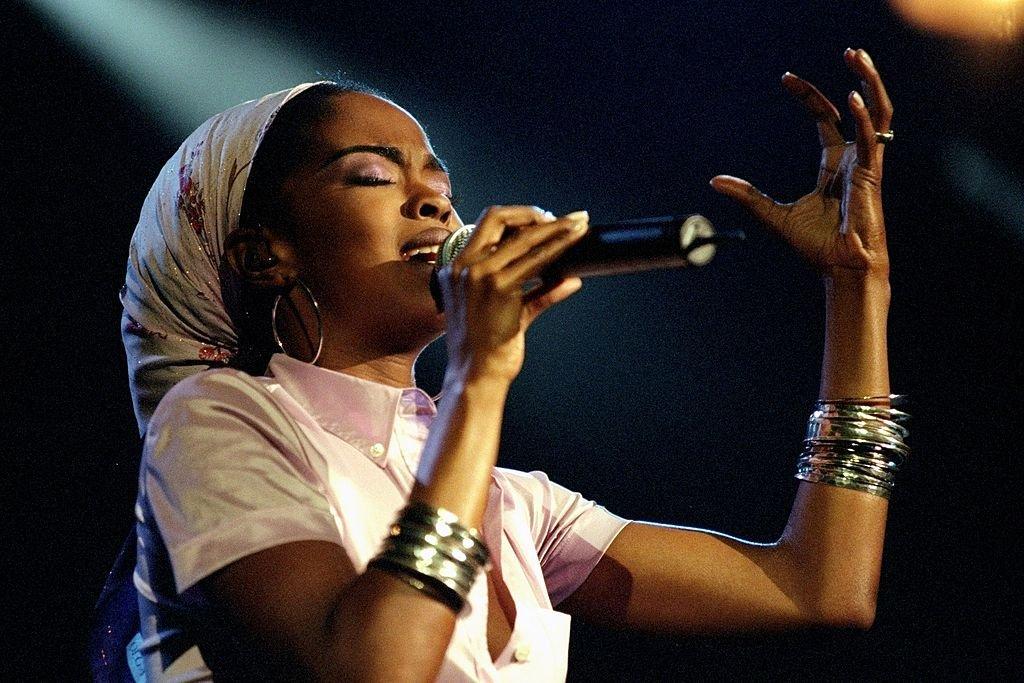
Lauryn Hill performing 'The Miseducation of Lauryn Hill' at Madison Square Garden in 1999
Revisiting 'The Miseducation Of Lauryn Hill': Why The Multiple GRAMMY-Winning Record Is Still Everything 25 Years Later
Lauryn Hill will celebrate her magnum opus with a series of anniversary performances throughout the summer, including at the Roots Picnic June 3-4. Ahead of the show, GRAMMY.com examines how Hill's only solo album continues to impact music and womanhood.
GRAMMYs/Jun 1, 2023 - 01:09 pm
By the time she released The Miseducation of Lauryn Hill in 1998, singer and rapper Lauryn Hill had already scored two GRAMMY Awards for her work in the hip-hop trio Fugees. Her debut solo album — and only one to date — generated another seven wins, including Album Of The Year and Best R&B Album, which brought rapping to the mainstream in a way previously unseen. And in a male-dominated genre, this feat was achieved by a strong woman.
"This is crazy, ‘cuz this is hip-hop music!" Hill exclaimed when Whitney Houston presented her with the golden gramophone for Album Of The Year at the 41st GRAMMY Awards in 1999.
Hill set a number of records with Miseducation: The lead single "Doo Wop (That Thing)," released two weeks before the album, immediately went to No. 1 on the Billboard Hot 100 and Hot Rap Songs chart. As a woman solo artist, she set long-held records for both charts with "Doo Wop (That Thing)." The album also entered the Billboard 200 chart in the top position, which no other debut from a woman had achieved before.
Loading...
Miseducation contains 16 songs and is over 77 minutes in length — a long album by modern standards, yet fitting for Hill’s magnum opus. The album features guest appearances by Carlos Santana ("To Zion"), Mary J. Blige ("I Used to Love Him") and D’Angelo ("Nothing Even Matters"), bringing listeners back to the classroom for interludes where Hill schools the world on what a vanguard looks like.
And Lauryn Hill was at the vanguard in many ways. Several women who were popular in mainstream hip-hop at the time favored scantily clad outfits and scandalous lyrical content, but Hill projected the opposite in songs about love, faith, fortitude and empowerment. Throughout Miseducation, Hill talks to God and to the world, while simultaneously issuing warnings for those who have mistreated her.
Twenty-five years later, Miseducation still sounds vibrant, alive and current. That’s a testament to how influential Hill’s work continues to be not only in popular music, but in pop culture and womanhood — especially for Black women and single mothers.
"I think the piece as a whole communicates my personality, it is the culmination of my experiences, the sum total of what I had gone through at a certain point in my life," Hill told The Guardian in 2013. "To me it's like driving in a storm, it's hard to see where you're going. You're just praying to get out of it. But once you get out of it, you can look back and say; ‘Oh man, thank god!’ Give thanks, 'cos that's what I came out of. That's what that album feels like to me."
"Doo Wop (That Thing)," "Ex-Factor" and "Everything Is Everything" were each accompanied by masterful music videos that showed Hill as a woman who transcends the ages.
Speaking To Women
For women who were faithful hip-hop fans despite a prevailing tide of misogyny and death, as well as those facing single motherhood, Miseducation demonstrated a positive and empowered way forward. Instead of catering to the male gaze, the songs spotlight the joys and the struggles of women with rugged beats and lyrics that highlight her pure skill as an MC.
"Lost Ones" asserts her split from Fugees with the bravado of the best wordsmiths, while "I Used to Love Him" with Mary J. Blige samples the very macho "Ice Cream" by Wu-Tang Clan rappers Raekwon, Ghostface Killah, Method Man and Cappadonna. And songs such as "Doo Wop (That Thing)" and "To Zion" showcase her powerful abilities as a singer, a potent accompaniment to her rhymes.
"Lauryn was a breath of fresh air, a hope and — unrealistically — a solution to what was wrong with hip-hop and its representation of women at the time," Joan Morgan, author of She Begat This: 20 Years of The Miseducation of Lauryn Hill, said in a 2018 interview with VIBE. "I think people hold dear to it as a really exciting possible moment of change, which in some ways wore itself out and in some ways didn’t. It does more work than just an album…It’s like running into an old friend that you don’t necessarily keep in touch with all the time, but one you have really fond memories of."
"It wasn’t until much later that I realized how many women and girls were changed by the album," Thembisa S. Mshaka, who worked as the senior advertising copywriter for Sony Music during the album’s release, told Okayplayer. "I was shocked to learn how many of the women I’d meet throughout my career still had point-of-purchase flats of the cover, or posters, or ads ripped from magazines like Honey and VIBE on their walls. Lauryn was that role model for the hip-hop generation that Diana Ross was for the Motown generation."
The Pressure
Hill immediately faced monumental pressure from fans and the music business to produce more music after Miseducation. She later shared that the squeeze was taking a toll on her art.
"I had to step away when I realized that for the sake of the machine, I was being way too compromised," she explained in a 2006 interview with ESSENCE. "I had to fight for an identity that doesn’t fit in one of their boxes. I’m a whole woman. And when I can’t be whole, I have a problem. By the end I was like, I’ve got to get out of here."
Though fans keep hope alive, Hill has never released another album, which makes Miseducation even more significant with the passage of time.
"People need to understand that the Lauryn Hill they were exposed to in the beginning was all that was allowed in that arena at that time," she continued to ESSENCE. "There was much more strength, spirit and passion, desire, curiosity, ambition and opinion that was not allowed in a small space designed for consumer mass appeal and dictated by very limited standards."
Hill gave Miseducation her everything, and while she hasn’t released more albums, she has performed songs from the album live countless times over the years. She keeps the material fresh for herself by constantly creating new arrangements, tempos and vibes for the songs, and fans will be able to check that out when she celebrates the 25th anniversary of the album with special performances of the work at Roots Picnic in Philadelphia (June 3-4), Wolf Trap near Washington, D.C. (June 9), Ravinia Festival in Highland Park, IL (June 17) and ESSENCE Festival in New Orleans (June 29-July 3).
"People can be disappointed that we haven’t had more music from her, but I don’t know if they can blame her or be angry," Morgan added in her VIBE interview. "We’re not entitled to another album — I think audiences forget that," she remarks. "You can’t be angry with someone because they only gave you one of what you wanted."
Responding To Persisting Controversy
A 1998 lawsuit filed against Hill by Johari Newton, Tejumold Newton, Vada Nobles and Rasheem Pugh alleged that the star didn’t credit their musical contributions to Miseducation. The suit was settled out of court, but accusations outside the legal arena have persisted over the years.
In 2018, Hill posted a written response to pianist Robert Glasper’s claims that she uses work from others without crediting them. In it, she acknowledged that it took the work of others to bring her vision to life, but asserts that she is the nucleus, and that she hired musicians to execute her specific ideas.
"The album inspired many people, from all walks of life, because of its radical (intense) will to live and to express Love," she countered in the response, which was posted to Medium. "I appreciate everyone who was a part of it, in any and every capability. It wouldn’t have existed the way that it did without the involvement, skill, hard work, and talents of the artists/musicians and technicians who were a part of it, but it still required my vision, my passion, my faith, my will, my soul, my heart, and my story."
A quarter century later, The Miseducation of Lauryn Hill remains timeless. It has been prominently sampled by major artists who followed, including Drake, Cardi B, Lizzo, H.E.R. and J.Cole. The beauty of this iconic album is that it may well spark the brain of the next musician who will make as much of an impact on music and humanity.
Arlo Parks On How Patience, Film & Falling In Love Molded 'My Soft Machine'
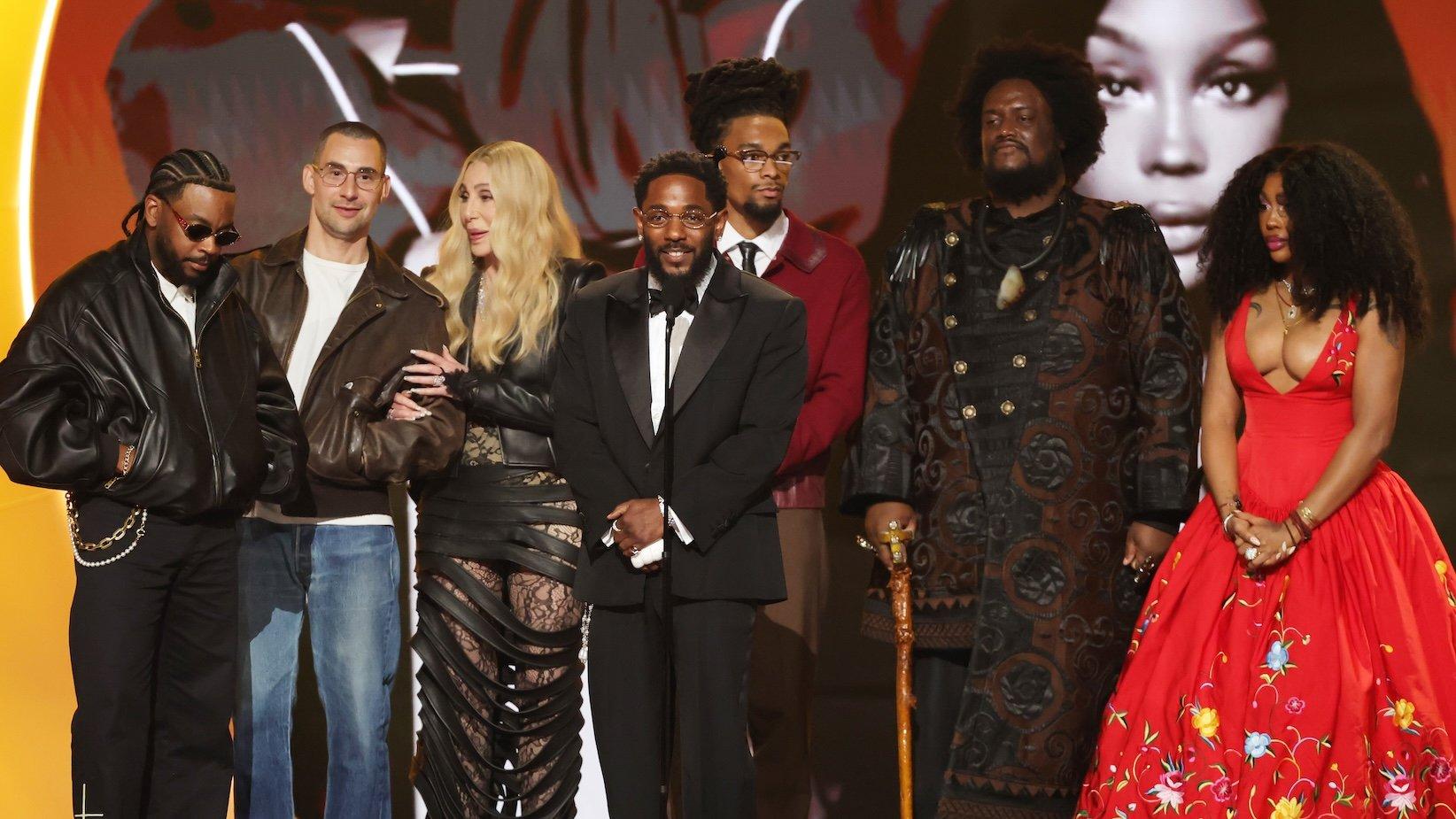
Kendrick Lamar and SZA win the Grammy for Record Of The Year at the 2026 Grammys on Sunday, Feb. 1, at Crypto.com Arena in Los Angeles, California. (L-R) Sounwave, Jack Antonoff, Cher, Kendrick Lamar, Scott Bridgeway, Kamasi Washington, and SZA.
Photo: Kevin Winter/Getty Images for The Recording Academy
10 Rappers Who Have Won The Most Grammys: Kendrick Lamar, Jay-Z, Eminem & More
From Jay-Z to Lauryn Hill, Grammy.com highlights 10 artists with the most Grammy Awards. Their impact, influence and innovation have helped shape the culture — and earned them an abundance of accolades.
GRAMMYs/Feb 2, 2026 - 01:18 am
Editor’s Note: Updated Sunday, Feb. 1, 2026, to reflect the results of the 2026 Grammys.
1989 was a year of many highlights, from the debut of "The Simpsons" and "Seinfeld" to the collapse of the Berlin Wall and the beginning of the Game Boy. It was also the first year hip-hop artists won Grammy Awards, an honor that went to D.J. Jazzy Jeff & the Fresh Prince for "Parents Just Don't Understand."
Hip-hop and the GRAMMYs have come a long way in the ensuing decades. While Will Smith and DJ Jazzy Jeff broke barriers with their win for Best Rap Performance, the duo boycotted the show because the rap Category was not televised. The boycott proved successful, as the genre Categories began to be televised during the following year, in 1990, and every year since then.
Read more: Who Are The Top GRAMMY Awards Winners Of All Time? Who Has The Most GRAMMYs?
Now, the Recording Academy celebrates the sounds of hip-hop and acknowledges the genre’s indelible impact; few genres have disrupted and defined music on such a global scale. Hip-hop rappers, producers, and songwriters have significantly shaped the musical landscape, garnering a bevy of Grammy Awards along the way. And although many artists have taken home Grammy Awards since ‘89, there are a few artists in the game who reign supreme.
Read on for 10 rappers who have won the most Grammy Awards
Kendrick Lamar
27 wins, 66 nominations
Loading...
Kendrick Lamar’s wins represent a return of “conscious” rap that tackles topics such as race and politics while embracing the art of authentic storytelling. As such, his 2015 album To Pimp a Butterfly gave way to many social justice anthems such as “Alright” and “Wesley’s Theory”; the release also took home the award for Best Rap Album at the 58th GRAMMY Awards.
Further reading: Kendrick Lamar's GRAMMY Timeline: From His First Win And Performances To "Not Like Us"
Additionally, Lamar’s most successful album, DAMN — which features hits like “DNA" and “Humble" — won five GRAMMYs Awards. At the 2025 Grammys, the rapper's hit single “Not Like Us” swept its Categories. Among Lamar's wins that night were Record Of The Year, Song Of The Year and Best Music Video. At the 2026 Grammys, he won the Grammy for Record Of The Year for “luther,” Best Rap Album for GNX, Best Rap Song for “tv off,” Best Melodic Rap Performance for “luther,” and Best Rap Performance “Chains & Whips” (his collaboration with Clipse), breaking the record for the rapper with the most Grammy wins.
Learn more: Kendrick Lamar Sweeps The 2025 GRAMMYs With Song Of The Year Win
Kendrick Lamar’s influence extends to broader cultural events, such as his groundbreaking 2025 Super Bowl halftime show. The show set a record for viewership and became one of the most-watched halftime shows since the Super Bowl’s inception, surpassing 130 million views.
Jay-Z
25 wins, 89 nominations
Loading...
Rapper and business mogul Jay-Z not only holds the record of having the most GRAMMYs of any hip-hop artist, he is also among the most nominated artists of any genre in GRAMMY history.
The rapper’s GRAMMY wins include Best Rap Album, which he won in 1998 for his album Vol. 2…Hard Knock Life. The album, which was nominated for two additional GRAMMYs, was his highest selling and included songs such as “Hard Knock Life” and “Can I Get A…” featuring Ja Rule and Amil.
Learn more: Songbook: How Jay-Z Created The 'Blueprint' For Rap's Greatest Of All Time
In 2006, Jay-Z made his musical debut at the GRAMMYs when he performed “Numb/Encore” with Linkin Park and “Yesterday’ with Paul McCartney. From solo hits to collabs with some of the most legendary artists in music, Jay-Z has dominated the GRAMMYs and shows no signs of slowing down.
Read more: 8 Ways Jay-Z's 'The Black Album' Changed The Hip-Hop Game
His influence was further acknowledged In 2024, when he was bestowed with the prestigious Dr. Dre GRAMMY Global Impact Award. In June 2025, his debut album Reasonable Doubt was inducted into the GRAMMY Hall of Fame. Not only has he been instrumental in East Coast hip-hop, he has had a hand in shaping fashion and other societal pillars on a global scale, opening doors for artists to go beyond music and branch off into other ventures.
Kanye West
24 wins, 76 nominations
Loading...
Kanye West has the second most GRAMMYs of any hip-hop artist, with 24 awards and 76 nominations. His GRAMMY accolades in multiple fields and Categories highlight his versatility as an artist: such as Jesus is King (Best Contemporary Christian Music Album) and The College DropOut (Best Rap Album), the latter of which was his first GRAMMY win in 2004. His awards also reflect his work as a producer; his GRAMMY wins in this arena include Best R&B Song for Alicia Keys’ hit “You Don’t Know My Name,” which West also co-wrote.
West also took home a golden gramophone Best Rap Solo Performance for the hit song "Gold Digger" with Jamie Foxx. At 2008 GRAMMYs, he performed his hit “Stronger” alongside Daft Punk, complete with illuminated, futuristic visuals. In all, Kanye has pushed boundaries with music and art, sampling songs and turning performances into experiences.
Eminem
15 wins, 47 nominations
Loading...
Eminem’s influence in the industry is evident not only by his chart-topping hits, but also by the number of golden gramophones he has secured. The Detroit rapper, who has effortlessly merged lyrical skill with shock, is both among the best-selling artists of all time and the rapper with the most GRAMMY awards.
Further reading: Songbook: A Deep Dive Into Eminem's Inimitable Career
He is also the only rapper who has won the award for Best Rap Album for three consecutive LPs. Eminem won his first GRAMMYs for The Slim Shady LP; these awards include Best Rap Solo Performance ("My Name Is"), as well as the award for Best Rap Album. 2000's The Marshall Mathers LP, which features "The Real Slim Shady" and "Forget About Dre," won three GRAMMY Awards/ The album also features Eminem's hit song "Stan," which the artist performed at the GRAMMYs as a duet with Elton John.
Read more: 4 Reasons Why Eminem's 'The Slim Shady LP' Is One Of The Most Influential Rap Records
Pharrell Williams
13 wins, 39 nominations
Pharrell Williams' versatility as a rapper, producer, pop artist and songwriter has garnered 13 GRAMMY wins. His awards showcase different facets of his artistry, from his days as a member of the group the Neptunes, to his work as a solo artist and producer.
From Beyoncé to Britney Spears, he has worked with a range of artists and has thrice taken home the golden gramophone for Producer Of The Year, Non Classical. Highlighting his production work, Pharrell's first GRAMMY was for producing Justin Timberlake’s 2003 album Justified. His collaboration with Daft Punk spawned the popular hit "Get Lucky," which won GRAMMYs Awards for Record Of The Year and Best Pop Duo/Group Performance.
As an artist and producer, Pharrell is able to blend pop and hip-hop effortlessly. Pharrell’s "Happy," from the Despicable Me 2 soundtrack, took home two GRAMMY Awards (as well as an Oscar nomination) and became one of the best-selling singles of the 2010s. Though Pharrell’s ingenuity has opened doors for him to work with an array of artists, he still holds hip-hop in high regard. In recent years, his work on Kendrick Lamar’s albums has spawned several GRAMMYs and nominations–including a win for Kendrick’s song "Alright" off of his album To Pimp a Butterfly.
Learn more: 4 Ways Pharrell Williams Has Made An Impact: Supporting The Music Industry, Amplifying Social Issues & More
Andre "3000" Benjamin
9 wins, 28 nominations
Andre 3000’s innovative sound and style has pushed creative boundaries in music and netted multiple GRAMMY Awards. Andre 3000's wins and nominations–in both rap and R&B–reflect his work as a solo artist and as part of the group OutKast. His wins include Best Rap Album for Stankonia, as well as Best Urban/Alternative Performance for the hit song "Hey Ya," off of the Speakerboxxx/The Love Below album. Additionally, Andre 3000 has also won a GRAMMY for Best R&B Performance for his feature on Anderson .Paak’s song "Come Home."
His versatility as an artist is evident on his recent instrumental jazz album, New Blue Sun, which earned him three nominations at the 2025 GRAMMYs. Additionally, this album showcases a departure from some of the sounds Andre 3000 is known for, and shows audiences that he is unafraid to challenge musical conventions.
Read more: André 3000 On 'New Blue Sun,' Finding Inspiration In Visual Art & His New Musical Journey
Anderson .Paak
9 wins, 14 nominations
Loading...
Although Anderson .Paak is best known for his contributions to R&B, he has netted GRAMMYs for his work as a rapper. He won his first GRAMMY for "Bubblin," a song which took home Best Rap Performance at the 2019 GRAMMYs. At the 2021 GRAMMY Awards, he won Best Melodic Rap Performance for his single "Lockdown." Additionally, he has also secured multiple GRAMMY wins as part of the R&B duo Silk Sonic with Bruno Mars.
The group’s best-selling album, An Evening With Silk Sonic, features the hit song "Leave the Door Open" and brings together R&B and funk. The melodious genre mix ultimately earned the group GRAMMYs for Best R&B Performance and Record Of The Year.
As a solo artist, Anderson .Paak has also carved out a distinctive and celebrated career, earning multiple GRAMMYs for his genre-bending albums that showcase his unique blend of singing and rapping.
Lauryn Hill
8 wins, 19 nominations
Loading...
Lauryn Hill has established a benchmark for female artists in hip-hop, setting an exceptionally high bar that many artists still aspire to reach.
Her seminal 1998 album, The Miseducation of Lauryn Hill, achieved widespread critical acclaim before becoming one of the best-selling albums of all time. Additionally, it is the first hip-hop album to win a GRAMMY for Album Of The Year. The album ultimately launched Lauryn Hill’s career into the stratosphere; she became the first female rapper with a diamond-certified album. It is also the only solo album Lauryn has put forward to date. In 2024, the album was inducted into the GRAMMY Hall of Fame.
Although Lauryn Hill’s artistry and lyrical depth has garnered her GRAMMYs as a solo artist, her success also stems from her contributions as a songwriter and vocalist for the hip-hop group the Fugees. The group’s second album, The Score, earned two GRAMMYs and includes the hit song "Killing Me Softly," which is a rendition of Roberta Flack’s original.Additionally, at the 42nd GRAMMY Awards, Lauryn Hill also won a GRAMMY for her work on Santana’s influential album Supernatural, which was inducted into the GRAMMY Hall of Fame this year.
Dr. Dre
7 wins, 26 nominations
Loading...
Dr. Dre was and remains a highly influential figure in West Coast hip-hop, who has achieved significant success as a rapper, producer and founding member of the group N.W.A.
Throughout his extensive career, Dr. Dre has earned seven GRAMMYs, including the first win for Producer Of The Year, Non-Classical by a hip-hop producer and artist.
His acclaimed solo album, The Chronic garnered Dr. Dre his first GRAMMY for his single "Let Me Ride" (Best Rap Solo Performance). His best-selling album 2001, was also GRAMMY nominated and features popular tracks like "Still D.R.E." and "The Next Episode" with Snoop Dogg. Beyond his solo achievements, he has been instrumental in launching the careers of artists such as Eminem and producing classic albums for both Snoop Dogg and 50 Cent.
In 2023, Dr. Dre was honored with having the distinguished GRAMMY Global Impact Award carry his namesake. Since the award’s inception, Jay-Z and Alicia Keys have received this accolade.
OutKast
6 wins, 16 nominations
Loading...
OutKast’s creative approach to hip-hop has helped them win six GRAMMYs and secure 16 nominations. The duo of Andre "3000" Benjamin and Antwan "Big Boi" Patton, have pushed genre boundaries blending rap, jazz, and pop while staying true to their Southern roots. In 2001, OutKast won their first GRAMMY Awards, one being Best Rap Album for Stankonia.
Their 2004 win for their innovative double album Speakerboxxx/The Love Below was a defining moment for Southern rap; it notably became the second hip-hop album to receive the GRAMMY for Album Of The Year and Best Rap Album. The album, which was certified diamond, features multiple chart-topping hits such as "The Way You Move" featuring Sleepy Brown and "Hey Ya."
Honorable Mentions
There are many hip-hop artists who have received extensive nominations but have yet to receive a GRAMMY Award — notwithstanding their important contributions to the genre. Snoop Dogg, Busta Rhymes, Nicki Minaj, Travis Scott and Rick Ross each have numerous nominations but no golden gramophone. Snoop leads this pack with a total of 16 nominations, followed by Busta and Minaj (each with a dozen), Scott (10), and Ross (nine). Post Malone stands out, however, with 18 career nominations and no wins.
2026 Grammys: Performances, Winners & Highlights
The 2026 Grammys will broadcast live on Sunday, Feb. 1, at 5 p.m. PT/8 p.m. ET on the CBS Television Network and will be available to stream live and on demand on Paramount+.
Graphic Courtesy of The Recording Academy
2026 Grammys In Memoriam Tribute To Feature Perfomances From Ms. Lauryn Hill, Post Malone, Slash & More: Honoring D'Angelo, Ozzy Osbourne, Roberta Flack & The Musical Icons We've Lost
Additionally, Andrew Watt, Brandy Clark, Chad Smith, Duff McKagan, Lukas Nelson, and Reba McEntire will join the special In Memoriam tribute to honor the musical icons we've recently lost in the creative community.
GRAMMYs/Jan 28, 2026 - 08:00 pm
See the full list of winners and nominees from the 2026 Grammys.
Watch highlights and exclusive Grammys content from the 2026 Grammys all year long.
The Recording Academy has announced the performers for its annual In Memoriam tribute for the 2026 Grammys. Reba McEntire will be joined by Brandy Clark and Lukas Nelson to pay tribute to those we've recently lost in the creative community and honor some of the musical icons who have passed away recently.
Ms. Lauryn Hill will also perform in honor of D'Angelo and Roberta Flack.
Post Malone, Andrew Watt, Chad Smith, Duff McKagan, and Slash will also perform a special tribute to Ozzy Osbourne.
In Memoriam: See the full list of the music legends we've lost.
The full performers lineup at the 2026 Grammys includes:
Current Best New Artist Grammy nominees Addison Rae, Alex Warren, KATSEYE, Leon Thomas, Lola Young, Olivia Dean, SOMBR, and The Marías, who are performing in a special Best New Artist segment
Bruno Mars, who is currently nominated for three Grammy Awards at the 2026 Grammys
Clipse and Pharrell Williams, who are currently nominated at the 2026 Grammys for their work on the former's Let God Sort Em Out
Justin Bieber, who is currently nominated for four Grammy Awards at the 2026 Grammys
Lady Gaga, who is currently nominated for seven Grammy Awards at the 2026 Grammys
Ms. Lauryn Hill will perform in honor of D'Angelo and Roberta Flack in the annual In Memoriam tribute at the 2026 Grammys
Post Malone, Andrew Watt, Chad Smith, Duff McKagan, and Slash will perform a special tribute to Ozzy Osbourne in the annual In Memoriam segment at the 2026 Grammys
Reba McEntire joined by Brandy Clark and Lukas Nelson, who will pay tribute to those we've recently lost in the annual In Memoriam tribute at the 2026 Grammys
ROSÉ, who is currently nominated for three Grammy Awards at the 2026 Grammys
Sabrina Carpenter, who is currently nominated for six Grammy Awards at the 2026 Grammys
Tyler, The Creator, who is currently nominated for six Grammy Awards
See the full list of performers and hosts at the 2026 Grammys to date (updating in real time).
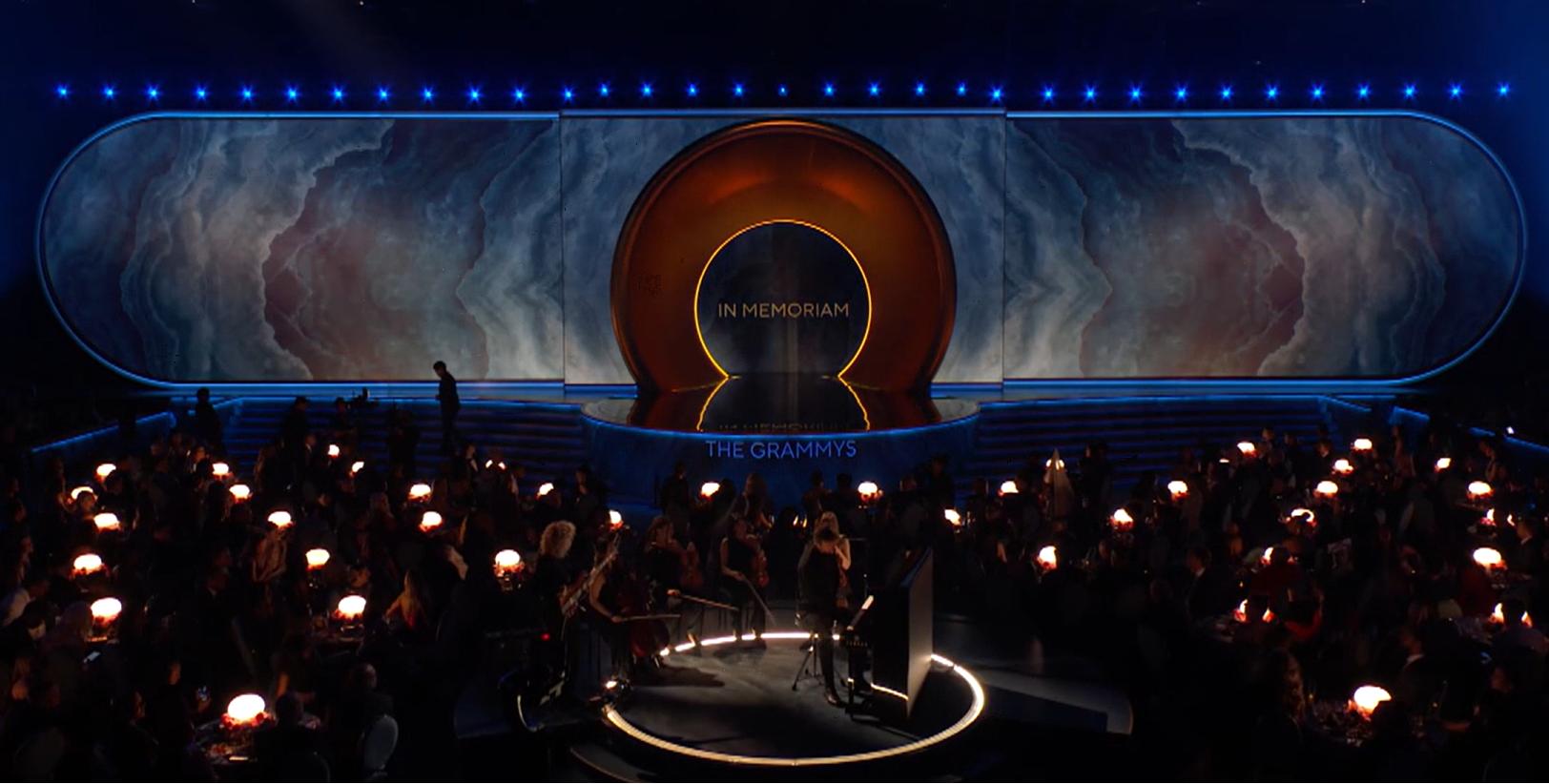
The 2026 Grammys, hosted by Trevor Noah, will broadcast live from Crypto.com Arena in Los Angeles on Sunday, Feb. 1, at 5 p.m. PT/8 p.m. ET on the CBS Television Network and will be available to stream live and on demand on Paramount+^.
Hours ahead of the live telecast, the 2026 Grammy Awards Premiere Ceremony, where the majority of the Grammy Awards of the day are awarded, will stream live from Peacock Theater in Los Angeles on Sunday, Feb. 1, at 12:30 p.m. PT/3:30 p.m. ET on the Recording Academy's YouTube channel and on live.grammy.com.
Learn more about how to watch the 2026 Grammys.
The Grammy Awards are the only peer-recognized accolade in music and are voted on by the Recording Academy's voting membership body of music makers who represent all genres and creative disciplines, including recording artists, songwriters, producers, mixers, and engineers.
Fulwell Entertainment is producing the 2026 Grammy Awards for the Recording Academy. Ben Winston, Raj Kapoor, Jesse Collins, and Trevor Noah are executive producers.
^Paramount+ Premium plan subscribers will have access to stream live via the live feed of their local CBS affiliate on the service, as well as on-demand. Paramount+ Essential subscribers will not have the option to stream live, but will have access to on-demand the day after the episodes airs.
2026 Grammys: Performances, Winners & Highlights
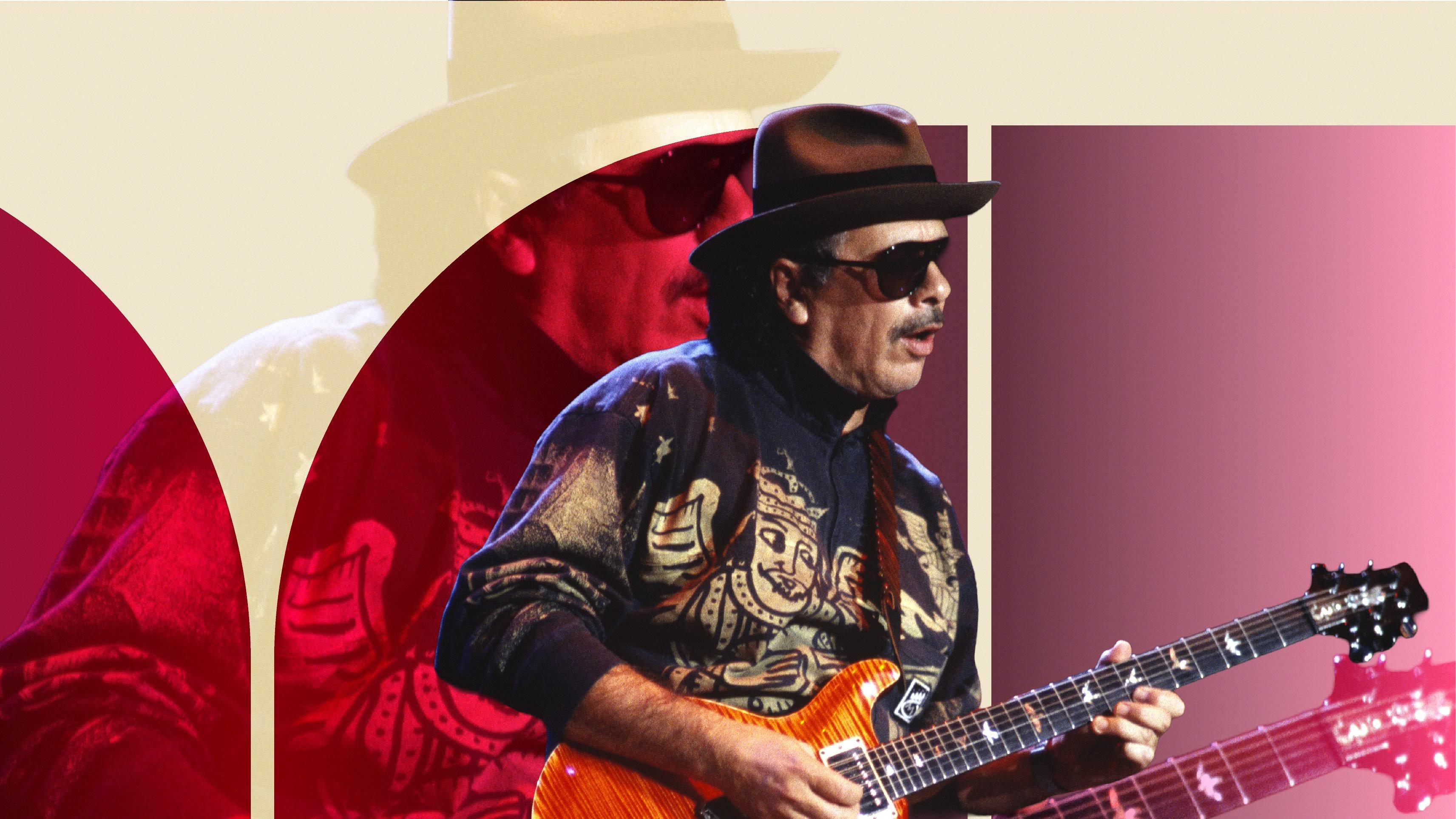
Carlos Santana
Photo: Tim Mosenfelder/Getty Images
How GRAMMY Hall Of Fame Inductee 'Supernatural' Became A Cultural Phenomenon (And Revived Santana's Career)
Santana’s 1999 album 'Supernatural' is being inducted into the GRAMMY Hall of Fame this year. Reporter Ernesto Lechner spoke to Carlos Santana at the time, just before the album sparked his against-all-odds comeback.
GRAMMYs/May 14, 2025 - 02:27 pm
Its specific combination of sounds and textures is an unmistakable, glorious snapshot of late 20th century pop culture.
A staccato groove of Latin percussion with congas and cowbells. The lacerating licks of a guitar, way upfront in the mix, echoing the sweet psychedelia of Abraxas. A salsa piano line — the kind of tumbao you would find in a Tito Puente record from decades back. And then, the smoky voice of Matchbox Twenty vocalist Rob Thomas, whispering sweet nothings about little dolls and Spanish Harlem Mona Lisas.
There can be no doubt about it. Santana’s "Smooth" was mathematically designed to become a global hit for the ages. It arrived just in time — June of 1999, the summer of "Genie in a Bottle" and "Livin’ La Vida Loca" — as the Latin music explosion of Shakira, J-Lo and Enrique Iglesias was in perfect synch with the cultural zeitgeist of a brave new pop world. The smash single also summed up the contents of Supernatural: hot, tropically infused; playful, ready to connect with the American mainstream through a direct line of blockbuster gold.
Santana’s Supernatural became one of the best-selling albums of all time. It won nine GRAMMY Awards, surpassing the record established by Michael Jackson’s Thriller. Most importantly, the album, inducted this year into the GRAMMY Hall of Fame, signified the against-all-odds comeback and reinvention of its principal architect, Tijuana-born, Bay Area-raised guitarist Carlos Santana.
It may appear far-fetched now — history has vindicated Santana the artist, now a 10-time GRAMMY winner — but 30 years ago, the career of pioneering Latin rock band Santana had fallen into a sleepy and unpleasant lull. Gone were the days when hits such as "Black Magic Woman" and "Oye Como Va" generated a crackling wave of electricity among the Woodstock generation, who eagerly tapped into the group's raw fusion.
Both as a solo artist and with his trusted band, Carlos Santana had spent the 1970s exploring the avenues of mystically tinged jazz, fiery blues workouts, and even the occasional touch of ambient atmospherics. But the advent of digital recording technology in the 1980s did precious little to expand Santana’s stylistic palette. Sales of his 1992 album Milagro — recorded and mixed digitally — were lackluster. By the late 1990s, he was still a celebrated performer in the nostalgia circuit, but the overall atmosphere had become stale.
Watch: Which Songs Put Santana In The Record Book? | For The Record
"I want to be with passionate people, people who have the necessary vision to place my music back on the radio," Santana told me during the summer of 1998 in a daylong interview for the Los Angeles Times, just as he was ready to enact his own personal and artistic coup d’etat. At the time, Santana's office/instrument storage space in San Rafael was a flurry of activity ahead of another tour. But there was a steely determination in Santana’s voice — the need for an immediate kick in the pants.
This arrived through the transformative guidance of record executive Clive Davis. Years earlier, Santana had participated in a documentary about Davis, and the guitarist’s then wife, Deborah, advised him to contact Davis. After seeing Santana in concert, Davis offered him a deal with Arista, with the specific intention of reviving his career with a million-selling album.
"I’ve always had a tremendous regard for Carlos and his music," Davis told me at the time. "I love the fact that he’s ambitious, hungry and inspired with all kinds of musical ideas. Santana is as relevant today as he was before."
It turns out, my interview with Carlos Santana happened while he was immersed in the process of recording Supernatural; the album would be released nearly a year later during a party at the Boathouse restaurant in New York City. In retrospect, he obviously knew that he was in the process of crafting a return to past glories.
"There’s nothing wrong with having passions," he told me during the L.A. Times interview. "Wayne Shorter has it. Herbie Hancock does. I never saw Miles Davis bored, or being boring. I always saw him with big eyes — looking at the food, looking at the girls. So, I admire people who have unending passions... that bubbly thing. You don’t want to drink a 7-Up that doesn’t have bubbles."
The mainstream pop album as a star-studded affair where every track involves a guest feature by a major star has become a bit of a cliché. But when Supernatural dropped, the sheer amount of musical genius involved felt groundbreaking. In interviews, Santana insisted that this happened organically, not the result of a concerted effort.
The session opens with "(Da Le) Yaleo," a solo track that wastes no time in transporting us to the propulsive, gasoline-fueled jams of Santana’s heyday — his guitar sharing the spotlight with soulful chanting and Afro polyrhythms. Then, the parade of luminaries begins.
"Smooth" was the album’s bona fide hit, but other standout moments include the hip-hop-inflected "Maria Maria," with R&B duo The Product G&B; the jazzy, nocturnal "Do You Like the Way," with Lauryn Hill and Cee-Lo; and "The Calling," a somber track with a funky backbeat featuring guitar god Eric Clapton. Arguably the album’s weakest song was also a hit: "Corazón Espinado," a swanky, montuno jam with Mexican pop-rockers Maná.
That said, Supernatural transcended the superficial aspect of its notorious guest list. Listening to the entire album from beginning to end, it becomes apparent that the LP as a whole is bigger than the sum of its parts. Its artistry relies not only on the tracks themselves, but also on their sequencing, their ability to gel into a cohesive narrative of the heart.
For Santana, the experience signified a new beginning. "This music is not entertainment," he told journalist Greg Haymes. "This is healing music."
In addition to its platinum status all over the world — from Argentina and Switzerland to Mexico and Japan — Supernatural also generated a massively successful tour. Reviewing a 2000 performance at the Hollywood Bowl in Los Angeles, I wrote: "Santana and his big band showed its most ferocious side, creating an intense musical stew that anchors itself in the timeless power of Afro-Cuban percussion."
The album also swept the 2000 GRAMMYs, winning both the Album Of The Year and Best Rock Album awards, while "Smooth" emerged triumphant in the Record and Song Of The Year Categories. Months later, Supernatural won three awards at the inaugural Latin GRAMMY ceremony.
Loading...
Since then, the guitarist has released an additional nine studio albums — including this year’s Sentient — with varying degrees of success. But it was Supernatural that launched his extraordinary third act.
"I want to transform, illuminate and elevate my consciousness, and other people’s consciousness as well," he told me for the Times, never at a loss for words. "I’d like us to go into the new millennium with a new vision."
Explore The 2025 GRAMMY Hall Of Fame Inductees
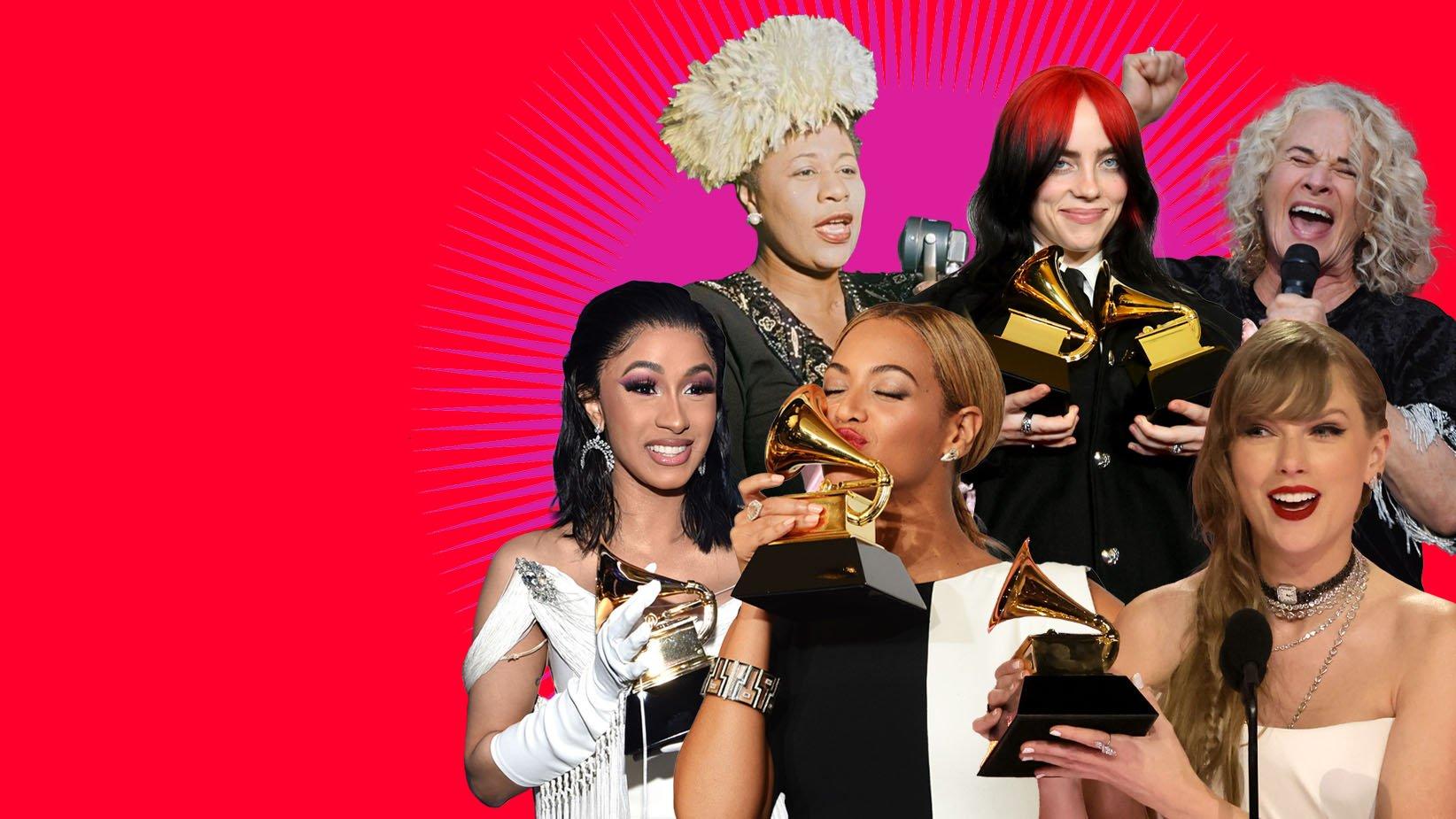
(Clockwise, from top left): Ella Fitzgerald, Billie Eilish, Carole King, Taylor Swift, Beyoncé, Cardi B
Photos (clockwise, from top left): Heritage Art/Heritage Images via Getty Images, Alberto E. Rodriguez/Getty Images for The Recording Academy, ANGELA WEISS/AFP via Getty Images, Kevin Winter/Getty Images for The Recording Academy, Jason Merritt/Getty Images, John Shearer/Getty Images for The Recording Academy
13 Times Women Made GRAMMY History: Beyoncé, Taylor Swift & More
With Beyoncé making history yet again at the 2025 GRAMMYs, take a look at several of the ways women have changed the GRAMMYs forever.
GRAMMYs/Mar 4, 2025 - 06:50 pm
Editor's Note: This article was originally published on May 15, 2017, and was updated on Feb. 4, 2025 to reflect history-making moments through the 2025 GRAMMYs, and on March 4, 2025 with a new graphic.
The 2025 GRAMMYs marked another big night for female artists, from Doechii's dynamic performance and Chappell Roan's powerful speech to Beyoncé's career-defining wins. But it was far from the first time that women have made waves on the GRAMMY stage.
In the GRAMMY Awards' 67-year history, women have set a wide array of GRAMMY records, along with achieving many remarkable firsts. This year alone, Beyoncé did both, setting the record for the most GRAMMY nominations ever at 99, and becoming the first Black woman to win the GRAMMY for Best Country Album for COWBOY CARTER (which also won the superstar her first Album Of The Year honor).
Beyoncé is in good company when it comes to female GRAMMY record holders, which includes the likes of Ella Fitzgerald, Taylor Swift, Billie Eilish, and Lauryn Hill. From the first women to ever win a GRAMMY to the top GRAMMY-winning woman, as well as the first female GRAMMY performers and the first female GRAMMY host, here are 13 examples of how women blazed trails in music — and left their indelible marks in GRAMMY history.
Ella Fitzgerald: The First Woman To Win Multiple GRAMMYs
The 1st Annual GRAMMY Awards took place in 1958, and several women were among the first crop of recipients. The first female multiple GRAMMY winner was jazz singer Ella Fitzgerald, who took home two gramophones: Best Vocal Performance, Female and Best Jazz Performance, Individual. The roster of first-time female GRAMMY winners also included Keely Smith, Salli Terri, Barbara Cook, Pert Kelton, Helen Raymond, and Renata Tebaldi.
The First Women To Win GRAMMYs In The General Field
Wins by women in the General Field Categories — Record, Song and Album Of The Year and Best New Artist — date all the way back to the 4th Annual GRAMMY Awards in 1962. The first female winner for Album Of The Year was Judy Garland, for her 1961 album, Judy At Carnegie Hall.
Three years later, Astrud Gilberto became the first woman to win Record Of The Year, winning alongside Stan Getz for "The Girl From Ipanema" in 1964. Then in 1968, country singer/songwriter Bobbie Gentry became the first female Best New Artist winner. And in 1971, Carole King was the first woman to claim the Song Of The Year honor for "You've Got A Friend" in 1971.
Taylor Swift: The Artist With The Most Album Of The Year Wins
Loading...
Taylor Swift is the artist with the most Album Of The Year wins in GRAMMY history, with four awards under her belt. The singer/songwriter scored her first win in the Category at the 2010 GRAMMYs for 2008's Fearless, which also won Best Country Album; Swift later won in 2016 for 2014's 1989 (also winning Best Pop Vocal Album) and in 2021 for 2020's critically acclaimed Folklore, the latter of which made her the first woman to win Album Of The Year three times.
In 2024, she broke the Category's record for all artists, winning for her tenth album Midnights (which also scored Best Pop Vocal Album that year). Overall, Swift has been nominated for Album Of The Year a total of seven times, with the other nods for 2012's Red, 2020's Evermore, and 2024's The Tortured Poets Department.
Carole King: The First Woman To Win Multiple General Field GRAMMYs
The first woman to win multiple GRAMMYs in the General Field in the same night was Carole King, when she swept Record ("It's Too Late"), Album (Tapestry) and Song Of The Year ("You've Got A Friend") in 1971. The first women to win multiple GRAMMYs in the same General Field Categories include Roberta Flack, who took Record Of The Year in 1973 and 1974, for "The First Time Ever I Saw Your Face" and "Killing Me Softly With His Song," respectively.
While Taylor Swift holds the record for most Album Of The Year wins, there are many female artists with multiple victories in the Category. Lauryn Hill, Norah Jones, and Alison Krauss have each won Album Of The Year twice (but only once in each case for their own recordings). At the 2017 GRAMMYs, Adele became the first artist in GRAMMY history to win Record, Song and Album Of The Year in the same night twice, five years after doing so in 2012.
Billie Eilish: The First Woman To Sweep The General Field
At the 2020 GRAMMYs, Billie Eilish made history as the first woman to win in all four General Field Categories — Album Of The Year, Record Of The Year, Song Of The Year, and Best New Artist — in the same night, thanks to her 2019 debut album, WHEN WE ALL FALL ASLEEP, WHERE DO WE GO? and its breakout hit "bad guy." (She also took home a golden gramophone for Best Pop Vocal Album.) The record-setting moment made a then-18-year-old Eilish the youngest General Field sweeper, and only the second to do so, nearly 40 years after Christopher Cross did so in 1981.
At the 2025 GRAMMYs, both Sabrina Carpenter and Chappell Roan were nominated in all four General Field Categories, giving them a chance to make history alongside Eilish. While neither of them completed the sweep, both singers earned their first GRAMMYs; Carpenter won Best Pop Vocal Album for 2024's Short n' Sweet album and Best Pop Solo Performance for her viral smash "Espresso," while Roan took home Best New Artist.
Beyoncé: The Artist With The Most GRAMMY Wins & Nominations
Loading...
Before the 2025 GRAMMYs, Beyoncé already held the record for the most GRAMMY wins of any artist in history. She achieved the feat at the 2023 GRAMMYs, when she took home the GRAMMY for Best Dance/Electronic Music Album for her 2022 album, RENAISSANCE to bring her total GRAMMY count to 32. Not only did she add to her lead at the 2025 GRAMMYs, but she made history twice over, thanks to both her nominations and her wins.
Scoring 11 nods at the 2025 GRAMMYs thanks to her eighth studio album, 2024's COWBOY CARTER, Beyoncé's nomination total went up to 99, making her the artist with the most GRAMMY nominations of all time.
At the 2025 ceremony, the "TEXAS HOLD 'EM" singer won her career-first Album Of The Year award for COWBOY CARTER, making her the first Black woman to win the award since 1999, when Lauryn Hill won for 1998's The Miseducation of Lauryn Hill. In the same night, Beyoncé also became the first Black artist to win Best Country Album for COWBOY CARTER. With three wins in total (she also won Best Country Duo/Group Performance for "II MOST WANTED" with Miley Cyrus), Beyoncé brought her record-holding number of GRAMMY wins to 35.
The First Women To Perform On The GRAMMYs
The first televised GRAMMY event, a taped "NBC Sunday Showcase," in honor of the 2nd GRAMMY Awards, aired Nov. 29, 1959. It was Fitzgerald's performance on this broadcast that earned her the distinction of being the first woman to take the GRAMMY stage.
When the GRAMMYs transitioned to a live television broadcast format for the 13th GRAMMY Awards in 1971, several female artists performed as part of the milestone event, including Karen Carpenter of the Carpenters, Aretha Franklin, Wanda Jackson, Anne Murray, and Dionne Warwick.
Bonnie Raitt: The Most GRAMMY Performances
Beloved singer/songwriter Bonnie Raitt is the woman who has performed the most at the GRAMMYs. From her first solo performance of "Thing Called Love" at the 32nd GRAMMY Awards in 1990 through her latest performance in honor of B.B. King with Chris Stapleton and Gary Clark, Jr. at the 58th GRAMMY Awards in 2016, Raitt has graced the stage nine times. In a tie for a close second are Aretha Franklin and Whitney Houston, who each notched eight career GRAMMY performances in their lifetimes.
Whoopi Goldberg: The First Female GRAMMY Host
Whoopi Goldberg served as the GRAMMYs' first female host at the 34th GRAMMY Awards in 1992. An EGOT (Emmy, GRAMMY, Oscar, and Tony) winner, the comedian already had an impressive array of credentials when she helmed the GRAMMY stage. Not one to shy away from pushing the envelope, she delivered arguably one of the raunchiest jokes in GRAMMY history when referencing the show's accounting firm: "I must tell you, Deloitte & Touche are two things I do nightly."
The First Female Special Merit Awards Recipients
The inaugural Recording Academy Special Merit Award was given in 1963 to Bing Crosby, but it wasn't long until women made their mark. Ella Fitzgerald was the first woman to receive the Lifetime Achievement Award in 1967. Liza Minnelli became the first female artist to receive a GRAMMY Legend Award in 1990.
In 1992, Christine M. Farnon became the first woman to receive a Trustees Award. She served as The Recording Academy's National Executive Director for more than 20 years.
The First Recordings By Women To Be Inducted Into The GRAMMY Hall Of Fame
The GRAMMY Hall Of Fame — established in 1973 by the Recording Academy's Board of Trustees to honor outstanding recordings that were made before the inception of the GRAMMY Awards — inducted its first female recipients in 1976. Billie Holiday's "God Bless The Child," which was originally done in 1941, marked the first solo female recording. Gershwin's Porgy & Bess (Opera Version), featuring Camilla Williams, and the original Broadway cast version of "Oklahoma!," featuring Joan Roberts, were inducted into the Hall that same year.
Lauryn Hill, Cardi B, MC Lyte: The Women Who Changed Rap At The GRAMMYs
Loading...
While rap music is a largely male-dominated genre, women have continued to evolve the sound since the beginnings of hip-hop. It's no surprise, then, that female rappers have also made GRAMMY history throughout the decades.
With the release of her debut album, Lyte As A Rock, in 1988, MC Lyte became the first female rapper to release a solo album. She then followed the feat by becoming the first woman rapper to receive a GRAMMY nomination when her 1993 chart-topping song "Ruffneck" received a nomination for Best Rap Solo Performance at the 36th GRAMMY Awards in 1994.
Just a few years later, Lauryn Hill continued the history-making streak at the 1997 GRAMMYs; she became the first female rap artist to win Best Rap Album thanks to The Score, her second album with The Fugees. Hill also made GRAMMY history on her own at the 1999 GRAMMYs, when she won Album Of The Year for her monumental 1998 album, The Miseducation Of Lauryn Hill, becoming the first rap artist to win that major Category.
Cardi B ushered in another GRAMMY first two decades later: At the 2019 GRAMMYs, she became the first solo female rapper to win the GRAMMY for Best Rap Album for her 2018 debut album, Invasion of Privacy. The 2025 GRAMMYs found history repeating itself, as Cardi B presented Doechii the Best Rap Album award for 2024's Alligator Bites Never Heal. The win made Doechii the third female rapper in history to win the Category.
Amy Allen: The First Woman To Win Songwriter Of The Year, Non-Classical
Making history with one of the most recent additions to the GRAMMY canon, Songwriter Of The Year, Non-Classical — which was first awarded in 2023 — Amy Allen became the first woman to be awarded with the honor at the 2025 GRAMMYs. Her win was thanks to her work on Sabrina Carpenter's GRAMMY-winning album, Short N' Sweet, and songs by Tate McRae, Olivia Rodrigo, Justin Timberlake, and Koe Wetzel.
With several new historic feats at the 2025 GRAMMYs, female artists are continuing to dominate on the GRAMMY stage and beyond — and show no signs of slowing down.
This article features contributions from Bianca Gracie and Taylor Weatherby.