
Photo by Jacklyn Krol for The Recording Academy
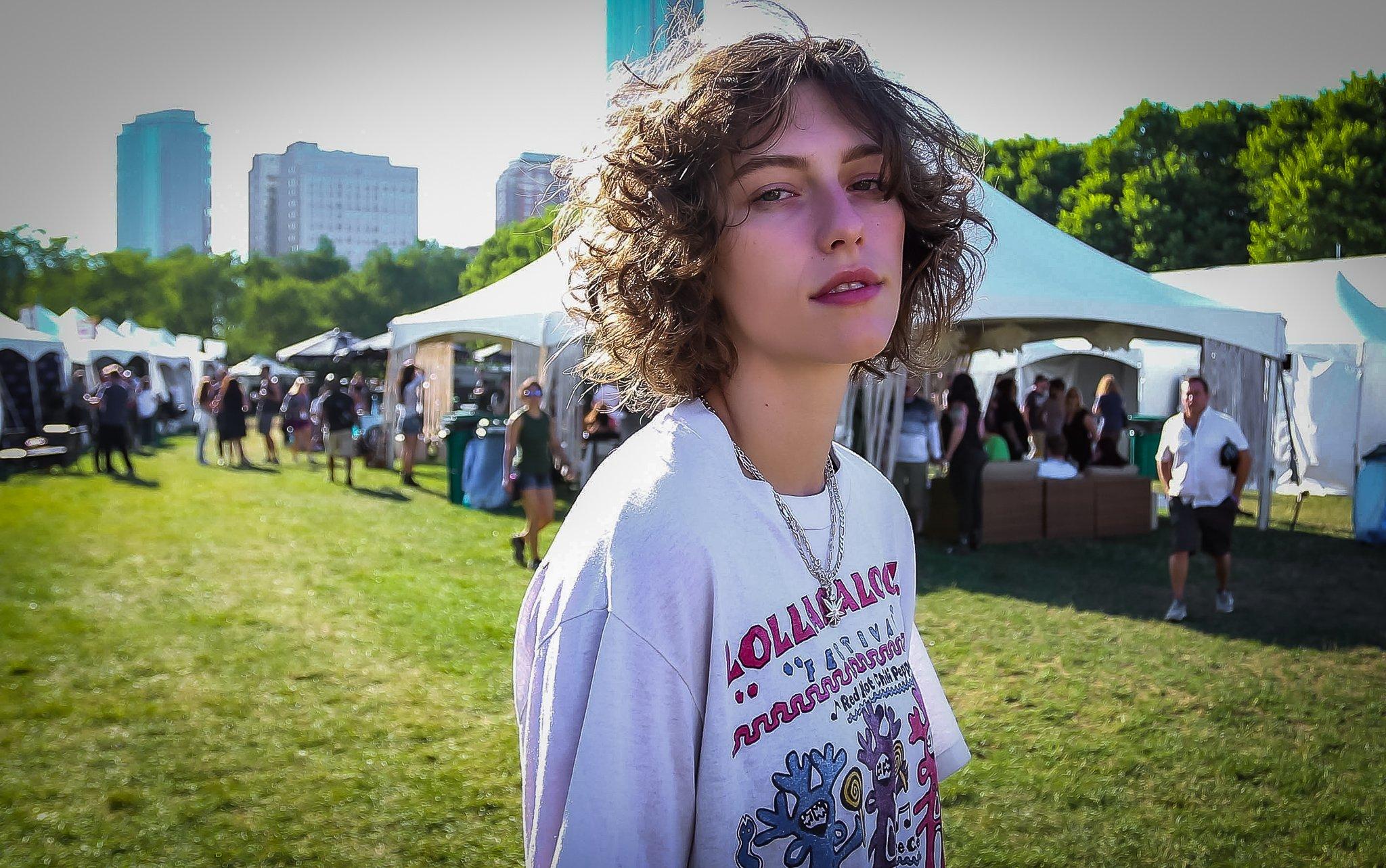
King Princess
King Princess Talks Working With "Master Of Sound" Mark Ronson & Remixing Meryl Streep's 'Big Little Lies' Shriek
"'Mary-Luiz (Plz Plz),' honey, is going to be the next theme song for 'Big Little Lies,'" the rising singer/songwriter/producer tells the Recording Academy before her Thursday night Lollapalooza set
GRAMMYs/Aug 2, 2019 - 08:55 pm
If you haven't heard of King Princess, aka 20-year-old Mikaela Straus yet, it's a great time to get to know the rising pop singer/songwriter/producer. Her debut album, Cheap Queen, is due out this fall on Zelig Records, Mark Ronson's label, and she was featured on Ronson's recently released breakup album, Late Night Feelings. The child of engineer Oliver Straus (Melissa Etheridge, P!nk), King Princess practically grew up in the studio, and as a result is learning to trust her intuition when it comes to her own work.
Working with Ronson, the seven-time GRAMMY-winning superproducer, has been a major confidence-booster, too. "[I've learned] that my instincts are probably right," she exclusively tells the Recording Academy before her Thursday night Lollapalooza set. "I think that [Ronson] is really respectful of the fact that I have the perspective of a young, queer woman and I'm a young person. That meant the world to me."
<iframe width="620" height="349" src="https://www.youtube.com/embed/IYyjiP4O00Y" frameborder="0" allow="accelerometer; autoplay; encrypted-media; gyroscope; picture-in-picture" allowfullscreen></iframe>
Below, King Princess sits down with the Recording Academy to chat about her forthcoming debut, recording at Rick Rubin's famous Shangri-La studio, her love of crafting dance tracks from all kinds of strange sounds (one of the most recent is Meryl Streep's now-iconic Big Little Lies shriek), her dream collaboration and more.
<blockquote class="twitter-tweet"><p lang="en" dir="ltr">Let’s go miss Lolla <3 wearing a custom lil fit based on my parent 92’ Lolla shirt <a href="https://t.co/qoaWARkflo">pic.twitter.com/qoaWARkflo</a></p>— King Princess (@KingPrincess69) <a href="https://twitter.com/KingPrincess69/status/1157141264904724480?ref_src=twsrc%5Etfw">August 2, 2019</a></blockquote><script async src="https://platform.twitter.com/widgets.js" charset="utf-8"></script>
You're about to perform here at Lolla. How are you feeling?
I feel really good. I've been playing shows a f**k ton this year, and it feels like these moments like Lolla, Coachella, Gov Ball, just like really make me emotional. Because these are the big ones. You dream about this, and you hear about your parents going, and my family's from up in L.A., so Coachella for them was a huge deal. Gov Ball was huge for me. It's really like, those are the moments you're like, "Oh, man."
That's awesome. Living the dream.
No, it's truly, truly living the dream. I have amazing slots, and the stages have been great, and everything's great.
What are you most looking forward to about the festival?
I am most looking forward to my show, and then probably walking around and seeing some other people. Because I love to have those moments after your show where you're like, "I did it, bitch. Let's go walk around, take a breather. Enjoy the festival.
You also performed at a Lolla Aftershow last night, correct?
I did a venue show at Thalia Hall. The sound was amazing, and the kids were like f**king losing it. It was just so much fun. Cautious Clay opened for me, who I'm a huge fan of. I was just like, "What a great way to kick off the weekend." Pretty much a practice for what's going to go down on stage.
Do you have a different approach for a festival stage versus a more intimate venue?
Yeah. I feel like any time you play something like this, you just have to account for the fact that you're outdoors, and you're at a festival where most people are drunk, and moving around. It's a different energy you really project, in a way outside, that you don't even have to in an intimate space. Because people are paying to watch you, they're paying to stand there at your specific show. It's more like you're winning attention at a festival, which I like because it's a challenge. It's a challenge to play really good and have your band be really tight.
What's your biggest hope or vision when you come off the stage in a few hours?
Just that, like, everyone who watches it, whether it's on the internet, or live, is just so thrilled to have seen it, and like they saw a great show that day. Because it's like the worst when you want to go see someone and then you don't feel compelled. I love my band, and I love the way we play live. People seem to be really like happy and pleased to have seen us afterward. That's all I care about it. I just care that they like it. That's all I care about it.
I really liked your feature on Mark Ronson's album. What was it like working with him, and on that project?
Him and I have a really interesting relationship, because I think he probably thought that I was more of an artist and less of a producer. It turns out I'm probably more of a producer and less of an artist. I think my brain functions in the studio like a producer's. It's just like working with him, is like sometimes we butt heads, and sometimes we clash because I'm like an apprentice producer under him. That's kind of like our relationship.
He's a master of sound. So, we get in these weird tiffs about how long he takes to get the perfect sound. I'm just like making everything so fast, and he's like, "No, b**ch. You have to wait, get everything right." Which I appreciate because it teaches me how to slow down and really take time to make something because then you get a record like his record that sounds tailored.
So, that song that we wrote ... I wrote a couple songs, and he was like, "They're not good enough, not good enough," and I'm like, "F**k you." Then I sat down, it was like 3:00 am at [Rick Rubin's] Shangri-La, and I wrote that song with my engineer, Mike, on the piano, in this big white room. I wrote it, and I was like stoned as balls. I was like, "Mark, I think I got it." I played it for him, and he was like, "Yep." That was the biggest challenge, just being like, you know, "It is your record, you produce it."
<iframe width="620" height="349" src="https://www.youtube.com/embed/I_moMkP7cUk" frameborder="0" allow="accelerometer; autoplay; encrypted-media; gyroscope; picture-in-picture" allowfullscreen></iframe>
What was the biggest thing you learned from working with Mark, so far?
That my instincts are probably right. It's like I think that he is really respectful of the fact that I have the perspective of a young, queer woman, and I'm a young person. He's just always been like, "That's the sh*t that people listen to." People listen to "1950" because you feel like you're in my shoes, and that's a hard thing to do when you're trying to appeal to a demographic of people who are completely different from you. He was just like, "I felt it." That meant the world to me, just hearing that my instincts about my production and sounds were right.
Do you have another favorite song from Mark's album?
"Why Hide" with Diana Gordon. It's like the most beautiful song, I think, on the record.
Do you have any other dream collabs you want to speak out and manifest?
I've been saying this a lot, but I want a song with Jack White. I don't know. Somebody should make that happen one day.
How'd you come up with your artist name?
When I was young, it was like, I didn't even realize the true meaning of it. Because I feel like it was just something we kind of joked around about. Like in the studio with my friend, Doug, he'd always call me "King Princess." Later in life, I was like, I just cannot believe that my young self created a name and a concept that was so beyond where I was at with my gender, and my sexuality at that point. Then to look back, and be like, "That is me, I'm the intersection of these two things, these two extremes."
I love that. I feel like our young selves are—
More intuitive than we think, right?
Right. You've put out other music this year, some really great songs, including the title track for your upcoming album. What's your main hope for this album?
That it's just a great album start to finish. All the songs are different in different ways, but the production and my voice is the through-line. I really want people to listen through start to finish, and listen to the story when I'm singing, and the words. Because as much as I love production, it's like production is just kind of like the clothes that are worn by the lyrics. Really my goal is to have everything feel like it was meant to be. There's fast songs, there's slow songs, and all this other good sh*t on there. There are songs that are more conceptual, and songs that are pop songs, and that's kind of how I write, I just let it come out.
<iframe width="620" height="349" src="https://www.youtube.com/embed/9jNyNMvaAMw" frameborder="0" allow="accelerometer; autoplay; encrypted-media; gyroscope; picture-in-picture" allowfullscreen></iframe>
Are you producing, or co-producing, on the album?
Yeah, I produced the whole thing. My co-producer is my engineer, but I produce everything. A couple people came by and helped out on songs. My friend Tim Anderson helped produce "Prophet." My friend Tao has a song on the record. He's a really talented producer, young and grew up in the studio with Mark, kind of, a little bit these last few years. He was around for that whole thing, so it was just really cool that people in my direct community worked on the record.
What's your favorite part of the collaborative process?
When you call someone you know would be good at something and just say, "Hey, can you come in and do your work, do what you do?" I think the problem with collaborations is when you end up overextending yourself, and neither party has a specific thing to give. I love bringing in people very specifically, like, my band when I need somebody to come play a ripping guitar solo, like I'll get Jonah to come out and play.
When I really want some incredible live instrumentation, Mark sets up a session with Tommy and the Dap-Kings for me. That sh*t is really special. My friend Tobias Jesso, Jr. sang on a song. That was like a real last minute, like "I need you to come sing on this thing. I need your help." He just came and f**king killed it.
Last question. I can't not ask about the Meryl Streep scream techno. What inspired that? Are you going to make more techno-leaning tracks?
I have so many [remixes], on SoundCloud. I have a whole folder full, it's called "Remixes." My music is so sad and serious, that there needs to be some sort of creative output that's funny, and gives me joy, and makes my friends laugh. This was this thing that I started to do, that I was just like, "This would be so f**king funny." It started with a "Jesus Take the Wheel" remix that I've actually never leaked. I meant to put that one out. So, the first one was a "Jesus Take the Wheel" remix. It goes very hard. I was reinventing these stories that these songs told. I love to do that such a thing. With Meryl, that one for me was just like, the minute I saw that scene, I was like, "That's my next remix." The scream is incredible, tonally. "Mary-Luiz (Plz Plz)," honey, is going to be the next theme song for Big Little Lies.
<iframe width="100%" height="300" scrolling="no" frameborder="no" allow="autoplay" src="https://w.soundcloud.com/player/?url=https%3A//api.soundcloud.com/tracks/658387643&color=%23ff5500&auto_play=false&hide_related=false&show_comments=true&show_user=true&show_reposts=false&show_teaser=true&visual=true"></iframe>
Adia Victoria On Making 'Silences' & The Pain & Love Behind "Different Kind Of Love"
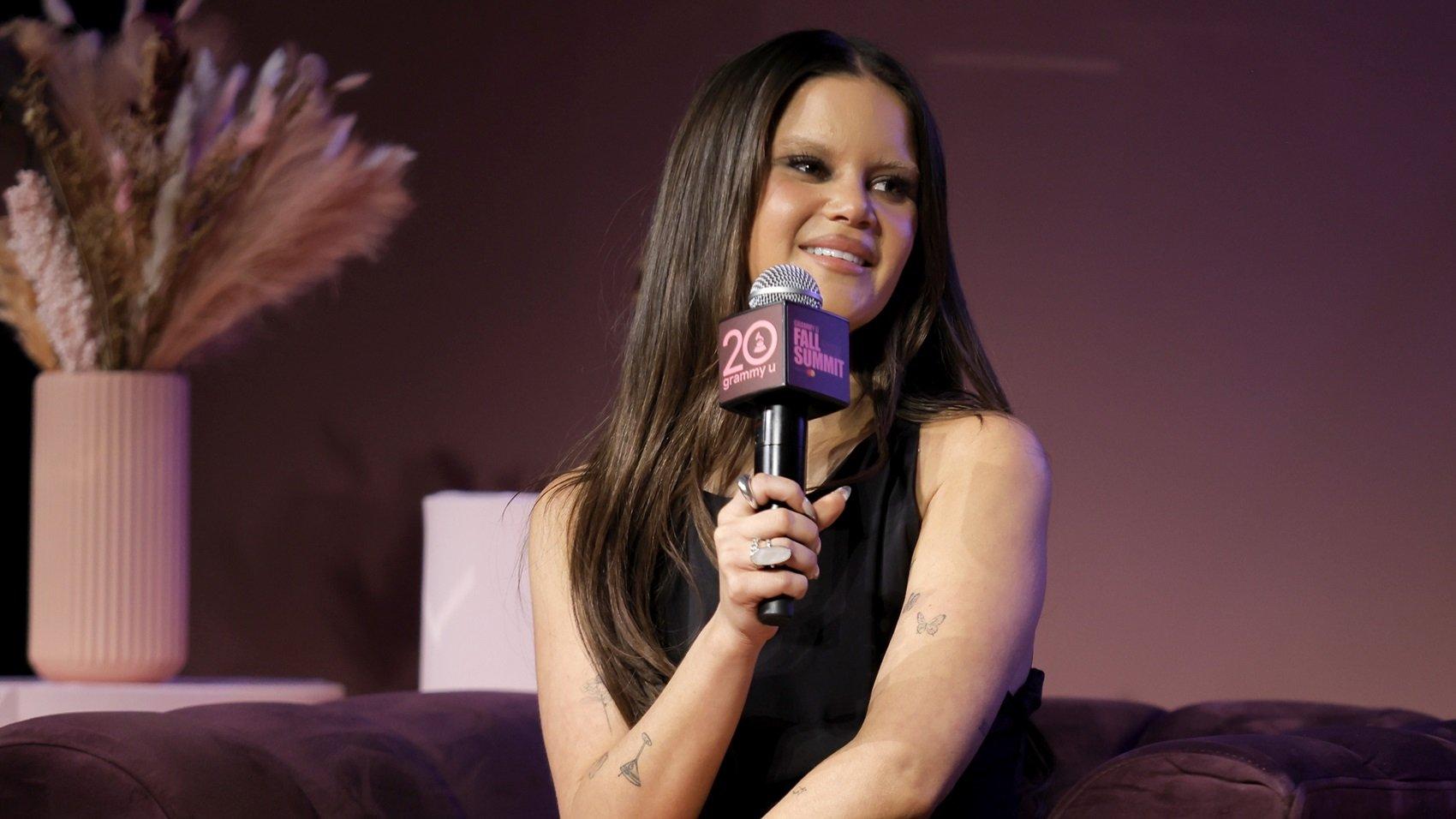
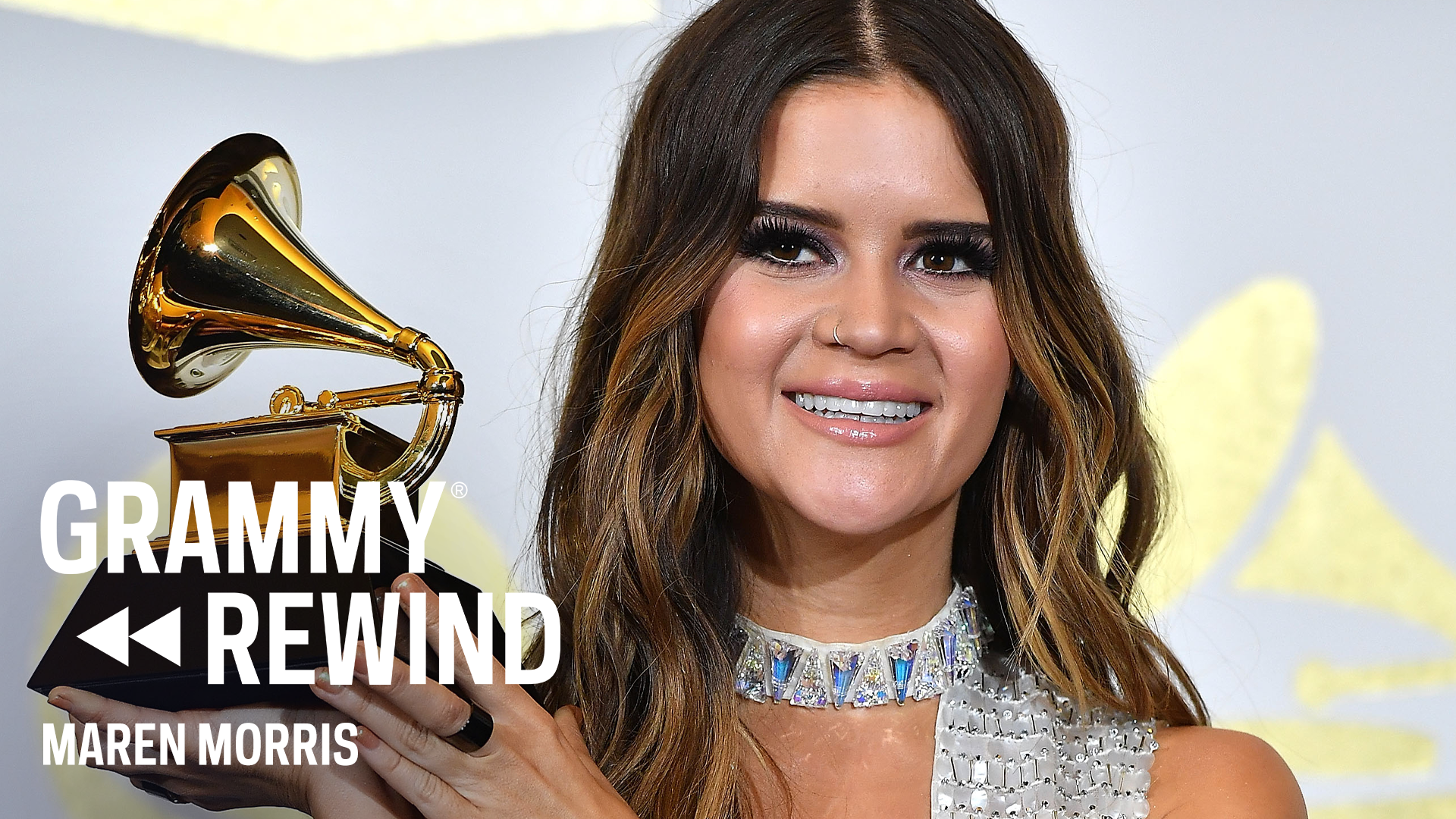
Maren Morris at the 2025 GRAMMY U Fall Summit
Photo: Tibrina Hobson/Getty Images
GRAMMY U 2025 Fall Summit Highlights: From Maren Morris To Meaningful Networking
Over two days, members enjoyed inspiring panels, performances, and conversations on creativity and connection. Read on for insights from Maren Morris, King Princess, Rico Nasty, Tanner Adell, Tayla Parx, Mickey Guyton, and others.
GRAMMYs/Nov 5, 2025 - 03:21 pm
Presented by Mastercard, the 2025 GRAMMY U Fall Summit in Nashville brought members together for two days of panels, performances, and conversations on self-advocacy and connection - headlined by Maren Morris in conversation with King Princess, and featuring standout voices like Rico Nasty, Tanner Adell, Tayla Parx, Mickey Guyton, and more.
The Summit kicked off at the National Museum of African American Music for an artist-on-artist panel produced in collaboration with the Black Music Collective. Disruptors by Design: Creating New Sounds, where Rico Nasty, Tanner Adell, and Tayla Parx explored what it means to create without limits and advocate for themselves in every space.
A two-part networking experience encouraged attendees to put what they learned from the panelists into action. A Perfect Pitch networking panel shared how to develop long-lasting relationships in the industry, featuring a panel of accomplished professionals across music, business, and creative fields - Latoya Bennett-Johnson, Serena Lloyd, and Ryan Madora, moderated by Jessica Omokheyeke. Afterward, the lobby of the museum buzzed with excitement and inspiration as members connected with industry mentors during a networking mixer, explored photo opps and enjoyed specialty drinks provided by Mastercard. The evening concluded with an intimate performance by Mickey Guyton, preceded by a Q&A moderated by Brittney Spencer.
The next day, attendees gathered at Riverside Revival for the keynote conversation, Finding Your Voice, with Maren Morris, moderated by King Princess. Livestreamed on the GRAMMYs YouTube, the candid conversation explored artistry, identity, and finding your voice. Morris concluded the Summit with a special live performance.
Filled with laughter and honesty, the Fall Summit offered GRAMMY U members more than advice, feeling more like a living room conversation among friends that were deeply real and inspiring. Sony Pro Audio was a participating sponsor at this year’s Fall Summit.
The Summit "felt like food for my soul," said San Francisco Chapter Member Jaiel Mitchell. "It was so wonderful to be able to not only connect with my peers, and meet other folks who are growing and building the next iteration of the industry, but also to get to hear from so many dope women artists and leaders, who have blazed new trails in the industry. As an developing artist, getting to hear their stories and advice first hand was invaluable. I left with so many practical tools and the fire to continue to blaze trails in my own right!"
Read on for five takeaways from this year’s GRAMMY U Fall Summit in Nashville.
Be Your Own Biggest Advocate
In her keynote discussion, GRAMMY-winning singer/songwriter Maren Morris reflected on how self-belief shaped her journey, from her family serving as her first team to GRAMMY Camp, and eventually carving her own path in Nashville. That throughline of independence throughout her career led to the creation of some of her biggest hits.
Reflecting on early career advice, she shared, "Someone once told me making a record and promoting it is basically like playing a million lottery tickets," she shared, reflecting on advice from early in her career. "you say yes to everything… and see what sticks."
Maren Morris and artist-actor King Princess reflected on the importance of determination, especially when showing up fully as queer artists. They spoke about how visibility can inspire young fans seeking connection through music. Morris noted that listeners often revisit her lyrics for meaning, echoing King Princess’ experience of finding belonging in queer art during their own adolescence.
Mickey Guyton and moderator Brittney Spencer similarly reflected on identity and representation. "Don ’t be afraid to open your mouth," she told the audience during her Q&A, reflecting on finding her voice as a Black woman in country music. Guyton closed out the night with performances of "Black Like Me," "Remember Her Name," and more, a set that honored Breonna Taylor and celebrated the power of storytelling in country music.
Belonging Isn’t Given, It’s Created
Tanner Adell, Tayla Parx & Rico Nasty┃Tibrina Hobson/Getty Images
Throughout the Summit, conversations about identity were filled with camaraderie among artists and industry leaders who walk many different paths. Rico Nasty, Tayla Parx and Tanner Adell embodied that energy during the panel Disruptors by Design: Creating New Sounds. .
Rapper and songwriter Rico Nasty said she often stands alone in her style, and compared her music journey to "creating [her] own island." Rico also shared the importance of being okay with isolation on her "island" — and is content to make it the coolest place for when her audience is ready to receive it.
Singer/songwriter Tanner Adell added that she feels "fatigue" over constant talk of genre because "people come from all different backgrounds and write all different kinds of music." Their message was clear: belonging isn’t given, it’s created. As Nasty encouraged, "Push. You’re going to hit a lot of walls… it’s going to feel alienating… push."
The conversation naturally turned to equity and empowerment. GRAMMY-nominated singer/songwriter Tayla Parx emphasized knowing your worth and demanding fairness in every space.
"BMI and the splits need to be equal… do not do work for free [because] Black women and women hurt the most in the industry," Parx emphasized. Her point resonated alongside recent milestones for Black women in country music - including fellow artists like Beyoncé, who became the first Black woman to win a GRAMMY Award for Best Country Album. (Tanner Adell and Brittney Spencer also contributed to the GRAMMY-winning Cowboy Carter.) Parx also recently became one of the few Black women with a No. 1 song on the country charts.
"Being Nervous Means You Care"
Brittney Spencer and Mickey Guyton ┃Tibrina Hobson/Getty Images
GRAMMY-nominated singer/songwriter Mickey Guyton and singer/songwriter Brittney Spencer’s conversation brought magic and joy to the stage. Through inside jokes and giggles, the longtime friends and country music trailblazers spoke about nerves, resilience, and the courage it takes to keep showing up. Guyton shared that even after years of performing, she still gets nervous before shows, reminding the audience that "being nervous means you care."
She spoke about facing cyberbullying in 2020 and how returning to the stage afterward felt daunting but necessary. The two reflected on their CMA Awards performance back in 2021of "Love My Hair," recalling how Guyton fought to ensure that Spencer and Madeline Edwards — two emerging Black artists in country music — received full support behind the scenes.
"'You’re not about to put these women on a red carpet without wardrobe, hair, and makeup,'" she recalled telling the show's organizers. The result was a collaborative effort that turned Spencer and Guyton's performance into a statement of empowerment for Black women. Their conversation brought the night full circle: Truth and connection can build community through music.
Turn Small Moments Into Lasting Connections
Latoya Bennett-Johnson┃Tibrina Hobson/Getty Images
The Perfect Pitch panel reminded members that real relationships often start with small, genuine interactions. Rather than focusing on networking for its own sake, panelists encouraged GRAMMY U members to lead with intention and self-awareness.
"When you’re young, it can be hard to articulate your strengths, but being approachable can open doors," said Serena Lloyd, Vice President of Human Resources at entertainment company Big Loud. She recalled putting her phone down and starting a conversation at an airport bar that led to a five-year professional relationship.
The panel was moderated by Jess Omokheyeke, Executive Assistant and Project Manager of DEI at the Recording Academy, who added, "Know yourself and be proud of what you do," emphasizing that confidence and clarity build connections. Latoya Bennett-Johnson, Vice President of Global Sponsorship at Mastercard, encouraged members to be intentional in every room, asking, "What do you want people to think, feel, and do?"
Bassist, author and content creator Ryan Madora reminded attendees that connection doesn’t have to be formal. "Everybody’s standing there awkwardly," she said. "Sometimes you just want to talk to somebody so you’re not awkward." She shared that finding small points of common ground, like a shared city or favorite record, can turn a quick conversation into something lasting.
The panel left members with one takeaway: meaningful connections come from being present, prepared, and genuine in every interaction. Members then headed to the lobby of the museum for part two of the networking experience, where they were able to try out their learnings in a speed-networking style mixer.
Success Looks Different For Everyone
GRAMMY U Members, Eric Foster White┃Tibrina Hobson/Getty Images
Members carried their energy from the Perfect Pitch panel into the official networking mixer, hosted by the GRAMMY U Mentorship Program Presented by Amazon Music. The room was filled with lively conversations as GRAMMY U members connected with mentors from across the industry, including Cameo Carlson, CEO at MTHEORY; Eric Foster White, CEO at Music Club Enterprises, LLC; Tracy Gershon, Founder of Shero Entertainment and Consulting; Jen Hubbard, Director of A&R Sync at Concord Music Publishing; Leah Larocco and Kenyon Glenn from the Recording Academy. The curated mixer offered a speed-networking style flow, with rotations every 20 minutes so members felt encouraged to meet new mentors and members.
Throughout the two-hour experience, members had the chance to put their networking advice into practice while learning from professionals and creatives from nearly a dozen areas of the industry. Surrounding the mixer area, Mastercard hosted an interactive photo activation and offered specialty drinks as attendees continued mingling and building new connections.
Across the two days, the 2025 GRAMMY U Fall Summit echoed a resounding theme across panels and experiences - highlighting community, creativity, and a shared belief that success looks different for everyone, but connection is what keeps the music going.
Couldn't make it to Nashville? Catch every panel from the 2025 GRAMMY U Fall Summit on-demand here: https://events.recordingacademy.com/watch2025grammyufallsummit
To attend next year’s GRAMMY U Fall Summit and join the GRAMMY U community, apply to become a member at www.grammyu.com.
Latest Recording Academy News & Initiatives

Courtesy of GRAMMY U
All About The 2025 GRAMMY U Fall Summit In Nashville: Dates, Keynotes, Performances & More
The annual summit will feature a keynote from Maren Morris, conversations with Rico Nasty, Tayla Parx, and Tanner Adell, and a performance by Mickey Guyton.
GRAMMYs/Oct 17, 2025 - 04:19 pm
Abigail Hali Ng contributed to this story
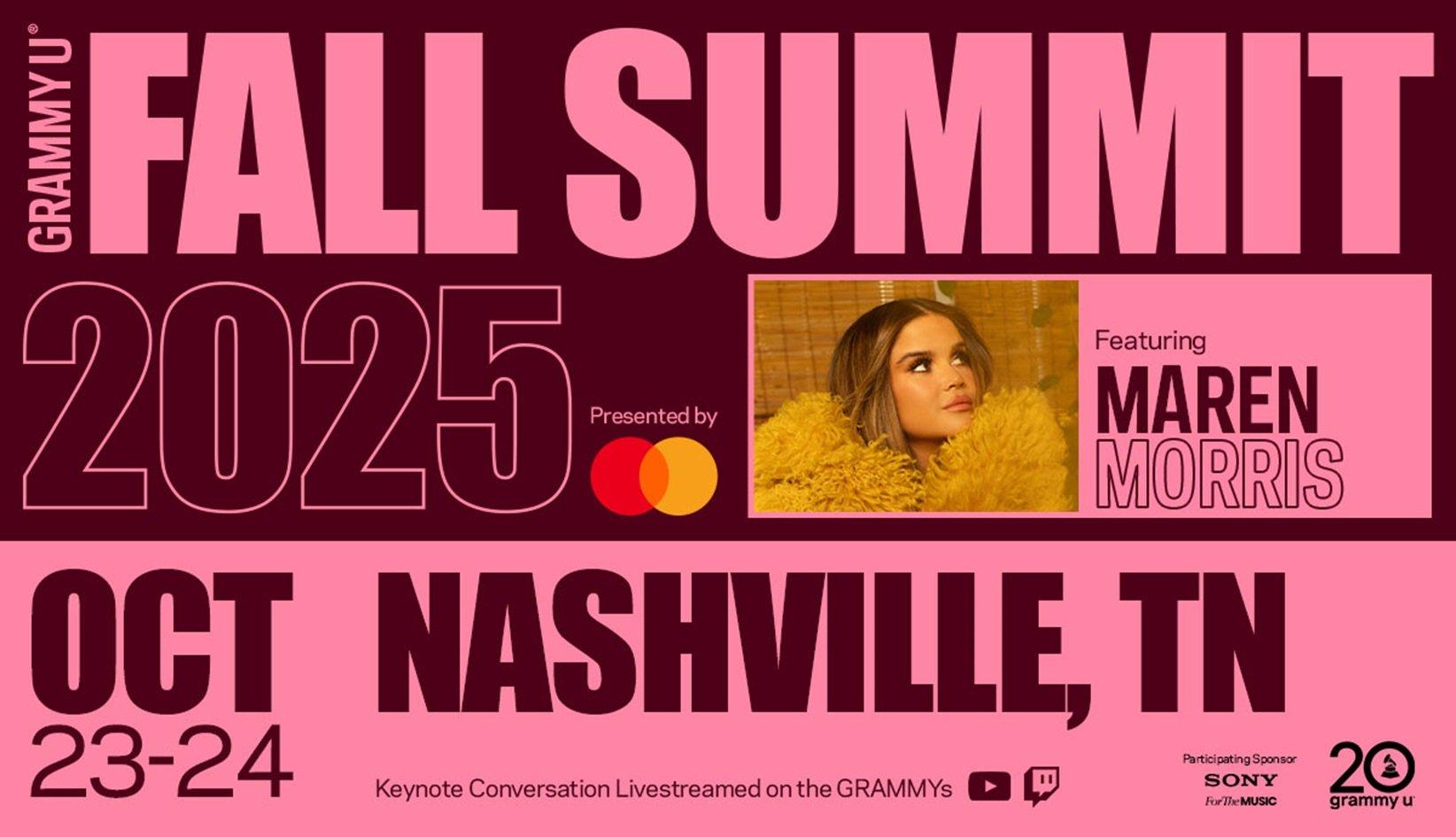
The 2025 GRAMMY U Fall Summit Presented by Mastercard returns to Nashville, Tennessee this October. The two-day event will offer a multitude of opportunities for connection and inspiration, showcasing the many ways young professionals can get involved with and grow in the music industry.
The 2025 GRAMMY U Fall Summit kicks off on Oct. 23 at the National Museum of African American Music, and will be held in collaboration with the Black Music Collective. GRAMMY U Members will learn from trendsetting artists including Rico Nasty, Mickey Guyton, Tayla Parx, Tanner Adell, and Brittney Spencer. They will also have the opportunity to grow their networking skills and connect with leaders from the Recording Academy, Mastercard, Concord Music Publishing, Big Loud, Amazon Music and more industry organizations.
Day two of the Summit commences on Oct. 24 at Riverside Revival, where GRAMMY-winning singer/songwriter Maren Morris will offer a keynote presentation moderated by singer/songwriter and producer King Princess. The Summit will conclude with a closing reception where GRAMMY U members can reflect on two days of career advice and development. This year’s GRAMMY U Fall Summit is Presented by Mastercard with participating sponsor Sony Pro Audio.
Read on for all the insider details about what to expect at the upcoming 2025 GRAMMY U Fall Summit in Nashville.
Learn To Embrace Your Identity With Rico, Tayla & Tanner
More than ever before, contemporary artists are embracing their sound without the limitations of genres. The "Disruptors by Design: Creating Your Sound" panel, which kicks off the first day of the Summit at 2 p.m. will lean into the experiences of multiple artists who have done just that.
Known for her vocal range, genre fluidity and high-energy performances, rapper and songwriter Rico Nasty innovates her sound through her lived experiences. Singer/songwriter Tanner Adell — who collaborated with Beyoncé on her Cowboy Carter track "BLACKBIRD" — has paved her own way in country music and continues to redefine the spaces she's in.
Alongside the GRAMMY-nominated singer/songwriter and producer Tayla Parx, the three will discuss how artists are openly blending cultures, sounds, and identities during the panel.
Level Up Your Networking Skills
Networking is an integral part of succeeding in the music industry. While there are countless avenues to reach contacts, there's often limited time to create meaningful relationships.
In GRAMMY U’s first-ever two-part curated networking experience, held on Oct. 23, members will learn advanced networking strategies and advice from valued sources. Industry professionals will share their experience during the "Perfect Pitch: How to Make a Lasting Impression and Build Relationships" panel, which will lead into a networking mixer where attendees can practice their new skills.
The session will feature panelists Latoya Bennett-Johnson, VP of Global Partnerships at Mastercard, Serena Lloyd, VP of Human Services at Big Loud, Ryan Madora, Bassist, Author & Content Creator, and moderator Jess Omokheyeke, Executive Assistant and Project Manager, DEI, Recording Academy. The four will provide insight from varying angles — industry executive, aspiring artist and established musician — and explore the pathways to making connections as well as strategies to maximize interactions in person and online.
Members will have the chance to put these learnings into action during the networking mixer to follow, hosted by the GRAMMY U Mentorship Program Presented by Amazon Music. This signature GRAMMY U experience gives members the opportunity to connect directly with mentors from music companies like the Recording Academy, Amazon Music, Mastercard, Concord Music Publishing, Jump.Global, mtheory, MusiCares, and more. The curated networking session includes guided prompts that turn introductions into opportunities, helping members feel comfortable and confident as they make professional connections that could shape the next chapter of their careers.
Gets Up Close & Personal With Mickey Guyton
Closing out day one of the Summit, four-time GRAMMY nominee Mickey Guyton will take the stage for a special Q&A moderated by fellow singer/songwriter Brittney Spencer, followed by a performance by Guyton.
Guyton, who previously delivered a powerful performance during the GRAMMY Salute to Cyndi Lauper, made history as the first Black woman nominated for Best Country Solo Performance with her breakthrough single "Black Like Me." Her fearless storytelling and commitment to representation have redefined the sound and soul of Nashville. Together Guyton and Spencer will reflect on their creative journeys, including Spencer’s collaboration with Tanner Adell on Beyoncé’s "BLACKBIRD" as well as Guyton’s upcoming solo work — and share how they continue to use their musicality and storytelling to inspire others.
Spend An Evening With Maren Morris
Maren Morris is celebrated for revitalizing modern country music with authenticity and depth. The Texas-born and Nashville-based singer/songwriter will discuss what she's learned throughout her long music career, as well as the many hats she’s had to wear in the industry.
In a conversation moderated by indie/pop artist and actor King Princess, Morris will share how she began her career as a songwriter, then share how she established herself on stage before thousands. Known for her unapologetic lyrics, with breakout hits like "My Church," Morris has built a career defined by authenticity. In this keynote interview, she'll open up about creativity, growth, and the skill it takes to stand in the spotlight in one's own story.
Livestreamed on the Recording Academy's YouTube and Twitch at 6:30 p.m. CT on Oct. 24, "Finding Your Voice with Maren Morris" celebrates artistry, self-emergence, and the ongoing transformation of one of Nashville's most influential voices.
Morris will then perform exclusively for the GRAMMY U member audience.
Celebrate The GRAMMY U Community
Following the keynote conversation and performance by Morris, attendees can join the Fall Summit closing reception — a two-hour celebration of connection and community, with sounds by GRAMMY U member DJ Coleman Christian.
From GRAMMY U photo activations to mingling with other GRAMMY U members — the reception will provide a fitting end to a Summit designed to empower and connect the future generation of music industry professionals and creatives.
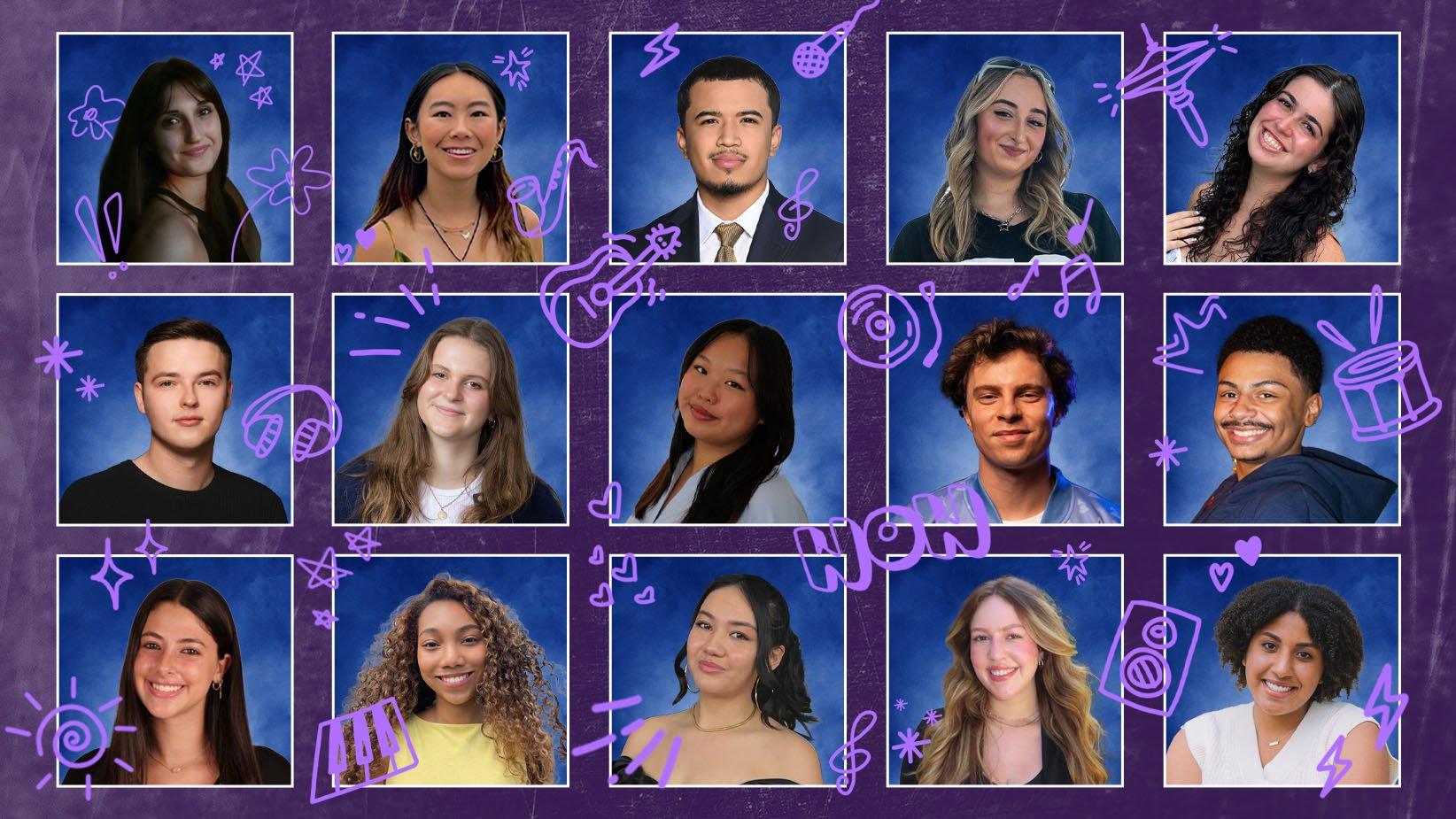
GRAMMY U members can register for the 2025 GRAMMY U Fall Summit taking place in Nashville, Tennessee October 23-24 here by Tuesday October 21. If you’re not a member, learn how to apply at grammyu.com.
For members who can’t attend in person, tune into the keynote conversation on the Recording Academy’s YouTube and Twitch channels from wherever you are.
Latest Recording Academy News & Initiatives
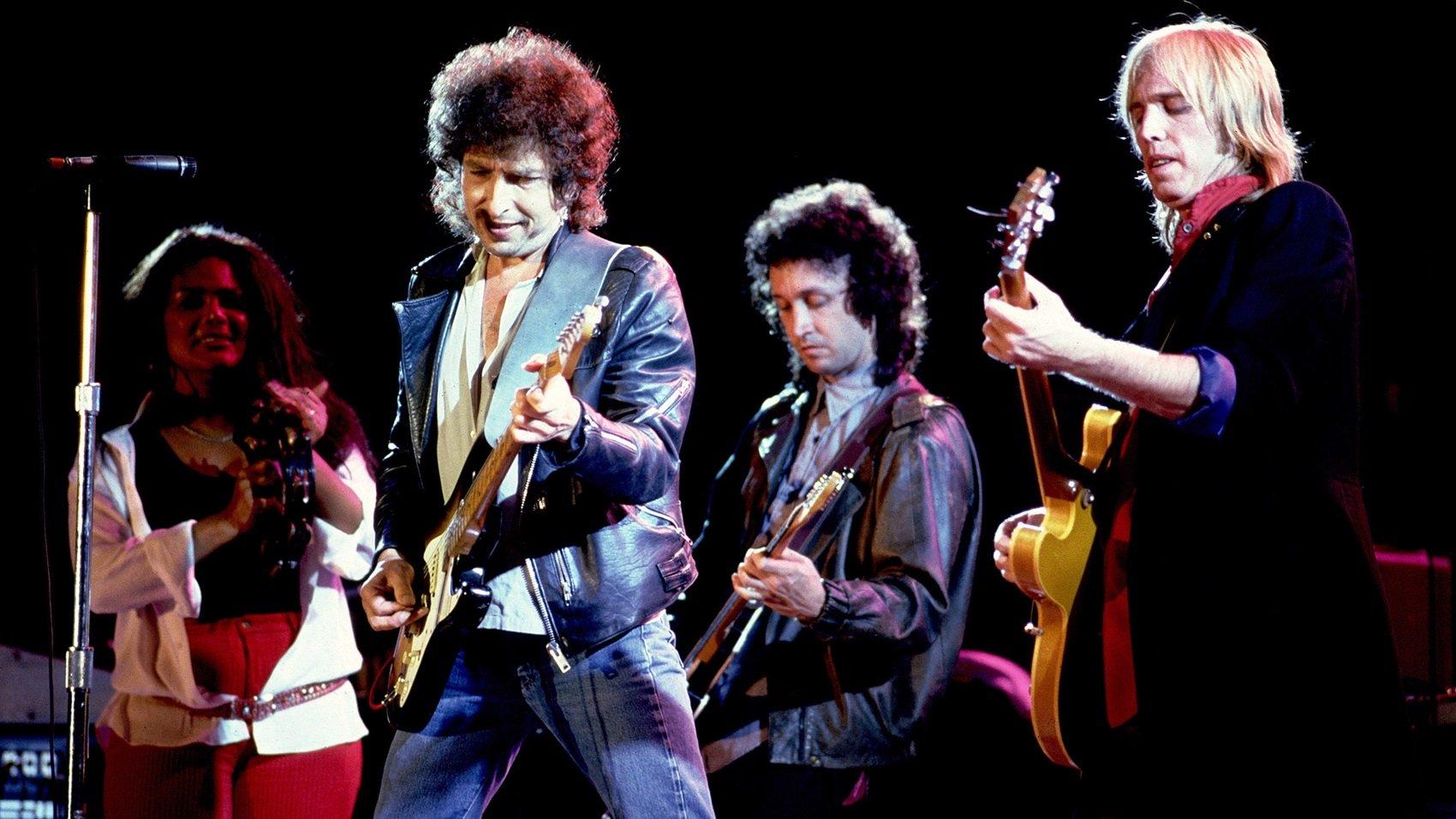
Bob Dylan and Tom Petty perform at Farm Aid 1985
Paul Natkin/WireImage
Farm Aid Turns 40: Steve Earle, Micah Nelson, Valerie June & More Share Memories From The Benefit Concert Series
Ahead of the 40th anniversary of Farm Aid, artists recall some of their favorite moments from America’s longest-running benefit concert series.
GRAMMYs/Sep 19, 2025 - 03:10 pm
"Homegrown’s alright with me / Homegrown is the way it should be/ Homegrown is a good thing/ Plant that bell and let it ring." So sings Farm Aid co-founder Neil Young in "Homegrown," a song written in the early 1970s that has unofficially become the anthem of the annual fundraising concert.
Farm Aid was born in 1985 after the 12-time GRAMMY winner Willie Nelson heard Bob Dylan lament, during his Live Aid set, that something should be done to help American farmers. During the 1980s farm crisis, a confluence of factors — including drought, failed policy, mounting debt, and severe inflation — led to plummeting land values and foreclosures of hundreds of thousands of family-owned farms across rural America. A "Concert for America," as the first Farm Aid festival was dubbed, was organized in just six weeks.
Farm Aid I took place Sept. 22, 1985 in Champaign, Illinois. Eighty thousand people attended the one-day event, which raised more than $7 million. Besides Nelson, Young and co-founder John Mellencamp, other legendary artists who performed at the inaugural concert included: Dylan, the Beach Boys, Tom Petty, Bonnie Raitt, Roy Orbison and Billy Joel.
Four decades on, Nelson, Young, and Mellencamp still lead this annual gathering of artists and activists — raising a ruckus and raising awareness about the plight of America’s family farmers. Dave Matthews joined the Farm Aid board in 2001 and, in 2021, Margo Price became the first female artist board member. Beyond the annual concert, the non-profit keeps the conversation about the good-food movement going year-round through education campaigns and partnerships with grassroots farm advocacy groups.
"For 40 years, Farm Aid has stood with farmers, supporting them to stay on their land even when corporate power, bad policies and broken promises make it harder to keep going," Farm Aid President Nelson said in a statement. "Family farmers aren't backing down, and neither are we."
The 92-year-old Nelson is not backing down either. The songwriter and humanitarian still leads — and inspires — the artists, advocates, audience and farmers who attend his annual, daylong event. Nelson officially opens every concert introducing the first act and closes the day with a full set that traditionally ends with a singalong by most of the artists on the bill. Over 40 years, more than 500 artists have donated their time to Farm Aid — from Don Was's all-star band that included Ringo Starr on drums, Pete Seeger making one of his final public appearances in 2013, to a surprise appearance from Bob Dylan.
"Willie's idea, from the very beginning, was to raise a lot of money and raise a lot of awareness, and that's still the through line," says Michael Foley, Farm Aid's Cultural Impact Director. "In spite of the strength of the opposition, all these artists show up every year and donate their time and talent, and they're raising money and raising awareness."
Since its inception, Farm Aid has raised more than $85 million and pushed for government policies that support family farmers and promote sustainable agriculture. The non-profit has evolved beyond its original mission to focus on education and advocacy.
With the current trade wars and their effect on the agricultural industry, Farm Aid is as important — and relevant — as ever. Farm Aid 40 takes place on Saturday, Sept. 20 at Huntington Bank Stadium on the University of Minnesota's main campus in Minneapolis. In addition to regulars Nelson, Young, Mellencamp, Dave Matthews (with Tim Reynolds) and Margo Price, this anniversary edition features a stacked lineup including: Billy Strings, Steve Earle, Kenny Chesney, Nathaniel Rateliff & The Night Sweats, Wynonna Judd, Waxahatchee, Trampled by Turtles, Eric Burton of Black Pumas and rising star Jesse Welles.
This marks the first time Farm Aid has held its daylong fundraising concert in the land of the 10,000 lakes where farming is integral to the economy. According to data from the 2024 USDA Census of Agriculture, the state boasts 65,351 farms and 25.4 million acres of farmland.
Before this year's concert, a few artists who have stood on Farm Aid's stage at least once share some of their favorite musical moments and backstage stories from America's longest-running benefit concert series. Farm Aid will livestream the full festival beginning at 11:30 a.m. CT with the Farm Aid press event at farmaid.org and on its YouTube channel.
Jeff Hanna, Nitty Gritty Dirt Band
We've been in Willie's orbit since the 1970s and we were proud and grateful to be part of the first Farm Aid back in 1985. It was an incredible experience for all of us. We backed up our friend John Denver, who was a neighbour of ours in Aspen, Colorado and who we had played with often at clubs and bigger and bigger stages over the years. We also did a short Nitty Gritty Dirt Band set.
Staring out at that huge stadium and seeing the faces of all those people there for the cause of the family farmer was amazing. And, as a fan, I also witnessed great sets by Dylan, Tom Petty and the Heartbreakers and Joan Baez … it was truly and incredibly inspiring day of music. It's a beautiful thing that Neil, Willie, and later Dave Matthews, have done with Farm Aid.
James McMurtry
My first Farm Aid performance was Farm Aid Four at the Hoosier Dome in Indianapolis in 1990. I've never seen so much spandex in one place before or since. I was trying to take it all in when Billy Joe Shaver came walking through the backstage sea of spandex, looking disgusted, but lending the event an air of authenticity.
When we took the stage, a pretty blonde woman introduced me to the crowd as James McMurty — employing the most common mispronunciation of my surname. I was later told that she was Nina Blackwood, and was a big deal MTV personality.
After my performance, I sat in with Nanci Griffith and totally blew the chords on one of the songs, drawing the unabashed ire of former Amazing Rhythm Aces keyboardist, James Hooker, who was backing Nanci. Fortunately, my friend, Ross Hogarth was in the truck mixing the broadcast and quickly muted my guitar channel, so only Hooker and the other 45,000 people in the Hoosier Dome knew how bad I sucked!
Steve Earle
The troubadour and country outlaw has performed at Farm Aid numerous times throughout its 40 year history and returns this year to perform a couple of two-song tweener sets. A longtime activist and passionate artist always eager to take up a plight that resonates, the singer/songwriter’s first time playing the festival was in 1986 in Austin, the same year his GRAMMY-nominated debut record Guitar Town, was released.
I played a solo set at about 9:30 or 10 o 'clock in the morning; it was in Austin at a racetrack. I performed by myself with Larry Crane, John Mellencamp's guitar player at the time. They had been pounding my record on sound checks and were playing it before John came out for his set later that night. That was where I met [Mellencamp] for the first time … on his tour bus. After that Farm Aid, I wrote the song "The Rain Came Down" because I felt weird that I didn't have a song to sing about the issue.
Micah Nelson
One of my favorite Farm Aid memories was the first time I ever played with Neil [Young] back in 2014. He randomly asked me and my brother Lukas [Nelson] if we wanted to join him at the end of his solo acoustic set and do “Rockin in the Free World.” Of course we said yes! In true Neil fashion this was like 10 minutes before he was about to go on — no run-through, no soundcheck, no plan, so no time to overthink it.
I just remember my brother and I on either side of Neil on stage trying to create a bedrock of supportive energy and the whole thing feeling incredibly natural and effortless. Big smiles all around! That was quite a plot point in the story of my life; the beginning of a long musical ride and a beautiful friendship. Here I am over a decade later typing out this memory from a hotel room, on tour with Neil.
Another iconic Farm Aid moment for me was watching all the founders: my dad, Neil, John and Dave up onstage singing “This Land is Your Land” with Pete Seeger. I remember Pete was like 1,000 years old standing up there picking his banjo and full of spunk! He even added his own new verse that ended with “New York was made to be frack-free.”
Valerie June
My favorite Farm Aid memory is from getting off the stage at Willie Nelson's Luck Ranch in Texas. Annie Nelson, his wife, was there as I put away my banjo and made space for the next performer. She loved my set and invited me to Farm Aid.
While I love Willie, Neil, John, Dave, Margo — and every star on the main stage — it's really the folks behind the scenes that work hand in hand with the local farms who keep the longevity of Farm Aid thriving. When you're there, you witness a village that can only be built by having all of the stars align — both the known and the unknown working together to create positive changes and a loving community that ripples across the nation and uplifts the entire world. Shout to Annie and all of the ladies who have been working with Farm Aid for years behind the scenes. It's a national treasure.
Latest News & Exclusive Videos
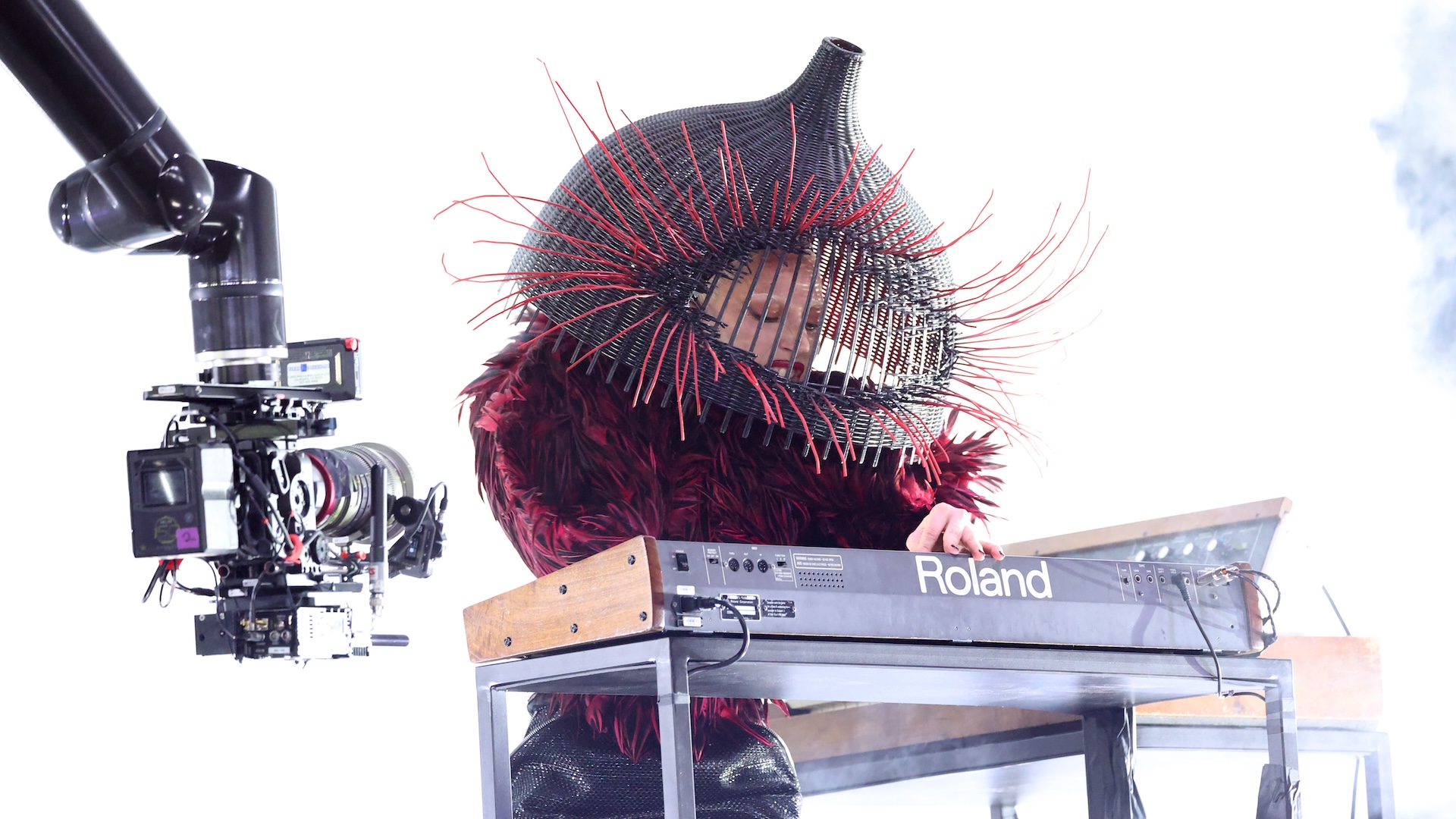
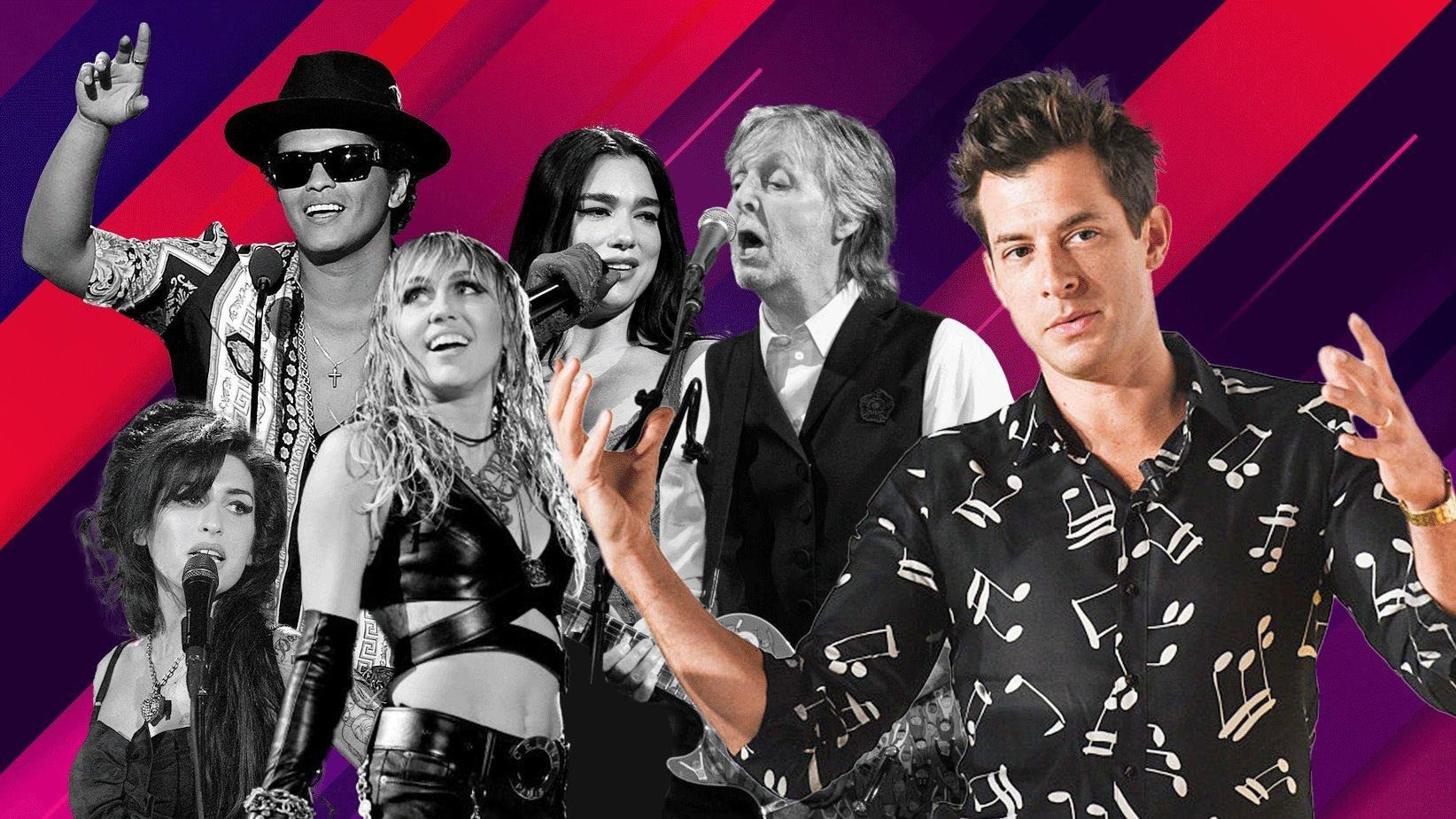
Mark Ronson with Amy Winehouse, Bruno Mars, Miley Cyrus, Dua Lipa and Paul McCartney
Photos: Antoine Antonio/Getty Images; Peter Macdiarmid/Getty Images for NARAS; Kevin Winter/Getty Images For MTV; Denise Truscello/Getty Images for iHeartMedia; Don Arnold/Getty Images; Harry Durrant/Getty Images
Behind Mark Ronson's Hits: How 'Boogie Nights,' Five-Hour Jams & Advice From Paul McCartney Inspired His Biggest Singles & Collabs
Ahead of the release of his memoir, 'Night People: How to Be a DJ in '90s New York City,' revisit GRAMMY.com’s 2023 interview with Mark Ronson.
GRAMMYs/Sep 15, 2025 - 05:04 pm
This story was originally published on Sept. 26, 2023 and has been updated to reflect details of his memoir.
Mark Ronson's fingerprints are everywhere in pop music.
Whether he's behind the board as a producer, penning earwormy hooks for some music's biggest names, or employing a crate digger's mindset to create his own records, you'd be hard-pressed to find something on your playlist that Ronson hasn't touched. The seven-time GRAMMY winner might as well be considered the industry’s Kevin Bacon — he's worthy of his own "six degrees" game.
Today, Ronson is on his way back to New York City from some time spent in the Hudson Valley — a much-need reprieve after a blockbuster summer that saw his Barbie movie soundtrack top charts around the world.
"I love this film so much and I did something I've never done before by executive producing and overseeing [its music]," he tells GRAMMY.com.
That Ronson still has things to check off his professional bucket list is something of a surprise. The stepson of Foreigner guitarist Mick Jones, Ronson got his start DJing in New York in the '90s, bridging his twin loves of funk and hip-hop. In the latter part of the decade, Diddy hired Ronson to DJ several parties, thus opening up the then-twentysomething to a world of A-list talent. Ronson's elite status only grew over decades — from DJing Paul McCartney's wedding in 2011 (for which he refused to accept payment), to creating the ubiquitous hit "Uptown Funk," and curating the final night of the iconic 2023 Montreux Jazz Festival.
Ronson has released five of his own albums — beginning with 2003's Here Comes The Fuzz and up to 2019's Late Night Feelings — each of which is a star-studded affair, featuring everyone from Miley Cryus and Camilla Cabello to Bruno Mars and Mary J. Blige (as well as the occasional lawsuit over interpolation and sampling). Over the years, he's developed a cadre of session musicians and production collaborators, creating an incredibly pop savvy sound often built on horn-driven funk and soul.
At the bedrock of Ronson's production — and among his best-known works — is Amy Winehouse's GRAMMY-winning album Back To Black. Since that 2006 release, Ronson has collaborated with an ever-increasing number of major acts, composing, arranging, producing, writing or playing on (and sometimes all of the above) works by Lady Gaga, Duran Duran, Dua Lipa, Adele, Queens of the Stone Age, and even Sir Paul himself.
Ronson will add another first to his list: author. A hybrid memoir and cultural history, the still-in-progress 93 'Til Infinity will cover the New York downtown club scene of Ronson's salad days.
"It's really fun to revisit that era, and it was a very specific time in DJing where DJs weren't really famous," he recalls. "There was no stage; sometimes the turntables were shoved in the corner at the end of the bar and you would have to crane your neck to even see the crowd. I sound like Grandpa Simpson, but I loved it."
Ronson is en route to a DJ gig as we speak, though the new dad says he'll be "kicking back into high gear on the book" soon. "[Writing it] requires really falling off for seven hours in the basement, like Stephen King says in his book. But I like that," he says.
Ahead of the release of his memoir, Night People: How to Be a DJ in '90s New York City on Sept. 16, revisit GRAMMY.com’s interview with Mark Ronson. Ronson shared the stories behind some of his favorite productions – including the song that makes people "stupidly happy."
"Ooh Wee," Here Comes The Fuzz feat. Ghostface Killah, Nate Dogg, Trife and Saigon (2003)
I went to see Boogie Nights in the theater and I remember this scene where Mark Wahlberg's a busboy on roller skates and in the background there was this song playing that had just this string thing that just hit me so hard. I bought the Boogie Nights soundtrack and it wasn't on there — obviously this is 20 years before Shazam — then I figured out it was the song called "Sunny" by Boney M.
When I was making my first record, I was sort of locked up by myself in the studio on 54th Street just experimenting, making tracks all the time. That string line, I could never figure out what to do with the sample. I tried 80 different tempos and drum beats over it, and it wasn't until I just put that drum break behind it, the drums from the song, and it just all sort of gelled together.
Because that was an era in hip-hop where people weren't really using drum loops or drum breaks anymore. It was about chopping and having hard kicks and snares, like DJ Premiere and Timbaland. The DJ in me was like, f— it, let me just try putting a drum break under it. It all gelled and felt good.
I was a huge Wu-Tang fan, and at that point Ghostface was my favorite out of the group and I loved his solo records. I've never been more nervous in some weird way to talk to somebody — nervous and giddy, and what if I just sound so dorky?
I remember he was like, "Yeah, I get it. I think it's dope. It's like some Saturday Night Fever with Tony Manero s—." I guess because of the strings and it was so disco, and Ghost always had this pension for those disco kind of uptempo beats.
The album had to be handed in and I didn't have a hook that I liked on this song yet. Sylvia Rhone was the head of Elektra and she said, "I could try and get Nate Dogg on it." Of course that was the dream. I sent him the track, and it was probably two days before I had to master the album, on a Sunday. He sent me the files back, and all the waveforms were blank.
I had to call Nate Dogg at like 10 a.m. at home on a Sunday. While he's on the phone, he goes back in the studio and turns all his equipment on, trying to do the session.
The fanboy thing is still very real because I still work with people all the time that I'm a fan of. At that age, being in the studio with M.O.P., Mos Def, Q-Tip, Jack White, Freeway, Nate. I was just trying to keep it together some of the time.
"Rehab" - Amy Winehouse, Back to Black (2006)
"Rehab" just came about in general because Amy was telling me an anecdote. She was really together when we worked — she might not have been sober, but she got her whole life together. She was telling me about this time in her life that was difficult and she was in a really bad place. She said, "And my dad and manager came over and they tried to make me go to rehab and I was like, 'No, no, no.'"
I remember that it instantly sounded like a chorus to me, so we went back to my studio and we made the demo. That was when the Strokes and the Libertines were really big. I remember [the drums] sounded much more like an indie beat, even though it came from soul and Motown and the original rock 'n' roll. She would tease me; she's like, "You trying to make me sound like the bloody Libertines."
When [studio group] the Dap-Kings played it, they just brought it to life. I didn't really know anything about analog recording at that point. I only knew how to make s— sound analog by sampling records, so to hear them all play in the original Daptone studio, all the drums bleeding into the piano…. I felt like I was floating because I couldn't believe that anybody could still make that drum sound in 2006.
Amy couldn't be there for the recording, so I was taking a CD-J into the studio with me and I had her demo vocals on a cappella. I was playing it live with the band so that they could keep pace with the arrangement. I loved it so much.
"Valerie," feat. Amy Winehouse,Version (2007)
Amy had never met the Dap-Kings, even though they had been the band for all the songs that I had done on Back to Black. There was this really lovely day in Brooklyn where I took her to the studio to meet all the guys. The album was already out; there was a very good feeling about it [and] they obviously made something really special together. Amy loved the way the record sounded so much, she was so grateful. They loved her.
While we're all having this love-in in Bushwick, I was finishing my album Version and I said, "Maybe we could just cut a song for my record?" The whole theme of the record had sort of been taking more guitar indie bands like the Smiths, the Jam, the Kaiser Chiefs, and turning those into R&B or soul arrangements. I asked Amy if she knew any songs like that. She's like, "Yeah, they play this one song down at my local. It's called 'Valerie,'" and she played us all the Zutons' version. I didn't really hear it at first.
The first version we did was this very Curtis Mayfield kind of sweet soul. Part of me was just like, This is really good, but I feel like there's a hit version as well. I don't have that kind of crass thing where everything needs to be a hit, but…
Everybody was already packing up their instruments and I didn't know the guys that well yet, so it was kind of a pain in the ass to be like, "Hey, I know everybody just wants to go onto the f—ing bar and get a beer right now, but can we just do one more version where we speed it up a little?" Everybody flips open their guitar cases and we do like two more takes, and that's the version on my album.
"Alligator" - Paul McCartney, NEW (2013)
We've done other things together, but I've only really [worked on] three songs on his album, NEW. "New" I just loved as soon as he sent me the demo, because as a McCartney fan, it gives you the same feeling as "We Can Work It Out"; it just has that amazing uplifting feel. That's just his genius. I love "Alligator" maybe a little more because it's more weird.
He definitely gives you a day to f— up and be an idiot because you're just so nervous to be in the studio with McCartney. By the second day it's like, okay, get your s— together.
I remember running around just like, What sound can I find for Paul McCartney that every other amazing producer who ever recorded him [hasn't found already]? He was like, "Anybody can record a pristine acoustic guitar. Give me something with some characteristic that's iconic. That feels like someone just put the needle down on track one on an album."
That's something I always try to remember: don't just make it sound like a guitar, make it sound like a record.
"Uptown Funk" feat. Bruno Mars, Uptown Special (2015)
My enjoyment of the song is now gauged by the people that I'm playing it for. I was playing at this party at Public Records [in Brooklyn] on Sunday. I knew that I wasn't going to play that song on that night; it wasn't right for that crowd or something. And then an hour into my set, the vibe is really good, and I was just like, f— it and I dropped it, and people went crazy.
I'm a little extra critical sometimes on the more commercial songs, thinking nobody wants to hear this or this doesn't really have a place in this space. I think it's just a song that makes people stupidly happy, and that's cool.
The lyrics [to "Uptown Funk"] came really quick. We had the jam: Bruno was on drums, I was playing bass, Jeff Bhasker was on keys, and then Phil Lawrence was there and we jammed for five hours. We just chopped up our favorite parts of the instrumental jam, and then just started writing lyrics almost like a cipher. Bruno had been playing the Trinidad James song ["All Gold Everything"] in his live sets and playing it over a sort of uptempo, funky James Brown, "Get Up Off That Thing" groove.
We were just throwing about lyrics, throwing a little bit of the cadence of the Trinidad James song. Then when Jeff Bhasker said, "This s—, that ice cold/That Michelle Pfeiffer, that white gold." It was like a great rap line. Then everything started to elevate a little bit from there on up.
That first day, we had the whole first verse and it felt great. Every time we went back in the studio, a lot of the times it would feel labored and not as good as that first verse. So it really took a long time to get in. Sometimes we'd go in the studio for three days and then at the end of the whole session we realized, we actually only liked these four bars.
So we kept building on it, and luckily Bruno didn't really let it die. Bruno was touring Unorthodox Jukebox; I was just flying around the country with a five string bass just to get the song done.
"Uptown Funk" still ended at Daptone…to do the horns last with Dave [Guy] and Neil [Sugarman], me. It's almost like you've always got to go through Daptone to finish something.
Bruno came up with that horn line. He was like, "I know you're going to kill me because you're trying to get away from being the horn guy, but I have this horn line and I think it's kind of killer." He demoed it from whatever backstage room on tour and I was like, Okay, here we go.
"Shallow" - Bradley Cooper and Lady Gaga, A Star Is Born Soundtrack (2018)
It's very rare that I write on a song that I don't have to produce as well. We wrote that song in the middle of sessions for [2016's] Joanne, and then Gaga produced the whole Star is Born soundtrack herself. I remember we all had some tingly feelings when we were writing it.
It wasn't meant to be a duet ever. Then Bradley wrote it into the film; it becomes the beginning of their love story. Bradley showed [me a rough cut] at his house, I remember just being like, he's taking this special song [and] made it put its hooks into you. This film, and the story, and the way this song is unfolding is so special.
Then also shout to Lukas Nelson, because that guitar that he came up with that opens the song was not in our demo, and that is such an iconic, memorable part of the song.
The film and the script was really powerful, and I think that me, [co-writers] Andrew [Wyatt], Anthony [Rossomando], Gaga were all in this sort of heartbreak place. We're all just going through our own dramas in the song. The juju was really good and a little spooky in the studio that night.
"Electricity" - Dua Lipa & Silk City feat. Diplo, Mark Ronson, Electricity (2018)
That song just always makes me happy. I don't have a lot of other songs [that sound] like that. I'm always psyched to play that in a set or to go see Diplo play it live.
When I came up DJing in the mid-'90s in New York, if you're a hip-hop DJ you had to be versed in dancehall, old R&B dance classics, and a little bit of house. So I knew 12 house records, but I love those records.
It came out of a fun jam, just me and Diplo — who I'd known probably at that point for 10, 15 years, but we never got in the studio together. He's just firing up drum s— and I'm just playing on this old tack piano that was in the studio I just moved into. But it also sounded quite housey.
We came up with those chords and [singer/songwriter] Diana Gordon came over. I never met her before and she just started freestyling some melodies, and it was just so soulful instantly.
We'd moved the key a little bit lower for Dua — she has this amazing husky voice — but we still left Diana's demo vocal in. She's singing these mumble, non-word melodies that sound like a sample.
We had that old studio where we did Version and all the Amy demos. It has an old-school elevator that was sort of manual and it would always break down. There were people that were just too afraid, like Cathy Dennis — the brilliant songwriter who wrote "Toxic" and "Can't Get You Out of My Head" — she would just always be like, "I'm taking the stairs." We were on the fifth floor and it was a steep, steep walk up. [Editor's note: The music video for "Electricity" features Ronson and Diplo stuck in an elevator. He notes that he's gotten stuck several times in real life.]
"Nothing Breaks Like a Heart" feat. Miley Cyrus, Late Night Feelings (2019)
I was in L.A. working in Sound Factory [Studios], and I had seen Miley a couple years back sing "50 Ways to Leave Your Lover" on the "SNL" 40th anniversary; I had never heard her perform with that stripped-down arrangement. I was just so in love with her voice and the tone. I remember hounding my manager, because usually somebody who knows somebody, but Miley Cyrus was completely unreachable and just in another stratosphere.
I was in the studio with [Dap-King] Tommy Brenneck; he's just such a wonderful player, such a soulful touch. We got this thing going, and then Ilsey [Juber] was saying, like, "What about all these things that break, but nothing breaks like a heart?"
[I thought], You know what? I've been trying to hit this girl up for years and nothing ever happened, but let me just try it one more time. I sent it off to Miley, and I guess she was just in a really motivated part of life. She's like, "This is cool. Where are you guys? I'll be there Monday." She came down Monday to the studio, and then her and Illsey wrote the whole rest of the song.
"Break Up Twice" - Lizzo, Special (2022)
[I produced a few other songs on Special], but they didn't make the cut. There's one that I really love called "Are You Mad" that might hopefully see the light of day once.
We spent a lot of time together and I love working with her because she has a really eccentric/ avant garde music taste. Like, the Mars Volta is her favorite-ever band; she's a conservatoire flute player; then she has a strong Prince heritage because she spent time in Minneapolis and she's been to Paisley Park.
The thing that I really love about her is, even at the status that she was at when we were working, there was never anything too silly or too left field to try. It's really freeing when you're with a big artist who isn't afraid to just f— around and jam and make some s— that you know might not be the thing.
"Break Up Twice" was actually an instrumental that we had done at Diamond Mine with [Daptone family] Tommy [Brenneck], Leon [Michels], Victor [Axelrod] and Nick [Movshon]. I just played that, and it instantly spoke to her and she just started freestyling, adding the harmonies and the sax and the vocal arrangements. I just didn't quite know how versatile and talented that she was when we first went in the studio. I just remember constantly being impressed and amazed.
Barbie: The Album (2023)
I'm really proud of the Dom Fike song ["Hey Blondie"], the Sam Smith song ["Man I Am"], [Dua Lipa's] "Dance and Night," of course. Even the Billie [Eilish] song that we did the string arrangement for. I played the tiniest bit of synths on the Nicki [Minaj]i/Ice [Spice] song.
I love this film so much and I did something I've never done before by executive producing and overseeing it. There's so many songs that I had nothing to do with creatively; sometimes I was just doing admin, hounding Tame Impala to send in a demo.
I'm really proud of "I'm Just Ken." Of course Ryan Gosling is a superstar in a different kind of way, but the fact that he's not some superstar pop artist, and the fact that that song has managed to do what it's done….Obviously it's so much to do with the film and his performance, but I'm really proud of that song. I was so inspired by the script. I just instantly had the idea for that line.
There was never anything in the script that said Ryan was going to sing a song. It was just something where Greta [Gerwig] and him really loved the demo, and she loved it enough to write it into the film, which was just so exciting. It was happening in a way that felt wonderful and organic, and to then get Josh Freese and Slash, and Wolf Van Halen to play on it and even bring it to even this next level of sonic fullness.
On TikTok and Instagram, I've seen people singing it; [even] in Spanish, really intense, really earnest covers. We were never trying to write a parody song or anything that wasn't earnest, because there's nothing parody about the film. I guess the chords have a bit of heartbreak in them, a little melancholy, and Ryan's performance is really lovely.
Barbie score (2023)
We worked equally hard or harder [on the score]. It doesn't have quite the same shine because obviously it's not Billie Eilish, Lizzo, and Dua Lipa, but it's something Andrew [Wyatt] and I did. A piece called "You Failed Me" — that's during both Barbie and Ken's meltdown in the middle of the film — I'm quite proud of that. I really love the "Meeting Ruth" orchestral interpolation of the Billie tune as well.
I've contributed music to other films and little cues and things like that, but this is the first time that Andrew and I really did a whole movie from start to finish while also doing the soundtrack.
It's incredibly humbling, too, because when you make a song for someone's album, you're working. It's certainly the most important thing that's happening. In a film, it could be the second most important thing. You could sometimes say it's the third most important thing after dialogue and the sound effects. All that's programmed into your mind about hooks and things like that it's like, No, actually sometimes get the f— out of the way and just provide a lovely emotional texture for things to sit under things.
The thing that I guess is universal is you're reacting to an emotion. Especially if it's a film that you really feel emotionally partial to, you're watching this wonderful performance on screen and how could you not be inspired by that? We're so spoiled to have this as our first film where we're reacting to the emotional heart of this film, which is so rich.