
Photos: Jason Kempin/WireImage; Bob Riha, Jr./Getty Images; Amy Sussman/Getty Images; Benjo Arwas/Contour by Getty Images; Jay L. Clendenin / Los Angeles Times via Getty Images
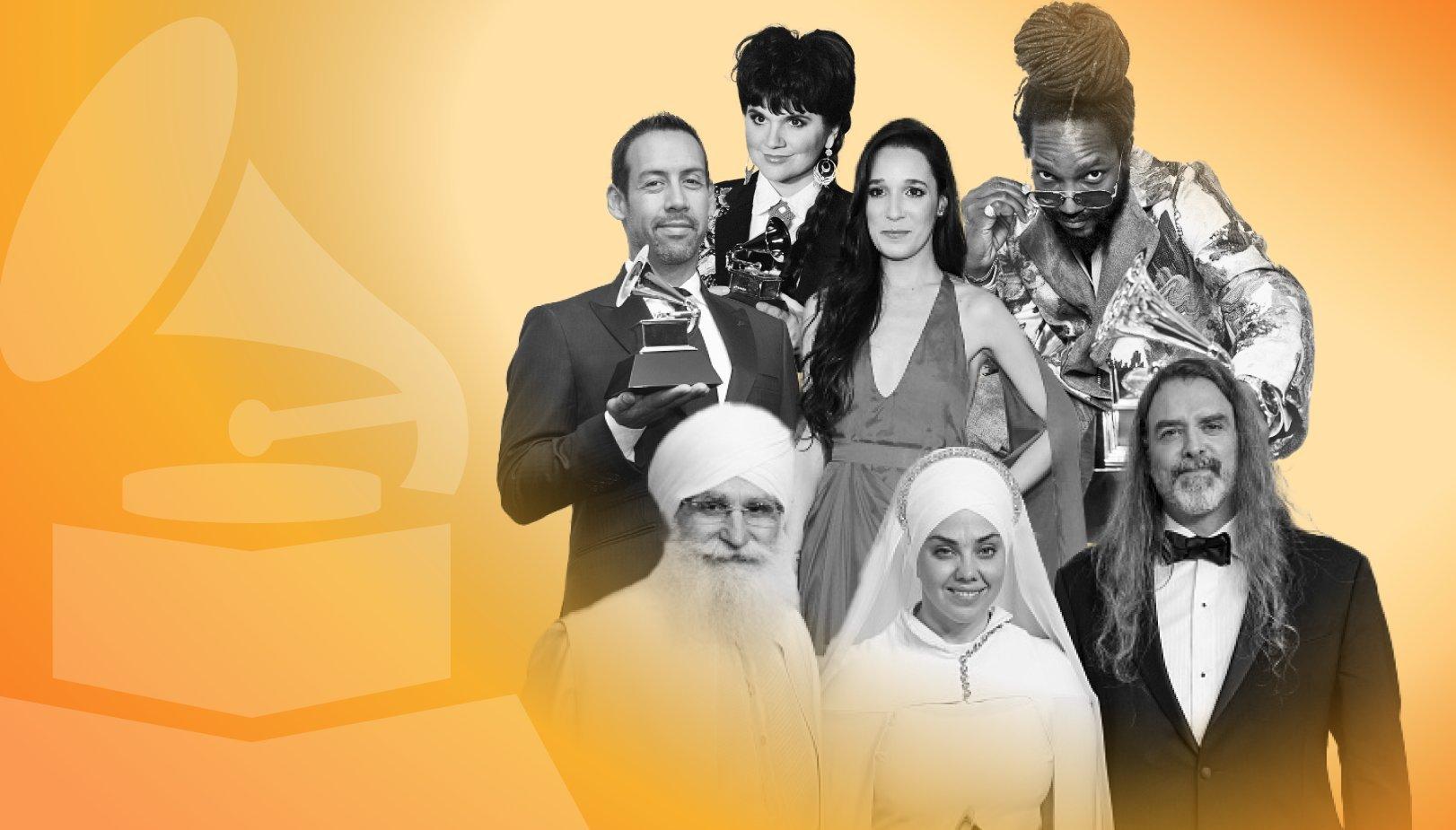
(Clockwise from left) Antonio Sánchez, Linda Ronstadt, iLe, Kabaka Pyramid, White Sun
The Impact Of A GRAMMY Win: Life After The Award
What happens after Music's Biggest Night? GRAMMY winners Linda Ronstadt, White Sun, Kabaka Pyramid, iLe, and Antonio Sánchez reflect on their victories and discuss how winning a GRAMMY Award has impacted their careers.
GRAMMYs/Oct 27, 2025 - 02:46 pm
Editor’s note: This article was originally published on Nov. 7, 2024 and has been updated to reflect the 2026 GRAMMYs.
GRAMMY season is upon us — which means voting for submitted works, watching the 2026 GRAMMY nominations on Friday, Nov. 7, and seeing who will take home golden gramophones at the 2026 GRAMMYs on Sunday, Feb. 1.
Over 67 awards ceremonies, GRAMMY Awards have elevated careers, sparked cultural shifts, and cemented legacies. For artists, musicians and music industry professionals, a GRAMMY win can be a game-changing moment, unlocking new opportunities for collaboration and enhancing global recognition. Often, a GRAMMY win becomes a pivotal milestone in an artist’s career.
What happens after an artist or music professional wins a GRAMMY? For many, it's a life-changing moment, but the path that follows can be as unique as the music that earned them the accolade.
Below, five GRAMMY-winning artists — icon Linda Ronstadt, transformative artist White Sun, reggae artist Kabaka Pyramid, Puerto Rican singer iLe, and acclaimed jazz drummer Antonio Sánchez — discuss how winning a GRAMMY has affected their careers and creativity.
Linda Ronstadt
Number of GRAMMY Awards: 11
First GRAMMY Won: Best Country Vocal Performance, Female for "I Can't Help It (If I'm Still In Love With You)," 1976 GRAMMYs
Loading...
A trailblazing figure, Linda Ronstadt is known for her remarkable versatility and powerful voice that transcends genres. Over four decades, Ronstadt broke boundaries not only in her music, but also in her advocacy for artists' rights and political causes.
Musically, Ronstadt defied industry norms by crossing over from rock and country, while also embracing diverse genres such as opera and jazz. Ronstadt honored her Mexican heritage via multiple Spanish-language albums, including 1987's Canciones de Mi Padre. That album highlighted traditional Mexican mariachi music and became the best-selling non-English language album in U.S. history, playing a key role in bringing Latin music into the mainstream spotlight. The album took home a golden gramophone for Best Mexican-American Performance at the 31st GRAMMY Awards.
Ronstadt has 11 career GRAMMY Awards, as well as a Latin Recording Academy Lifetime Achievement Award and a Recording Academy Lifetime Achievement Award. But her journey didn't end with the wins, the last of which came during the 63rd GRAMMY Awards for Best Music Film.
Ronstadt points to her early wins as the beginning of a new chapter characterized by continued growth and dedication. While the GRAMMY Award is recognition, it doesn't instantly transform an artist's skills or career. "Winning a GRAMMY did not make me a better singer," Ronstadt tells GRAMMY.com. "It took several more years of hard work to do that. But it is always nice to have your work validated."
Antonio Sánchez
Number of GRAMMY Awards: 5
First GRAMMY Won: Best Contemporary Jazz Album, Speaking Of Now, 2003 GRAMMYs
Drummer and composer Antonio Sánchez gained widespread recognition for his collaborations with jazz guitar legend Pat Metheny and icons such as Chick Corea and Gary Burton. Beyond jazz, Sánchez made a significant mark on film, most notably with his groundbreaking score for the 2014 Oscar-winning film Birdman, directed by Alejandro González Iñárritu. Sánchez's GRAMMY Awards reflect his ability to push the boundaries of music and have shaped his career.
"I’m humbled and honored to have received GRAMMY Awards, and they have certainly expanded an awareness of what I do to those unfamiliar," he explains.
While Sánchez doesn’t believe anyone hires him solely because of his awards, the wins have undoubtedly brought more attention to his work. He recalls his first GRAMMY win over 20 years ago with The Pat Metheny Group: "I’ll never forget the moment I held it in my hands — and being surprised by its weight," Sánchez says. That win supercharged his passion for music, reinforcing his desire to surround himself with the highest caliber musicians and continue striving for excellence.
For aspiring musicians, Sánchez emphasizes the importance of staying true to one’s creative process. "Try not to think of awards, accolades, or public opinion in your creative process," he advises. Instead, he encourages artists to focus on what they love and give it their all. For Sánchez, the pressure to deliver is always present, but he believes that pursuing awards should not be the goal.
"Your virtue is its own reward — the best reward," he says, reminding artists that if they work hard enough, recognition and awards like the GRAMMYs will follow.
Kabaka Pyramid
Number of GRAMMY Awards: 1
First GRAMMY Won: Best Reggae Album for The Kalling, 2023 GRAMMYs
Loading...
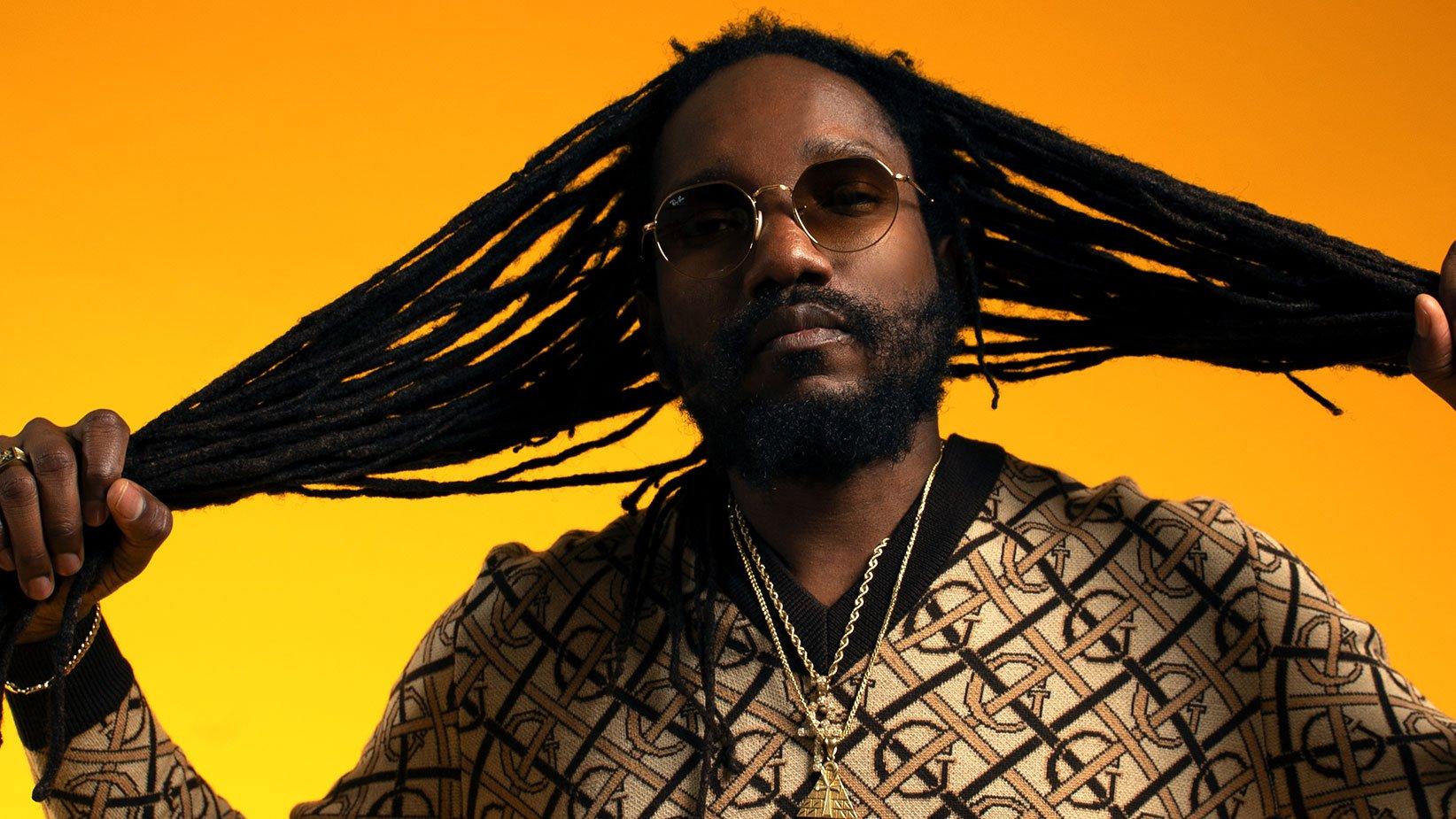
Kingston, Jamaica, native Kabaka Pyramid is known for blending traditional roots reggae with elements of hip-hop and dancehall. His music is celebrated for its socially conscious messages, tackling topics such as inequality, spirituality, and cultural empowerment. Kabaka's unique style and powerful lyrics have attracted a global audience, establishing him as a leading figure in modern reggae.
Kabaka acknowledges that winning a GRAMMY has impacted all aspects of his career. "I can say just about every area has been elevated to some degree," he shares. This success has led to everything from bigger financial offers to more shows, as well as increased publicity and social media growth. He’s also had the chance to travel to new places and noted a greater respect within the industry.
However, with success comes challenges. Kabaka shared that he feels heightened expectations to perform, and notes that he's received some "absurd requests" to perform from people who want to benefit from their association with him. He added that some people who knew him before he won a GRAMMY now interact with him differently, which can feel strange at times.
The Kalling's GRAMMY win has given Kabaka Pyramid more inspiration and motivation to strive for greatness, though his approach to making music has not changed fundamentally. "It’s the same process as before, but more mindful of the details to ensure the standard is always being raised," he explains. The artist advises aspiring musicians to "stay grounded but reach for the stars.
"It's important to consciously know what you're about and what you stand for," he advises.
iLe
Number of GRAMMY Awards: 1
First GRAMMY Won: Best Latin Rock, Urban or Alternative Album for iLevitable, 2017 GRAMMYs
iLe possesses a powerful and distinct voice. Her solo career is defined by evocative lyrics and a style that fuses the traditional sounds of Latin America with modern musical elements.
Born Ileana Mercedes Cabra Joglar in Puerto Rico, iLe grew up surrounded by creativity, with a family deeply involved in the arts. During her teenage years, iLe collaborated with her siblings, René Pérez Joglar (Residente) and Eduardo Cabra (Visitante), to take on the role of lead singer for their group, Calle 13. Her commanding voice and captivating stage presence played a crucial role in defining the band's unique meld of hip-hop, rock, and traditional Latin music.
iLe says her win at the 59th GRAMMY Awards was an unexpected yet rewarding experience. The greatest reward was celebrating the achievement. "Working on an album is already hard enough, and every album you get to release is literally that: a release, a satisfaction, a transition into something new," she shares.
While the GRAMMY brought new opportunities, iLe emphasizes that she’s most thankful for the chance to continue making music. "I feel grateful to have had opportunities like this to expand my music, but I feel even more grateful to be doing what I love," she reflects.
iLe notes that the award didn’t change the themes she explores in her music, which are grounded in honesty and a deep connection to her culture. She encourages other Latin artists to work hard and stay authentic. "Don’t feel the need to turn into something you’re not just to feel some sort of approval or validation," she advises, adding that musicians should continue to explore their own paths and enjoy the journey.
White Sun
Number of GRAMMY Awards: 2
First GRAMMY Won: Best New Age Album for White Sun II, 2017 GRAMMYs
Loading...
White Sun seamlessly merges ancient yogic mantras with modern music to create a sound that’s both unique and meditative. Led by vocalist Gurujas, with multi-instrumentalist Adam Berry and percussionist Harijiwan, the group is known for their calming, spiritual music that promotes mindfulness and wellness.
White Sun first won Best New Age Album at the 2017 GRAMMYs for White Sun II — the first all-mantra album to win the award — and their second win came in the renamed category six years later for Mystic Mirror. White Sun believes winning a GRAMMY broadened the recognition of their work.
"There is no question that our two GRAMMY wins gave us a bump in listenership," they note, explaining that they experienced a surge of interest following each win. The results go beyond new fans, however.
"Just like any other artist, every time we make a song, we aspire to create emotional impact, compelling melody, high production quality, and innovative lyricism," the group says, adding that their music exceeds these goals by using frequencies that positively affect the body, resulting in "countless stories of physical and mental healing from all over the world."
White Sun remains committed to their artistic integrity. Gurujas says winning the GRAMMY has only strengthened her resolve to "stay true to the creative force within me and honor the music above all else." She advises fellow artists navigating the post-GRAMMY experience to stay prolific, humble, and true to oneself.
"If you fall into the trap of trying to create music you think other people want to hear, your success will be ephemeral, and your music will be forgotten," she warns, urging artists to focus on what they want to leave behind.
Latest Recording Academy News & Initiatives

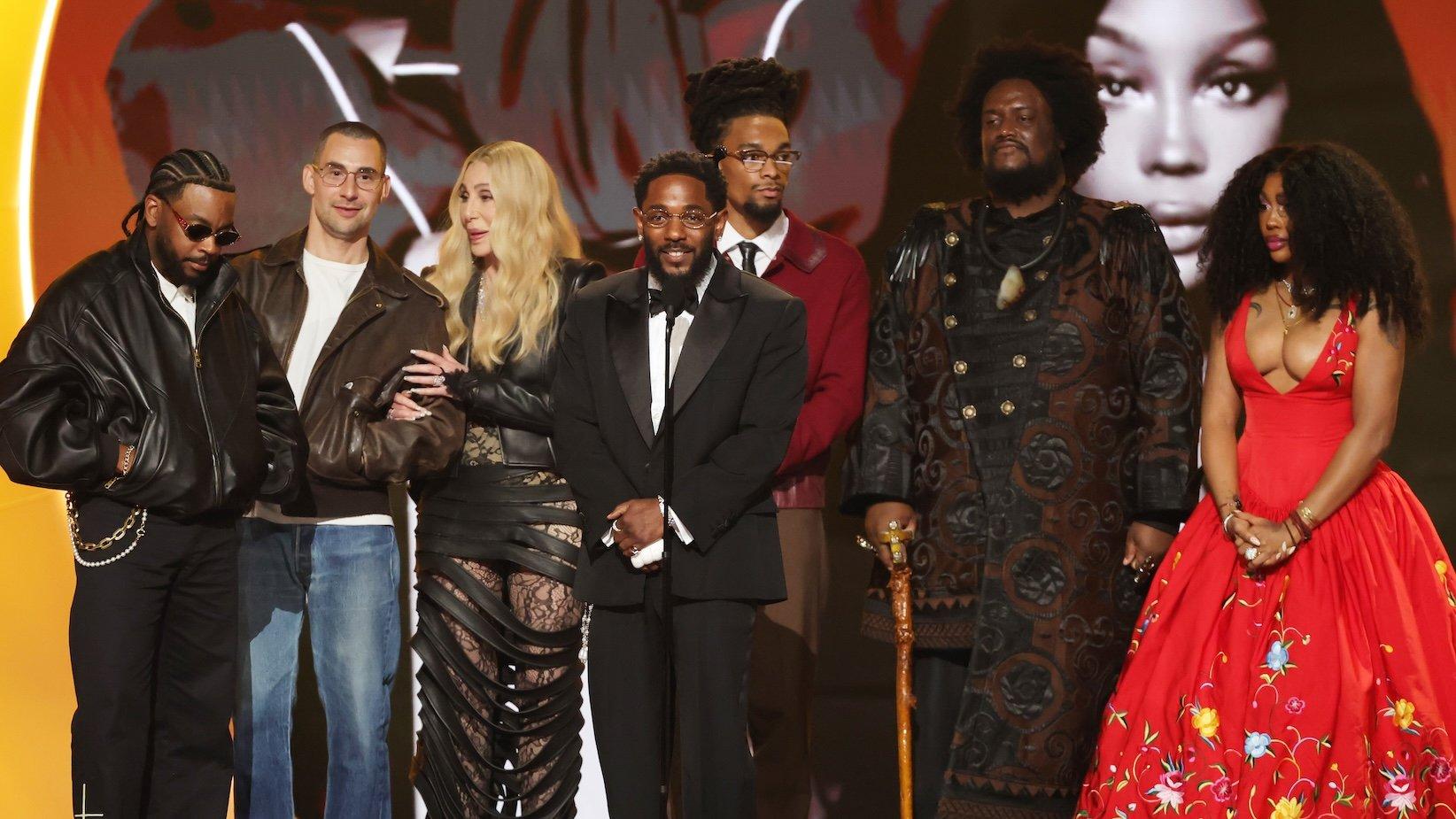
Kendrick Lamar and SZA win the Grammy for Record Of The Year at the 2026 Grammys on Sunday, Feb. 1, at Crypto.com Arena in Los Angeles, California. (L-R) Sounwave, Jack Antonoff, Cher, Kendrick Lamar, Scott Bridgeway, Kamasi Washington, and SZA.
Photo: Kevin Winter/Getty Images for The Recording Academy
10 Rappers Who Have Won The Most Grammys: Kendrick Lamar, Jay-Z, Eminem & More
From Jay-Z to Lauryn Hill, Grammy.com highlights 10 artists with the most Grammy Awards. Their impact, influence and innovation have helped shape the culture — and earned them an abundance of accolades.
GRAMMYs/Feb 2, 2026 - 01:18 am
Editor’s Note: Updated Sunday, Feb. 1, 2026, to reflect the results of the 2026 Grammys.
1989 was a year of many highlights, from the debut of "The Simpsons" and "Seinfeld" to the collapse of the Berlin Wall and the beginning of the Game Boy. It was also the first year hip-hop artists won Grammy Awards, an honor that went to D.J. Jazzy Jeff & the Fresh Prince for "Parents Just Don't Understand."
Hip-hop and the GRAMMYs have come a long way in the ensuing decades. While Will Smith and DJ Jazzy Jeff broke barriers with their win for Best Rap Performance, the duo boycotted the show because the rap Category was not televised. The boycott proved successful, as the genre Categories began to be televised during the following year, in 1990, and every year since then.
Read more: Who Are The Top GRAMMY Awards Winners Of All Time? Who Has The Most GRAMMYs?
Now, the Recording Academy celebrates the sounds of hip-hop and acknowledges the genre’s indelible impact; few genres have disrupted and defined music on such a global scale. Hip-hop rappers, producers, and songwriters have significantly shaped the musical landscape, garnering a bevy of Grammy Awards along the way. And although many artists have taken home Grammy Awards since ‘89, there are a few artists in the game who reign supreme.
Read on for 10 rappers who have won the most Grammy Awards
Kendrick Lamar
27 wins, 66 nominations
Loading...
Kendrick Lamar’s wins represent a return of “conscious” rap that tackles topics such as race and politics while embracing the art of authentic storytelling. As such, his 2015 album To Pimp a Butterfly gave way to many social justice anthems such as “Alright” and “Wesley’s Theory”; the release also took home the award for Best Rap Album at the 58th GRAMMY Awards.
Further reading: Kendrick Lamar's GRAMMY Timeline: From His First Win And Performances To "Not Like Us"
Additionally, Lamar’s most successful album, DAMN — which features hits like “DNA" and “Humble" — won five GRAMMYs Awards. At the 2025 Grammys, the rapper's hit single “Not Like Us” swept its Categories. Among Lamar's wins that night were Record Of The Year, Song Of The Year and Best Music Video. At the 2026 Grammys, he won the Grammy for Record Of The Year for “luther,” Best Rap Album for GNX, Best Rap Song for “tv off,” Best Melodic Rap Performance for “luther,” and Best Rap Performance “Chains & Whips” (his collaboration with Clipse), breaking the record for the rapper with the most Grammy wins.
Learn more: Kendrick Lamar Sweeps The 2025 GRAMMYs With Song Of The Year Win
Kendrick Lamar’s influence extends to broader cultural events, such as his groundbreaking 2025 Super Bowl halftime show. The show set a record for viewership and became one of the most-watched halftime shows since the Super Bowl’s inception, surpassing 130 million views.
Jay-Z
25 wins, 89 nominations
Loading...
Rapper and business mogul Jay-Z not only holds the record of having the most GRAMMYs of any hip-hop artist, he is also among the most nominated artists of any genre in GRAMMY history.
The rapper’s GRAMMY wins include Best Rap Album, which he won in 1998 for his album Vol. 2…Hard Knock Life. The album, which was nominated for two additional GRAMMYs, was his highest selling and included songs such as “Hard Knock Life” and “Can I Get A…” featuring Ja Rule and Amil.
Learn more: Songbook: How Jay-Z Created The 'Blueprint' For Rap's Greatest Of All Time
In 2006, Jay-Z made his musical debut at the GRAMMYs when he performed “Numb/Encore” with Linkin Park and “Yesterday’ with Paul McCartney. From solo hits to collabs with some of the most legendary artists in music, Jay-Z has dominated the GRAMMYs and shows no signs of slowing down.
Read more: 8 Ways Jay-Z's 'The Black Album' Changed The Hip-Hop Game
His influence was further acknowledged In 2024, when he was bestowed with the prestigious Dr. Dre GRAMMY Global Impact Award. In June 2025, his debut album Reasonable Doubt was inducted into the GRAMMY Hall of Fame. Not only has he been instrumental in East Coast hip-hop, he has had a hand in shaping fashion and other societal pillars on a global scale, opening doors for artists to go beyond music and branch off into other ventures.
Kanye West
24 wins, 76 nominations
Loading...
Kanye West has the second most GRAMMYs of any hip-hop artist, with 24 awards and 76 nominations. His GRAMMY accolades in multiple fields and Categories highlight his versatility as an artist: such as Jesus is King (Best Contemporary Christian Music Album) and The College DropOut (Best Rap Album), the latter of which was his first GRAMMY win in 2004. His awards also reflect his work as a producer; his GRAMMY wins in this arena include Best R&B Song for Alicia Keys’ hit “You Don’t Know My Name,” which West also co-wrote.
West also took home a golden gramophone Best Rap Solo Performance for the hit song "Gold Digger" with Jamie Foxx. At 2008 GRAMMYs, he performed his hit “Stronger” alongside Daft Punk, complete with illuminated, futuristic visuals. In all, Kanye has pushed boundaries with music and art, sampling songs and turning performances into experiences.
Eminem
15 wins, 47 nominations
Loading...
Eminem’s influence in the industry is evident not only by his chart-topping hits, but also by the number of golden gramophones he has secured. The Detroit rapper, who has effortlessly merged lyrical skill with shock, is both among the best-selling artists of all time and the rapper with the most GRAMMY awards.
Further reading: Songbook: A Deep Dive Into Eminem's Inimitable Career
He is also the only rapper who has won the award for Best Rap Album for three consecutive LPs. Eminem won his first GRAMMYs for The Slim Shady LP; these awards include Best Rap Solo Performance ("My Name Is"), as well as the award for Best Rap Album. 2000's The Marshall Mathers LP, which features "The Real Slim Shady" and "Forget About Dre," won three GRAMMY Awards/ The album also features Eminem's hit song "Stan," which the artist performed at the GRAMMYs as a duet with Elton John.
Read more: 4 Reasons Why Eminem's 'The Slim Shady LP' Is One Of The Most Influential Rap Records
Pharrell Williams
13 wins, 39 nominations
Pharrell Williams' versatility as a rapper, producer, pop artist and songwriter has garnered 13 GRAMMY wins. His awards showcase different facets of his artistry, from his days as a member of the group the Neptunes, to his work as a solo artist and producer.
From Beyoncé to Britney Spears, he has worked with a range of artists and has thrice taken home the golden gramophone for Producer Of The Year, Non Classical. Highlighting his production work, Pharrell's first GRAMMY was for producing Justin Timberlake’s 2003 album Justified. His collaboration with Daft Punk spawned the popular hit "Get Lucky," which won GRAMMYs Awards for Record Of The Year and Best Pop Duo/Group Performance.
As an artist and producer, Pharrell is able to blend pop and hip-hop effortlessly. Pharrell’s "Happy," from the Despicable Me 2 soundtrack, took home two GRAMMY Awards (as well as an Oscar nomination) and became one of the best-selling singles of the 2010s. Though Pharrell’s ingenuity has opened doors for him to work with an array of artists, he still holds hip-hop in high regard. In recent years, his work on Kendrick Lamar’s albums has spawned several GRAMMYs and nominations–including a win for Kendrick’s song "Alright" off of his album To Pimp a Butterfly.
Learn more: 4 Ways Pharrell Williams Has Made An Impact: Supporting The Music Industry, Amplifying Social Issues & More
Andre "3000" Benjamin
9 wins, 28 nominations
Andre 3000’s innovative sound and style has pushed creative boundaries in music and netted multiple GRAMMY Awards. Andre 3000's wins and nominations–in both rap and R&B–reflect his work as a solo artist and as part of the group OutKast. His wins include Best Rap Album for Stankonia, as well as Best Urban/Alternative Performance for the hit song "Hey Ya," off of the Speakerboxxx/The Love Below album. Additionally, Andre 3000 has also won a GRAMMY for Best R&B Performance for his feature on Anderson .Paak’s song "Come Home."
His versatility as an artist is evident on his recent instrumental jazz album, New Blue Sun, which earned him three nominations at the 2025 GRAMMYs. Additionally, this album showcases a departure from some of the sounds Andre 3000 is known for, and shows audiences that he is unafraid to challenge musical conventions.
Read more: André 3000 On 'New Blue Sun,' Finding Inspiration In Visual Art & His New Musical Journey
Anderson .Paak
9 wins, 14 nominations
Loading...
Although Anderson .Paak is best known for his contributions to R&B, he has netted GRAMMYs for his work as a rapper. He won his first GRAMMY for "Bubblin," a song which took home Best Rap Performance at the 2019 GRAMMYs. At the 2021 GRAMMY Awards, he won Best Melodic Rap Performance for his single "Lockdown." Additionally, he has also secured multiple GRAMMY wins as part of the R&B duo Silk Sonic with Bruno Mars.
The group’s best-selling album, An Evening With Silk Sonic, features the hit song "Leave the Door Open" and brings together R&B and funk. The melodious genre mix ultimately earned the group GRAMMYs for Best R&B Performance and Record Of The Year.
As a solo artist, Anderson .Paak has also carved out a distinctive and celebrated career, earning multiple GRAMMYs for his genre-bending albums that showcase his unique blend of singing and rapping.
Lauryn Hill
8 wins, 19 nominations
Loading...
Lauryn Hill has established a benchmark for female artists in hip-hop, setting an exceptionally high bar that many artists still aspire to reach.
Her seminal 1998 album, The Miseducation of Lauryn Hill, achieved widespread critical acclaim before becoming one of the best-selling albums of all time. Additionally, it is the first hip-hop album to win a GRAMMY for Album Of The Year. The album ultimately launched Lauryn Hill’s career into the stratosphere; she became the first female rapper with a diamond-certified album. It is also the only solo album Lauryn has put forward to date. In 2024, the album was inducted into the GRAMMY Hall of Fame.
Although Lauryn Hill’s artistry and lyrical depth has garnered her GRAMMYs as a solo artist, her success also stems from her contributions as a songwriter and vocalist for the hip-hop group the Fugees. The group’s second album, The Score, earned two GRAMMYs and includes the hit song "Killing Me Softly," which is a rendition of Roberta Flack’s original.Additionally, at the 42nd GRAMMY Awards, Lauryn Hill also won a GRAMMY for her work on Santana’s influential album Supernatural, which was inducted into the GRAMMY Hall of Fame this year.
Dr. Dre
7 wins, 26 nominations
Loading...
Dr. Dre was and remains a highly influential figure in West Coast hip-hop, who has achieved significant success as a rapper, producer and founding member of the group N.W.A.
Throughout his extensive career, Dr. Dre has earned seven GRAMMYs, including the first win for Producer Of The Year, Non-Classical by a hip-hop producer and artist.
His acclaimed solo album, The Chronic garnered Dr. Dre his first GRAMMY for his single "Let Me Ride" (Best Rap Solo Performance). His best-selling album 2001, was also GRAMMY nominated and features popular tracks like "Still D.R.E." and "The Next Episode" with Snoop Dogg. Beyond his solo achievements, he has been instrumental in launching the careers of artists such as Eminem and producing classic albums for both Snoop Dogg and 50 Cent.
In 2023, Dr. Dre was honored with having the distinguished GRAMMY Global Impact Award carry his namesake. Since the award’s inception, Jay-Z and Alicia Keys have received this accolade.
OutKast
6 wins, 16 nominations
Loading...
OutKast’s creative approach to hip-hop has helped them win six GRAMMYs and secure 16 nominations. The duo of Andre "3000" Benjamin and Antwan "Big Boi" Patton, have pushed genre boundaries blending rap, jazz, and pop while staying true to their Southern roots. In 2001, OutKast won their first GRAMMY Awards, one being Best Rap Album for Stankonia.
Their 2004 win for their innovative double album Speakerboxxx/The Love Below was a defining moment for Southern rap; it notably became the second hip-hop album to receive the GRAMMY for Album Of The Year and Best Rap Album. The album, which was certified diamond, features multiple chart-topping hits such as "The Way You Move" featuring Sleepy Brown and "Hey Ya."
Honorable Mentions
There are many hip-hop artists who have received extensive nominations but have yet to receive a GRAMMY Award — notwithstanding their important contributions to the genre. Snoop Dogg, Busta Rhymes, Nicki Minaj, Travis Scott and Rick Ross each have numerous nominations but no golden gramophone. Snoop leads this pack with a total of 16 nominations, followed by Busta and Minaj (each with a dozen), Scott (10), and Ross (nine). Post Malone stands out, however, with 18 career nominations and no wins.
2026 Grammys: Performances, Winners & Highlights
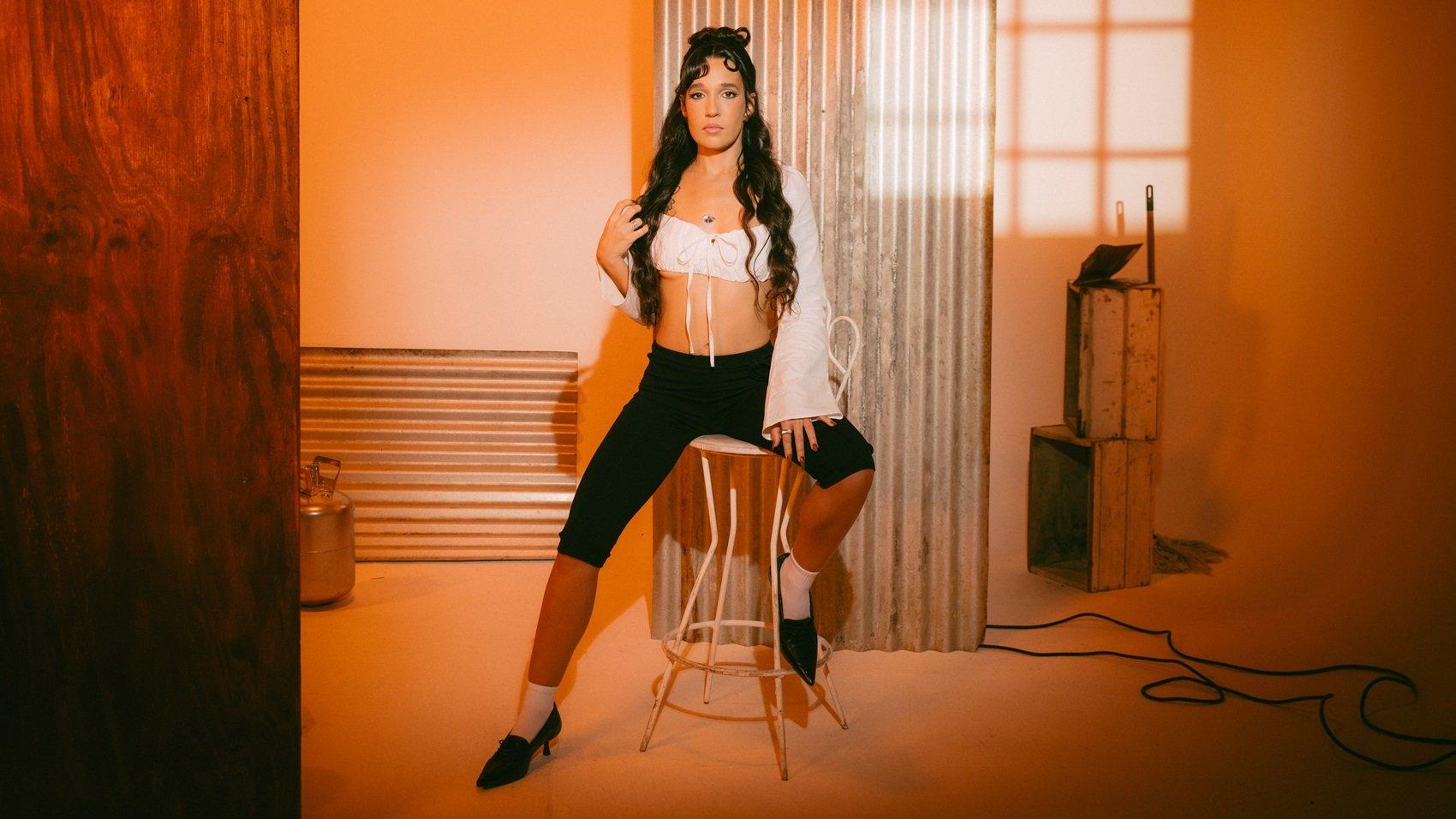
iLe
Photo: Edgar Cruz
On 'Como las canto yo,' iLe Reimagines The Bolero & Celebrates Her Roots
"We shouldn’t forget the past, but rather transform and adapt it to the present,” the GRAMMY and Latin GRAMMY-winning artist says of her album of bolero covers.
GRAMMYs/Oct 22, 2025 - 02:14 pm
Ileana Mercedes Cabra Joglar — better known as iLe — is no stranger to success, applause, and worldwide recognition.
Alongside her brothers René Pérez Joglar (Residente) and Eduardo Cabra (Visitante), iLe revolutionized Latin urban music as a member of Calle 13. The Puerto Rican group won 22 Latin GRAMMYs and three GRAMMYs, solidifying iLe's place as an influential figure in Latin music.
"I explored a lot, I developed my voice, and we had so much fun," recalls iLe, who joined the group at just 16 years old under the stage name PG-13, inspired by the film rating Parental Guidance 13. "With all that experience, there was no fear in saying goodbye; we each simply followed our own path."
After Calle 13 disbanded, iLe made her solo debut with iLevitable (2016), an album that earned her a Latin GRAMMY nomination for Best New Artist. That release was followed by Almadura (2019) and Nacarile (2022), where she collaborated with Mon Laferte, Ivy Queen, and Flor de Toloache, and also earned a Latin GRAMMY for Best Alternative Song.
On Oct. 22, iLe released Como las canto yo on October 22, a covers project dedicated to the boleros that have shaped her life. The album’s first single, "Un amor de la calle," was popularized by Héctor Lavoe in 1975. "It was a huge challenge because I tried to live up to those versions I’ve loved forever," confesses the artist, known for her fusion of traditional Caribbean music with influences of alternative pop and social awareness. "It’s a tribute to compositions I deeply respect."
In this new musical chapter, iLe takes an unexpected turn in her sound, leaving behind the political and feminist themes that characterized her previous albums — reflected in singles like "Contra todo" and "Temes" — to pay homage to emotion, interpretation, and the bolero tradition, infused with her signature sense of identity, memory, and feminine strength.
"There’s something we can at least try to do, and that’s to go out into the streets, share our message, and not be afraid," says iLe, who recently performed during Bad Bunny’s Puerto Rico residency, where she wore a dress inspired by Lolita Lebrón — a Puerto Rican independence leader who fought for her country’s freedom and became a symbol of resistance and national pride. "I feel that many struggles, not only in Puerto Rico but in other parts of the world, have seen their greatest victories and changes led by women."
Among the female voices that inspired this new bolero project is the legendary La Lupe, whose music her father introduced her to during her teenage years. "When I first heard her songs, I completely melted — it was like, wow: so much passion, so much intensity, so much interpretation... It was overwhelming," she recalls. iLe also admires other icons of Cuban music such as Olga Guillot and Blanca Rosa Gil. "Little by little, I kept discovering more and more voices, and I still know there’s a lot left to learn, but it’s been beautiful to simply appreciate their styles."
With her signature authenticity, iLe hopes that new generations will rediscover and embrace bolero, uncovering its emotional depth. "Even though these songs were written in another era, they still resonate with what we live today. It’s beautiful to reconnect with that more poetic way of telling stories. We shouldn’t forget the past, but rather transform and adapt it to the present."
And if there’s anyone who hasn’t forgotten her past, it’s iLe. The artist spoke with GRAMMY.com about her family, accomplishments and Como las canto yo — with which she hopes listeners will be moved and give themselves permission to feel whatever they please.
How would you describe this professional moment you’re living right now?
I love seeing how I’ve evolved over the years. I keep growing in art, creativity, and musical experiences. It’s always beautiful to appreciate that evolution, both in the process and in the projects themselves.
I feel grateful to continue doing what I love the most, and now I’m super excited about this new album. It was kind of unexpected for me, but I’m truly happy with how it turned out and that it exceeded my own expectations.
Why was this new album such an unexpected project?
It was something I kept putting off for some reason. This year I’ve been working on music, but I feel that my original songs are taking more time right now. Then suddenly I thought, Hey, maybe I can make this album, because in my mind I kept postponing it. I think this was the perfect moment to do it.
Normally, I take my time with everything, but this time was different. I chose the songs quickly, I already knew the intention behind the album, and we recorded it in a very short time. It felt like one of those moments when you’ve been holding something inside, and when you finally let it out, it just flows.
What was the most challenging part of making it?
I think the hardest part was deciding how the arrangements would sound in terms of instrumentation. Many of the boleros I love have big orchestras, and I adore that energy. But there are others that are the complete opposite — super intimate, just with guitar — that have a very special kind of magic. I didn’t want to choose only one approach, because I wanted the album to feel balanced. So we decided to experiment mostly with guitars.
I was nervous because I didn’t want it to lose the essence of the songs I love or sound like something completely different. But as we started experimenting, I began to find the right tone. It was a real challenge to find that balance within the guitar textures: the way it’s played, the style, and how many layers to use on each song.
Do you have a favorite song?
I love them all, but there’s one that really stands out for me: "Piénsalo bien." I based it on the version by Bobby Valentín featuring Marvin Santiago, which was originally recorded with an orchestra. My band’s guitarist, Alberto Rosario, created a new arrangement using electric guitars, and I love how it feels modern, almost psychedelic. The atmosphere he created with the guitar really surprised me.
It was one of the songs I had the hardest time picturing, and when I heard the final version, it was like, Wow. The process and the outcome gave me a lot of satisfaction because it took me by surprise. So I always say that one’s my favorite, although honestly, I love them all.
How do you think you’ll connect yesterday with today?
Through emotions. I think it’s like when we talk to our grandparents and they tell us stories, and we’re captivated, imagining a movie in our minds. That feeling is beautiful because it reminds us of the importance of connection. And I don’t mean waiting for extreme situations — like a blackout or a crisis — to reconnect, but rather giving value back to connection itself: going to a little bar to listen to music, having a long conversation, enjoying time at the table after a meal… all those things matter.
Even though we’re immersed in a digital world, I’ve noticed that new generations are also trying to reconnect with other times, to adapt them to the present. There’s an almost instinctive need to return to vinyl, to textures, to the things that make us feel and connect. Emotion is something we can’t take for granted — it sustains us. I feel it’s essential to remember that we’re alive, and music and art remind us of that; they connect us to our emotions in unexpected ways. To me, that’s incredibly valuable.
What would you like people to feel when they listen to Como las canto yo for the first time?
I hope listeners can get even a glimpse of what I feel when I hear these songs — because I listen to them often. For me, they’re like moments I need to pause and breathe. Boleros invite you to that: to slow down, to give yourself permission to move at a gentler, softer rhythm amid all the noise and rush of today’s world.
How do you manage to keep a balance between the social message and your music? How do you bring them together?
I just do the best I can. Emotions are always there, accompanying me, protecting me in a way. Sometimes that translates in different forms. I simply do what I feel, what comes from my soul and my heart. It doesn’t come from a selfish place; quite the opposite, it’s a space where I also search for my own connection to truth.
Sometimes we feel alone in certain things, and it’s not until we say them out loud or express them that we realize we’re not as alone as we thought. Sharing what we feel is about that — daring to express ourselves so we can connect more deeply with others, instead of keeping emotions bottled up. Music is that tool that helps me understand, process, and accompany so many of the experiences we live through, wherever we are.
What would you say has been your biggest act of boldness?
I’m not sure I can point to one single thing, but I do notice that sometimes I do things that seem small to me, yet to others they might look bold. For instance, standing in solidarity with what’s happening in other countries shouldn’t be considered an act of bravery. Feeling empathy or showing support shouldn’t be seen as something risky.
I believe that kind of connection is part of the familiarity we should all have as citizens of the world — seeking and finding companionship and empathy among each other. I’ve spoken openly about things that not everyone dares to say, but to me, it’s the least I can do when there are countries or communities going through difficult times.
How did you first get started in music?
I come from a big family, and I was the youngest in the house where we grew up — the house on Calle 13. There was always music at home, and being the little one, I absorbed everything my mom, dad, grandmother, brother, and sister listened to. As I got older, I started discovering my own music, but deep down, what played around the house was always there. I learned to appreciate and enjoy it in my own way.
There was a piano at home, and I started playing it; I also loved to sing. Music always felt natural to me, so much so that I somehow knew I would dedicate my life to it. I didn’t know how, but I just felt it. Since I was the youngest, my brothers would sometimes ask me to do things or sing a certain way, and I would just do it.
At home, Eduardo was making music, and René was writing rap, so it made perfect sense for me to join in. I was singing anyway, and when they invited me to be part of the group, it felt like taking what we already did as a family to another level. I spent 10 years touring with Calle 13 while still going to school. I was sixteen when it all started.
It’s not very common to let a 16-year-old go off like that.
The trust really came from the fact that we were all family — they were my brothers. My mom was always very watchful, though, and during the first trips my older sister came with me. She also worked on the project, and we shared a room during the tours.
What was your sister’s role in the group?
She worked with René on developing the group’s concept and also handled some of the public relations in the beginning. Since she traveled with us, she took care of me a lot in those early years. Later, as I got older, things just started happening more naturally.
How was the transition for you when you said goodbye to your brothers professionally?
I always compare it to when everyone in a family lives together and then each one goes off to college. It just feels natural. Those 10 years were intense — non-stop — and I think we all needed time to explore ourselves and discover new things. That was healthy. Each of us followed our own path, but we’ve stayed connected. We all know what the others are up to and see each other often.
Our relationship hasn’t changed; the only difference is that we no longer live under the same roof. When we can, we make sure to spend time together. It’s beautiful because we’re constantly reminded of how special our childhood was and how it all began. That family love has never changed, and I think we owe a lot of that to my mom, who always made sure to keep us close.
What would you say to young women who dream of living from music or pursuing any other passion?
It’s complicated, because there are so many obstacles along the way. But I think it’s about learning to juggle them, to move through discomfort without giving up. Instead of seeing obstacles as limitations, you have to find a way to move through them, to play with them — because yes, it’s not easy.
It all comes down to trusting yourself, even in the moments when you don’t fully believe in yourself but keep going anyway. It’s a constant process of movement, of adapting, of not stopping. Intuition is also very powerful; you have to stay tuned to it, let it guide you, and find your own way to reach what you truly want.
What would you say to that younger iLe who started listening to La Lupe and all those artists your dad introduced you to? What would you tell her now about what you’ve accomplished?
With this album, I’d tell her we did it, because it’s something I’d wanted to do since back then. And just — don’t give up, keep pushing forward.
Latest News & Exclusive Videos

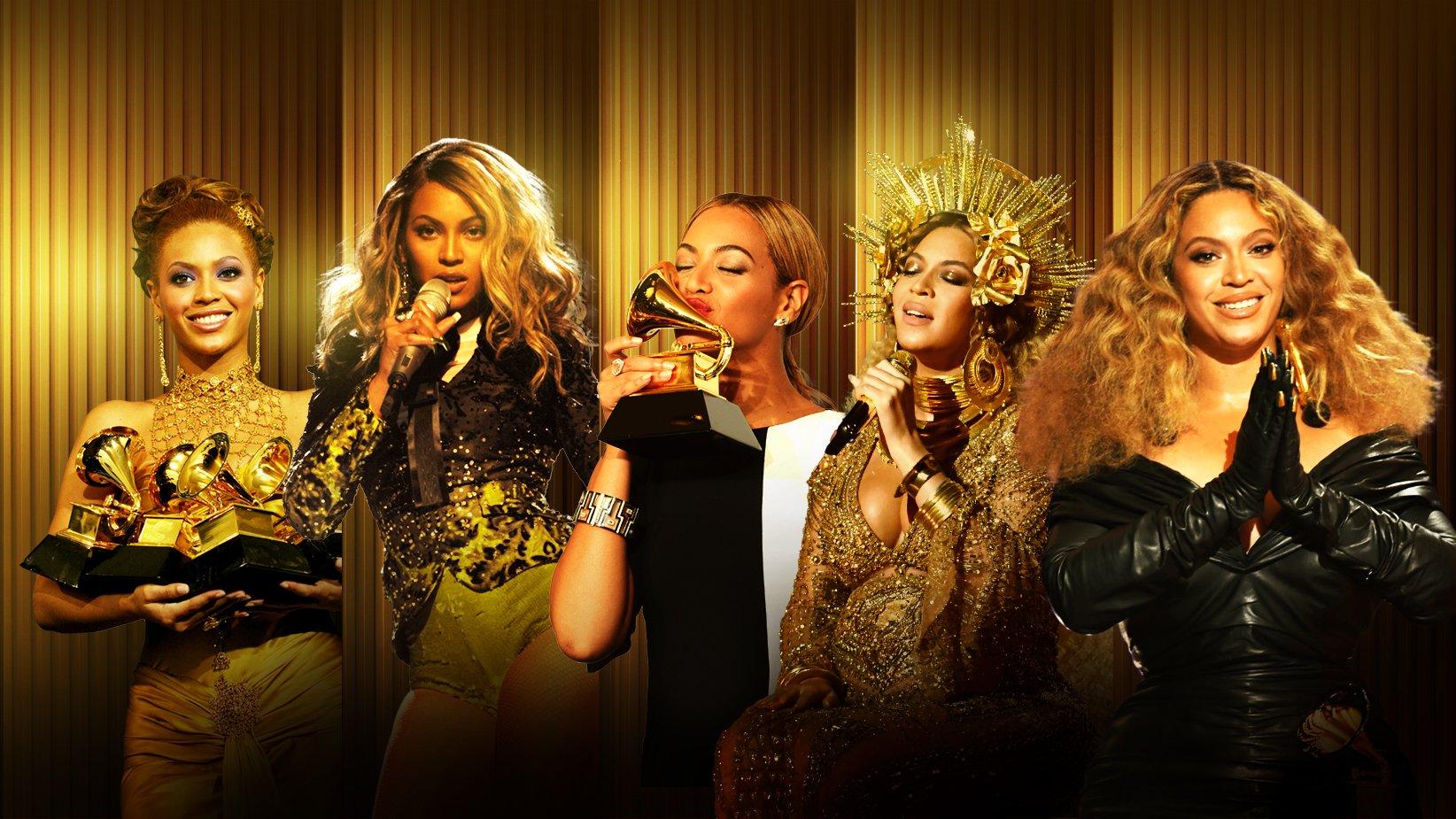
(L-R): Beyoncé in 2004, 2008, 2013, 2017, 2021
Photos {L-R): Frederick M. Brown/Getty Images, Kevin Mazur/WireImage, Jason Merritt/Getty Images, Jeff Kravitz/FilmMagic, Kevin Winter/Getty Images for The Recording Academy
A Timeline Of Beyoncé's GRAMMY Moments, From Her First Win With Destiny's Child To Making History With 'Cowboy Carter'
With three wins at the 2025 GRAMMYs, Beyoncé furthers her reign as the artist with the most GRAMMYs ever. To celebrate her latest feat, take a look at her record-breaking 22-year history at the GRAMMY Awards.
GRAMMYs/Feb 4, 2025 - 02:18 am
Editor's Note: This article was originally published on Jan. 31, 2023 and was updated on Feb. 3, 2025 to reflect her 2025 GRAMMY wins.
Two years after becoming the artist with the most GRAMMY wins at the 2023 GRAMMYs, Beyoncé made GRAMMY history again at the 2025 GRAMMYs. Along with winning her first golden gramophone for Album Of The Year for COWBOY CARTER, the now 35-time GRAMMY-winning star also became the first Black artist to win the GRAMMY for Best Country Album.
While the past few years may have spawned her most historic feats, Beyoncé has created an extensive array of GRAMMY moments. She has delivered epic live performances on her own and alongside icons like Prince and Tina Turner, and she's taken home six GRAMMYs in one night.
Starting from her first nominations with Destiny's Child in 2000, take a trip through Beyoncé's most memorable and impactful moments at Music's Biggest Night.
2000 — 42nd GRAMMY Awards
Nominations: Best R&B Performance By A Duo Or Group With Vocal and Best Rhythm & Blues Song ("Bills, Bills, Bills") with Destiny's Child
Beyoncé's first red carpet appearance at the GRAMMYs was with fellow Destiny's Child members Kelly Rowland, Michelle Williams and Farrah Franklin (who was only part of the group for six months). The iteration of the group that was there that day was not the same group that received two nominations for "Bills, Bills, Bills" — that distinction goes to Beyoncé, Rowland, LeToya Luckett, and LaTavia Roberson.
Beyoncé, Luckett and Rowland co-wrote the track with producer Kevin "She'kspeare" Briggs and Xscape singer Kandi Burruss, the latter of whom coincidentally won the GRAMMY for Best Rhythm & Blues Song that year for co-writing TLC's "No Scrubs" with Tameka "Tiny" Cottle.
2001 — 43rd GRAMMY Awards
Photo: Steve Granitz / Contributor / Getty Images
Wins: Best R&B Song ("Say My Name"), Best R&B Performance By A Duo or Group With Vocal ("Say My Name")
Nominations: Record Of The Year and Song Of The Year ("Say My Name"), Best Song Written For A Motion Picture, Television Or Other Visual Media ("Independent Women Part I" From Charlie's Angels)
The first GRAMMY red carpet as a trio with Roland and Williams, the group wore matching silky gowns on the red carpet and "Survivor"-era green outfits backstage, all designed by Beyoncé's mother, Tina Knowles.
Destiny's Child took home their first GRAMMYs that night, for Best R&B Performance By A Duo or Group With Vocal and Best R&B Song for "Say My Name," which was also nominated for Record Of The Year and Song Of The Year.
Beyoncé also earned a Best Song Written For A Motion Picture, Television Or Other Visual Media nomination for Destiny's Child's contribution to the 2000 film Charlie's Angels, "Independent Women Part I," which she co-wrote.
2002 — 44th GRAMMY Awards
Wins: Best R&B Performance By A Duo Or Group With Vocal ("Survivor")
Nominations: Best R&B Album (Survivor)
Performance: "Quisiera Ser" with Alejandro Sanz
Destiny's Child's first performance at the GRAMMYs was to duet with Latin star Alejandro Sanz on "Quisiera Ser." They provided supporting vocals and Beyoncé added some English lyrics to his Spanish song.
The group's own international hit "Survivor," an anthem about thriving as the trio, won a GRAMMY for Best R&B Performance By A Duo Or Group With Vocal, and the Survivor album was nominated for Best R&B Album.
2004 — 46th GRAMMY Awards
Wins: Best Female R&B Vocal Performance ("Dangerously In Love 2"), Best R&B Performance By A Duo Or Group With Vocals ("The Closer I Get To You") with Luther Vandross, Best R&B Song and Best Rap/Sung Collaboration ("Crazy In Love"), Best Contemporary R&B Album (Dangerously In Love)
Nominations: Record Of The Year ("Crazy In Love")
Performance: "Purple Rain," "Baby I'm a Star," "Let's Go Crazy" and "Crazy In Love" with Prince
After dazzling in a gold Tina Knowles dress on the red carpet, Beyoncé opened the show alongside Prince with a medley of his hits "Purple Rain," "Let's Go Crazy" and "Baby I'm a Star," with a dash of her own "Crazy In Love."
She accepted her first five GRAMMYs as a solo artist, including Best Female R&B Vocal Performance for "Dangerously In Love 2" — which she also performed — Best R&B Performance By A Duo Or Group With Vocals for "The Closer I Get To You" with Luther Vandross, Best Contemporary R&B Album for Dangerously In Love and two wins for "Crazy In Love" (Best R&B Song and Best Rap/Sung Collaboration).
2005 — 47th GRAMMY Awards
Nomination: Best R&B Performance by a Duo or Group With Vocals ("Lose My Breath")
Destiny's Child celebrated another global smash earning a GRAMMY nomination with "Lose My Breath." The lead single from Destiny Fulfilled — their final studio album — received a nomination for Best R&B Performance by a Duo or Group With Vocals.
Beyoncé and Rowland co-produced "Lose My Breath" with hitmakers Rodney Jerkins (who also helmed "Say My Name" and "Cater 2 U" from Destiny Fulfilled), and Sean Garrett, who later co-produced Bey solo singles including "Check On It," "Get Me Bodied," "Ring The Alarm" and "Upgrade U" with Swizz Beatz.
2006 — 48th GRAMMY Awards
Win: Best R&B Performance by a Duo or Group With Vocals ("So Amazing") with Stevie Wonder
Nominations: Best Contemporary R&B Album (Destiny Fulfilled), Best Female R&B Vocal Performance ("Wishing On A Star"), Best R&B Performance By A Duo Or Group With Vocals ("Cater 2 U"), Best R&B Song ("Cater 2 U"), Best Rap/Sung Collaboration ("Soldier")
Beyoncé and Stevie Wonder won a GRAMMY for Best R&B Performance by a Duo or Group With Vocals for "So Amazing," a cover of the song Luther Vandross wrote for Dionne Warwick in 1983 and recorded himself three years later. Bey also received a solo nomination for her cover of Rose Royce's "Wishing On A Star" on her Live at Wembley album.
Meanwhile, Destiny's Child closed out their time as a group with four more nominations, bringing their career total to 14. Although the group had announced in June 2005 that they would be disbanding to pursue solo ventures, they assembled on the GRAMMY stage one last time — igniting eruptive applause — to present the golden gramophone for Song Of The Year, which went to U2 for "Sometimes You Can't Make It on Your Own."
2007 — 49th GRAMMY Awards
Win: Best Contemporary R&B Album (B'Day)
Nominations: Best Female R&B Vocal Performance ("Ring The Alarm"), Best R&B Song and Best Rap/Sung Collaboration ("Deja Vu")
Performance: "Listen"
Beyoncé performed "Listen," her original song that she also sang as the lead role of Deena Jones in the film adaptation of the Broadway musical Dreamgirls.
She went home a GRAMMY winner again that night, as her second album, B'Day, was victorious as Best Contemporary R&B Album. Two of the album's singles earned nominations as well: "Ring The Alarm" for Best Female R&B Vocal Performance and "Deja Vu" for Best Rap/Sung Collaboration.
2008 — 50th GRAMMY Awards
Wins: Best Compilation Soundtrack (Dreamgirls)
Nominations: Record Of The Year ("Irreplaceable"), Best Pop Collaboration ("Beautiful Liar") with Shakira
Performance: "Proud Mary" with Tina Turner
Continuing her streak of performing live with legends at the GRAMMYs, Beyoncé joined Tina Turner onstage to sing a fierce rendition of "Proud Mary" and achieve one of her personal bucket-list moments.
"She's my hero and my icon," she said of Turner at an after party. "It was crazy. I went in the room [after] and I just bawled because I couldn't believe it.”
Dreamgirls won Best Compilation Soundtrack that night, while "Irreplaceable" was nominated for Record Of The Year and "Beautiful Liar," her collaboration with Colombian star Shakira from B'Day, received a nomination for Best Pop Collaboration.
2009 — 51st GRAMMY Awards
Nomination: Best Female R&B Vocal Performance ("Me, Myself & I")
A top 10 hit that was co-produced by Beyoncé and Scott Storch, "Me, Myself & I" touts the benefits of self-care, of being one's "own best friend" and not taking the blame in the face of a partner's infidelity. The relatable song was nominated for Best Female R&B Vocal Performance.
2010 — 52nd GRAMMY Awards
Loading...
Wins: Song Of The Year, Best R&B Song and Best Female R&B Vocal Performance ("Single Ladies (Put A Ring On It)"), Best Female Pop Vocal Performance ("Halo"), Best Contemporary R&B Album (I Am… Sasha Fierce), Best Traditional R&B Vocal Performance ("At Last" from Cadillac Records: Music From The Motion Picture)
Nominations: Record Of The Year ("Halo"), Album Of The Year (I Am... Sasha Fierce), Best Rap/Sung Collaboration ("Ego"), Best Song Written For Motion Picture, Television Or Other Visual Media ("Once In A Lifetime" from Cadillac Records: Music From The Motion Picture)
Performance: "If I Were a Boy"
Backed by an army of male dancers, Beyoncé's live performance of "If I Were a Boy" included an even more unexpected moment. At the song's climax, she switched to the chorus from "You Oughta Know" by Alanis Morrissette, the 1996 GRAMMY winner for Best Rock Song and Best Female Rock Vocal Performance.
Bey won an impressive six GRAMMYs in 2010, including three for "Single Ladies (Put A Ring On It)." She also earned a nomination for her portrayal of Etta James in the 2008 film Cadillac Records, as Beyoncé's version of "At Last" won Best Traditional R&B Vocal Performance.
2011 — 53rd GRAMMY Awards
Nominations: Best Female Pop Vocal Performance ("Halo (Live)"), Album Of The Year (The Fame Monster), Best Pop Collaboration With Vocals ("Telephone") with Lady Gaga
Several of Beyoncé's GRAMMY nominations have been for live songs as well as songs with other artists. At the 2011 GRAMMYs, she celebrated nominations for both: "Halo (Live)," which appears on the live album I Am… Yours: An Intimate Performance at Wynn Las Vegas, was nominated for Best Female Pop Vocal Performance, and her collaboration with Lady Gaga, "Telephone," earned Beyoncé two nominations.
2012 — 54th GRAMMY Awards
Nominations: Best Rap/Sung Collaboration ("Party") and Best Longform Music Video (I Am… World Tour)
"Party," a duet with André 3000 from OutKast, is a highlight from Beyoncé's 4 album for its infectious chorus and the sheer rarity of scoring a verse from Three Stacks. The GRAMMYs recognized this dream team with a nomination for Best Rap/Sung Collaboration. Bey also received her first-ever nomination in the Best Longform Music Video category for I Am…World Tour. The film includes her singing "If I Were a Boy" with a few measures of "You Oughta Know," just like she did in her 2010 GRAMMYs performance.
2013 — 55th GRAMMY Awards
Win: Best Traditional R&B Performance ("Love On Top")
Beyoncé's 17th GRAMMY win occurred in the Premiere Ceremony for the 2013 GRAMMYs, which she and husband Jay-Z did not attend. So when Jimmy Jam announced that Beyoncé had won Best Traditional R&B Performance for "Love On Top," he jokingly offered to drop off the GRAMMY along with the awards Jay-Z won at the ceremony.
"They live in the same place, it's all good," Jam smiled. "Economical!"
2014 — 56th GRAMMY Awards
Photo: Frederic J. Brown / Getty Images
Nomination: Best Rap/Sung Collaboration ("Part II (On The Run)") with Jay-Z
Performance: "Drunk In Love" with Jay-Z
Smoke billowed across the stage as Beyoncé opened the 2014 GRAMMYs with an intimate live performance of "Drunk In Love," joined by her husband Jay-Z for what may just be the sexiest performance of their careers.
Although "Drunk In Love" wasn't nominated until the following year, the couple did celebrate a nomination in 2014 for "Part II (On The Run)," from Jay's album Magna Carta Holy Grail. Backstage, Bey's long white Michael Costello gown got cameras clicking and slayed style watchers, a standout among all of her GRAMMY fits.
2015 — 57th GRAMMY Awards
Wins: Best R&B Performance ("Drunk In Love"), Best R&B Song ("Drunk In Love"), Best Surround Sound Album (Beyoncé)
Nominations: Album Of The Year (Beyoncé), Best Contemporary Album (Beyoncé), Best Music Film (Beyoncé and Jay-Z: On The Run Tour)
Performance: "Take My Hand, Precious Lord"
After the previous year's racy performance of "Drunk In Love" that opened the show, Beyoncé took a markedly more pious approach with her musical number in 2015. Backed by an all-male choir, she sang "Take My Hand, Precious Lord," a gospel classic written by Thomas A. Dorsey in 1932. In a now-deleted behind-the-scenes video posted on her website, she explained that the performance was meant as a statement around police brutality and civil unrest in the wake of the murders of Eric Garner and Michael Brown, among others.
"My grandparents marched with Dr. King, and my father was part of the first generation of Black men that attended an all-white school," Beyoncé said. "My father has grown up with a lot of trauma from those experiences. I feel like now I can sing for his pain, I can sing for my grandparents' pain. I can sing for some of the families that have lost their sons."
During her three wins, fans saw her show some rare PDA with Jay-Z. The pair shared a kiss when they won Best R&B Performance for "Drunk In Love."
Two days after the 2015 GRAMMYs, Beyoncé also took part in a star-studded salute to Stevie Wonder for the CBS special "Stevie Wonder: Songs in the Key of Life — An All-Star Grammy Salute," which aired on Feb. 15, 2015. She sang a medley of "Fingertips," "Master Blaster" and "Higher Ground" alongside Ed Sheeran and Gary Clark Jr.
2016 — 58th GRAMMY Awards
In a year when she didn't have eligible work in the running, Beyoncé still made international waves when she appeared at the GRAMMYs in a white wedding-like gown. She wasn't there to get married, though — she presented the award for Record Of The Year to Bruno Mars for his hit song "Uptown Funk."
"Let's go, Beyoncé, let's do it!" Mars playfully yelled from the audience, just before she said his name.
2017 — 59th GRAMMY Awards
Wins: Best Contemporary Urban Album (Lemonade), Best Music Video ("Formation")
Nominations: Album Of The Year (Lemonade), Best Music Film (Lemonade), Record Of The Year ("Formation"), Song Of The Year ("Formation"), Best Pop Solo Performance ("Hold Up"), Best Rock Performance ("Don't Hurt Yourself"), Best Rap/Sung Performance ("Freedom")
Performance: "Love Drought" and "Sandcastles"
Beyoncé dressed like a goddess while pregnant with twins Rumi and Sir Carter to perform "Love Drought" and "Sandcastles," songs from her multi-nominated (and GRAMMY-winning) album and music film Lemonade. Her kids were at the forefront of her mind during her acceptance speech for Best Contemporary Urban Album.
"It's important to me to show images to my children that reflect their beauty so they can grow up in a world where they look in the mirror — first through their own families, as well as the news, the Super Bowl, the Olympics, the White House and the GRAMMYs — and see themselves," she said.
Later, in an unexpected — and instantly viral — moment, Adele dedicated her acceptance speech for Album Of The Year to effusively praising Beyoncé and the Lemonade album, which was also nominated in the category.
"You are our light!" Adele exclaimed, calling Lemonade her album of the year.
2018 — 60th GRAMMY Awards
Nomination: Best Rap/Sung Performance ("Family Feud")
It was all in the family when Beyoncé, Jay-Z and their then 6-year-old daughter Blue Ivy Carter sat together at the GRAMMYs in 2018 — though Blue's parents were ironically nominated for a song called "Family Feud" from Jay's 4:44 album. In a clip that went viral, a camera caught Blue seemingly motioning for them to stop clapping. The world fell in love with her commanding presence at that very moment.
2019 — 61st GRAMMY Awards
Win: Best Urban Contemporary Album (Everything Is Love)
Nominations: Best R&B Performance ("Summer"), Best Music Video ("Apes***")
Beyoncé's 2019 win and nominations were given for her collaborations with Jay-Z in their Everything Is Love album. The Carters won Best Urban Contemporary Album with the nine-song album, which they co-produced with Leon Michels and Cool & Dre. They also were nominated for Best R&B Performance for "Summer" as well as Best Music Video for "Apes***," a bold piece which they filmed in front of the Mona Lisa, Venus de Milo, Great Sphinx of Tanis and other seminal works displayed in Paris' Louvre.
2020 — 62nd GRAMMY Awards
Win: Best Music Film (Homecoming)
Nominations: Best Pop Solo Performance ("Spirit"), Best Song Written for Visual Media ("Spirit"), Best Pop Vocal Album (The Lion King: The Gift)
Homecoming offers an intimate look at the best onstage and behind-the-scenes moments from Beyoncé's massive headline sets at Coachella in 2018. Performed over two consecutive weekends, her show at the Southern California desert festival pays homage to the great Southern bands from HBCUs (Historically Black Colleges and Universities). There's also a brief but thrilling Destiny's Child reunion, as well as plenty of Easter eggs for Southern rap fans in the form of instrumental and lyrical riffs and snippets weaved into her hits.
Two additional nominations recognized her work for The Lion King: The Gift. She voiced Nala in the film.
2021 — 63rd GRAMMY Awards
Wins: Best R&B Performance ("Black Parade"), Best Music Video ("Brown Skin Girl"), Best Rap Performance ("Savage") and Best Rap Song ("Savage") with Megan Thee Stallion
Nominations: Record Of The Year ("Savage") and Record Of The Year ("Savage") with Megan Thee Stallion, Best R&B Song and Song Of The Year ("Black Parade"), Best Music Film (Black Is King)
Beyoncé's Best R&B Performance win made her the performing artist with the most career GRAMMY wins in history. (She's tied with producer Quincy Jones, and Georg Solti, who has more wins, was a conductor and not a performer.) She also became the woman with the most GRAMMY wins that night.
During her acceptance speech, she shared that she's worked hard since she was 9 years old and congratulated her daughter — also 9 at the time — for scoring her first GRAMMY. Blue stars in the video for "Brown Skin Girl," the Best Music Video winner.
"It has been such a difficult time so I wanted to uplift, encourage, and celebrate all of the beautiful Black queens and kings that continue to inspire me and inspire the whole world," Beyoncé added about her Black Is King project.
Bey also appeared onstage with fellow Houstonian Megan Thee Stallion, who couldn't contain her excitement about sharing the stage — and two GRAMMYs — with her hometown hero. "I love her work ethic, I love the way she is, I love the way she carry herself," Megan said. "My momma will always be like, 'Megan, what would Beyoncé do?' And I'm always like, 'You know what? What would Beyoncé do, but let me make it a little ratchet.'"
2023 — 65th GRAMMY Awards
Loading...
Wins: Best Dance/Electronic Music Album (RENAISSANCE), Best R&B Song ("CUFF IT"), Best Traditional R&B Performance ("PLASTIC OFF THE SOFA"), Best Dance/Electronic Music Recording ("BREAK MY SOUL")
Nominations: Album Of The Year (RENAISSANCE), Record Of The Year ("BREAK MY SOUL"), Song Of The Year ("BREAK MY SOUL"), Best Song Written For Visual Media ("Be Alive" from King Richard), Best R&B Performance ("VIRGO’S GROOVE")
Beyoncé made even more GRAMMY history in 2023 — and it was her biggest record yet.
She needed four wins out of her nine nominations to become the artist with the most GRAMMYs of all time with 32. Going into the ceremony, she had two wins down (Best Traditional R&B Performance and Best Dance/Electronic Music Recording), and she was, according to host Trevor Noah, "stuck in traffic" upon winning her third golden gramophone for Best R&B Song. But she made it just in time for her history-making moment, taking deep breaths as she took the stage and noting that she was "trying to just receive this night."
Throughout her speech, Beyoncé first thanked God and her late Uncle Jonny — her main inspiration for RENAISSANCE — then went on to thank her parents as well as Jay-Z and their three kids. She poignantly ended with a tribute to the trailblazers who opened the door for her record-breaking album.
"I’d like to thank the queer community for your love and for inventing this genre," she said. "God bless you, thank you so much to the GRAMMYs."
2025 — 67th GRAMMY Awards
Loading...
Wins: Album Of The Year (COWBOY CARTER), Best Country Album (COWBOY CARTER), Best Country Duo/Group Performance ("II MOST WANTED" with Miley Cyrus)
Nominations: Record Of The Year ("TEXAS HOLD 'EM"), Song Of The Year ("TEXAS HOLD 'EM"), Best Pop Solo Performance ("BODYGUARD"), Best Pop Duo/Group Performance ("LEVII'S JEANS" with Post Malone), Best Melodic Rap Performance ("SPAGHETTII" with Linda Martell and Shaboozey), Best Country Solo Performance ("16 CARRIAGES"), Best Country Song ("TEXAS HOLD 'EM"), Best Americana Performance ("YA YA")
With 11 nominations, Beyoncé wasn't just the most-nominated artist at the 2025 GRAMMYs — she became the artist with the most GRAMMY nominations ever.
While the noms helped her break yet another GRAMMY record, she continued to add to her ever-growing GRAMMY legacy when she won three more golden gramophones that night. Along with furthering her lead as the artist with the most GRAMMYs (from 32 to 35), Beyoncé also achieved another GRAMMY first with one of her three wins: the first Black artist to win Best Country Album.
In her heartfelt speech, Beyoncé admitted that she "really was not expecting" to win in the Best Country Album Category. "I think sometimes genre is a cold word to keep us in our place as artists, and I just want to encourage people to do what they're passionate about, and to stay persistent," she said, thanking God, her family, her collaborators, and "all of the incredible country artists that accepted this album."
COWBOY CARTER also won Beyoncé two more GRAMMYs, including perhaps one of the most exciting of her career for both Queen Bey and her loyal Beyhive: her first Album Of The Year victory. With five nominations in the Category prior to the 2025 GRAMMYs, the star couldn't help but acknowledge her long-awaited feat in her speech. "I just feel very full and very honored — it's been many, many years," she said. To close out another historic GRAMMY night, she left viewers with an uplifting message: "I hope we just keep pushing forward, opening doors."
Enter The World Of Beyoncé

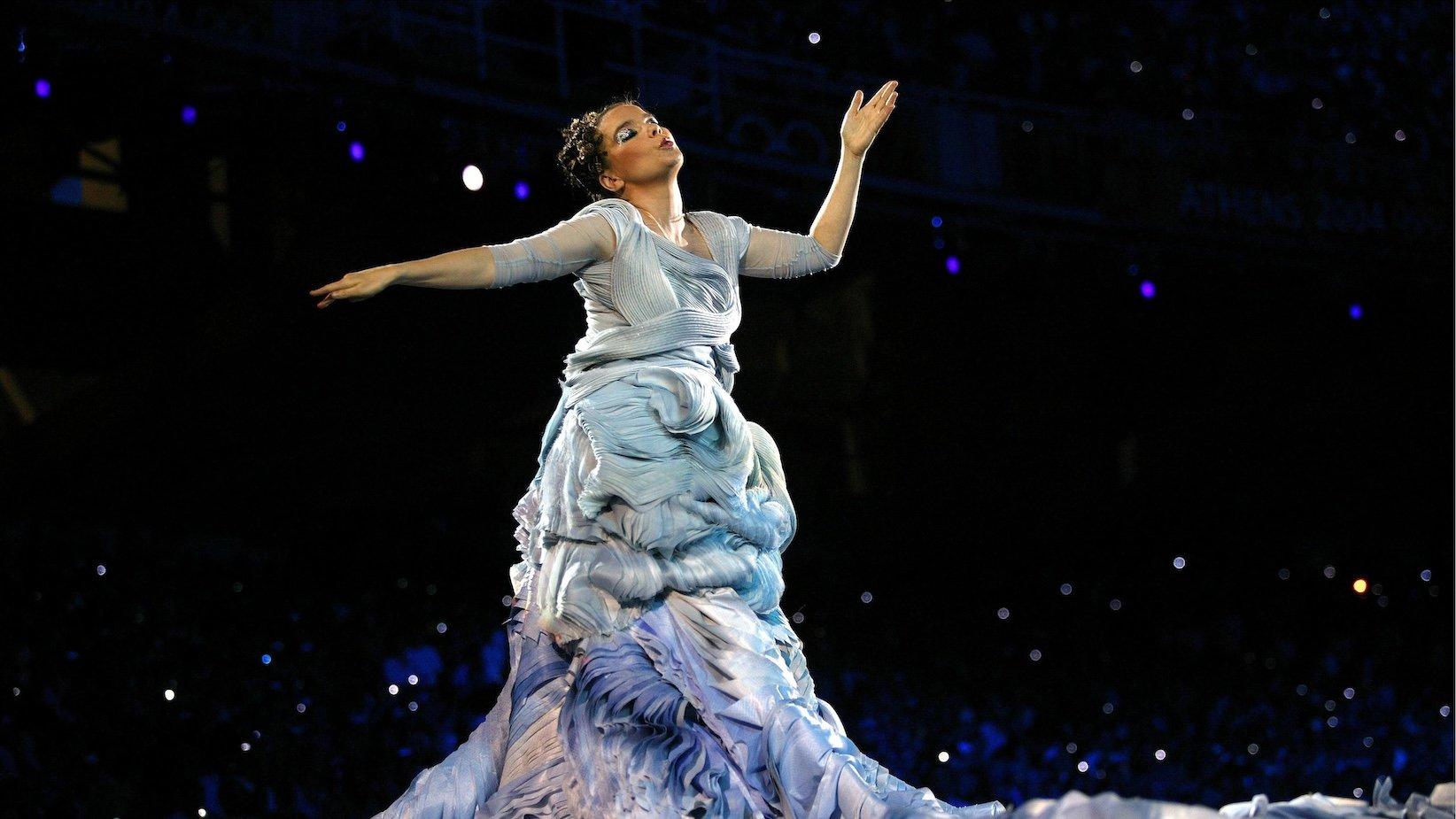
Bjork performing on stage at the opening of the 2004 Athens Olympics
Photo: Mick Hutson/Redferns
When The GRAMMYs & Olympics Align: 7 Times Music's Biggest Night Met Global Sports Glory
Before the Olympic Games begin in Paris on July 26, dive into the intertwined history of gold medalists and golden gramophones.
GRAMMYs/Jul 25, 2024 - 01:19 pm
The GRAMMY Awards and the Summer Olympics are unarguably the pinnacles of their respective fields. Indeed, most recording artists dream of making an acceptance speech for their magnum opus during the biggest night on the music industry calendar, while athletes competing in any of the Games’ 32 different disciplines are continually motivated by the lure of the podium.
But how often have the two intertwined since the first GRAMMY ceremony took place a year before Rome 1960?
Well, perhaps more than you think. Sure, the musical efforts from basketballers Shaquille O’Neal (gold at Atlanta 1996), Kobe Bryant (gold at Beijing 2008 and London 2012), and Damian Lillard (gold at Tokyo 2020) might not have registered with the Recording Academy. Likewise, those from track and field hero Carl Lewis (nine golds and one silver from four consecutive Games), light middleweight boxer Roy Jones Jr. (silver at Seoul 1988), and near-superhuman sprinter Usain Bolt (eight golds from Beijing, London, and Rio 2016).
But there are a handful of sportsmen (sadly, not yet sportswomen) who have competed for both gold medals and golden gramophones. There are also pop stars who have attempted to capture the blood, sweat, and tears of the quadrennial spectacle in musical form — whether as an official anthem, television theme, or simply a motivational tool — and been rewarded with GRAMMY recognition for their efforts.
With the Olympics’ return to Paris just around the corner (July 26-Aug.11), what better time to celebrate those occasions when the Games and the GRAMMYs align?
It seems fair to say that Gloria Estefan, the Cuban hitmaker who helped to bring Latin pop to the masses, and avant-garde eccentric Björk, wouldn't appear to have much in common. They have, however, both received GRAMMY nominations in the Best Female Pop Vocal Performance category for their respective Olympics themes.
Estefan was recognized at the 1997 ceremony for "Reach," the gospel-tinged power ballad that embodied the spirit of the previous year's Atlanta Games. Iceland's finest musical export picked up a nod for "Oceania," the swooping experimental number she co-produced with Warp label founder Mark Bell which helped to soundtrack the opening ceremony of Athens 2004. And both went home empty-handed, the former losing to Toni Braxton's "Un-Break My Heart" and the latter to Norah Jones' "Sunrise."
The incomparable Whitney Houston might not have added to her GRAMMY haul at the 1989 ceremony — Tracy Chapman's "Fast Car" prevented her from converting her sole nod, Best Female Pop Vocal Performance, into a win — but she still stole the show. Houston owned opened the 31st GRAMMY Awards with a performance of "One Moment in Time," the nominated track that had defined NBC's coverage of the Seoul Games.
Co-written by Albert Hammond, produced by Narada Michael Walden and featuring the London Symphony Orchestra, the UK chart-topping single certainly had a first-class pedigree. But it was Houston's lung-busting vocals that made the torch song such a sports montage favorite. The iconic diva once again stirred the emotions on the music industry's biggest night of the year with a rendition that's since become a staple of her many hits collections.
Shakira fought off some interesting company to win 2001's Best Latin Pop Album GRAMMY. Alongside records from Luis Miguel and Alejandro Sanz, the category also included Christina Aguilera's first Spanish-language affair, and a bilingual effort from champion boxer Oscar De La Hoya.
The American became a national sensation overnight when he won the men's lightweight boxing gold at the 1992 Barcelona Olympics. But despite new material from seasoned hitmaker Diane Warren and a cover of Bee Gees' classic "Run to Me," his 13-track self-titled debut didn't exactly set the charts alight. Despite the GRAMMY nod, De La Hoya hasn't entered the recording studio since.
But when it comes to GRAMMY-nominated boxers, then the man who famously floated like a butterfly and stung like a bee is undoubtedly the don. Shortly before he changed his name from Cassius Clay to Muhammad Ali, the light heavyweight gold medalist of the 1960 Rome Games was recognized for his amusing repartee in the Best Comedy Performance category. Hailed by some as a progenitor of the rap artform, I Am the Greatest lost out to a man slightly different in stature: portly parodist Allan Sherman.
And the sporting icon also had to experience another rare defeat 13 years later when his reading of The Adventures Of Ali And His Gang Vs. Mr. Tooth Decay lost out to Hermione Gingold & Karl Böhm's Prokofiev: Peter and the Wolf/Saint-Saëns: Carnival of the Animals in 1977’s Best Recording for Children.
Legendary composer John Williams is one of the most-nominated artists in GRAMMY history having amassed 76 nods since his work on detective series "Checkmate" was recognized in Best Score Soundtrack for Visual Media in 1962. Two of his wins in this remarkable tally have been Games-related.
In 1985, Williams won Best Instrumental Composition for "Olympic Fanfare and Theme," which he wrote and arranged for the Los Angeles Games the year prior. In 1989, the conductor received a nod in the same category for "Olympic Spirit," another majestic instrumental produced for NBC’s coverage of Seoul '88.
Interestingly, Wiliams isn't a particularly avid sports fan, but as he told The New York Times, he can still relate to those going for gold. "The human spirit stretching to prove itself is also typical of what musicians attempt to achieve in a symphonic effort."
Magic Johnson’s Educational Guide Wins Best Spoken Word Album
Basketball appears to produce more aspiring musicians than any sport. Marvin Bagley III, Lonzo Ball, and Brandon Clarke are just a few of the NBA names to have released albums in the last few years. But the only time a hooper has been recognized at the GRAMMYs is for an audiobook.
The year before guiding Team USA to the men's basketball gold at Barcelona 1992, Magic Johnson had bravely revealed that he'd contracted HIV, defying the stigma that surrounded it at the time. The year after his Olympic triumph, the iconic shooting guard was honored for joining the fight against the disease. Johnson won the Best Spoken Word or Non-Musical Album GRAMMY for What You Can Do To Avoid AIDS, a compassionate guide designed to educate the youth of America whose proceeds went to the sportsman's eponymous foundation.
Based on the real-life exploits of British runners Harold Abrahams and Eric Liddell at the 1924 Paris Olympics, period drama Chariots of Fire won Best Picture at the 1982 Oscars. But it’s the titular number from Vangelis' anachronistic synth-based score that remains its crowning glory.
First played as the aspiring Olympians train beachside in the slow-motion opening flashback, the instrumental not only topped the Billboard Hot 100, it also picked up a GRAMMY nod for Record of the Year. "Chariots of Fire" has since become synonymous with the more modern iteration of the Games, appearing in the BBC's coverage of Seoul '88, gracing the start of the men's 100m final at Atlanta '96, and perhaps most famously of all, being performed at London 2012's opening ceremony by none other than Rowan Atkinson's rubber-faced buffoon Mr. Bean.
Read more: 10 Essential Vangelis Albums: Remembering The Electronic Music Pioneer