Photo: Raymond Boyd/Michael Ochs Archives/Getty Images
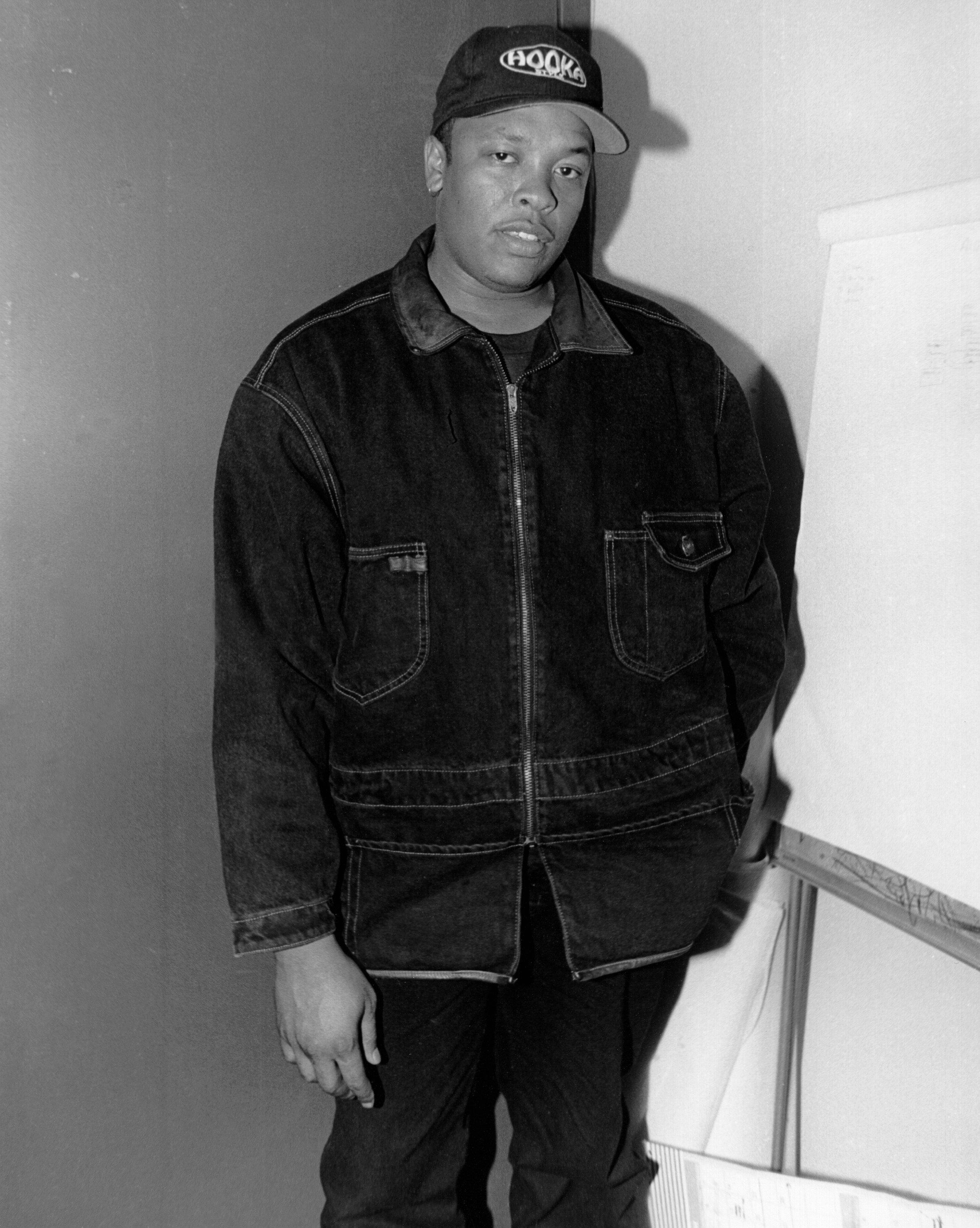
Dr. Dre
Dr. Dre's 'The Chronic': 25 Years Later
Take a look back at the super producer's solo magnum opus from the inside out
GRAMMYs/Dec 15, 2017 - 11:19 pm
In 2010 Kanye West heaped some high praise on Dr. Dre's The Chronic: He called the album the hip-hop equivalent of Stevie Wonder's 1976 Album Of The Year GRAMMY winner, Songs In The Key Of Life.
<iframe width="620" height="349" src="https://www.youtube.com/embed/0F0CAEoF4XM" frameborder="0" gesture="media" allow="encrypted-media" allowfullscreen></iframe>
"It's the benchmark you measure your album against if you're serious," West wrote for Rolling Stone's 100 Greatest Artists list, which ranked Dre at No. 56.
The Chronic was a series of coincidences backed by like-minded individuals all with one goal in mind: to create a work that would stand the test of time. It was a perfect storm — yielding one GRAMMY for Best Rap Solo Performance for "Let Me Ride." The Chronic would go on to sell millions, and like West mused, would serve as the prototype for any serious musician who existed within the hip-hop space.
A quarter-century later, its presence is still felt in the aftershocks of an earthquake that was more than a year in the making.
When The Chronic arrived on Dec. 15, 1992, Dr. Dre was living life in a vacuum. He was coming off the high of the post-N.W.A era, where his friendship with Eazy-E had rotted considerably and de-facto group leader Ice Cube vehemently parted ways with both N.W.A and Ruthless Records to pursue his own solo trajectory.
Dre was still somewhat wound around the pen of manager Jerry Heller that inked his recording contract years earlier, though Suge Knight — a then-strong-yet-silent enforcer — would handle the messiness while Dre focused on his solo debut LP via Death Row Records (with Interscope Records serving as the distributor).
<iframe src="https://tools.applemusic.com/embed/v1/album/6654037?country=us" height="500px" width="100%" frameborder="0"></iframe>
Societally, the country was in a state of flux. The Los Angeles riots had finally dwindled in mid-May 1992, though the scars of the Rodney King verdict and a constant cloud of police brutality lingered in the streets. While The Chronic boasts a sufficient amount of fun, weed, money, and women, there still exists an element of anger fueled by both Dre's beef with Eazy as well as the ongoings of a world as seen through Dre's then-27-year-old eyes.
Once Dre met Snoop Doggy Dogg (as he was then called) through stepbrother Warren G, it was truly trouble when Compton and Long Beach, Calif., came together. Dre had already laid a foundation for his sound by the time the final N.W.A album, 1991's Niggaz4Life, would drop, but there was a vibe he was after. Snoop — possessing a mix of gang ties and weed smoke — when paired with Dre's P. Funk sampling, mixed with breaks and live instruments, provided an aggressive yet relaxed sound.
Dr. Dre and Snoop Dogg at the 1993 MTV Movie Awards
Photo: Jeff Kravitz/FilmMagic.com/Getty Images
"It wasn't actually a sound, rather it was a production method," explains Dan Charnas, author of The Big Payback: The History Of The Business Of Hip-Hop and professor at New York University's Clive Davis Institute of Recorded Music. "It was [Dre's] blending of breakbeats undergirded by real instruments. There was sort of this cleanliness and presence to his production that very much contrasted the noise ethos of the Bomb Squad and Public Enemy."
The product was called G-Funk, an amalgam of the past, present and future. It would come to life as soon as the team started working on The Chronic.
"As soon as we left the N.W.A situation, came 'Nuthin' But A 'G' Thang,'" explains The Chronic collaborator and songwriter Colin Wolfe.
But The Chronic would be put on hold mid-process and attention would be diverted to Snoop and Dre's other collaborative work, the soundtrack to the 1992 film Deep Cover. By then Dre and Snoop were branded as a dynamic duo and once the crew switched gears back to The Chronic, the direction would be set thanks to "… 'G' Thang."
The studio sessions were all love, where Hennessy and weed permeated the atmosphere as Dre and his tightknit team conceived his magnum opus.
<iframe width="620" height="349" src="https://www.youtube.com/embed/-oZZ9lKg3gQ" frameborder="0" gesture="media" allow="encrypted-media" allowfullscreen></iframe>
"There was no grand scheme, it was everyone coming together to make really great songs and the album began to take shape on its own," remembers The Chronic songwriter The D.O.C. "The weed smoke and the energy of the crew Snoop brought around. We worked vicariously off that energy. It was the space and time where everything came together as it should have."
"The greatest part was watching the guys write and learn how to make bars," explains The Chronic mixer Chris "The Glove" Taylor. "D.O.C. would say [to the other artists], 'Write 16 lines on this legal pad and when you get to 16 lines, you're done.' Imagine a studio of cats believing they were taking over the world and doing whatever the hell they wanted to because we had Suge outside. There was an invincibility that we felt."
The songs were products of their environment. "F*** Wit Dre Day (And Everybody's Celebratin')" would bring a comedic yet venomous dis pointed at Eazy-E and his cohorts, while "Lil' Ghetto Boy" would speak to the state of Los Angeles in the midst of the riots. Other songs like "High Powered" and "Stranded On Death Row" were both menacing yet honest, reflective of the world in which Dre & Co. lived.
"We had to change some of the lyrics," Wolfe recalls, "as the tone was too intense given what was happening in L.A."
"It was too insightful at times. We were sitting [in the studio] watching the news. It was scary," Taylor adds. "Not only that but we had to change locations for the videos because of our high 'gang visibility.'"
The crew would later have to move Snoop's "Gin And Juice" video to another location (Taylor's mother's house) for that same reason.
<iframe width="620" height="349" src="https://www.youtube.com/embed/fWCZse1iwE0" frameborder="0" gesture="media" allow="encrypted-media" allowfullscreen></iframe>
The aforementioned "Nuthin' But A 'G' Thang" was soaked in gangster vibes yet it was the Moog synthesizer Wolfe used to create the now infamous whistling keys in the intro that would define an entire decade of West Coast rap. Together, it was a project for everyone. While N.W.A was arguably too abrasive for some listeners, Dre's solo debut struck a balance of street meets stoner, thereby broadening the album's reach.
"A lot more white folks smoke weed than are in gangs, so it was something they too could sink their teeth into and the whole world could just vibe on the same plane," says The D.O.C.
It even crossed coasts, despite the project's very identifiable West Coast sound.
"When Dre dropped that monster, you just couldn't deny it. I never saw so many people in New York banging it in their systems," says rapper Sauce Money. "I think the beauty of The Chronic was that each song carried a message that all together made up the culture of the West Coast."
Coincidentally, there was a bigger machine behind it as well. Los Angeles' KPWR-FM (Power 106) was in the early stages of bringing a hip-hop skewed format to pop radio. By the time The Chronic dropped, the station was already geared to move their evening jocks, the Baka Boyz, to daytime — marking the biggest move for hip-hop in L.A. radio history.
"I think the beauty of The Chronic was that each song carried a message that all together made up the culture of the West Coast."
"The Chronic was the flagship record for the launch of the very first hip-hop-branded pop station," says Charnas, who also hosted a segment during the Baka Boyz's "Friday Night Flavas." "It was just after that when Power 106 came up with the slogan 'Where Hip-Hop Lives' and the first album to live there was The Chronic. It was a cultural explosion."
Twenty-five years later, the ripple effect of The Chronic lives on.
From the weed rap of artists like Wiz Khalifa to the modified gangster rap of Kendrick Lamar, what Dr. Dre built with his team was a movement that would be picked apart and serve as inspiration for years to come.
In many ways, The Chronic was Dr. Dre's crowning achievement, as his later work and top albums by his peers would be lined up against it. It was lightning in a bottle, and lightning rarely strikes twice.
But like many timeless albums, it took a village — from Dre, Snoop, The D.O.C., Warren G, Nate Dogg, and Kurupt to Wolfe, Taylor and the engineers. Even Suge Knight. Everyone played a role, and the results made history.
"We loved each other enough to really focus in on making that art as best we could make it, even with all the bulls*** we were surrounded by and all the drama that was going on in the outside world," says The D.O.C. "We were all lasered in on making that album great. In my humble opinion, The Chronic is the best hip-hop album ever made."
2018 GRAMMYs: 9 Facts About The Rap Field Nominees
(Kathy Iandoli has penned pieces for Pitchfork, VICE, Maxim, O, Cosmopolitan, The Village Voice, Rolling Stone, Billboard, and more. She co-authored the book Commissary Kitchen with Mobb Deep's late Albert "Prodigy" Johnson, and is a professor of music business at select universities throughout New York and New Jersey.)
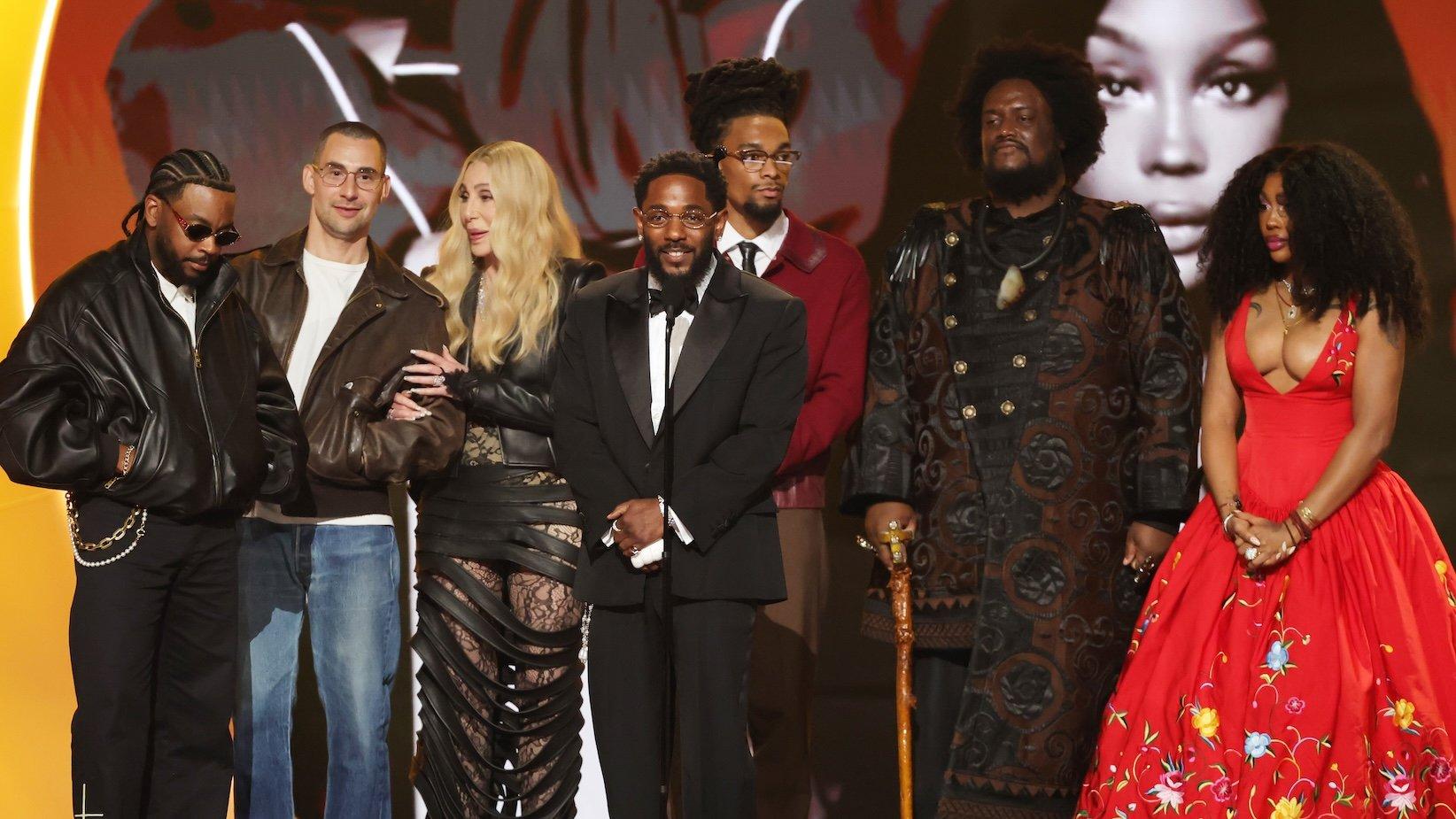
Kendrick Lamar and SZA win the Grammy for Record Of The Year at the 2026 Grammys on Sunday, Feb. 1, at Crypto.com Arena in Los Angeles, California. (L-R) Sounwave, Jack Antonoff, Cher, Kendrick Lamar, Scott Bridgeway, Kamasi Washington, and SZA.
Photo: Kevin Winter/Getty Images for The Recording Academy
9 Powerful Acceptance Speeches From The 2026 Grammys: Bad Bunny, Kendrick Lamar, Lady Gaga & More
From pro-immigrant statements to vocal support for women in music, these moving acceptance speeches from the 2026 Grammys reflected the moments defining music and culture today.
GRAMMYs/Mar 1, 2026 - 01:49 am
See the full list of winners and nominees from the 2026 Grammys.
Watch highlights and exclusive Grammys content from the 2026 Grammys all year long.
At the 2026 Grammys, winning artists took to the stage with much more than gratitude on their minds. Grammy winners such as Lady Gaga and Recording Academy Lifetime Achievement Award honoree Cher supported rising artists, particularly women in the music industry. Kendrick Lamar deflected from his own victories to pay tribute to Luther Vandross, namesake of his Record-Of-The-Year-winning tune, and the hip-hop community at large.
In particular, many artists reacted to the ongoing campaign of deportations and anti-immigrant violence happening across the U.S. Bad Bunny, Billie Eilish and Olivia Dean all spoke movingly in support of immigrants, while many other artists wore "ICE OUT" pins.
Below, revisit some of the most moving acceptance speeches from the 2026 Grammys.
Kendrick Lamar Makes Rap History & Shouts Out The Hip-Hop Community
After dominating the 2025 Grammys with "Not Like Us," Kendrick Lamar took home five Grammys this year and became the rapper with the most Grammy wins ever. After winning three Grammys earlier in the day during the 2026 Grammy Awards Premiere Ceremony, the Los Angeles artist won the first Grammy Award of the telecast for Best Rap Album for GNX. With this Grammy win, he topped JAY-Z's 25 wins to snatch the record for most Grammys won by a rapper.
"Every time I tell you this: Hip-hop is gonna always be right here," Lamar said in his Grammy acceptance speech, dedicating his win to the hip-hop movement. "We gonna be in these suits, we gonna be looking good, we gonna be having our folks with us, we're gonna be having the culture with us."
Kendrick also shouted out Clipse, with whom he won Best Rap Performance earlier in the day for their track "Chains & Whips." He would return to the stage once more before the end of the night to take home the Grammy for Record of the Year for his song "luther" with SZA, bringing his career total to 27 Grammy wins.

Bad Bunny Stands Up For Immigrants
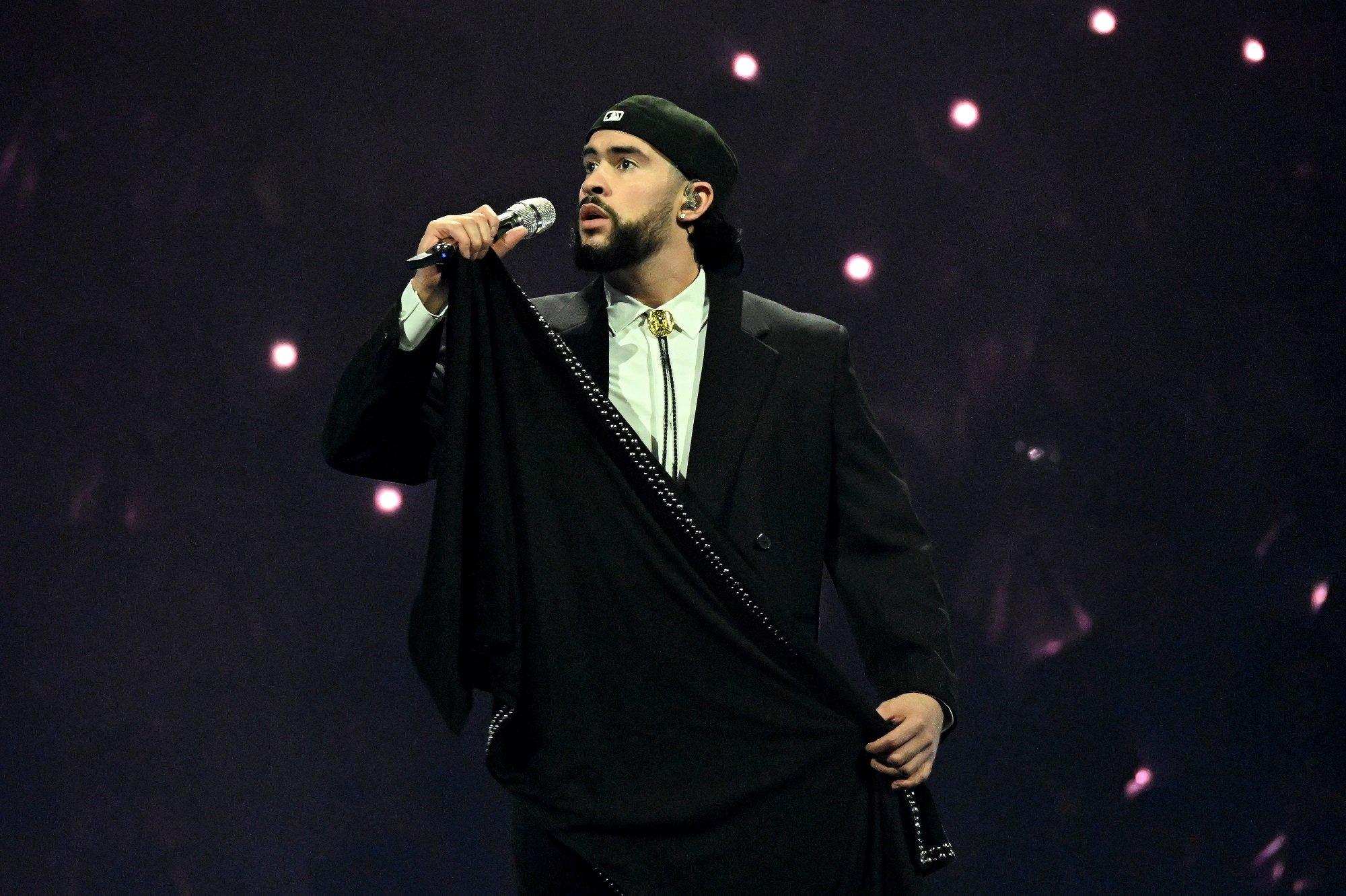
Of the many statements made in support of immigrants at the 2026 Grammys, few felt more powerful and resonant than Bad Bunny's, who twice spoke on the issue on the Grammy stage. Accepting the Grammy for Best Música Urbana Album for DeBÍ TiRAR MáS FOToS, the Puerto Rican superstar front-loaded his acceptance speech with a rebuke of the dehumanizing rhetoric faced by immigrants, especially Latin Americans such as himself.
"Before I say thanks to God, I'm gonna say: ICE out," he declared. "We're not savage, we're not animals, we're not aliens. We are humans and we are Americans."
Loading...
Later that night, after winning the Grammy for Album of the Year, a visibly shocked and overwhelmed Bad Bunny returned to the stage to deliver another Grammy acceptance speech, though this time mostly in Spanish. It was an appropriate move considering the history-making album is the first non-English-language album to ever win the Grammy for Album Of The Year. But given his stunned reaction, Bad Bunny may have just been too emotional to so quickly translate most of his thoughts. But in a fitting move, he dedicated his Grammy win to "all the people who had to leave their homeland, their country, to follow their dreams."
Olivia Dean Tearfully Takes Best New Artist
Loading...
"I never imagined I'd be up here, let alone nominated," Olivia Dean said as she tearfully accepted the Grammy for Best New Artist. Having just performed her U.K. chart-topping single "Man I Need" on the Grammy stage, the British singer used her platform to speak out in support of immigrants, including her own grandmother, who immigrated to the U.K. from Guyana as part of the Windrush generation.
"I'm up here as a granddaughter of an immigrant," Dean said. "I'm a product of bravery, and I think those people deserve to be celebrated."
Lady Gaga Supports Women In Music
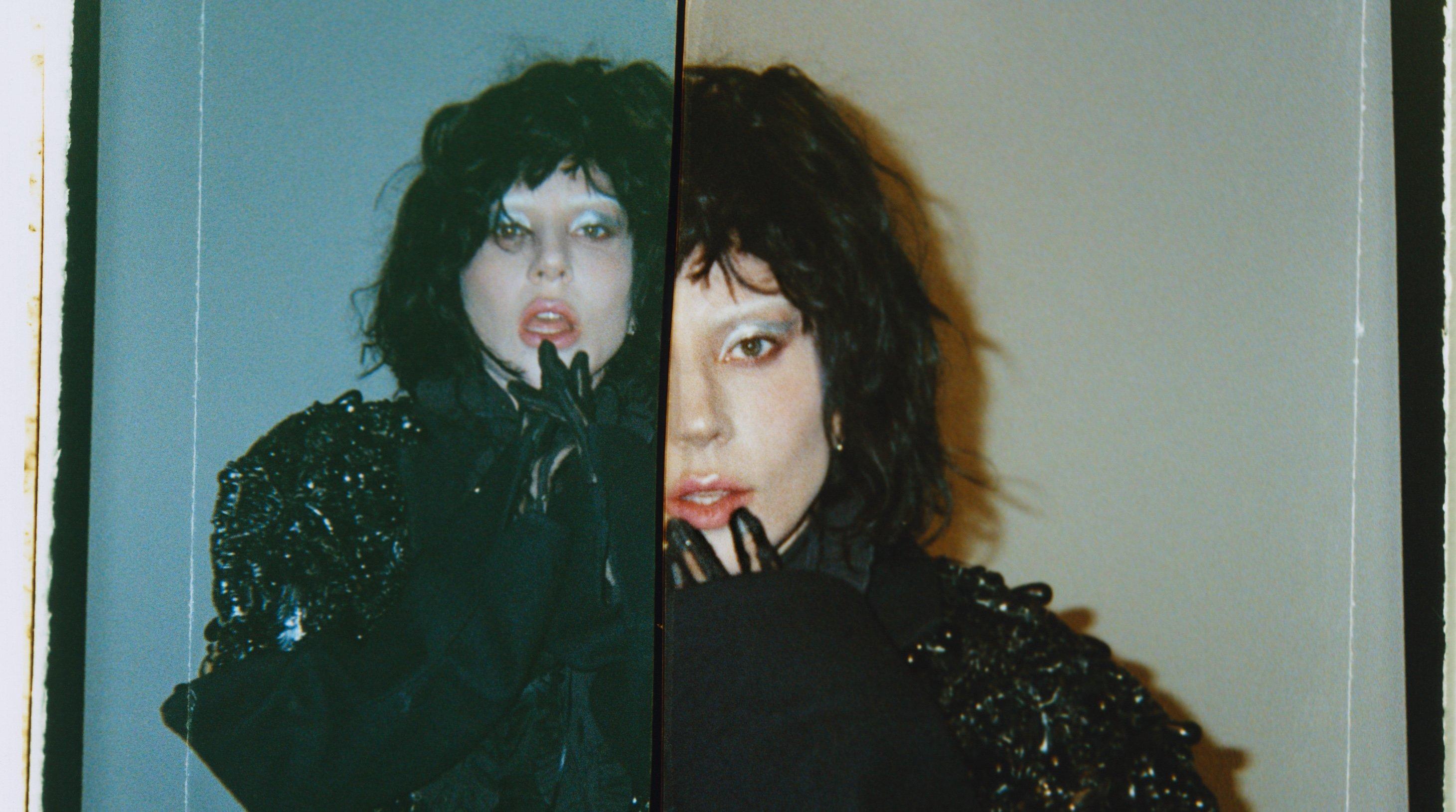
As well-known as she is for awards-show spectacles – Remember the meat dress? – Lady Gaga kept things (mostly) low-key and earnest. Following a dynamic performance of "Abracadabra," she returned to the stage to accept the Grammy for Best Pop Vocal Album for MAYHEM.
Thanking her fiancé, Michael Polansky, and her collaborators, including Cirkut, who won the Grammy for Producer Of The Year, Non-Classical winner, and Gessaffelstein, the latter of whom won the Grammy for Best Remixed Recording for his remix of "Abracadabra," Lady Gaga offered some encouraging words for women in the music industry.
"When you're in the studio with a bunch of guys, it can be hard," she said. "Always listen to yourself and always fight for your ideas, fight for your songs, fight for yourself as a producer."
"Abracadabra" also won the Grammy for Best Dance Pop Recording, bringing her total career Grammy wins to 16.
Lola Young Swears She Didn't Expect Grammy Win
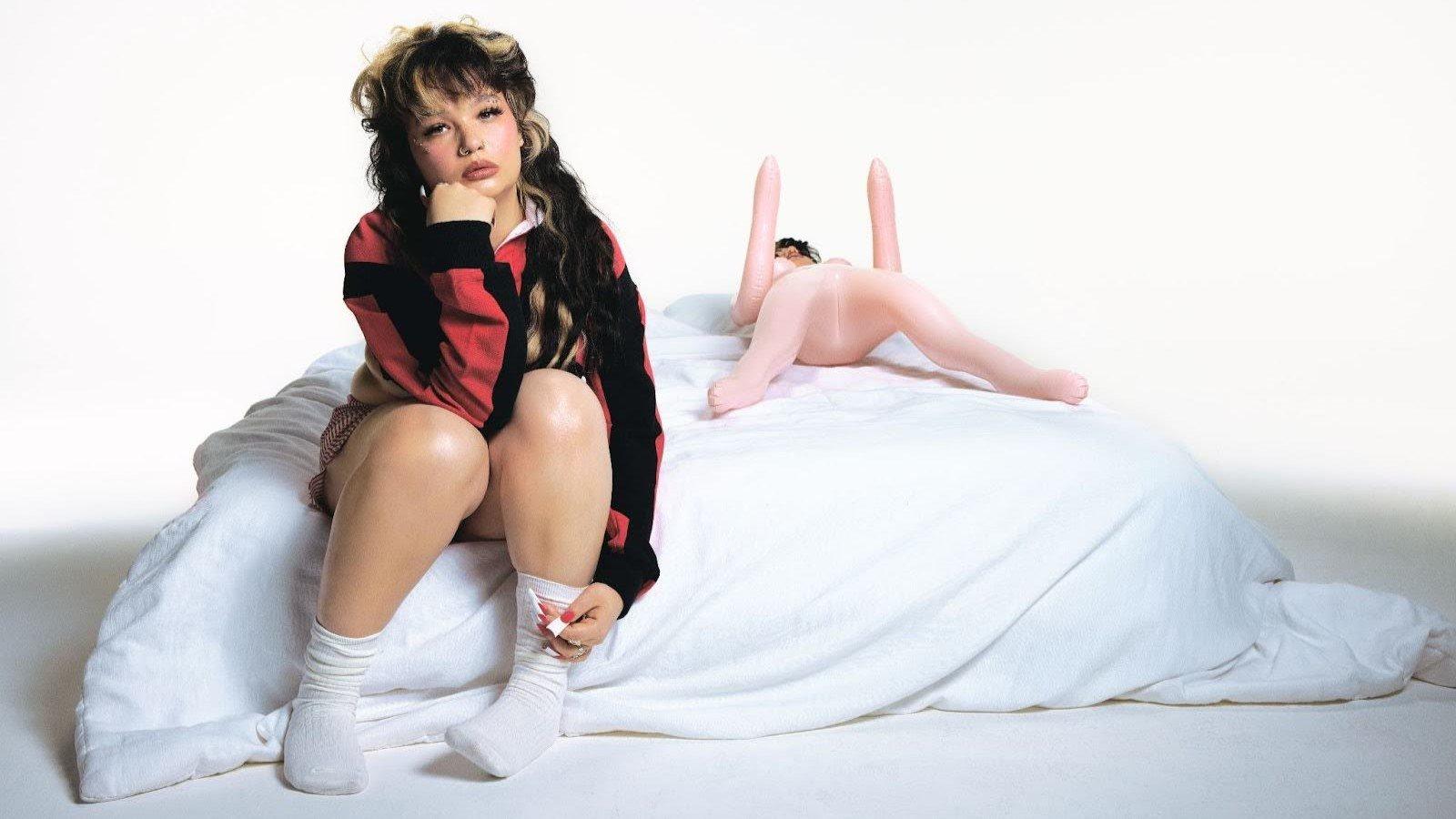
Though Lola Young certainly had stiff competition in the Best Pop Solo Performance Category, including veterans such as Justin Bieber and Lady Gaga, nobody was more shocked at her Grammy win in than Young herself. The singer, also nominated for Best New Artist, had just wrapped an emotional piano rendition of her track "Messy" earlier in the evening, one of her first live performances in four months following a health scare.
"I don't have any speech prepared," a visibly shocked Young said. "I don't know what to say. Thank you so much!" Utterly overwhelmed and searching for words, Young dropped a few less-than-TV-appropriate words before thanking her friends and mother and fleeing the stage while in a state of pure ecstasy.
Billie Eilish Gets Serious During Song Of The Year Speech
Loading...
Winning the Grammy for Song of the Year for "WILDFLOWER," her 10th Grammy, didn't seem to weigh heavily on Billie Eilish's mind as she took the stage to accept the award. Flanked by her brother and creative partner FINNEAS, both wearing "ICE OUT" pins, as were many of the other attendees, the pop star weighed in on the current anti-immigration policies being carried out in the U.S.
"No one is illegal on stolen land," Eilish said. "It's just really hard to know what to say and what to do right now … I feel really hopeful in this room, and I feel like we just need to keep fighting and speaking up and protesting, and our voices really do matter, and the people matter."
The more serious tone of the speech contrasted with Eilish's previous wins, but it felt more than appropriate given the current climate.
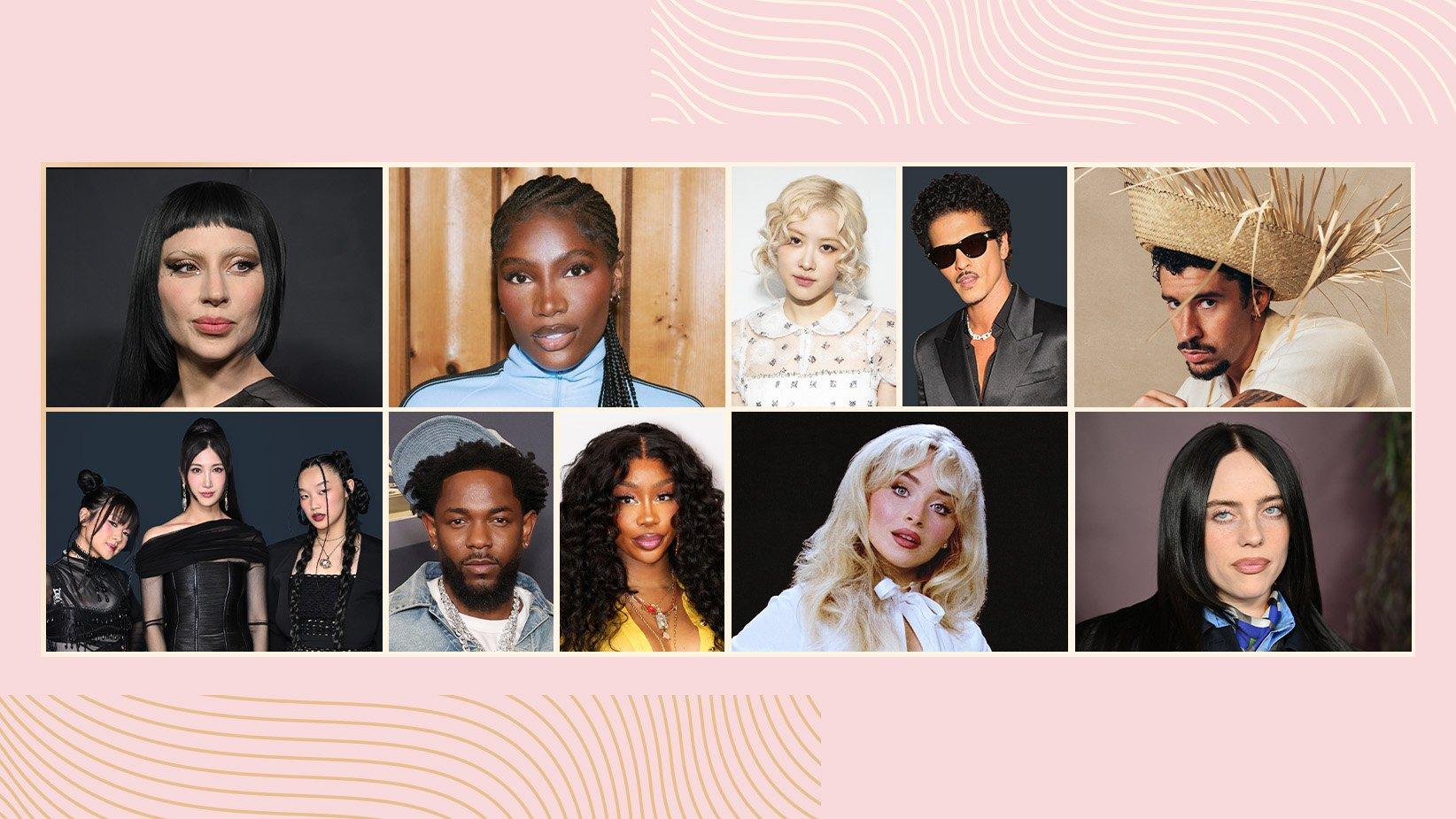
Cher's Audacious Return To The Grammy Stage
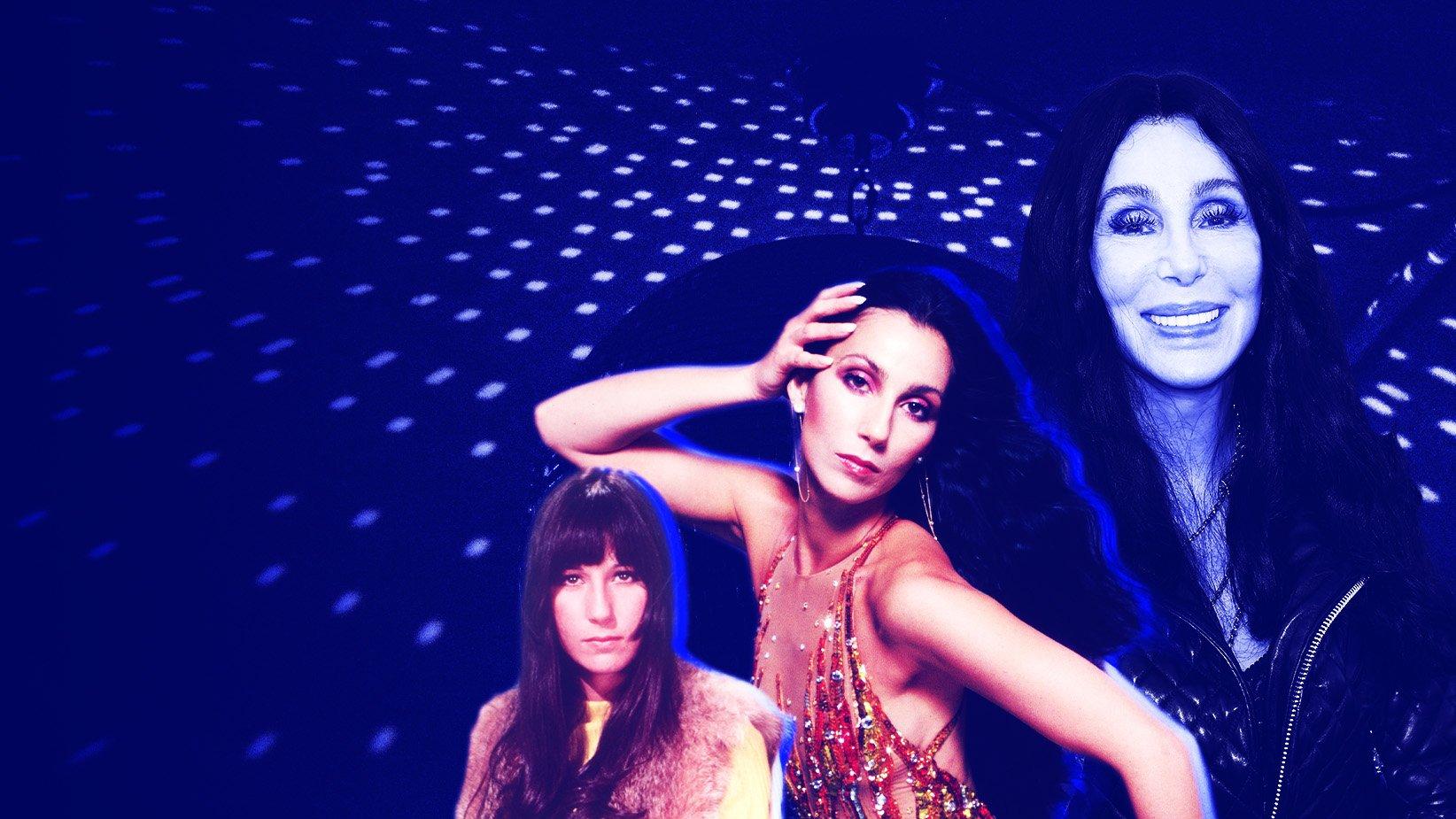
Cher is always a class act. With dozens of hits across a decades-spanning career, she earned the Recording Academy Lifetime Achievement Award deservedly. Her acceptance speech on the Grammy stage quickly became one of the most talked-about moments of the night.
First, she gave a stirring speech reflecting on her storied yet tumultuous time in show business. "I was famous at 19 and had a top-rated show in my 20s, actually, but it didn't occur to me how rough my career was going to be," she said. "I was either a loser or winning an Oscar. I'm sure a lot of you in the audience know what I'm talking about."
Cher also reflected on her stint in the "elephant graveyard" of Las Vegas in the '80s and her pioneering use of AutoTune on her Grammy-winning hit single "Believe." She closed out her speech by encouraging the audience: "Never give up on your dream, no matter what happens. Live it, be it, and if it's not happening now, it will happen soon."
Then things got a little bit … whacky. Apparently unclear that she would be presenting the Grammy for Record of the Year, the singer nearly walked off the stage before the crowd and host Trevor Noah coaxed her back. Then she mistakenly declared the late Luther Vandross the winner, in reference to the winning song, "luther" by Kendrick Lamar and SZA. Oh Cher, don't you ever change!
Jelly Roll Goes Full Country Music
Loading...
Jelly Roll had already won two Grammys earlier in the day for collaborations with Brandon Lake and Shaboozey, but it wasn't until the evening that he got to ascend the Grammy stage solo. Winning the Grammy for Best Contemporary Country Album for Beautifully Broken, he made his acceptance speech into a sort of country song in its own right, thanking his wife, referencing his Christian faith, and describing the troubles that led him to turn to music.
"I didn't think I had a chance, y'all," he said. "There were days that I thought the darkest things. I was a horrible human … There was a moment in my life that all I had was a Bible this big and a radio the same size and a six-by-eight-foot cell. And I believed that those two things could change my life."
The singer wrapped his speech by once again invoking religion: "Jesus is for everybody. Jesus is not owned by one political party. Jesus is not owned by no music label."
"luther" Wins Record of the Year
Cher may have been a bit off when she confidently misread that the Grammy for Record of the Year was going to "Luther Vandross." But the actual winners, Kendrick Lamar and SZA, made it clear that their chart-topping tune "luther" was a spiritual victory for the legendary R&B star who inspired the song, which prominently samples Vandross' and Cheryl Lynn's 1982 cover of "If This World Were Mine."
"First and foremost, let's give a shout-out to the late, great Luther Vandross," co-producer Sounwave began. "It was very, very, very important to keep the integrity of his record."
Lamar echoed the sentiment. "It's one of my favorite artists of all time, and they granted us the privilege to do our version of it. When we got that clearance, I promise you we damn near all dropped a tear.
"Being able to put our vocals on it, it proves that we were somewhat worthy to be just as great as them individuals," he continued. "They granted us that. They said, 'No cursing,' though."
Finally, SZA struck a note of hopefulness at the end of the speeches. "I know that right now is a scary time. I know the algorithms tell us that it's so scary, and all is lost," she said. "We can go on. We need each other. We need to trust each other and trust ourselves, trust your heart. We're not governed by the government, we're governed by God."
This Grammy win for "luther" puts Lamar in elite territory as a back-to-back Record Of The Year Grammy winner, joining fellow winners like Billie Eilish, U2, and the late Roberta Flack, the latter of whom was tributed in the annual In Memoriam celebration led by Ms. Lauryn Hill earlier in the ceremony.
2026 Grammys: Performances, Winners & Highlights
Kendrick Lamar and SZA win the Grammy for Record Of The Year at the 2026 Grammys on Sunday, Feb. 1, at Crypto.com Arena in Los Angeles, California. (L-R) Sounwave, Jack Antonoff, Cher, Kendrick Lamar, Scott Bridgeway, Kamasi Washington, and SZA.
Photo: Kevin Winter/Getty Images for The Recording Academy
10 Rappers Who Have Won The Most Grammys: Kendrick Lamar, Jay-Z, Eminem & More
From Jay-Z to Lauryn Hill, Grammy.com highlights 10 artists with the most Grammy Awards. Their impact, influence and innovation have helped shape the culture — and earned them an abundance of accolades.
GRAMMYs/Feb 2, 2026 - 01:18 am
Editor’s Note: Updated Sunday, Feb. 1, 2026, to reflect the results of the 2026 Grammys.
1989 was a year of many highlights, from the debut of "The Simpsons" and "Seinfeld" to the collapse of the Berlin Wall and the beginning of the Game Boy. It was also the first year hip-hop artists won Grammy Awards, an honor that went to D.J. Jazzy Jeff & the Fresh Prince for "Parents Just Don't Understand."
Hip-hop and the GRAMMYs have come a long way in the ensuing decades. While Will Smith and DJ Jazzy Jeff broke barriers with their win for Best Rap Performance, the duo boycotted the show because the rap Category was not televised. The boycott proved successful, as the genre Categories began to be televised during the following year, in 1990, and every year since then.
Read more: Who Are The Top GRAMMY Awards Winners Of All Time? Who Has The Most GRAMMYs?
Now, the Recording Academy celebrates the sounds of hip-hop and acknowledges the genre’s indelible impact; few genres have disrupted and defined music on such a global scale. Hip-hop rappers, producers, and songwriters have significantly shaped the musical landscape, garnering a bevy of Grammy Awards along the way. And although many artists have taken home Grammy Awards since ‘89, there are a few artists in the game who reign supreme.
Read on for 10 rappers who have won the most Grammy Awards
Kendrick Lamar
27 wins, 66 nominations
Loading...
Kendrick Lamar’s wins represent a return of “conscious” rap that tackles topics such as race and politics while embracing the art of authentic storytelling. As such, his 2015 album To Pimp a Butterfly gave way to many social justice anthems such as “Alright” and “Wesley’s Theory”; the release also took home the award for Best Rap Album at the 58th GRAMMY Awards.
Further reading: Kendrick Lamar's GRAMMY Timeline: From His First Win And Performances To "Not Like Us"
Additionally, Lamar’s most successful album, DAMN — which features hits like “DNA" and “Humble" — won five GRAMMYs Awards. At the 2025 Grammys, the rapper's hit single “Not Like Us” swept its Categories. Among Lamar's wins that night were Record Of The Year, Song Of The Year and Best Music Video. At the 2026 Grammys, he won the Grammy for Record Of The Year for “luther,” Best Rap Album for GNX, Best Rap Song for “tv off,” Best Melodic Rap Performance for “luther,” and Best Rap Performance “Chains & Whips” (his collaboration with Clipse), breaking the record for the rapper with the most Grammy wins.
Learn more: Kendrick Lamar Sweeps The 2025 GRAMMYs With Song Of The Year Win
Kendrick Lamar’s influence extends to broader cultural events, such as his groundbreaking 2025 Super Bowl halftime show. The show set a record for viewership and became one of the most-watched halftime shows since the Super Bowl’s inception, surpassing 130 million views.
Jay-Z
25 wins, 89 nominations
Loading...
Rapper and business mogul Jay-Z not only holds the record of having the most GRAMMYs of any hip-hop artist, he is also among the most nominated artists of any genre in GRAMMY history.
The rapper’s GRAMMY wins include Best Rap Album, which he won in 1998 for his album Vol. 2…Hard Knock Life. The album, which was nominated for two additional GRAMMYs, was his highest selling and included songs such as “Hard Knock Life” and “Can I Get A…” featuring Ja Rule and Amil.
Learn more: Songbook: How Jay-Z Created The 'Blueprint' For Rap's Greatest Of All Time
In 2006, Jay-Z made his musical debut at the GRAMMYs when he performed “Numb/Encore” with Linkin Park and “Yesterday’ with Paul McCartney. From solo hits to collabs with some of the most legendary artists in music, Jay-Z has dominated the GRAMMYs and shows no signs of slowing down.
Read more: 8 Ways Jay-Z's 'The Black Album' Changed The Hip-Hop Game
His influence was further acknowledged In 2024, when he was bestowed with the prestigious Dr. Dre GRAMMY Global Impact Award. In June 2025, his debut album Reasonable Doubt was inducted into the GRAMMY Hall of Fame. Not only has he been instrumental in East Coast hip-hop, he has had a hand in shaping fashion and other societal pillars on a global scale, opening doors for artists to go beyond music and branch off into other ventures.
Kanye West
24 wins, 76 nominations
Loading...
Kanye West has the second most GRAMMYs of any hip-hop artist, with 24 awards and 76 nominations. His GRAMMY accolades in multiple fields and Categories highlight his versatility as an artist: such as Jesus is King (Best Contemporary Christian Music Album) and The College DropOut (Best Rap Album), the latter of which was his first GRAMMY win in 2004. His awards also reflect his work as a producer; his GRAMMY wins in this arena include Best R&B Song for Alicia Keys’ hit “You Don’t Know My Name,” which West also co-wrote.
West also took home a golden gramophone Best Rap Solo Performance for the hit song "Gold Digger" with Jamie Foxx. At 2008 GRAMMYs, he performed his hit “Stronger” alongside Daft Punk, complete with illuminated, futuristic visuals. In all, Kanye has pushed boundaries with music and art, sampling songs and turning performances into experiences.
Eminem
15 wins, 47 nominations
Loading...
Eminem’s influence in the industry is evident not only by his chart-topping hits, but also by the number of golden gramophones he has secured. The Detroit rapper, who has effortlessly merged lyrical skill with shock, is both among the best-selling artists of all time and the rapper with the most GRAMMY awards.
Further reading: Songbook: A Deep Dive Into Eminem's Inimitable Career
He is also the only rapper who has won the award for Best Rap Album for three consecutive LPs. Eminem won his first GRAMMYs for The Slim Shady LP; these awards include Best Rap Solo Performance ("My Name Is"), as well as the award for Best Rap Album. 2000's The Marshall Mathers LP, which features "The Real Slim Shady" and "Forget About Dre," won three GRAMMY Awards/ The album also features Eminem's hit song "Stan," which the artist performed at the GRAMMYs as a duet with Elton John.
Read more: 4 Reasons Why Eminem's 'The Slim Shady LP' Is One Of The Most Influential Rap Records
Pharrell Williams
13 wins, 39 nominations
Pharrell Williams' versatility as a rapper, producer, pop artist and songwriter has garnered 13 GRAMMY wins. His awards showcase different facets of his artistry, from his days as a member of the group the Neptunes, to his work as a solo artist and producer.
From Beyoncé to Britney Spears, he has worked with a range of artists and has thrice taken home the golden gramophone for Producer Of The Year, Non Classical. Highlighting his production work, Pharrell's first GRAMMY was for producing Justin Timberlake’s 2003 album Justified. His collaboration with Daft Punk spawned the popular hit "Get Lucky," which won GRAMMYs Awards for Record Of The Year and Best Pop Duo/Group Performance.
As an artist and producer, Pharrell is able to blend pop and hip-hop effortlessly. Pharrell’s "Happy," from the Despicable Me 2 soundtrack, took home two GRAMMY Awards (as well as an Oscar nomination) and became one of the best-selling singles of the 2010s. Though Pharrell’s ingenuity has opened doors for him to work with an array of artists, he still holds hip-hop in high regard. In recent years, his work on Kendrick Lamar’s albums has spawned several GRAMMYs and nominations–including a win for Kendrick’s song "Alright" off of his album To Pimp a Butterfly.
Learn more: 4 Ways Pharrell Williams Has Made An Impact: Supporting The Music Industry, Amplifying Social Issues & More
Andre "3000" Benjamin
9 wins, 28 nominations
Andre 3000’s innovative sound and style has pushed creative boundaries in music and netted multiple GRAMMY Awards. Andre 3000's wins and nominations–in both rap and R&B–reflect his work as a solo artist and as part of the group OutKast. His wins include Best Rap Album for Stankonia, as well as Best Urban/Alternative Performance for the hit song "Hey Ya," off of the Speakerboxxx/The Love Below album. Additionally, Andre 3000 has also won a GRAMMY for Best R&B Performance for his feature on Anderson .Paak’s song "Come Home."
His versatility as an artist is evident on his recent instrumental jazz album, New Blue Sun, which earned him three nominations at the 2025 GRAMMYs. Additionally, this album showcases a departure from some of the sounds Andre 3000 is known for, and shows audiences that he is unafraid to challenge musical conventions.
Read more: André 3000 On 'New Blue Sun,' Finding Inspiration In Visual Art & His New Musical Journey
Anderson .Paak
9 wins, 14 nominations
Loading...
Although Anderson .Paak is best known for his contributions to R&B, he has netted GRAMMYs for his work as a rapper. He won his first GRAMMY for "Bubblin," a song which took home Best Rap Performance at the 2019 GRAMMYs. At the 2021 GRAMMY Awards, he won Best Melodic Rap Performance for his single "Lockdown." Additionally, he has also secured multiple GRAMMY wins as part of the R&B duo Silk Sonic with Bruno Mars.
The group’s best-selling album, An Evening With Silk Sonic, features the hit song "Leave the Door Open" and brings together R&B and funk. The melodious genre mix ultimately earned the group GRAMMYs for Best R&B Performance and Record Of The Year.
As a solo artist, Anderson .Paak has also carved out a distinctive and celebrated career, earning multiple GRAMMYs for his genre-bending albums that showcase his unique blend of singing and rapping.
Lauryn Hill
8 wins, 19 nominations
Loading...
Lauryn Hill has established a benchmark for female artists in hip-hop, setting an exceptionally high bar that many artists still aspire to reach.
Her seminal 1998 album, The Miseducation of Lauryn Hill, achieved widespread critical acclaim before becoming one of the best-selling albums of all time. Additionally, it is the first hip-hop album to win a GRAMMY for Album Of The Year. The album ultimately launched Lauryn Hill’s career into the stratosphere; she became the first female rapper with a diamond-certified album. It is also the only solo album Lauryn has put forward to date. In 2024, the album was inducted into the GRAMMY Hall of Fame.
Although Lauryn Hill’s artistry and lyrical depth has garnered her GRAMMYs as a solo artist, her success also stems from her contributions as a songwriter and vocalist for the hip-hop group the Fugees. The group’s second album, The Score, earned two GRAMMYs and includes the hit song "Killing Me Softly," which is a rendition of Roberta Flack’s original.Additionally, at the 42nd GRAMMY Awards, Lauryn Hill also won a GRAMMY for her work on Santana’s influential album Supernatural, which was inducted into the GRAMMY Hall of Fame this year.
Dr. Dre
7 wins, 26 nominations
Loading...
Dr. Dre was and remains a highly influential figure in West Coast hip-hop, who has achieved significant success as a rapper, producer and founding member of the group N.W.A.
Throughout his extensive career, Dr. Dre has earned seven GRAMMYs, including the first win for Producer Of The Year, Non-Classical by a hip-hop producer and artist.
His acclaimed solo album, The Chronic garnered Dr. Dre his first GRAMMY for his single "Let Me Ride" (Best Rap Solo Performance). His best-selling album 2001, was also GRAMMY nominated and features popular tracks like "Still D.R.E." and "The Next Episode" with Snoop Dogg. Beyond his solo achievements, he has been instrumental in launching the careers of artists such as Eminem and producing classic albums for both Snoop Dogg and 50 Cent.
In 2023, Dr. Dre was honored with having the distinguished GRAMMY Global Impact Award carry his namesake. Since the award’s inception, Jay-Z and Alicia Keys have received this accolade.
OutKast
6 wins, 16 nominations
Loading...
OutKast’s creative approach to hip-hop has helped them win six GRAMMYs and secure 16 nominations. The duo of Andre "3000" Benjamin and Antwan "Big Boi" Patton, have pushed genre boundaries blending rap, jazz, and pop while staying true to their Southern roots. In 2001, OutKast won their first GRAMMY Awards, one being Best Rap Album for Stankonia.
Their 2004 win for their innovative double album Speakerboxxx/The Love Below was a defining moment for Southern rap; it notably became the second hip-hop album to receive the GRAMMY for Album Of The Year and Best Rap Album. The album, which was certified diamond, features multiple chart-topping hits such as "The Way You Move" featuring Sleepy Brown and "Hey Ya."
Honorable Mentions
There are many hip-hop artists who have received extensive nominations but have yet to receive a GRAMMY Award — notwithstanding their important contributions to the genre. Snoop Dogg, Busta Rhymes, Nicki Minaj, Travis Scott and Rick Ross each have numerous nominations but no golden gramophone. Snoop leads this pack with a total of 16 nominations, followed by Busta and Minaj (each with a dozen), Scott (10), and Ross (nine). Post Malone stands out, however, with 18 career nominations and no wins.
2026 Grammys: Performances, Winners & Highlights
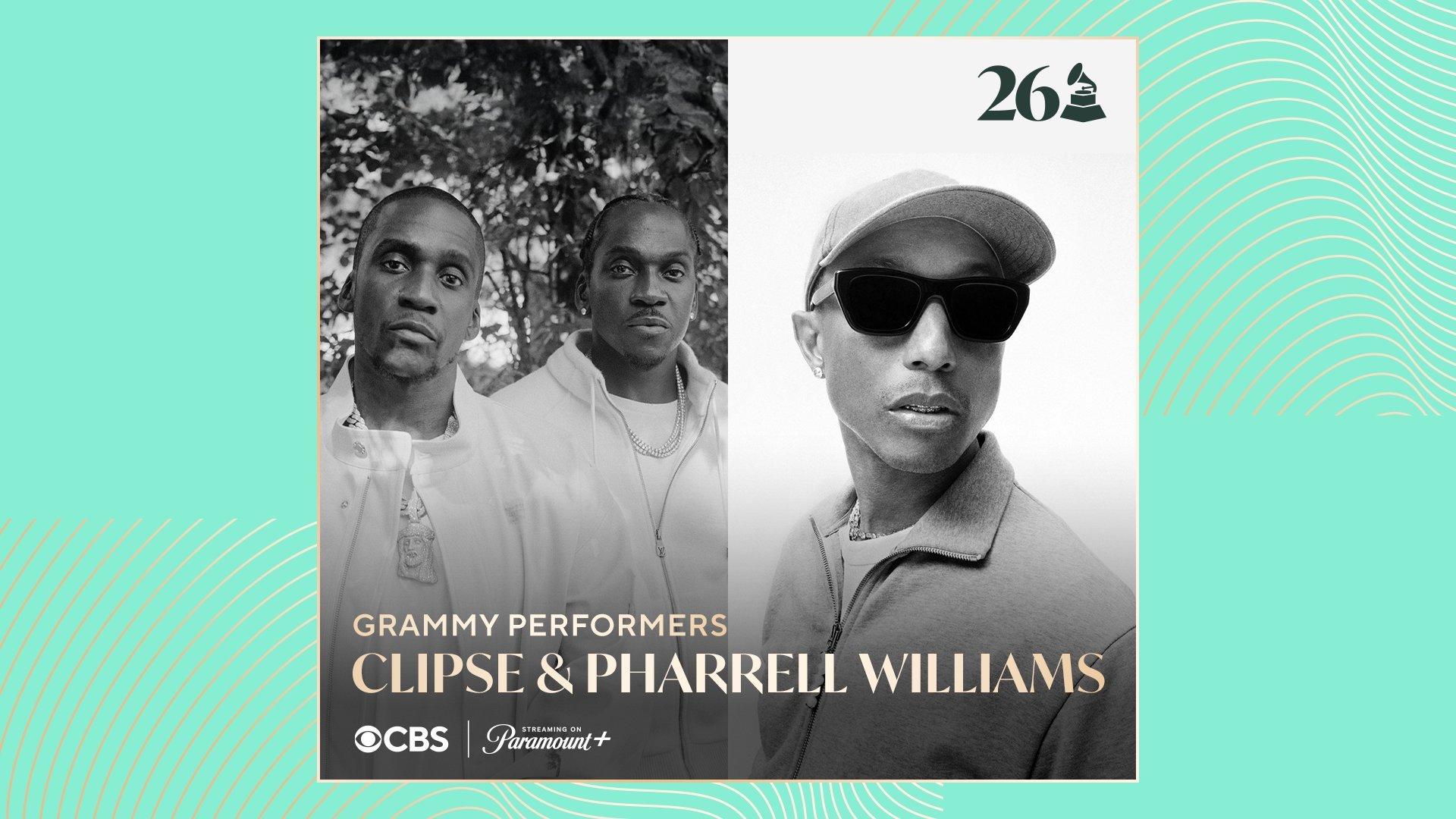
Current Grammy nominees Clipse (L) and Pharrell Williams (R) are performing at the 2026 Grammys on Sunday, Feb. 1.
Photos (L-R): Rahim Fortune and Bolade Banjo
Clipse & Pharrell Williams To Perform At The 2026 Grammys
Rap all-stars Clipse and superproducer/artist Pharrell Williams are both nominated at the 2026 Grammys for their work on the former's 'Let God Sort Em Out.'
GRAMMYs/Jan 22, 2026 - 04:59 pm
See the full list of winners and nominees from the 2026 Grammys.
Watch highlights and exclusive Grammys content from the 2026 Grammys all year long.
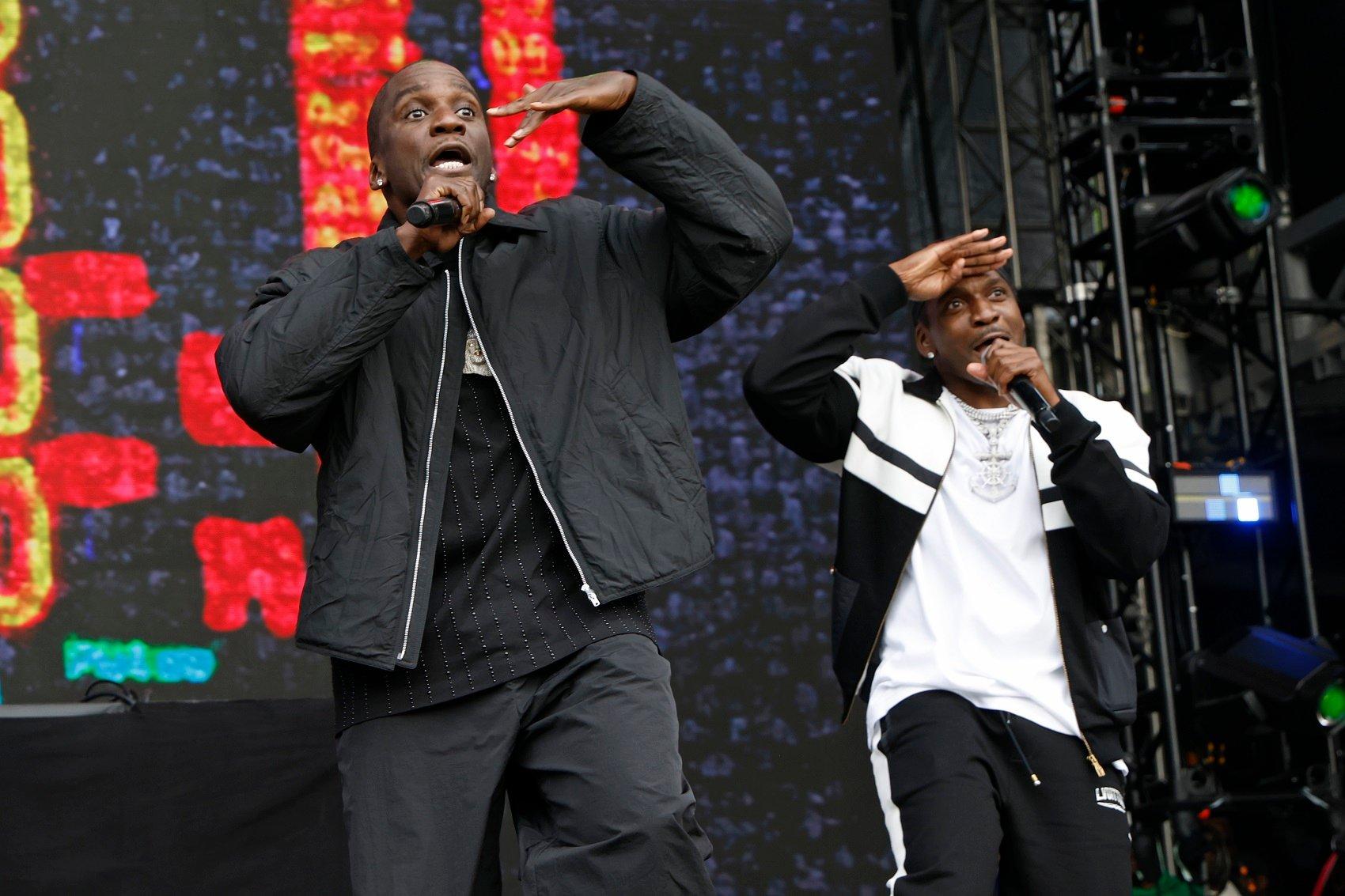
Current Grammy nominees Clipse and Pharrell Williams have been announced as performers at the 2026 Grammys.
Clipse are nominated for five Grammy Awards this year: Album Of The Year (Let God Sort Em Out), Best Rap Performance ("Chains & Whips"), Best Rap Song ("The Birds Don't Sing"), Best Rap Album (Let God Sort Em Out), and Best Music Video ("So Be It").
Thirteen-time Grammy winner Pharrell Williams is nominated for four Grammy Awards this year: Album Of The Year (Let God Sort Em Out), Best Rap Performance ("Chains & Whips"), Best Rap Song ("The Birds Don't Sing"), and Best Music Film (Piece By Piece).
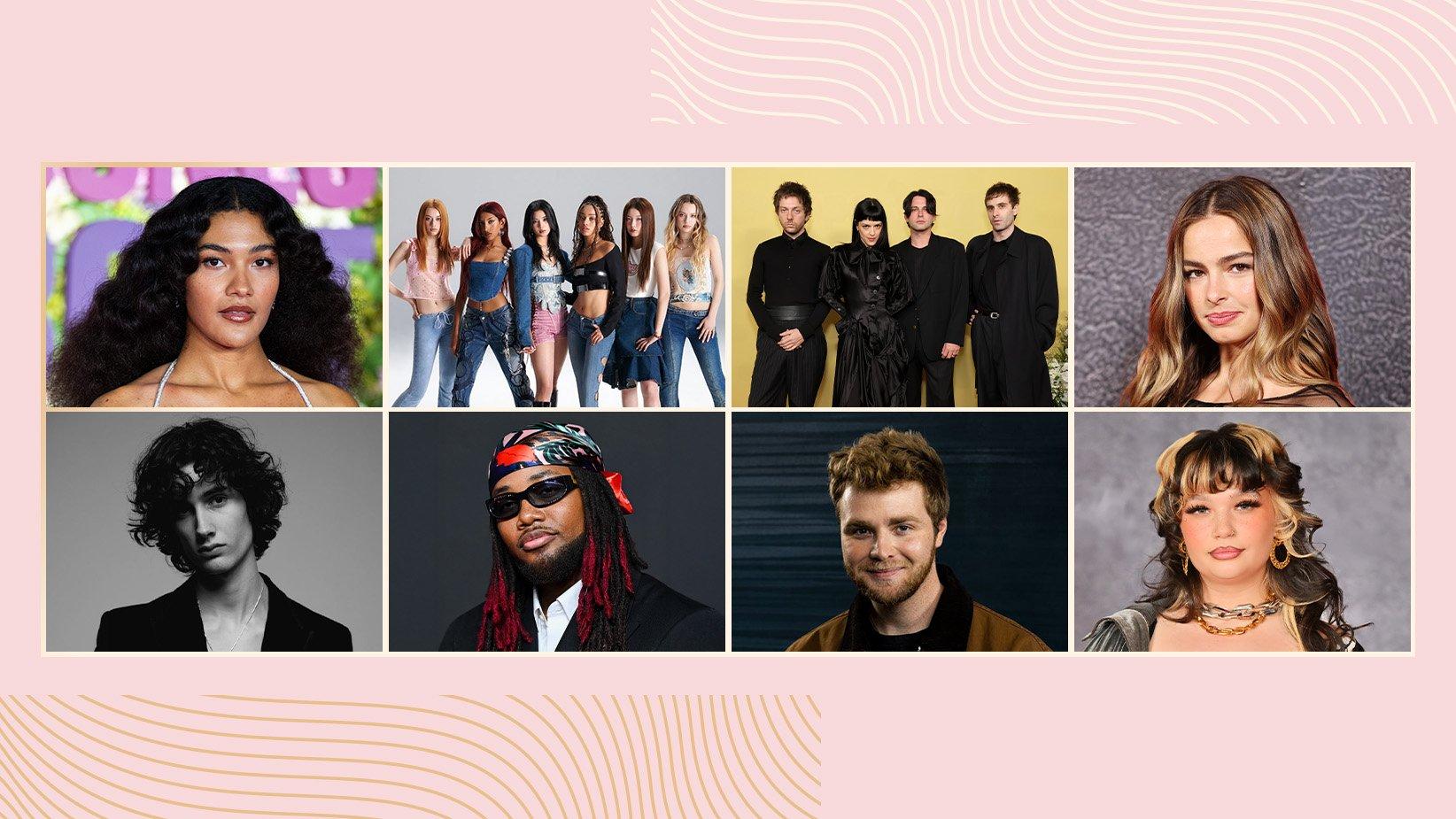
Previously announced performers include current Best New Artist nominees Addison Rae, Alex Warren, KATSEYE, Leon Thomas, Lola Young, Olivia Dean, SOMBR, and The Marías, who will all perform in a special Best New Artist segment at the 2026 Grammys. Sabrina Carpenter will also perform at the 2026 Grammys.
Additional performers at the 2026 Grammys will be announced in the coming days.
See the full list of performers and hosts at the 2026 Grammys to date (updating in real time).
Prior to the 2026 Grammys telecast, the 2026 Grammy Awards Premiere Ceremony will broadcast live from the Peacock Theater in Los Angeles at 12:30 p.m. PT/3:30 p.m. ET and will be streamed live on live.grammy.com and the Recording Academy’s YouTube channel.
Paramount+ Premium plan subscribers will have access to stream live via the live feed of their local CBS affiliate on the service, as well as on-demand. Paramount+ Essential subscribers will not have the option to stream live, but will have access to on-demand the day after the episodes airs.
Fulwell Entertainment is producing the 2026 Grammy Awards for the Recording Academy. Ben Winston, Raj Kapoor, Jesse Collins, and Trevor Noah are executive producers.
2026 Grammys: Performances, Winners & Highlights
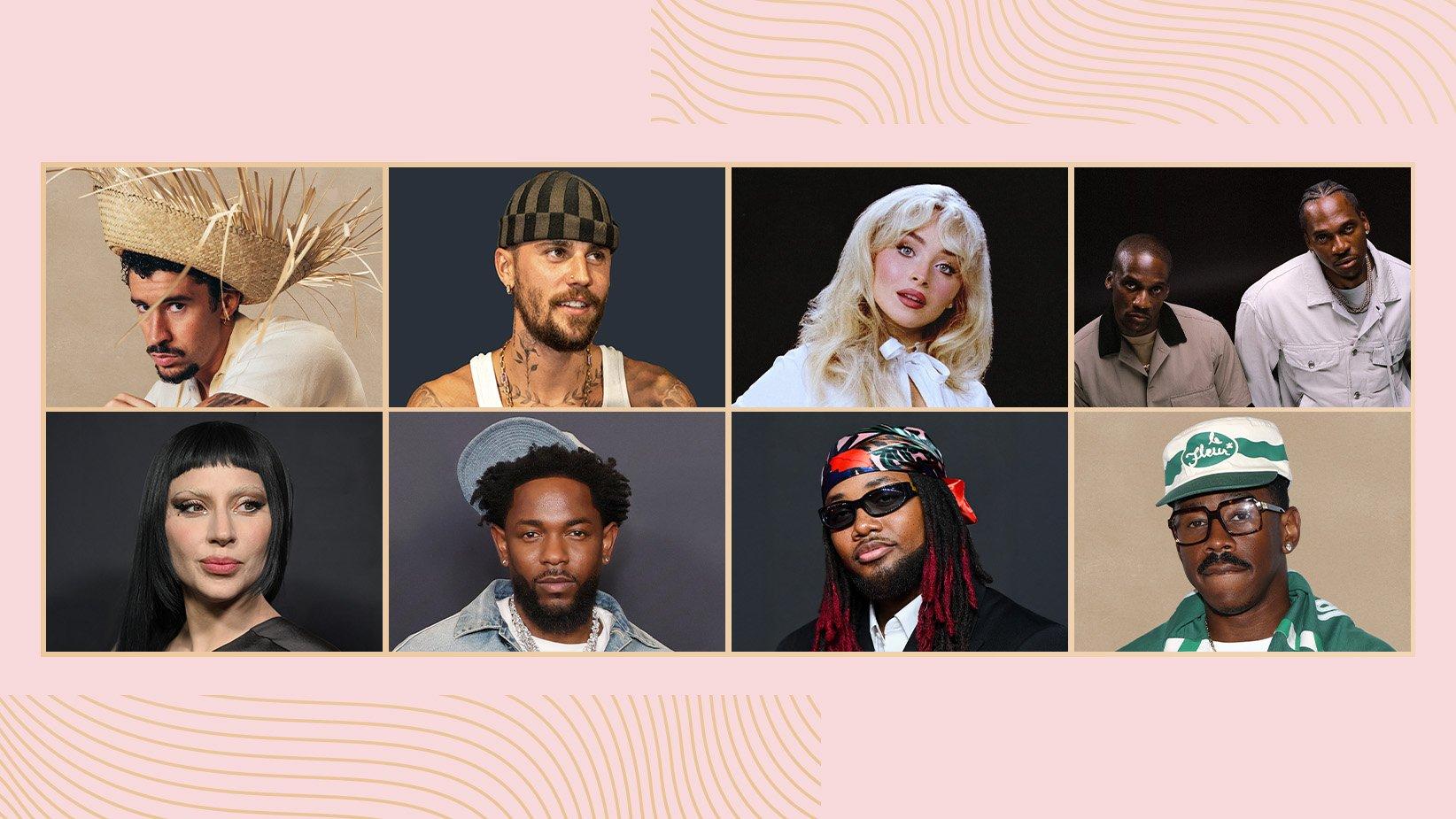
(Top) Bad Bunny, Justin Bieber, Sabrina Carpenter, Malice & Pusha T (Bottom) Lady Gaga, Kendrick Lamar, Leon Thomas, Tyler, The Creator
Photos: Eric Rojas; Cassy Athena/Getty Images; Bryce Anderson; Cian Moore; NBC/Noam Galai/NBC via Getty Images; Monica Schipper/Getty Images for The Recording Academy; Gilbert Flores/Billboard via Getty Images; Arturo Holmes/Getty Images
2026 GRAMMYS Nominations: Album Of The Year Nominees
Whoever takes home the golden gramophone will be a first-time Album Of The Year winner — whether Bad Bunny, Justin Bieber, Sabrina Carpenter, Clipse, Lady Gaga, Kendrick Lamar, Leon Thomas, or Tyler, The Creator.
GRAMMYs/Nov 7, 2025 - 04:19 pm
See the full list of winners and nominees from the 2026 Grammys.
Watch highlights and exclusive Grammys content from the 2026 Grammys all year long.
Releasing an album isn’t just about putting a set of songs out into the world.
It’s about sharing a cohesive piece of the artist’s inner world, opening a portal that anyone can enter and discover something completely new. Each LP reveals a depth of creativity and spirit that just doesn’t exist very often in everyday life. For the artist, it’s an act of transformation; for listeners, it’s an invitation into something raw and resonant, the kind of experience that can shift how we feel, how we think, how we live.
The Recording Academy is proud to present the 2026 GRAMMYS nominees for Album Of The Year: Bad Bunny, Justin Bieber, Sabrina Carpenter, Clipse, Pusha T and Malice, Lady Gaga, Kendrick Lamar, Leon Thomas, and Tyler, The Creator. Their eight LPs each brim with unparalleled artistic and technical skill.
This year’s potential winners include several previous Album Of The Year nominees who have yet to take home the award, as well as a few first time nominees. No matter who takes home the golden gramophone, the winner will be a powerful first.
Learn more about the nominees below and read the full 2026 GRAMMYS nominations list ahead of Music's Biggest Night on Sunday, Feb. 1, 2026.
Bad Bunny — DeBÍ TiRAR MáS FOToS
From his upcoming performance at the Super Bowl halftime show to yet another in a long string of genre-defining and -defying albums, Bad Bunny remains at the center of the pop conversation. With his DeBÍ TiRAR MáS FOToS, the Puerto Rican megastar returns to the Album Of The Year Category for the first time since 2023's Un Verano Sin Ti was nominated.
DeBÍ TiRAR MáS FOToS ("I Should Have Taken More Photos") immediately establishes a new, confident chapter in Bunny’s creative journey. Both a creative reset and a homecoming, this deeply Puerto Rican record holds onto its roots with a depth and sincerity that’s both personal and political.
The 17-track project finds Bad Bunny sounding grounded, reflective, and newly centered, embracing maturity without losing his edge. DeBÍ TiRAR MáS FOToS blends traditional Puerto Rican sounds — salsa, bomba, plena, and early reggaeton — into lush, forward-looking blends thanks in part to trusted collaborators such as MAG, Tainy, and La Pacienca.
A polychrome, far-reaching set, the album feels intimate even at its most extreme, weaving through love, loss, and cultural memory. But DeBÍ TiRAR MáS FOToS is more than diaristic expression; it’s a powerful outward statement and reclamation. Recorded entirely in Puerto Rico with local collaborators, it’s a proud assertion of identity and defiance. And while Bad Bunny has always been a proud proponent of Puerto Rico, its musical traditions and its people, the full-throated bravado and expression of strength on DeBÍ TiRAR MáS FOToS will make it a landmark album for the country for years to come. In returning home, Bad Bunny has crafted his most spiritually and sonically rooted work yet.
Justin Bieber — SWAG
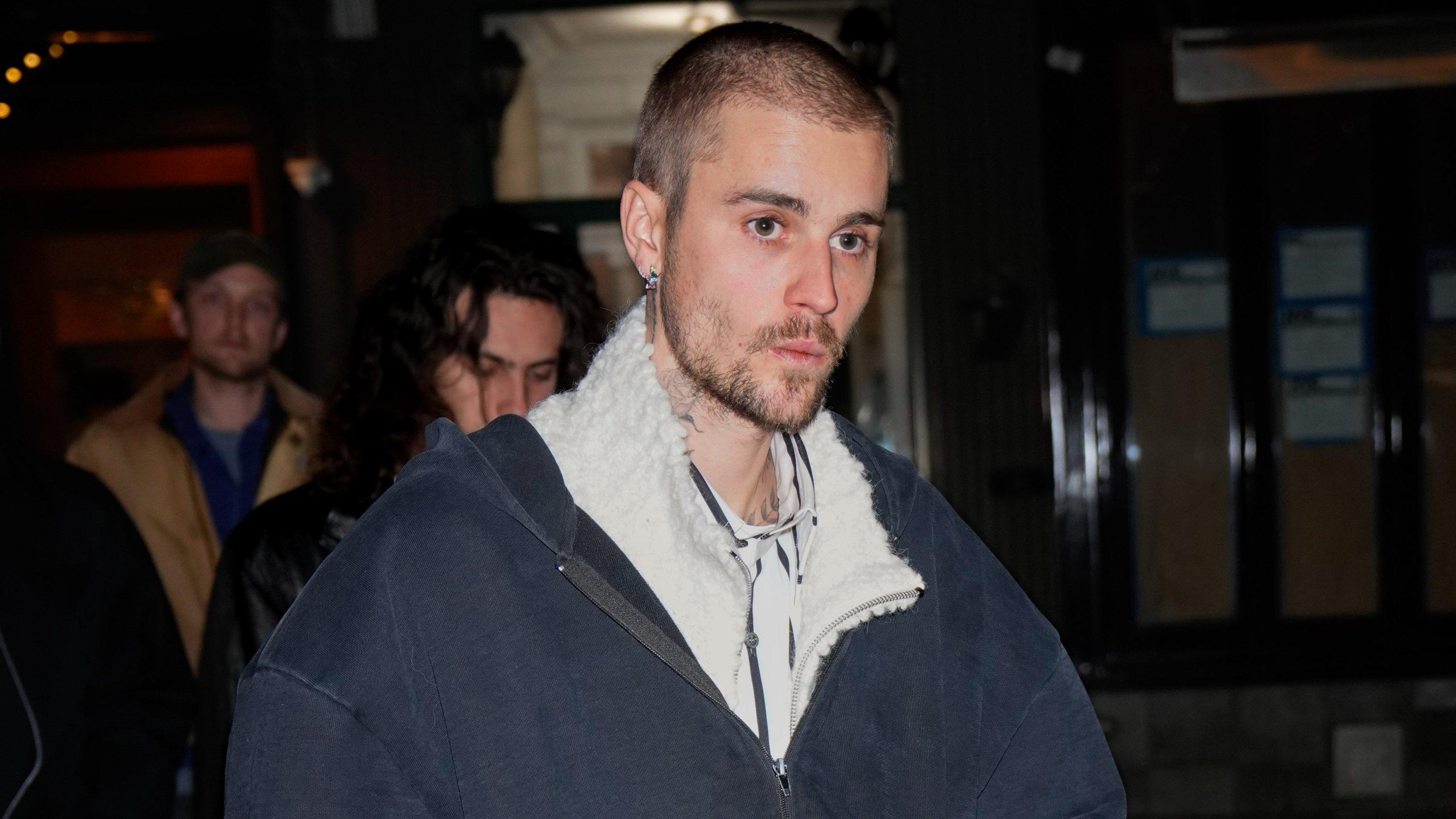
Considering he’s been entrenched in the heart of the music industry for decades, it’s tempting to think of Justin Bieber alongside a tier of aging pop stars — and by that virtue, expect him to be trying out some harebrained reinvention scheme. But in reality, he’s only recently entered his 30s, and the radiant SWAG shows that he’s still in his pop prime.
Bieber’s seventh album glides between genre touchstones without losing footing, a 20-track album equal parts confidence and confession. Featuring the likes of Gunna, Sexyy Red, and Lil B (and production assists from Dijon, Daniel Caesar, Mk.gee, and longtime collaborator Eddie Benjamin), SWAG leans into the the titular energy of hip-hop without sacrificing soul.
Throughout the mix, Bieber’s voice remains the anchor, tender when it needs to be, silky when it wants to be, and always unmistakably Biebs. Whether touching on smooth R&B, glossy pop, gospel, or even new jack swing, those vocals keep things distinctly warm and human. Tracks like "Go Baby," "Devotion" and "Yukon" are lived-in love songs that transcend cliche and shimmer with emotional clarity. Elsewhere, he plays with texture and tempo, balancing romantic sincerity with the playful energy that first made him a star.
This is Bieber's third nomination for Album Of The Year, with 2022's Justice (Triple Chucks Deluxe) his most recent run at the award. And where that record buoyed and bopped, SWAG has a smoother confidence, the work of someone at peace with their talent and looking to see where it might go next. To that end, the album represents a truly personal reset: it’s Bieber’s first since parting ways with former manager/guru Scooter Braun and his first as a new father.
About a decade and a half since his GRAMMYS debut, Bieber continues to reinvent what pop stardom looks and sounds like. SWAG proves that sometimes evolution comes down to discovering the confidence to sound exactly like yourself.
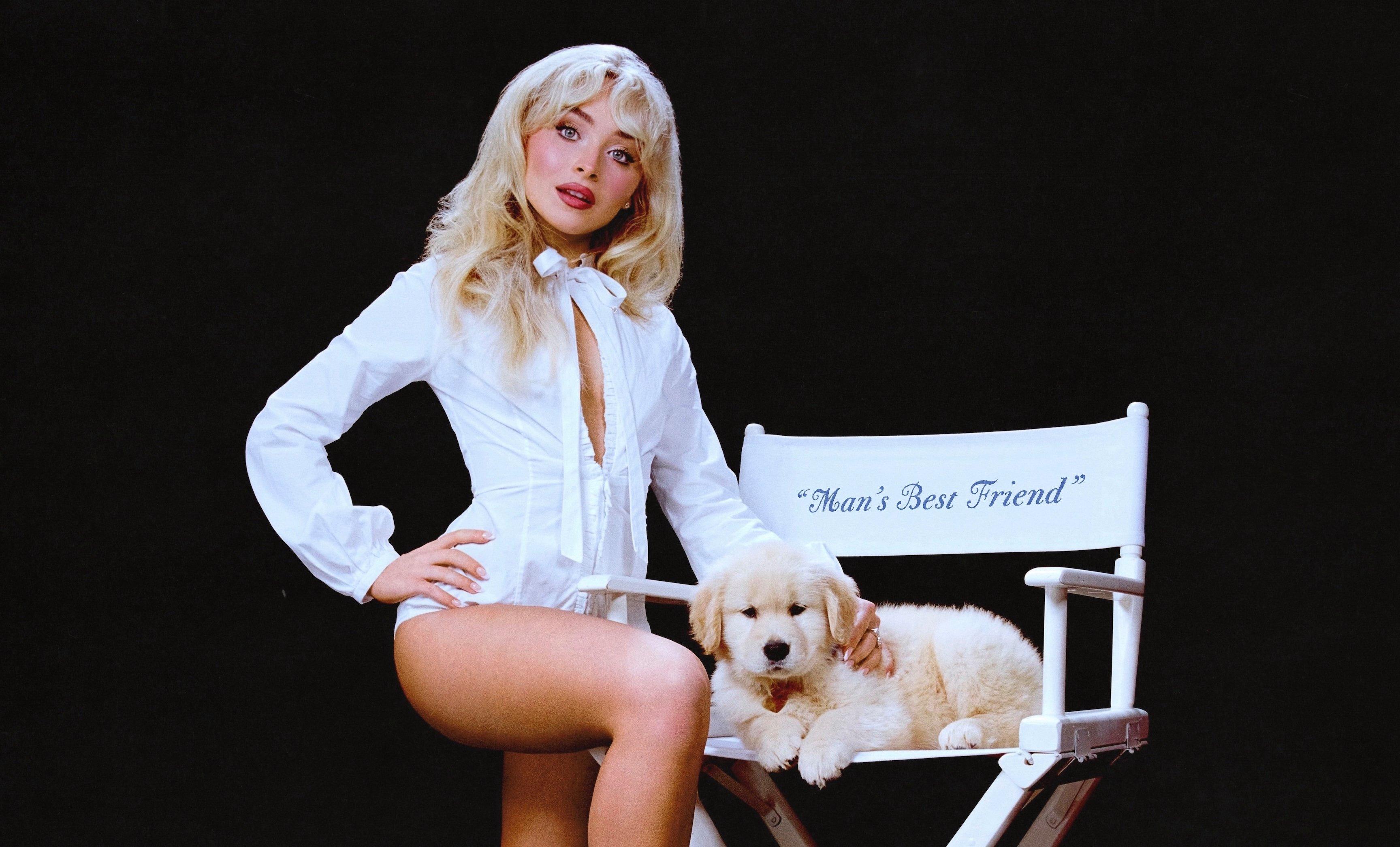
Sabrina Carpenter — Man’s Best Friend
After conquering pop with Short n’ Sweet, Sabrina Carpenter is already back for another bite. Less than a year after her GRAMMY-winning breakout, the former child star dropped Man’s Best Friend — a sharp, cheeky and emotionally unguarded follow-up that proves lightning can strike twice.
Some stars may have ridden the pop high of Short ‘n Sweet for years, so when Carpenter announced her followup it came as quite the shock. But considering the whirlwind year that accompanied its predecessor, it’s no surprise that the singer decided she had enough inspiration for new material. And despite being inspired by the hectic energy of celebrity life and a public breakup, Man’s Best Friend features an effortless energy that pulses through every synth shimmer and sly one-liner. "I felt so at ease making Man’s Best Friend," she told fans in an email about the record. "This one felt like riding a bike."
Reuniting with writer/producers Jack Antonoff, Amy Allen and John Ryan, Carpenter leans into her signature blend of flirtation and finesse. Across 12 tracks, she unpacks her emotional core with the wit of someone who’s survived love and loss and then tried again. Whether in disco dreamscape, country-pop catharsis or neon pop glow, Man’s Best Friend carries the authenticity, easy charm, and fluid energy of its creator.
The LP carries the sass and sparkle of Short n’ Sweet but balances it with a deepened vulnerability, Carpenter exploring her soft spots without losing her bite. But even at her most vulnerable, there’s always room for a punchline or jab; Carpenter remains delightfully, defiantly herself. With Man’s Best Friend, Carpenter is cementing her place as one of pop’s sharpest tongues: sassy, self-aware, and entirely unstoppable.
Clipse, Pusha T & Malice — Let God Sort Em Out
A lot has happened in the eighteen years since Clipse’s last album, but not the steely intensity of Pusha T and Malice. The brothers’ new album, Let God Sort Em Out, isn’t a reunion tour, it’s a fiery exclamation point reinforcing their place as rap royalty.
Nearly two decades after Til the Casket Drops, Clipse returned to their throne, supported once again by longtime collaborator Pharrell Williams. The result is an uncompromising masterclass that reasserts Clipse’s dominance while peeling back the mask on fame, faith and grief.
Over Pharrell’s stripped-down, diamond-edged production, Clipse show no sign of rust or reunion cash-grab laziness. The album opens with a gut-punch meditation on the loss of their parents and explodes outward, building from a confessional platform to the coke rap bravado that made them legends.
From there, it’s all fire and precision, Pusha and Malice delivering bars with iron fists while Pharrell balances Hell Hath No Fury minimalism with his trademark cinematic flair. Not to mention, the guest list is absolutely stacked, with spots from John Legend, Kendrick Lamar, Nas, The-Dream, and Tyler, The Creator, among others
Let God Sort Em Out proves no one delivers truths quite like Clipse. An Album Of The Year GRAMMYS nomination further establishes their status as one of rap's most incisive acts.
Lady Gaga — MAYHEM
Seven official studio records in, Lady Gaga is still finding ways to bring massive ideas and expression into the pop sphere. Yet MAYHEM works in a controlled chaos unlike anything else in Gaga's catalog. With four Album Of The Year nominations under her belt, the Little Monsters are hoping that MAYHEM will add to her impressive 14 GRAMMYS wins.
MAYHEM shows Gaga deftly wrangling sonic chaos that would fell a lesser artist: She maintains a strong hold on her pop roots, while incorporating dance-floor and disco experimentation of her previous releases. She added that the record is an "integration of who I am in real life and who I am on stage, and how I really started to celebrate bringing those two things together." Rather than characters, MAYHEM feels like a team of Gagas inhabiting the same space, each true and tied to her heart while retaining the frenetic energy of her performative style. The fashion choices surrounding MAYHEM reflected Gaga's harnessing of her varied parts, with the usually color-blasted pop star donning asymmetrical black.
MAYHEM is also a showcase of Gaga’s collaborative alchemy. Her fiancé, Michael Polansky, is listed as an executive producer, while high-profile board whisperers like D'Mile, Andrew Watt, and Cirkut join in the fun. Add to that features from Bruno Mars and Gesaffelstein and you get an album that unites past, present, and future across an impressive 53-minute run-time. Balancing intimate balladry, playful provocation, and electrifying theatrics, MAYHEM celebrates every Gaga out there, both within herself and her listeners.
Kendrick Lamar — GNX
Few people in history have had as good a time at the GRAMMYS as Kendrick Lamar did just last year, with "Not Like Us" netting five golden gramophones. That brought his career total to 22. And now with GNX, surprise-released as 2024 drew to a close, Kenny may already be on the way to growing that total.
The followup to the superb Mr. Morale & the Big Steppers, GNX takes its name from a car model akin to the one that Lamar's father drove when the rapper was a baby. Equally telling, GNX is the first album released by pgLang, the company Lamar founded, without collaboration from his former label home TDE. All said, GNX moves from the outward-pointing Drake feud energy of "Not Like Us" and back into the soul of its author.
GNX isn't without its nimble daggers, finding all the right words to cut at competitors and boast of his superiority. And with the old-school swagger, iconic bars, and expressive production, that superiority feels earned. Lamar also brings along a crew of features from around his Compton home, most notably SZA, Roddy Ricch, and Lefty Gunplay. Production comes courtesy of Sounwave, Kamasi Washington, and even Jack Antonoff. Whether pushing g-funk-indebted synths or more Mustard-y string section goodness, GNX is a celebration, a victory lap, a next step forward, and a building block for even greater things to come.
Leon Thomas — MUTT
No one could have scripted the route that took Leon Thomas to this an Album Of The Year nomination. But after years of shining in whatever project he happens to be in — whether on Broadway, kids' sitcoms, animation or music — Leon Thomas fully stepped into the spotlight with MUTT. His second solo album, MUTT is a bold declaration of artistic autonomy.
After a childhood career in Broadway and Nickelodeon, Thomas announced his foray into solo musicianship in 2012, releasing a promising mixtape that also featured former co-star Ariana Grande. In the years that followed, he amassed a catalog of writing and production credits with Freddie Gibbs, Post Malone, Rich the Kid, Jack Harlow, SZA, Drake, and many more. But Thomas deftly tackled transitioning from in-demand producer back to headlining artist, with MUTT's title track dominating charts.
An impressively cohesive and confident record, MUTT is a fusion of jazz, neo-soul, and rock, rooted in Thomas’ lifelong influences: a wide range from Art Blakey and Miles Davis, to Black Sabbath and Led Zeppelin. Across 14 tracks, Thomas blends lush instrumentation and stacked vocals to forge a sound that’s both expansive and intimate. More broadly, MUTT represents the artist’s journey of embracing creative control, breaking genre rules, and owning the narrative of his career.
While Thomas entered the year with a GRAMMY under his belt for his work on SZA's "Snooze," the 2026 GRAMMYS could fully ensconce Thomas as a star in his own right as an R&B visionary capable of rich, genre-defying statements.
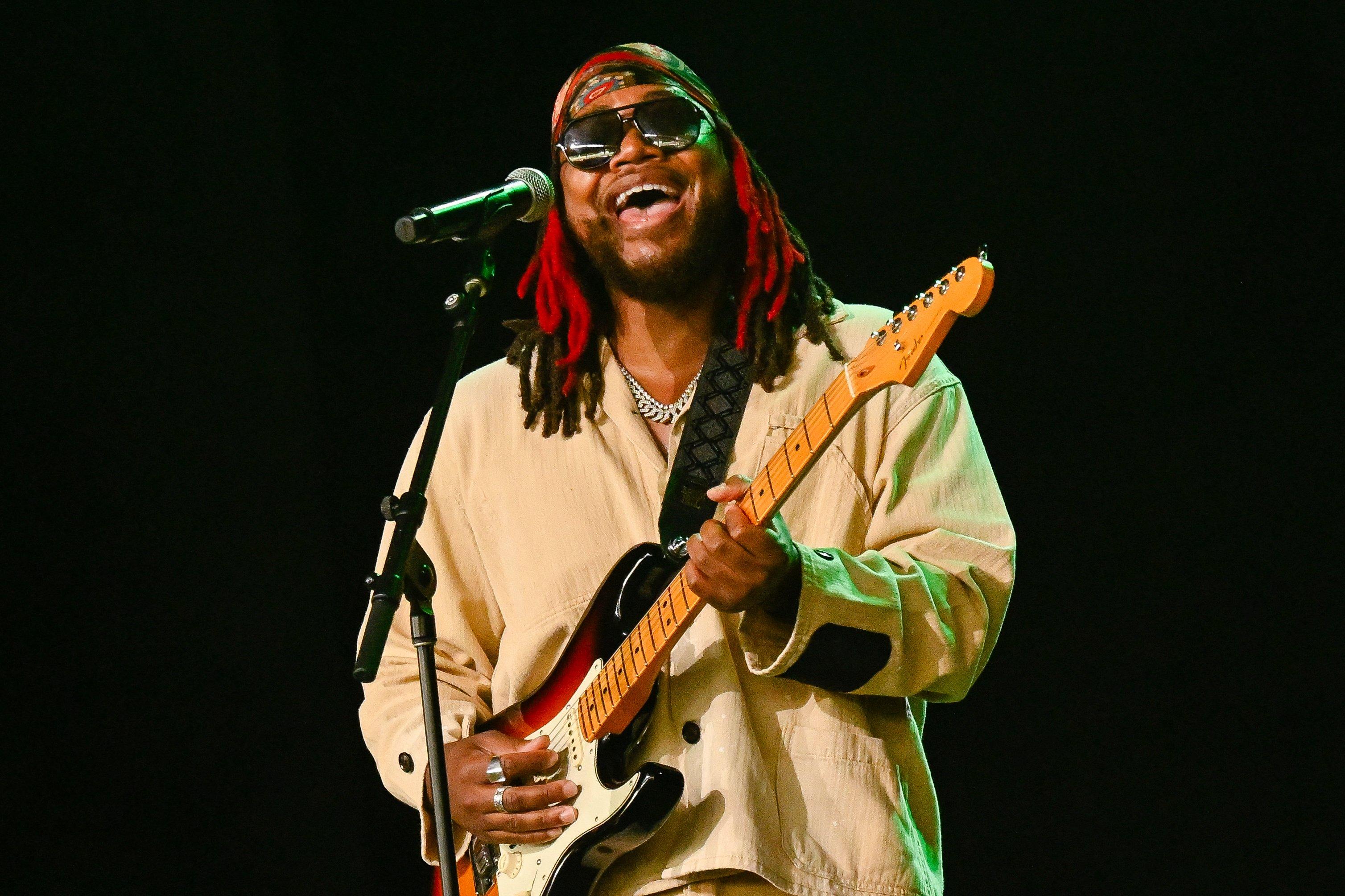
Tyler, the Creator — Chromakopia
After entering the public consciousness with the reputation of a button-pushing outsider, Tyler, the Creator has truly blossomed into one of the most unique voices in rap — including Best Rap Album wins for both 2019's Igor and 2021's Call Me If You Get Lost. His Album Of The Year nomination for the hypercharged Chromakopia further solidifies Tyler's ascendancy as hip-hop royalty.
Chromakopia is propelled by self-scouring lyricism, with Tyler revealing emotional depths that so many others are afraid to face — let alone expose to the world. It takes a special kind of artist to do a self-diss track, after all. Throughout the album, Tyler, the Creator and Tyler Okonma (his government name) seem to be in fluid conversation, with Tyler's mother, Bonita Smith, offering diaristic narration. A blend of jazz and soul stylings lends an added dimensionality to that exploration, Tyler knowing when to push thoughtful calm and when to ramp up the intensity.
While Tyler naturally remains the center of the conversation, he brings together an impressive guest list including GloRilla, Doechii, Lil Wayne, Schoolboy Q, and Sexxy Red. Tyler masterfully brings those big personalities together in his own narrative, turning them into a cohesive chorus in support of his vision.
If Tyler's early days were highlighted by controversial aggression and the second era of his life was headlined by wild-eyed, technicolor emotionality, Chromakopia signifies a more precise, introspective take — though, of course, without losing an ounce of the razor-sharp lyricism. It’s tempting to say this isn’t the same Tyler of Odd Future, but the beauty of Chromakopia comes in showing the many facets of Tyler’s brain, coexisting under the microscope.