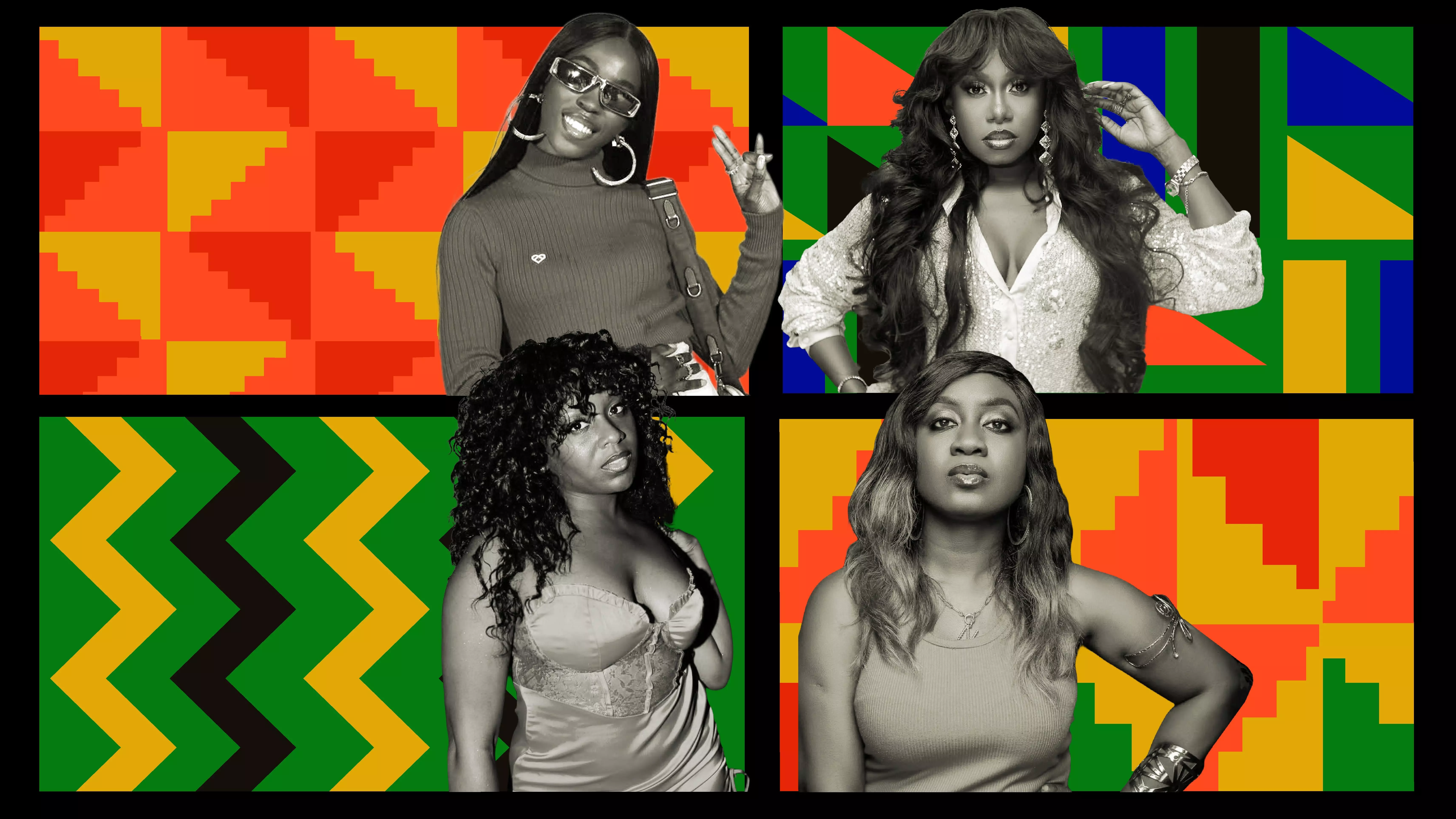
Photos: Blaq; Jibril Jallow; Malwandla Rikhotso; Mishaal Gangaram; Malwandla Rikhotso; Minenhle Nene
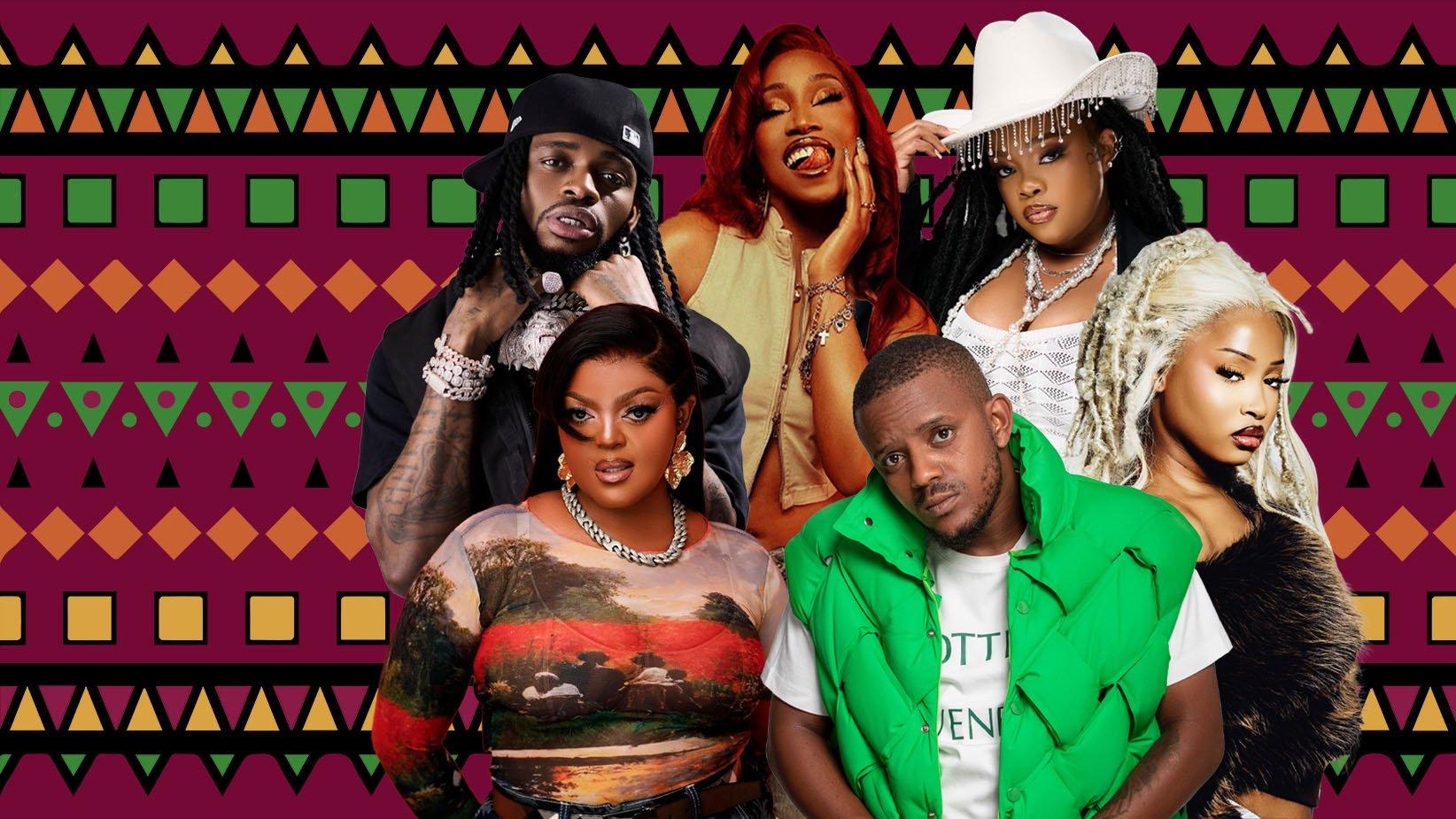
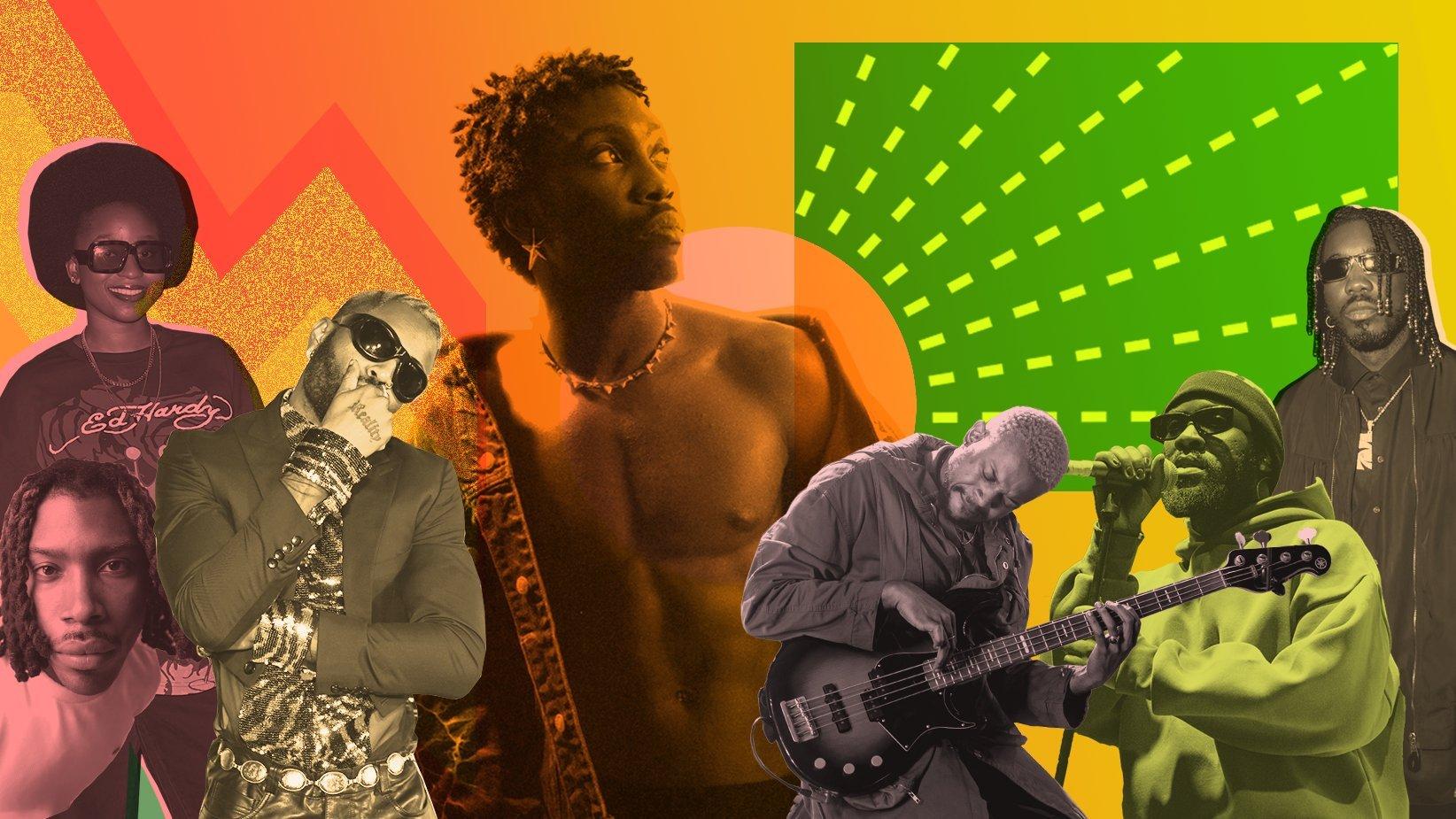
(Clockwise from left) Diamond Platnumz, Nqobilé Danseur, Boohle, Uncle Waffles, Kabza De Small, DBN Gogo
Amapiano's Decade-Long Journey To Global Dominance: The Sound Redefining Club Music Worldwide
Amapiano may have started in the townships of South Africa, but it didn’t stay there. Amapiano artists Kabza De Small, Uncle Waffles, DBN Gogo, and others detail how the genre went from the underground to the GRAMMY stage and beyond.
GRAMMYs/Sep 13, 2024 - 01:55 pm
At nightclubs in Tokyo, New York and beyond, pulsing through the speakers at major European music festivals, and even in Hollywood blockbusters, one sound has been steadily taking over: amapiano.
The South African genre, with a blend of deep house, jazz, lounge and local musical styles, has captivated the world, generating billions of views on social media and sparking a cultural phenomenon that shows no signs of slowing down. On TikTok alone, the #Amapiano hashtag has amassed over 10 billion views, a testament to its global reach and popularity.
Characterized by velvety, hypnotic grooves, piano melodies, deep basslines, and smooth percussive rhythms, amapiano was born in the townships of Gauteng Province — particularly in cities like Pretoria and Johannesburg — in the mid-2010s. Slower than the average club track, amapiano songs often live between 110 and 120 bpm. The genre's rise to global dominance is a testament to the power of grassroots creativity and digital connectivity.
Fast-forward to February 2024, and South African singer Tyla took home the inaugural golden gramophone for Best African Music Performance at the 2024 GRAMMYs. Beyond Music's Biggest Night, Tyla's amapiano-infused Afropop hit "Water" topped the Billboard U.S. Afrobeats Songs and Hip-Hop/R&B charts, and became the first African song to enter the Billboard Hot 100 since 1968. The "Water" dance challenge on TikTok — created by Tyla’s choreographer, Litchi — also widely pushed the song.
Tyla isn't alone in pushing the genre's popularity. Interest in amapiano has been propelled by social media and streaming platforms. According to Spotify data, the genre garnered its first 100 million streams in 2020; by mid-2024 the platform reported 855 million streams of amapiano songs. Between 2014 and 2024, there has been a 153 percent growth in international exposure to the genre.
While Tyla’s win at the GRAMMYs and in wider culture affirms the genre’s solid footing in the global music scene, amapiano’s popularity is the result of a decade-long journey.
The Birth Of A Movement
While the birth of amapiano is generally pegged to 2014, there’s no specific event or single person that can be credited with its uprising. Amapiano's origins were humble but innovative, distinguished by its inclusivity and collaboration — factors that are likely the result of the fluidity with which the genre emerged.
Young, aspiring producers in South African townships used affordable personal computers and free music production software to blend globally-influenced sounds such as deep house and jazz with kwaito — a distinctly South African genre. True to the collaborative nature of the genre's origins, an amapiano song can have six to 10 collaborators (sometimes more); the result is a blend of carefully curated voices, notes, and themes that captivates listeners far beyond its birthplace.
Kabza De Small began his career in 2009 and broke through on the continent with his 2016 album Avenue Sounds. Today, he's hailed as the "King of Amapiano" by media, fans and industry peers. "Amapiano is considered a raw, rough sound. To see people globally dancing and participating in TikTok challenges is thrilling," he tells GRAMMY.com, reflecting on amapiano's unique sound and present-day virality.
This rawness is largely reflected in the genre’s production, which often strips down tracks to their bare essentials. Repetitive beats and bass often contribute to amapiano's "rough" aspect, making it feel more direct and visceral. Soulful melodies float over that heavy bass and percussion, and catchy vocal hooks balance the raw beats underneath.
Amapiano’s collaborative nature has been crucial to its development. Kabza De Small shouts out pioneering producer, singer and songwriter, Mdu aka TRP. "Not a lot of people know that he basically founded the log drum sound that is so essential and distinct" to amapiano, De Small says. In amapiano, the "log drum" isn't an actual instrument but a distinct, synthesized bass sound that captures the deep, resonant tones of a traditional log drum. This signature sound has become a cornerstone of amapiano's unique and captivating vibe.
Cultural authenticity has been a key factor in the sound's appeal. It's not just a genre of music, but a representation of South African identity and expression. The name itself came from the Zulu language, which is the word for "pianos."
By 2016, amapiano was still finding its ground, with local DJs and producers refining its signature elements.
Learn more: 11 Women Pushing Amapiano To Global Heights: Uncle Waffles, Nkosazana Daughter, & More
A significant milestone was achieved in 2017 when De Mogul SA's "Oe Batla Kae" became one of the first amapiano tracks to achieve commercial success. The tune got the artist booked for local shows, effectively paving the way for other amapiano songs. In 2018, "Umshove" by Kabza De Small feat. Leehleza showcased a more refined amapiano sound, highlighting elements that "Oe Batla Kae" lacked — particularly the log drum.
2019 was a defining year for amapiano, as songs like "Labantwana Ama Uber" by Semi Tee (feat. Kammu Dee and Miano), "Vula Vala" by DJ Maphorisa and Kabza De Small (feat. Nokwazi and Vigro Deep), and "Kokota Piano" by Kaygee Daking and Bizizi further left the underground. Amapiano could be heard on television and radio, in clubs, and across social media, effectively making the above songs anthems throughout South Africa.
As the sound began to spread nationally, it carried with it the stories, language, and rhythms of its birthplace, creating a strong connection with listeners across the country.
As the world grappled with COVID-related lockdowns in 2020 and 2021, danceable amapiano songs such as DBN Gogo and Musa Keys' "Possible," Focalistic's "Ke Star" feat. Vigro Deep, and "Emcimbini" by Kabza De Small and others provided a much-needed escape. With more time spent online during the pandemic, the genre was simultaneously making its way into social media globally, with a variety of TikTok dance challenges bringing additional listeners to the genre.
International collaborations further catapulted amapiano onto the world stage. In 2022, Nigerian crooner CKay collaborated with Davido and Focalistic on "Watawi", a notably huge Afropiano song. On YouTube, the songs performed quite well, with "Woza" by South African artists Mr JazziQ, Kabza De Small and Lady Du featuring Boohle hitting 21 million views. "Mang’Dakiwe" by DJ Obza featuring Leon Lee hit 17 million views. The remix, done in collaboration with Tanzanian bongo artist Harmonize garnered 29 million views.
By 2023, the amapiano sound was now mature and definitive, with all of its key elements together. Over the next few years, amapiano sounds would be incorporated with genres from other countries to great effect.
Zimbabwean amapiano vocalist Sha Sha's "Tender Love" feat. DJ Maphorisa and Kabza De Small garnered more than 15 million views on YouTube. The popular release showcased her impeccable vocal range and denoted that amapiano was now being done by artists beyond South Africa. For her efforts, Sha Sha took home the Viewer’s Choice Best New International Act award at the 2020 BET Awards. Her win on an international platform signaled amapiano's arrival on the global music scene and opened doors for more artists to gain international exposure.
Simultaneously, awards for and documentation of amapiano within South Africa pushed the movement even further. In 2021, the South Africa Amapiano Music Awards were launched and exclusively dedicated to the genre. The inaugural Best Amapiano Album Of The Year Award was given to De Mthuda for Ace of Spades.
Uncle Waffles, whose electrifying DJ sets have made her a symbol of the genre's youthful exuberance, marvels at this global embrace. "It's amazing to see the world embrace a new sound," she tells GRAMMY.com. "Seeing people dancing and singing to the songs never fails to stun me."
Amapiano artists including Uncle Waffles, DBN Gogo, and Major League Djz have performed on a variety of global stages, from AfroNation's Portugal and Miami events to Coachella and London's O2 Arena. Tyla has performed at the BET Awards, the 2024 Olympics and the Cannes Lions Festival 2024.
Amapiano has become a cultural ambassador, allowing artists in the diaspora to connect with their roots while introducing the sound to new audiences.
Amapiano singer Nqobilé Danseur, who grew up in South Africa before moving to the UK at age 12, tells GRAMMY.com that "amapiano is deeply personal to me as it embodies my South African heritage and journey. Growing up in South Africa, kwaito was the soundtrack to our lives."
The genre's authentic DNA has allowed artists to explore new territories, both geographically and creatively. Nqobilé recounted her 2022 single "Shake" featuring Xavier being played during a carnival party in New York, and how the crowd's engagement reflected amapiano's ability to transcend cultural and physical boundaries.
Singer/songwriter Boohle, who transitioned from gospel and Afropop to amapiano, has toured Dubai, Amsterdam, and many African countries. "Seeing cultures and backgrounds unite over the music we make is something else. I would call it God's plan," she tells GRAMMY.com.
This international appeal has seen the rise of crossover subgenres such as Afropiano (Nigeria), bongopiano (Tanzania), Gqom 2.0 (South Africa), and bique (Mozambique). Afropiano tracks have garnered hundreds of millions of views on YouTube as of 2024. Among the largest hits are Kizz Daniel and Tekno's "Buga," Spyro's "Who is Your Guy" remix feat. Tiwa Savage, and "Unavailable" by Davido feat. Musa Keys.
Diamond Platnumz, a Tanzanian bongo artist, is a prolific contributor to the amapiano genre. "Tanzania has a very close relationship with South Africa from years back established with our forefathers," he says, adding that he also has family in South Africa. "I spend a lot of time there between business and family obligations. It was a natural thing for me as a creative to infuse what I was hearing on the ground in SA with what we are accustomed to in Tanzania."
Platnumz's amapiano catalog is impressive, with songs such as "Iyo", "Shu!", and "Nitongoze." He has collaborated with the genre’s heavyweights including rapper Focalistic, choir Mapara A Jazz, and the late Costa Tich. His 2024 amapiano single "Komasava" remix is an international collaboration that featured Khalil Harrison, Chley, and Jason Derulo.
The track, rich in amapiano beats, layered with modern pop elements, and Zulu, Xhosa, French and Swahili lyrics, exemplifies how the genre has become a bridge between artists from different parts of the world.
As amapiano spread globally, it began to influence fashion, dance, and broader culture.
The genre's success has also opened doors for African artists to venture into arenas outside of performing music. Kabza De Small created PianoHub, a record label which houses South African amapiano artists including Young Stunna, Mdu aka TRP, Nkulee & Skroef28, Deeper Phil, Masterpiece TVK, and Stakev. De Small added that he plans to open a venue called Piano Hub Soweto — another example of how amapiano has created economic opportunities and fostered community development.
DBN Gogo echoes this sentiment, adding that amapiano has broadened the horizons for many in the industry. "Outside of music, I think my team and I have been grateful for the opportunity to travel and see the world," she says. "Whenever we do have the opportunity we take time in different countries to immerse ourselves in the dance culture there. Amapiano has done so much in giving us and many others the chance to represent South Africa and the genre worldwide."
The success of amapiano has boosted Nqobilé Danseur's confidence, affirming her authenticity and driving her to release music consistently. Diamond Platnumz adds that he has become more aware through his involvement with amapiano, making his life's purpose even more meaningful. This July, DBN Gogo became the first amapiano DJ to perform at Belgium's Tomorrowland festival.
Even Beyoncé has taken notice: Uncle Waffles' debut single "Tanzania" was featured during a dance break on the European leg of the Renaissance World Tour.
As amapiano enters its second decade, its influence shows no signs of waning. The genre continues to evolve, with artists experimenting with new sounds and collaborations that push its boundaries.
Going forward, listeners can expect to see amapiano artists continuing to team up with global stars, experimenting with sounds that cross genre boundaries, from Afrobeats to electronic dance.
In October 2023, DBN Gogo collaborated with veteran Italian EDM DJ and producer Benny Benassi on a track titled "SAdesFakSHen." In June 2024, Chris Brown released "Hmmm," an Afropiano song featuring Davido. The song, which is part of his 11:11 album now has over 14 million views on YouTube by the time of this publication. Previously, Chris Brown appeared on the "Monalisa" remix, an Afropiano hit by Nigerian singer Lojay and producer Sarz.
"Tshwala Bam" by TitoM and Yuppe is another 2024 amapiano hit that saw Burna Boy jump on a remix. The song spawned a massive TikTok challenge, which got Tyla dancing with famed streamer Kai Cenat, while Khabi Lame joined in on the challenge, and Jason Derulo collaborated with popular twins Laurent and Larry Bourgeois on the dance.
Despite its success, amapiano faces challenges as it continues to grow. Maintaining its cultural authenticity while appealing to a global audience is a delicate balance. There's also the question of how to ensure that the pioneers and grassroots creators of the genre continue to benefit from its global success.
Boohle envisions a bright future for the genre. "Seeing the world jamming to amapiano is a dream come true for me as a young musician in South Africa," she says. "Remember, we come from a background of apartheid and oppression. Seeing cultures and backgrounds unite over the music we make is something else."
The story of amapiano is still being written, with each new release, collaboration, and dance challenge adding a new chapter to this remarkable musical journey. As it continues to evolve and inspire, one thing is certain: The amapiano revolution is far from over – it's just getting started.
Latest News & Exclusive Videos

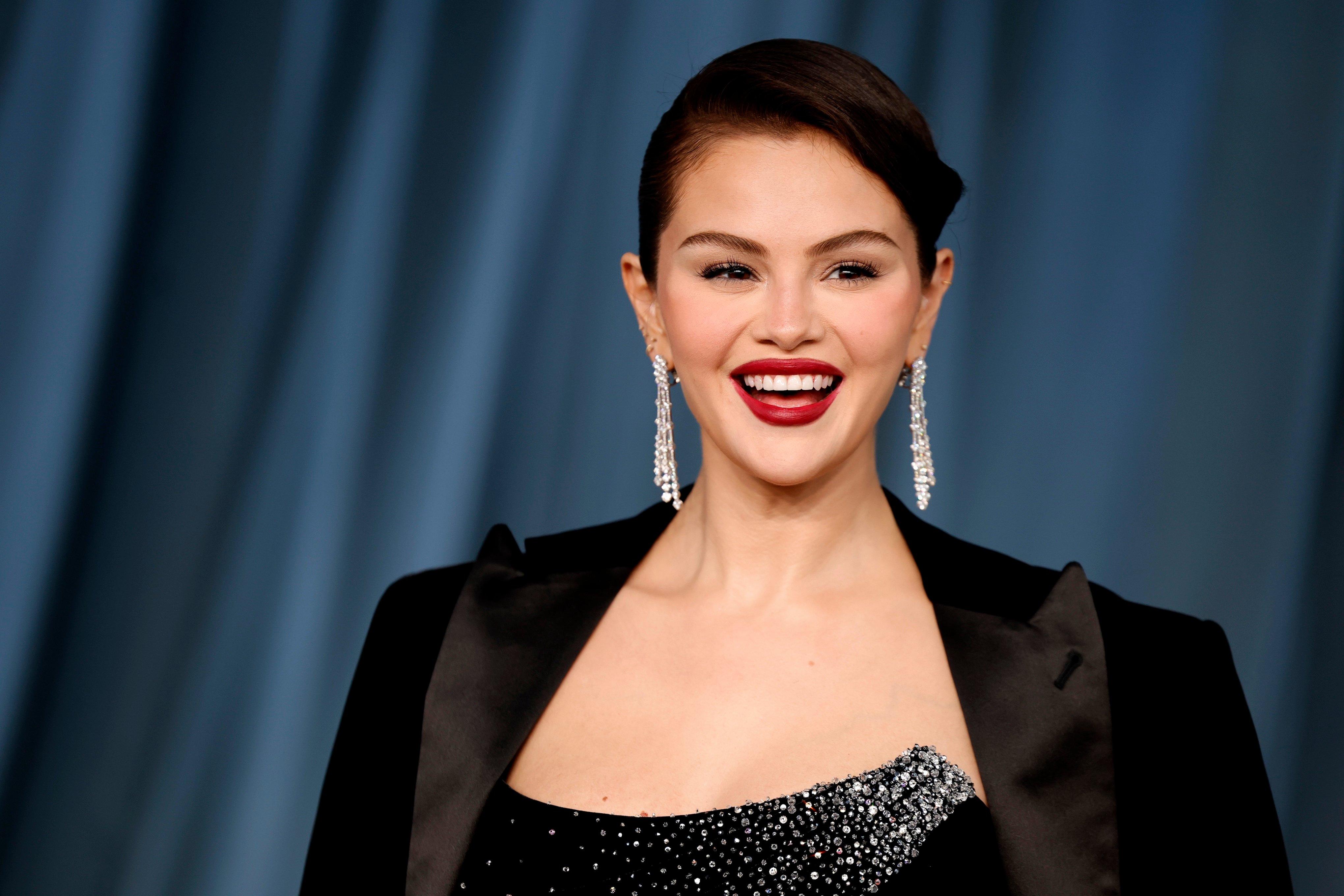
Selena Gomez at the 2025 Academy Museum Gala.
Photo: Frazer Harrison/WireImage
New Music Friday: Listen To Releases By Selena Gomez, LE SSERAFIM & j-hope, Megan Thee Stallion And More
From new albums by Brandi Carlile and Queen Naija to fresh singles by Tyla and The Neighbourhood, dig into some of the big-time releases out this week.
GRAMMYs/Oct 24, 2025 - 04:30 pm
Apparently fall is actually a time of renewal because this week's batch of new music is filled with plenty of unexpected comebacks, surprise singles and welcome collaborations.
Lily Allen makes a surprise return with West End Girl, BOYNEXTDOOR delivers THE ACTION, Odunsi (The Engine) shushes the crowd with SHHH and Taylor Acorn makes her claim as the Poster Child for the ongoing pop-punk revival. Plus, Natalie Jane faces the world I didn't want, Adam Mac puts on a Southern Spectacle and Sigrid promises There's Always More That I Could Say.
Elsewhere, Imogen Heap unveils the title track for her forthcoming album I AM___, Tainy and Feid reunite for "MONSTRUO," Polo G looks for "Quality Over Quantity," Foo Fighters are "Asking For A Friend," The Chainsmokers offer "The Cure," Chet Faker drops "This Time For Real," and Edgehill spends "17 Hours" on their new single. Other new songs out this week include Tigerlily Gold's "Mess Out of Me," Kashus Culpepper's "Mean To Me" and Vincent Mason's "Little Miss."
Meanwhile, mgk has spent the week dropping bonus tracks from his 2020 album, Tickets to My Downfall, and The Click Five take fans back to the Y2K glory days of mix CDs and "TRL" with "Throwback," their first new single in 14 years.
Below, press play on 10 other new releases worth checking out, including new singles from Selena Gomez, LE SSERAFIM and j-hope and Megan Thee Stallion.
Selena Gomez — "In The Dark"
On Oct. 23, Selena Gomez dropped a surprise on her millions of fans in the form of "In The Dark," her first solo single since the infectious 2024 one-off "Love On." The dance floor-ready jam features on the official soundtrack for Season 2 of Netflix's "Nobody Wants This," and the accompanying music video gives the superstar a welcome opportunity to revisit shades of her 2015 album Revival with its visual aesthetic.
LE SSERAFIM — SPAGHETTI
Eat it up! LE SSERAFIM are feasting on "SPAGHETTI" thanks to their brand-new collaboration with j-hope of BTS. The track's music video finds the K-pop girl group nailing their choreography on, that's right, a giant plate of pasta before Hobi takes over for a deliciously swaggering rap interlude.
On the accompanying single album, the quintet serve up the single in many different forms, including the original version, an English-language version and a solo version featuring just the five members sans j-hope, as well as bonus B-side "Pearlies (My oyster is the world)."
Watch: LE SSERAFIM Spends A "Perfect Night" With Fans On The GRAMMY Museum Stage | Global Spin Live
Megan Thee Stallion — "Lover Girl"
Attention Hotties, Megan Thee Stallion is in love! On her new single, the three-time GRAMMY-winning rapper is a bonafide "Lover Girl" and not afraid to show it off. Likely inspired by her budding relationship with NBA star Klay Thompson — who featured in teasers for the song posted to Megan's social media — the self-described "freaky girl" gets gleefully raunchy about her newfound romance over a pitch-perfect sample of Total's 1996 hit "Kissin' You."
Read More: Black Sounds Beautiful: How Megan Thee Stallion Turned Viral Fame Into A GRAMMY-Winning Rap Career
Mumford & Sons feat. Hozier — "Rubber Band Man"
For their new single, "Rubber Band Man," Mumford & Sons teamed up with none other than Hozier for a growling, folk rock duet of epic proportions. In the song's music video, the British GRAMMY winners and the Irish troubadour perform together in moody grayscale, wailing, "You're a world away, but you're still the same/ I know you by your heart and I will call you by your name/ And it's a long way from the crack to the break/ You know that I remember everything."
Brandi Carlile — Returning to Myself
Brandi Carlile's acclaimed career comes full circle on her eighth album, Returning to Myself. The project marks the 11-time GRAMMY winner's first solo project since 2021's In These Silent Days, which took home the golden gramophone for Best Americana Album in 2023.
Across the studio set's taut 10-song tracklist, the singer/songwriter does a whole lot of self-reflecting on the title track, turns up the amps on "Church and State" and pays loving tribute to the great Joni Mitchell on the titular "Joni."
Queen Naija — 30.
Queen Naija enters a new decade as well as a new musical era on her EP 30. The R&B songstress was determined to showcase her growth across the eight-track project. "I feel like 30. is just me walking into my thirties," she said in a press statement about the release. "I've felt my brain make this switch that I never thought—or I never knew — could happen. I've grown so much, and I've learned so many different things."
Read More: 10 R&B Artists On The Rise: Destin Conrad, Leon Thomas III, Dijon, Laila!, SAILORR & More
Alexandra Kay — Second Wind
Alexandra Kay's quickly rising career continues to gain momentum with the release of her sophomore album, Second Wind. Arriving two years after her post-divorce debut, 2023's All I've Ever Known, the new studio set finds the country singer in a happier, more peaceful place through standout singles like "Feminine Energy," "Cupid's A Cowgirl" and "The Last." Meanwhile, Kay takes a cheater to task on "Big Boy Boots" and proudly asserts her reinvention on "Old Me."
Read More: 14 Rising Country Stars To Know Now: Hudson Westbrook, Elizabeth Nichols, Ole 60 & More
The Neighbourhood — "Private" / "OMG" / "Lovebomb"
Nearly four years since The Neighbourhood announced they were taking an indefinite hiatus in early 2022, the band is primed and ready to kick off a new era. They're tripling down on their comeback by releasing a trio of singles: the pulsating "Private," the fuzzed out "OMG" and midtempo confession "Lovebomb." The three singles also arrive alongside an announcement sure to thrill fans of the West Coast alt rockers even more — Jesse Rutherford and co. will be unveiling their long-awaited fifth album, titled (((((ultraSOUND))))), on Nov. 14.
Tyla — "CHANEL"
Tyla wants to be dripping in "CHANEL" on her latest single of 2025. In the song's accompanying video, the groundbreaking, first-ever GRAMMY winner for Best African Music Performance wields a tiny, gold-plated pistol straight at the camera as she demands, "How you say you love me?/ You ain't put me in Chanel." Referring to herself as a "flawless diamond piece," the African singer later adds, "I'm a big dog, baby, underdog, baby/ Self-made b—h, yeah, you can upgrade me/ Waistline crazy, mandem chase me/ Say you wan' see me, where you gon' take me?"
Mac Miller — GO:OD AM (10th Anniversary)
It's been seven years since Mac Miller's tragic passing, and fans have one more way to honor the late rapper's legacy thanks to the 10-year anniversary rerelease of his major label debut, 2015's GO:OD AM. Along with singles "100 Grandkids" and "Weekend," the reissue features three new, previously unreleased tracks including Vinny Radio collab "Royal Flush," "Cable Box" and "Carpe Diem."
Latest News & Exclusive Videos
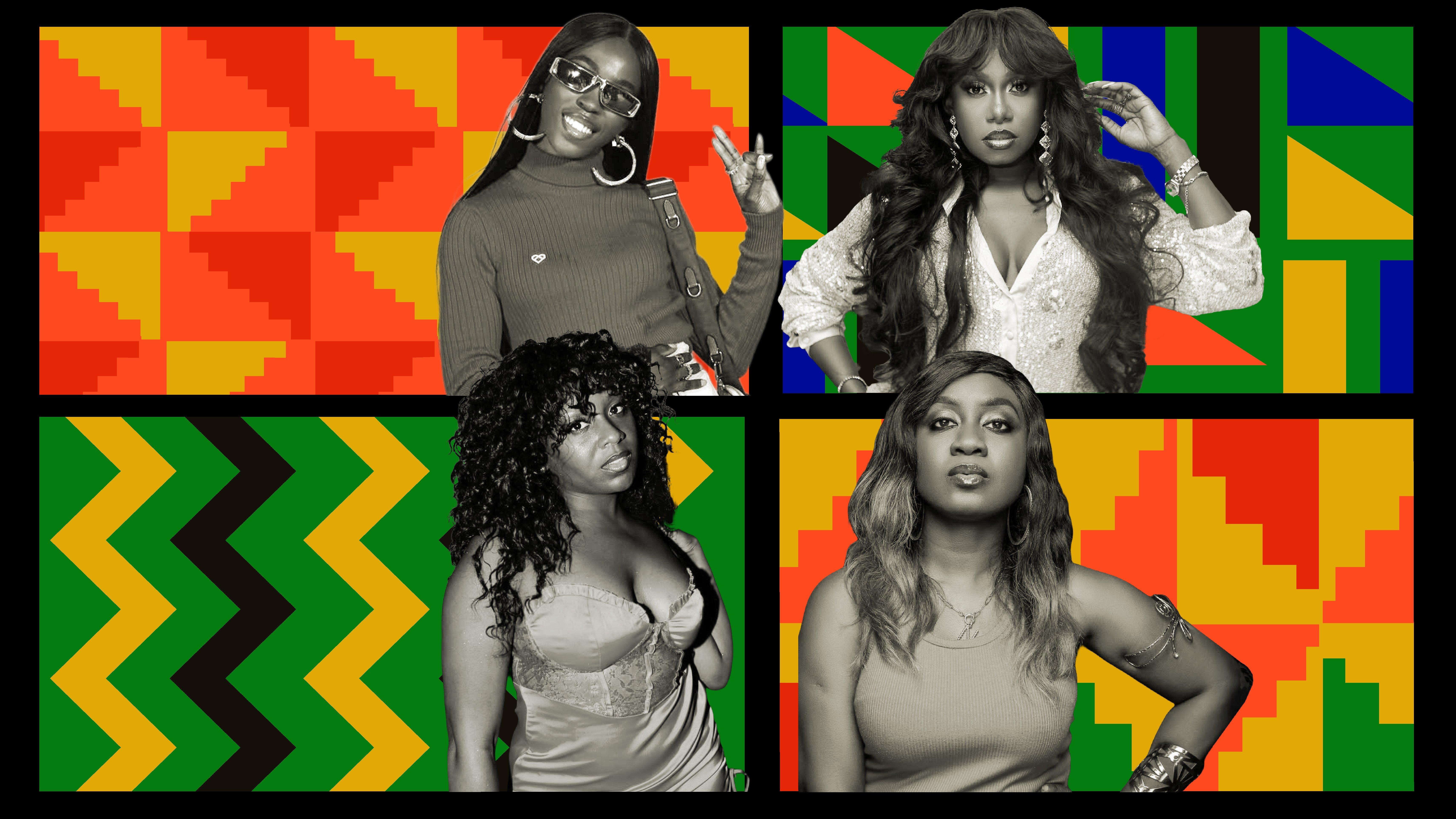
(Clockwise from left) Grace Ladoja, Niniola, Nikki Laoye, Mankaprr Conteh
Photos: Henry Boadu; courtesy of the artist; Xblaze; courtesy of Conteh
13 Women Shaping African Music At The Recording Academy & Beyond
From executives such as Osagie Osarenkhoe and Nnamani Grace Odi, to artist-humanitarians Niniola and Nikki Laoye, a cadre of women are operating behind the scenes of Africa's massive and diverse musical community.
GRAMMYs/Sep 8, 2025 - 03:47 pm
African music has never been more celebrated on the world stage; what used to be a distant influence is now a driving force in today’s global sound.
From the commanding energy of Afrobeats to the rolling grooves of amapiano, the continent’s sounds have been enchanting distant audiences, inspiring collaborations with world-renowned talents, and influencing the direction of popular music worldwide. The Recording Academy’s introduction of the Best African Music Performance Category in 2023 signalled a new era of recognition — one that acknowledges the artistry, innovation and cultural impact of African creators.
Behind this growing momentum is a network of African women — executives, journalists, producers, and visionaries — whose work often unfolds out of the spotlight, but fuels the industry’s most defining moments. They manage careers, design strategies, build platforms, and advocate for representation, shaping the path for both emerging talents and established icons. This list spotlights 13 women whose influence is felt from Lagos to Los Angeles, Johannesburg to London, and everywhere African music thrives.
Niniola
Nigerian singer/songwriter and Recording Academy member Niniola has maintained a strong independent career across multiple releases. Her 2017 debut album This Is Me and sophomore project Colours and Sounds (2020) showcased her versatility, blending deep house rhythms with soulful storytelling. Niniola also collaborates with global heavyweights, including DJ Snake and South Africa’s DJ Fresh, and was a composer on Beyoncé’s GRAMMY-nominated The Lion King: The Gift.
This recognition affirmed her songwriting prowess alongside her reputation as a flamboyant performer. She has received multiple honors — from AFRIMA and Soundcity MVP awards, to MTV Base and Headies nominations — cementing her status as one of Africa’s most influential female artists.
Beyond the stage, Niniola is also the founder of the Niniola Apata Foundation, which focuses on education and empowerment initiatives in Nigeria. With her artistry, business acumen, and advocacy, she continues to push African music forward, using her Recording Academy platform to amplify African voices and sounds to a global audience.
Melissa Kariuki
Kenyan tech entrepreneur Melissa Kariuki has been invited to the Recording Academy’s 2025 New Member Class. Previously at Google and Meta, she is now the founder and CEO of Whip Music, a web3 music tech platform that helps propel African artists into global view. Whip Music has powered over 200 campaigns across Kenya, Nigeria, South Africa, and the U.S., promoting artists like CKay, Ayra Starr, Fave, The Cavemen, and David Guetta.
Through Whip Music, Kariuki has applied AI and data-driven marketing in practical ways. For instance, using automated audience analysis to expand CKay’s "Love Nwantiti" across East Africa, and helping tailor TikTok strategies for emerging Afropop artists.
Nikki Laoye
Nigerian singer/songwriter Nikki Laoye may be best known for gospel-pop hits like "Only You" and "Never Felt This Way Before," but she is also a cultural ambassador and advocate for African music. Throughout her career, Laoye has worked with international acts such as Kirk Franklin and Israel Houghton, participated in artist mentorship programs, and charity-driven performances across continents.
Nikki Laoye is also part of the Recording Academy’s 2025 New Member Class, marking another milestone in her two-decade career. Her addition to the Academy voting membership positions her to champion more African representation in global music spaces.
Beyond her artistry, Laoye is also a humanitarian. Her Angel 4 Life Foundation supports visually impaired and physically challenged youth through scholarships, mobility aids, and mentorship programs, while also creating platforms for them to showcase their artistic talents.
Camille Storm
Kenyan music executive Camille Storm has made significant contributions to the growth and development of the African music industry across the continent. Her expertise in media and entertainment has allowed her to foster collaboration and create new opportunities for artists in Africa and its diasporas.
Camille Storm's journey began as a freelance journalist. Her passion for music and journalism eventually led to the founding of Camille & Co., a boutique agency and indie label that has worked with heavyweights like Mavin Records, Mayorkun, and Chocolate City Entertainment. Recognizing a lack of distribution infrastructure in East Africa, she launched C&C Distro to bridge that gap directly with global platforms, securing access for independent African artists to Apple Music, Spotify, Deezer, Audiomack, Tidal, and YouTube Music.
Osagie Osarenkhoe
Osagie Osarenkhoe first explored her passion for music by researching and analyzing the industry from cybercafes in Lagos. Today, she is the Director of African Operations at global music distribution powerhouse ONErpm, leading teams in Lagos, Abidjan, Nairobi, Dar es Salaam, and Johannesburg.
Osagie is a driving force in Nigeria's music industry. Her leadership and vision at ONErpm has been instrumental in developing artists' reach, contributing to the growth and success of African music on the world stage. To wit, ONErpm's portfolio includes GRAMMY-winning artists such as Wizkid, as well as Reekado Banks, Bella Shmurda, Reminisce, Kel, Runtown, Peruzzi, and Zlatan.
Temi Adeniji
Nigerian executive Temi Adeniji began her executive career as the Director of International Strategy and Operations at Warner Music Group, before quickly ascending the ranks. Adeniji soon took on roles as Vice President and Senior Vice President and, in 2021, she was appointed Managing Director of Warner Music Africa and Senior Vice President, leading the strategy team for Sub-Saharan Africa.
Adeniji's accomplishments have not gone unnoticed, with Billboard recognizing her influence and achievements by including her in its prestigious 2024 International Power Players List. Her academic background, with degrees from Princeton University, Columbia Law School, and University College London, further highlights her commitment to excellence and knowledge in the field.
Throughout her career, Temi Adeniji has remained steadfast in her mission to amplify African music and promote its global reach. Her quiet yet impactful work continues to foster a more inclusive and diverse environment throughout the music industry.
Grace Ladoja
British-Nigerian music executive Grace Ladoja MBE is dedicated to supporting and uplifting youth culture through her various ventures.
She is the co-founder of multi-platform culture studio Metallic Inc. and also manages the careers of renowned artists such as Skepta and Sarz. She also founded Our Homecoming, an annual festival in Lagos that aims to expand global views on African innovation and revive festival culture by connecting the African diaspora.
Ladoja's multi-faceted career has earned her numerous accolades, including recognition from Forbes and an MBE (Member of the Order of the British Empire) honor.
Ebi Sampson
Hailing from Nigeria, Ebi Sampson's career spans industries and projects. While working in fashion PR in London, Sampson spearheaded notable collaborations, such as Skepta x Nasir Mazhar, A$AP Ferg x Astid Andersen, and Places + Faces' first exhibition.
Building upon those experiences, Sampson co-founded music PR and consultancy AUGUST Agency. She then took her expertise to Atlantic Records, where she managed the PR campaigns for artists such as Meek Mill, Kojo Funds, Janelle Monáe, Nipsey Hussle, Roddy Ricch, and A Boogie Wit Da Hoodie.
Through her diverse background and keen understanding of both music and fashion, Sampson has become a respected figure in the industry, adept at navigating the ever-changing landscape and driving successful campaigns for the artists she represents.
Heran Mamo
Heran Mamo is a highly accomplished Ethiopian American music journalist, currently serving as a Senior Afrobeats (African music) writer at Billboard. The Portland, Oregon native is dedicated to promoting authentic and diverse storytelling about Black music, striving to amplify the voices of underrepresented communities within the industry.
At Billboard, she has penned cover stories on The Weeknd, Burna Boy, SZA, Ice Spice, Metro Boomin, PartyNextDoor, and Tyla, and her legal reporting on the Tory Lanez assault trial earned her appearances on notable platforms like Discovery Plus, NPR, "Good Morning America," CBS News, and "Entertainment Tonight."
Heran's achievements have earned her recognition as a #GRAMMYsNextGen Executive Ambassador in 2024 and the Amplifier of the Year award at Amplify Africa's Afro Ball Gala.
Mankaprr Conteh
Journalist, multimedia producer and creative director Mankaprr Conteh has done significant coverage of African music. Her work has appeared in Rolling Stone (where she is a staff writer), Essence, Pitchfork and Vogue, helping increase visibility of artists such as Rema, Burna Boy, and Tems.
Mankaprr has also written in-depth reports on various aspects of the music industry, including the rise of Afrobeats and the achievements of female artists like Megan Thee Stallion and Janelle Monáe. Her dedication to shining a light on Black artistry and activism make her an invaluable voice in the world of music journalism.
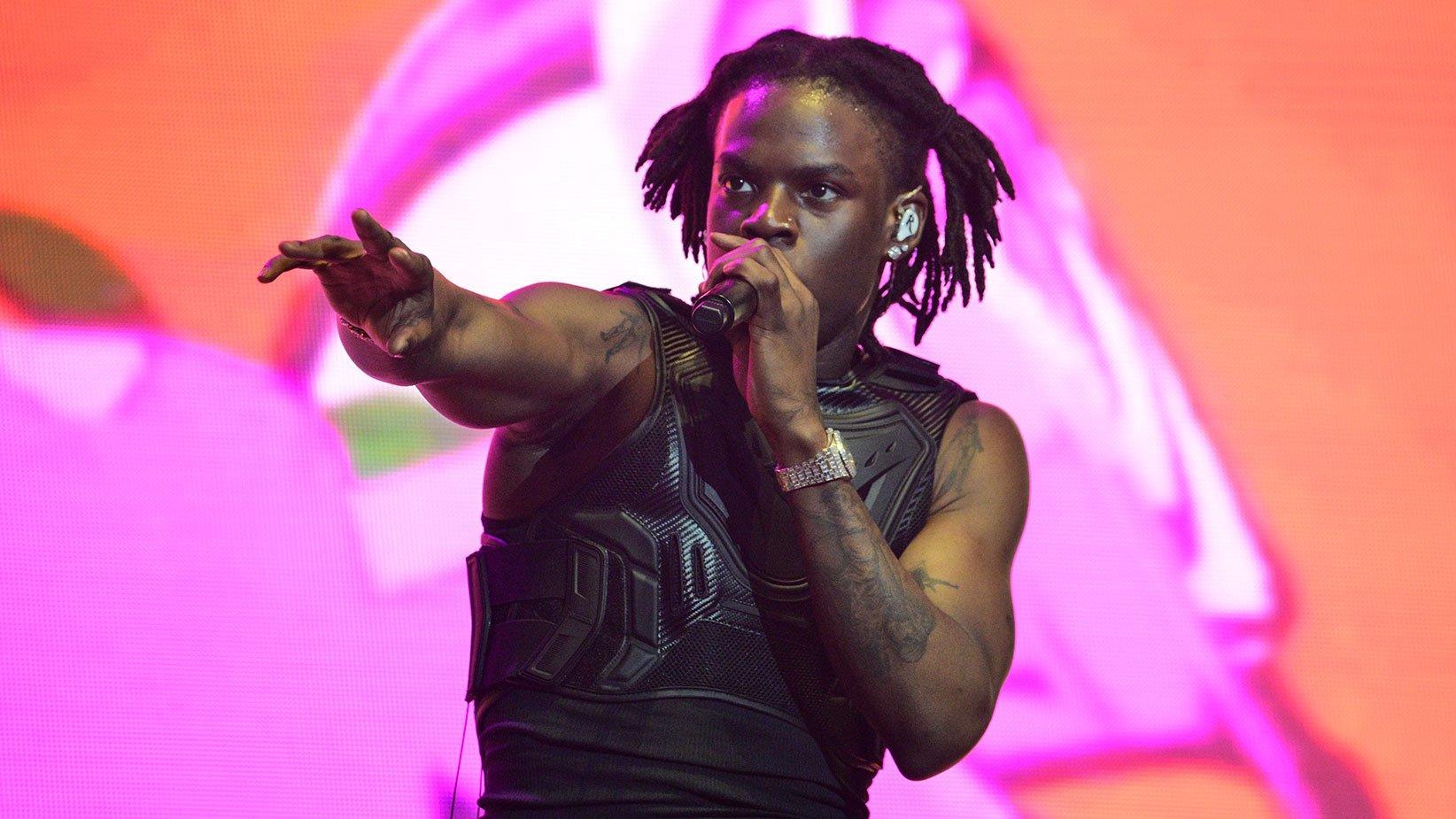
Nnamani Grace Odi
Nnamani Grace Odi, often referred to as Grandi, is a music executive, critic, scriptwriter, and director. Alongside her brother Johnel, she co-founded Nnamani Music Group (NMG), an independent music company and label aimed at supporting African music, artists, and producers. The company provides distribution, marketing and strategic guidance to independent artists and rights owners, expanding opportunities for African artists to license their music internationally and secure more equitable agreements.
Odi began her entrepreneurial journey at a young age, penning movie scripts for film companies. She has since expanded her creative endeavors, working with renowned writers like Kingsley Ogoro, Dickson Ekhaguere and collaborating with film industry pioneers including such as Nigerian director Obi Emelonye. Odi's written work is celebrated for its honesty, rationality, and unconventional thinking.
Binetou Sylla
Binetou Sylla is a trailblazer in the African music industry, holding multiple leadership roles in both independent and major record labels. As the director of the historic Syllart Records and Def Jam Africa, she has played a pivotal role in promoting contemporary African music on the continent and the global stage.
Sylla's expertise in the field is rooted in her family's deep ties to the industry. Her late father, Senegalese producer Ibrahima Sory Sylla, founded Syllart Records, which boasts the largest African music catalog in the world. Building on her father's legacy, Binetou has continued to innovate and champion African artists, working with the likes of Ismael Lo, Salif Keïta, Empire Bakuba, and more.
In her role at Def Jam Africa, Binetou partnered with Universal Music France, leveraging her extensive experience to foster growth for African music within French-speaking markets. Driven by a passion for economic independence, collective engagement, and Pan-Africanist ideals, Binetou remains committed to celebrating Black and African cultures, heritage, and innovation.
Jocelyne Muhutu-Remy
Jocelyne Muhutu-Remy, a seasoned Franco-Rwandan media executive, has made a significant impact in the African music industry as the managing director for Sub-Saharan Africa at Spotify. She is dedicated to amplifying African voices, promoting Afrobeats (Africa's largest music genre), and fostering the continent's creator economy.
With a rich background in tech and media at companies like Facebook, Disney, Viacom, Thomson Reuters, and at Spotify, Muhutu-Remy has spearheaded initiatives such as expanding Afrobeats playlists into global markets, forging partnerships with local telecom providers to make streaming more accessible, and launching programs that spotlight emerging African artists to millions of new listeners. As a former journalist, she is passionate about telling compelling stories and elevating Africa's voice on the global stage.
Latest News & Exclusive Videos
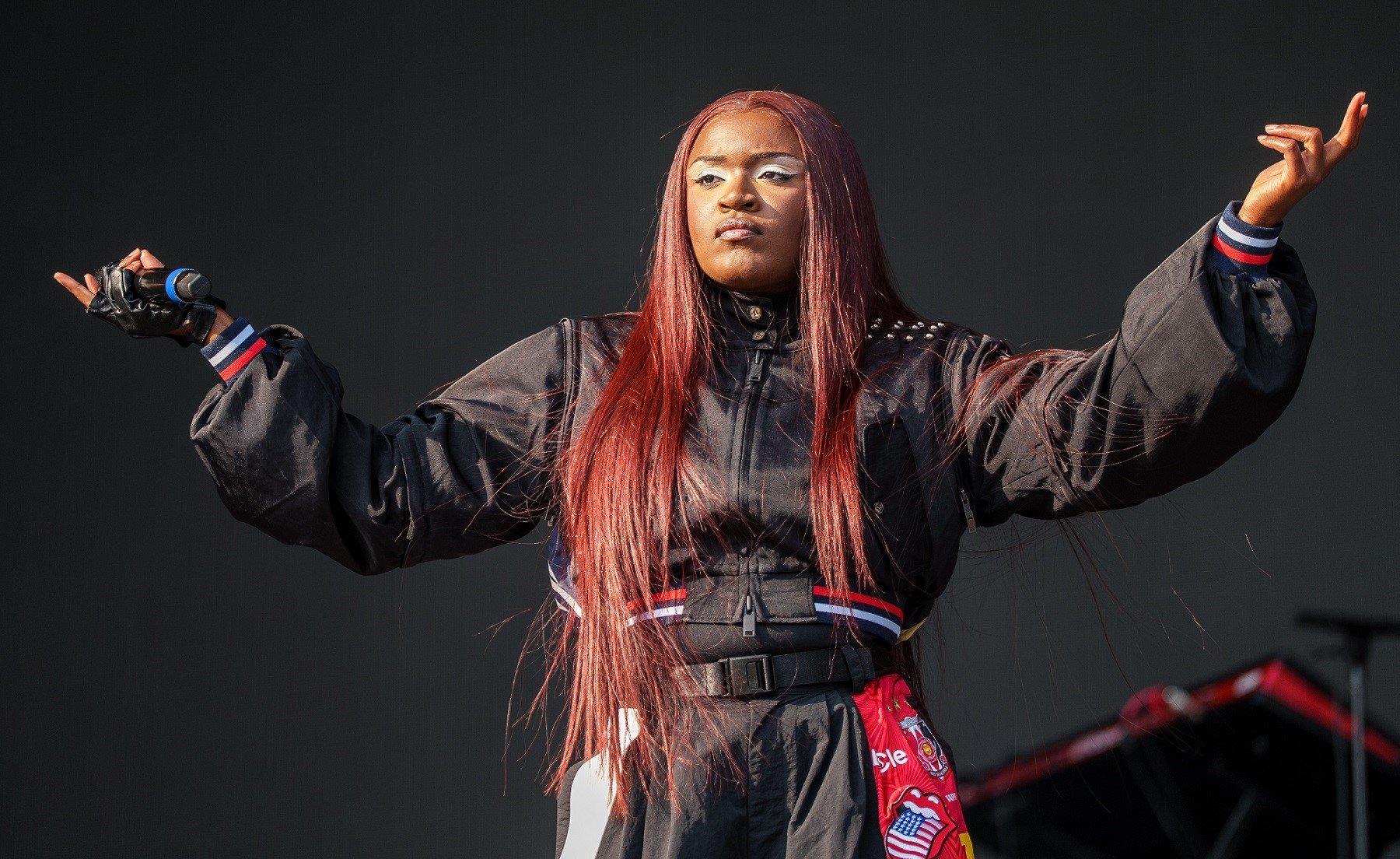
Amaarae performs during Lollapalooza 2025
Photo: Josh Brasted/FilmMagic
Amaarae's 'Black Star' Is A Homecoming, A Reclamation & A New Direction For African Music
Following major sets at Coachella and Lollapalooza, Ghanaian artist Amaarae returns with 'Black Star' — a bold, expansive, and experimental meditation on identity and power. "I think I’ve been able to break the mold," she says.
GRAMMYs/Aug 4, 2025 - 01:53 pm
For Amaarae, boring is always off the table. The Ghanaian American visionary has built a career on creative risk, flipping expectations of African pop on its head, welding high fashion aesthetics to cyberpunk sonics and earning cult status in the process.
In the two years since Fountain Baby — a sensuous, glossy sophomore album that demonstrated Amaarae's audacious creative instincts are a winning wager in the high-stakes game of pop — Amaarae has extended her reach far beyond niche acclaim. Not only have her gossamer vocals piloted viral TikTok anthems like "Princess Going Digital," "Co Star," "Angels in Tibet" but her live résumé now includes opening slots for Childish Gambino and Sabrina Carpenter, a history-making solo set at Coachella as the first Ghanaian artist to do so, and a recent appearance at the Governors Ball.
There’s barely any separation between the artist and the aesthetic; it all feels like a genuine extension of her point of view. Amaarae is just being herself, and her unflinching commitment to that self is what people everywhere connect with. But that was not always the case. Amaarae’s initial emergence was met with a degree of cultural discord. Her slinky, mercurial synthesis of R&B, Afropop and experimental electronica, and avant-garde visual aesthetic were outliers in a Ghanaian landscape more accustomed to certain sonic and stylistic archetypes.
That tension has softened over time and Black Star is a celebration of it. Named after Ghana’s national symbol and the global legacy of Black artistry, the record is an invocation of dance music’s diasporic roots, filtered through her distinct lens of futurism and fluidity. The sound is expansive, pushing itself farther into darker, more radical, experimental territory. The message is about power, pleasure, identity, and much more.
"A lot of young people see themselves in me artistically, and in general terms of expression," she says. "So when I think about identity, Ghana comes first, but it manifests in many different ways. Then there’s also the music itself, which borrows from so many different places I’ve been but is still rooted in my home."
In a conversation with GRAMMY.com, Amaarae talks about her increasing synergy with her homeland, why she’s focused on disrupting predictable narratives in African pop, and what it takes to make truly great music.
One of the strongest messages that comes through on Black Star is how deeply it reflects your identity, the different facets of who you are. Can you unpack each of those layers?
The reason I named this album Black Star is because when I went back home to Ghana last December, I realised that my relationship with my home country had changed. I was receiving so much love from people back home. That signified a shift, not just in perspective, but in what people wanted to hear and see from their artists. It was very refreshing. I remember when I started out, there was a lot of friction between me and the Ghanaian music scene or just the Ghanaian cultural landscape in general. People were struggling to understand me and why my music and visuals were so different. So I think the first layer is a coming-home-to-self.
By seeing myself reflected in the people who were now showing me love, I came to understand that we had reached a kind of mutual understanding. People had developed a desire and a thirst not just to know more and learn more about me, but to explore their own minds, spirits, and thoughts. They were beginning to want more from the musicians representing them. That’s when I decided I wanted to be a global symbol for Ghana.
It also acknowledges the fact that, though I'm a woman, I challenge conventional norms. I toe the line with androgyny quite a lot. And within Africa, especially as a very religious place, androgyny is an interesting thing. People struggle to place it in a box, and when they can’t, they either reject it or become curious about it. I think I’ve been able to break the mold and open up that conversation a bit more.
I love that you brought up how people didn’t quite get you at first, that’s part of what made you one of the pioneers of alté in Africa. That term has always been used to describe the scene you sprang from, but do you think that now it feels too small for your global reach? Have you outgrown the label?
To say that I’ve outgrown the alté label — one that was very, very key to me gaining the global exposure I have — would be insane. My last video, "S.M.O.," is alté at its core. It’s quirky, it pushes the genre forward, and it makes you think: What is this girl trying to say? Why is she saying it in this way? That, to me, is what alté has always represented in African music. People have often looked at it and asked, "What the hell is going on?" But I’ve always been intrigued by that.
Alté has always been the next frontier, the space that eventually informs what becomes the mainstream sound of Afrobeats. So, as long as I’m pushing boundaries and genres, I’ll never stop being alté. I just think it’s now on a bigger scale, where I also have pop star aspirations. But even those pop aspirations are, at their root, alté. I still carry the flag with me.The culture, the sound, the visual language, they all come with me. So, no, I don’t think I’ve outgrown the label. If anything, I think I’m giving the label even more visibility.
You’ve mentioned that you’d like to push the boundaries of African music with Black Star. How so?
This album experiments a lot with electronic genres but that’s not something new to Afrobeats or African music in general. If we go back as far as the era of D’Banj, P-Square, Don Jazzy, or even when Azonto was at its peak in Ghana, all of those phases in African music borrowed elements from electronic sounds.
I've taken it a step further, made it a bit edgier. The lyricism is still direct, but it’s also nuanced, witty, and intelligent. It touches on a range of topics, and… the sound is much more jarring and darker, but also bright at the same time. It pierces you. African music has traditionally been known to be very rhythmic, driven by the hips, very bouncy. I think, in a sense, I went in the opposite direction this time. And that was kind of my way of saying that this is what I believe the future of Afro music could be.
Naomi Campbell appears on the album, an iconic choice for sure. What drew you to her, and what did her presence bring to the project?
When you think about a Black star, there are a few people who come to mind specifically in certain areas. When I think about a Black star in music, I think of Beyoncé or Rihanna. When I think about fashion, I think of Naomi Campbell. My intersection with music and fashion has always been a big part of my story. It’s always been a major element of my music. And as I grow more as an artist, I also grow in my fashion.
When I was making an album called Black Star, and I was thinking about the intersection of fashion — especially on a song like "Ms60" where she’s on — who better to feature than the Black star of fashion, the woman — the darkskinned woman, mind you — that has pushed fashion so past its boundaries?
She’s connected through art, literature, and politics so represents everything that I also stand for: art, music, literature, fashion, politics. It was the perfect connection and collaboration, but also an incredible co-sign from someone I consider to be one of the most iconic people of our time.
How did the reception of Fountain Baby shape your mindset going into Black Star?
I was surprised by how well Fountain Baby was received, and I think it served as a stepping stone for me to tell my story even further. It didn’t necessarily shape my perspective going into Black Star like, Oh my God, I need people to like this as much as they liked Fountain Baby, or I need the same critical acclaim and success.
Every time I release an album and it does well, it just reminds me that my instincts are correct. So whatever I feel is my next path, or whatever medium I choose to tell my story through, I trust my instincts because people seem to respond well when I follow them.
Are there any alter egos that you channelled throughout this album?
Definitely. I think Black Star itself is a complete alter ego. You hear it right from the first song on the album. It’s not the Amaarae you’ve always known. This is a completely different beast. You can hear that transformation in the lyrics and the voice, expressed in so many different and interesting ways. Some of my favourite songs on the album — "Stuck Up," "Star Killah," "B2B," "Dream Scenario," "Free the Youth" — are all moments where the character of the Black Star, or the alter ego of the Black Star, really comes alive.
Your music has always leaned into unapologetic sensuality, especially when it comes to exploring female desire from a place of power. Why is that an important position for you to champion?
As far back as I can remember, when artists like D’Banj, Reekado Banks, Styl Plus, Sarkodie were really at their peak, it was always about the guy wanting the girl. Every time, "my baby this," "my baby that," "your waist this," "your yansh that." We’ve never really had a deep look into desire from an African woman’s perspective. That was what I felt was missing in the storytelling within the African music landscape.
I also think that for the desire to be palpable, to be sexy, to be unapologetic, it has to center women. But there’s a gap in that kind of representation. So I took it upon myself to say: actually, young women like me who are alternative, who are raw and edgy, have desires. They are sexy. They love to kiss. They love to f—. They have a sensuality and a desire within them that is tangible, and they want to express that in the best ways possible. That was missing and I wanted to be the one to fill that in.
Beyond musical influences, what non-musical things have been feeding your creativity lately?
One of my creature comforts is watching cartoons or television shows from when I was younger. I’ve been rewatching "Hey Arnold" and "Glee." My friend Lawrence Burney just released a book called No Sense in Wishing, I’ve been reading that. I’m still finishing a book of poetry I started earlier this year called Homegirls & Handgrenades by Sonia Sanchez. I also spend a lot of time reading music books and fashion books. I recently discovered a book — I don’t remember the title — it’s basically a collection of album covers from the 1970s and how they were constructed. It’s so fire. I’ve been into visual books like that.
I also stretch a lot for about 45 minutes maybe three times a week. I take very long walks, about two hours every day, for my mental sanity. Those are the things that keep me happy and creative. And I’ve recently started trying to cook again. I don’t really love cooking, but I’m doing it from a health perspective, so I’ve been looking into recipes. That’s what’s been keeping me going.
You’ve blended pop, hyperpop, alté, Afropop. Are there any sounds or genres you haven’t touched yet that you’re curious to explore next?
Yes, I want to do a gospel album. I’ve been wanting to do that for a long time. That’s been one of my main goals since I started. I want to do a gospel album, a Christmas album, and a jazz album. Those are the three projects I’m planning to do maybe sometime in the next five years.
Latest News & Exclusive Videos
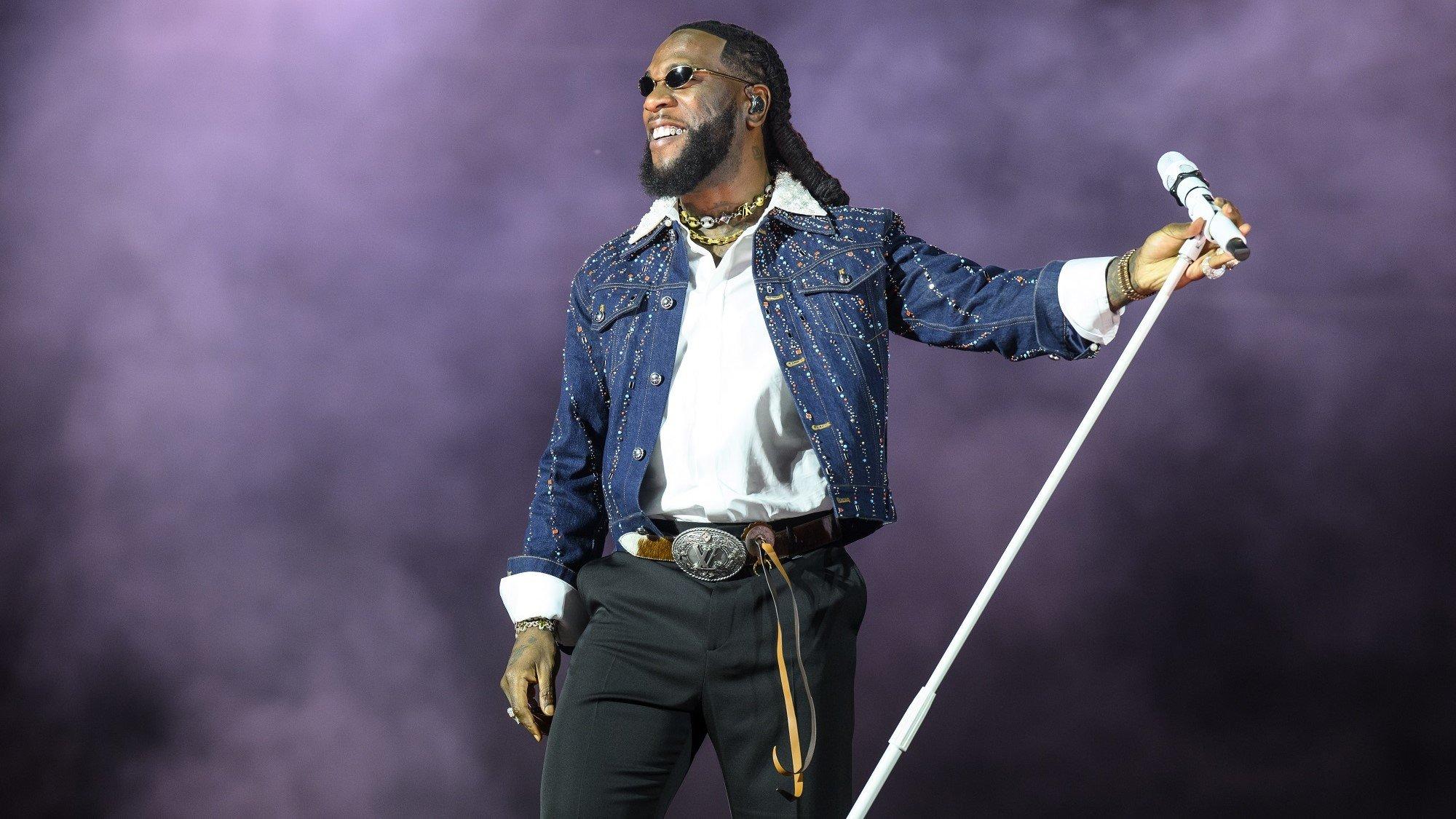
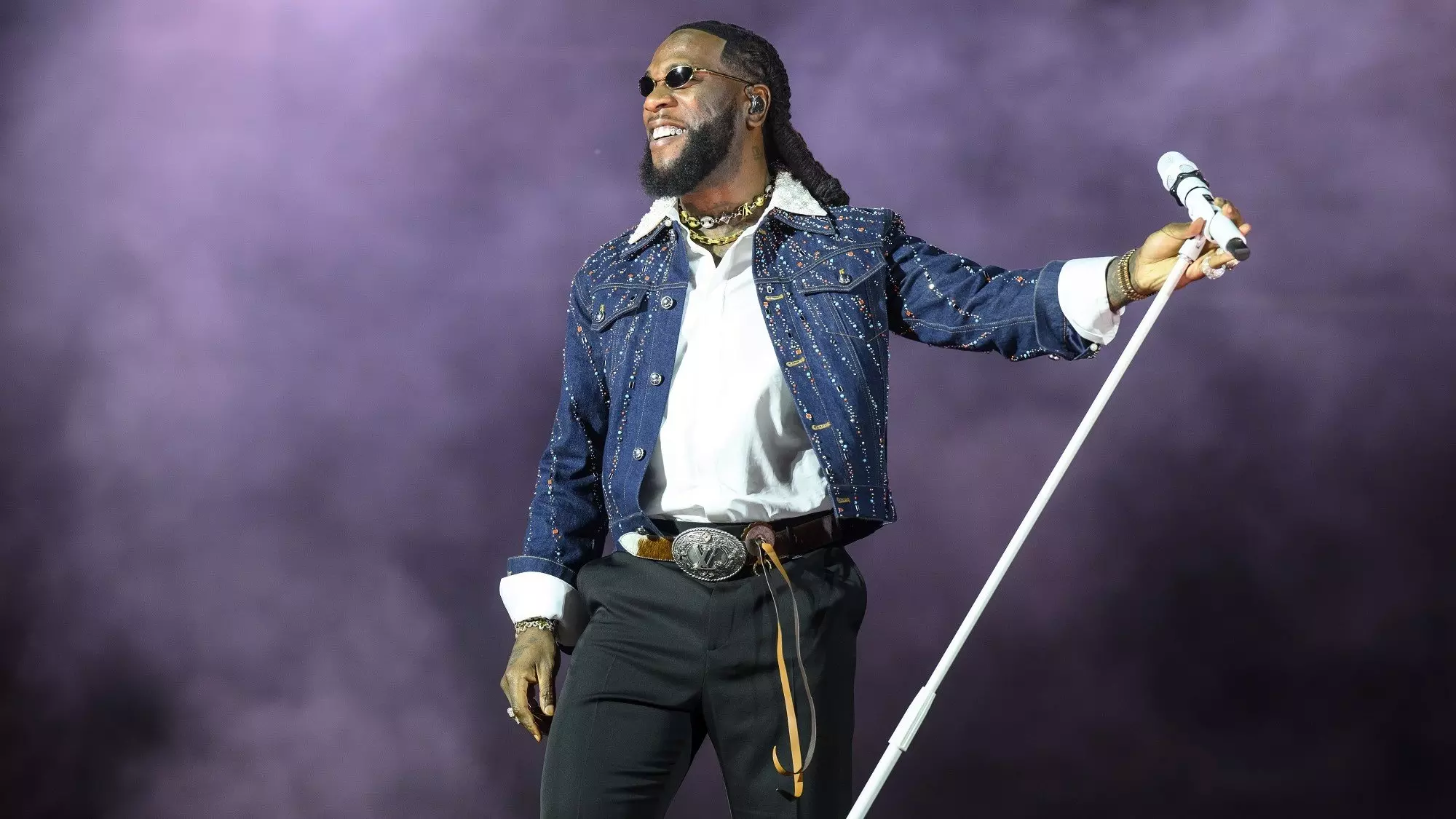
Burna Boy performs in Paris
Photo: Kristy Sparow/Getty Images
With 'No Sign Of Weakness,' Burna Boy Blazes A Tale Of Endurance, Ego & Grit
Burna Boy isn’t done addressing those who question his place. On his new album, the GRAMMY-winning artist uses unexpected collabs, fusion, and biting lyrics to prove he's stronger than ever.
GRAMMYs/Jul 11, 2025 - 02:00 pm
Two years after his GRAMMY-nominated album I Told Them…, Burna Boy is back with his eighth studio effort, No Sign of Weakness. It’s a tightly constructed record that builds on the zest of its predecessor, but shifts away the overt braggadocio for a steely resolve without letting go of Burna Boy’s commanding presence.
No Sign of Weakness follows a whirlwind two years for the artist — years set in motion by the impact of I Told Them…. That album was Burna Boy’s shot across the bow, one that affirmed that his position at the top was no fluke. And in the time since, he’s made good on that claim. In 2024, the African giant broke precedent as the first African artist to perform on the 2024 GRAMMYs stage, sharing the spotlight with Brandy and 21 Savage.
That same year, he headlined the Stade de France, the first non–Francophone Afrobeats artist to do so. His bonafides continued to grow with a 2025 GRAMMY nomination for "Higher" in the Best African Music Performance Category.
But even in the face of all this prosperity, it’s clear Burna Boy isn’t done addressing those who question his place and has more to get off his chest. Here are five takeaways from No Sign of Weakness.
He Widens His International Collaborator Circle
Burna Boy’s trajectory has been marked by an increasingly global outlook and fearless artistic ambition. His discography bursts with purposeful partnerships with artists from every corner of the world, including Beyoncé, Lily Allen, Rita Ora, Vybz Kartel, Dadju, M.anifest, J. Hus, Sam Smith, and Joé Dwèt Filé. I Told Them… was a guest-heavy sprawl featuring the likes of J. Cole, Dave, 21 Savage, and Wu-Tang Clan legends GZA and RZA.
On No Sign of Weakness, Burna refines his collab-heavy approach. The new album features a more curated, but arguably more audacious, set of collaborators that pushes the boundaries of his sound into startling new territories. He bridges a generational and stylistic gap with the inclusion of legendary Rolling Stones frontman Mick Jagger ("Empty Chairs"), connects with Belgian pop innovator Stromae, taps the red-hot Nigerian American Shaboozey ("Change Your Mind"), and teams up with hip-hop hotshot Travis Scott for "TaTaTa."
It's Another Full-Circle Moment For The Afro-Fusion Argument
Leading up to the release of I Told Them..., Burna Boy drew ire by seemingly renouncing the "Afrobeats" label, insisting that his music is more accurately described as "Afro-fusion." This pronouncement sparked a firestorm as many saw it as a jab at the very identity that elevated him.
Burna doubles down on that claim with No Sign of Weakness, making a strong sonic case for Afro-fusion. As one of Nigeria’s most agile pop shape-shifters, he has always proven his unparalleled ability to manipulate disparate genres into something uniquely his own. Across the 16 tracks on No Sign Of Weakness, Burna Boy dips into a kaleidoscope of genres. The militant opener, "No Panic" is powered by the dance-heavy core of soukous. "TaTaTa" rides a twitchy baile funk rhythm that mirrors Afrobeats' ongoing flirtation with the genre. "Come Gimme" coasts on Afroswing’s breezy cadence, while "Sweet Love" and "28 Grams" lean into his fundamental affection for reggae. Palmwine Highlife makes an appearance on "Buy You Life," and "Dem Dey" closes with the gángan (Yoruba talking drum), folding in some cultural texture.
Burna also taps into the surging influence of electronic sonics on Nigeria's mainstream, delivering an iteration of tech-house on "Kabiyesi." On "Update," he engages '90s hip-hop, featuring elements of Soul II Soul's "Back to Life" as the precursor before the track explodes into one of the album’s most bouncy Afrobeats jams. He dabbles with rock with Jagger on "Empty Chairs," and leans on Shaboozey for the country-inflected "Change Your Mind."
Per Usual, He Has Words For His Critics
Burna Boy's relationship with critics, particularly within Nigerian circles, has always been a complicated, almost adversarial dance; No Sign Of Weakness is another chapter in this ongoing dialogue. Since his global fame, his album titles have always told a story of self-assertion: African Giant was a decisive claim to his status; Twice As Tall reinforced his amplified reach and impact. But with great power and a notoriously opinionated, controversial public persona, came an inevitable torrent of critique, something Burna Boy has struggled to reconcile with.
His opinions, his stage presence, even his sense of nationalism have all sparked contention. He’s cultivated a pan-African image that occasionally buckles under the weight of his own contradictions. I Told Them…, received with mixed reviews, was his direct, almost petulant jab at his doubters, his chest-puffed "I told you so" to those who supposedly underestimated him. No Sign Of Weakness continues this counter-narrative, presenting a more entrenched defiance.
Here, he reiterates his belief that critics seek to dismantle him, asserting that they cannot, he is flyer and richer than them all, and he reserves his affection only for those who genuinely reciprocate it. His defensiveness curdles more on "No Panic," where he spits, "Use timberland match all of them," a barely-veiled reference to the infamous concert incident where he allegedly kicked a fan.
Burna Boy Remains A Reliable Hitmaker
Say what you will about Burna Boy, but his knack for churning out hits remains ironclad. The African giant’s most fascinating sleight of hand is glaring in how his prickly persona never impedes his instinctive grasp of what makes a global hit.
Learn more: 10 Afrobeats Songs Turning 10 In 2025: Wizkid’s "Ojuelegba," Olamide’s "Bobo" & More
In the past decade, it’s rare to find a major Afropop hit that hasn’t carried Burna Boy’s voice, either solo or as a feature. His rise to the "big three" of Nigerian music and Afrobeats — alongside Wizkid and Davido — was built painstakingly on a consistent, almost relentless stream of classics. Grooves like "Like to Party," "Tonight," "Ye," "Killin Dem," and "Last Last" prove the sheer, unadulterated talent that not only propelled him to the top tier but has sustained him there. That understanding carries into this album, one that is stacked with club-ready cuts including "Kabiyesi," "No Panic," and "Ta Ta Ta.". Hence for all its auteurist ambition, No Sign of Weakness, does not forgo the imperative of the dancefloor.
He Still Has Love To Give
No Sign of Weakness is a record about endurance, ego, and existential grit. Burna Boy forces the listener to contend with him directly while proving that he’s more than capable of holding his own. But amidst the self-aggrandizement and grandstanding, No Sign of Weakness is also a record about love.
In these moments, he gives us access to the vulnerable side of him. On the languorous, mid-tempo groove of "Come Gimme," he slips into the mode of a honey-tongued suitor. He trades his crown for the posture of a man in desperate appeal on the gentle "Change Your Mind" and the beseeching "Pardon." However, even his expressions of love can be filtered through the album’s overarching theme of self-preservation. On "Love," he takes an emotionally defensive stance, singing about a love that is reciprocal, one that he is only willing to give to those who give it to him first.