Photo: Medios y Media/Getty Images
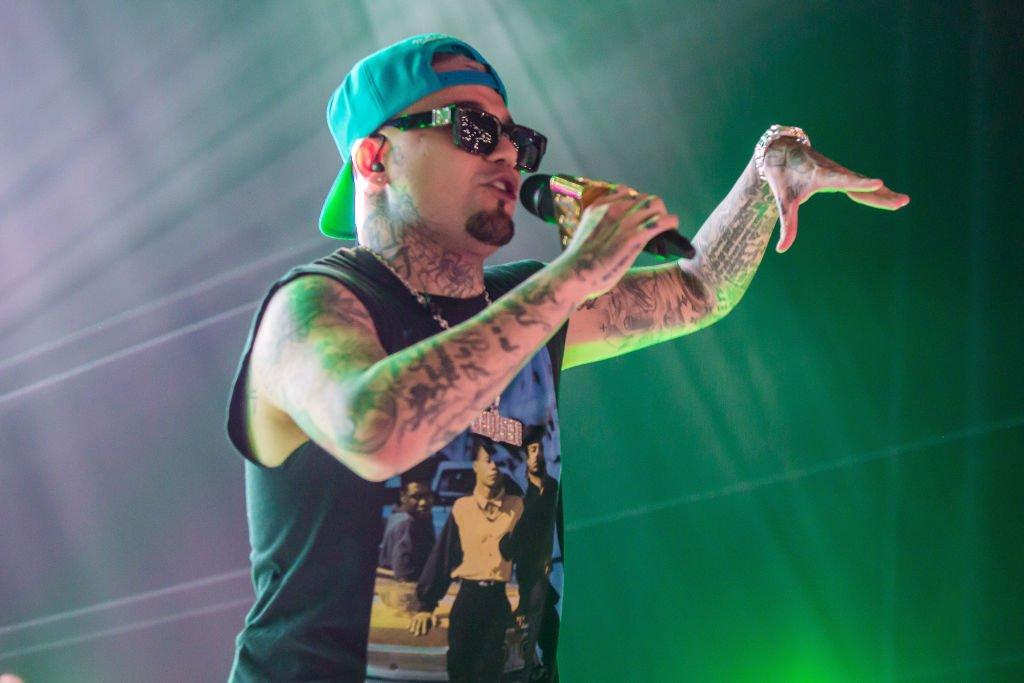
Mexican rapper Gera MX performs in Monterrey, Mexico
8 Latinx Rappers To Know: Eladio Carrion, Young Miko, Akapellah & More
African American, Caribbean and Latinx people were all present at the birth of hip-hop in 1973. In the five decades since, hip-hop has gone global, and Latinx people are shaping the genre.
GRAMMYs/Nov 27, 2023 - 03:41 pm
Hip-hop is not only a global phenomenon, but a multi-lingual expression. There are many Latinx rappers who have contributed to the genre's legacy with Spanish-language music, and others who form the larger fabric of hip-hop history.
Hip-hop was born on Aug. 11, 1973 at a back-to-school party in the Bronx, which included African American, Caribbean and Latinx attendees. While Latinx people have helped shape the genre in the years since, Nuyoricans such as Angie Martinez, Fat Joe, and his collaborator Big Pun left an indelible Latinx mark on rap in the ‘90s. At the same time on the West Coast, the Latin Alliance formed and led to breakout careers of Chicano rappers Kid Frost and Mellow Man Ace, who both largely rapped in Spanglish. Cypress Hill and Ozomatli later emerged in their wake. Cuban American rapper Pitbull would soon crossover in the rap mainstream into the next decade.
On the island of Puerto Rico, rappers nurtured the emerging genre of reggaeton in the ‘90s and 2000s as another medium where they could flex their Spanish flow. Pioneers like Daddy Yankee, Tego Calderón, and Don Omar unleashed their rhymes over dembow-driven rhythms. Ivy Queen and Lisa M blazed a path for women in the male-dominated genre. N.O.R.E.'s hit "Oye Mi Canto" would later help globalize reggaeton in 2005. That decade also saw the rise of Puerto Rican group Calle 13, which was led by rapper Residente, who has since become the most-awarded artist in Latin GRAMMY history. Cardi B and Bad Bunny are now representing Latinx rappers on a global level. Those are just a few names of many Latinx trailblazers.
In honor of hip-hop's 50th anniversary, GRAMMY.com highlights eight artists from the next generation of Latinx rappers.
Trueno
Since the release of his breakthrough album Bien O Mal in 2022, Trueno has become the rap artist to watch out for in Argentina. In his songs like the empowering "Argentina" featuring Nathy Peluso or the poignant "Tierra Zanta" alongside Argentine folk artist Victor Heredia, he celebrates the culture of his country while embracing the sounds and influences of American rap.
Trueno went global after the Gorillaz invited him to perform "Clint Eastwood" with them at the Quilmes Rock festival in Argentina. Earlier this year, he got a co-sign from Latinx rap group Cypress Hill, who remixed Trueno's socially-conscious banger "F— The Police." More recently, Trueno is having fun with his rhymes in his recent feel-good singles like "Tranky Funky" and "Ohh Baby."
"My mission in life is to take Argentine rap as far as we can go," Trueno told Infobae this year.
Eladio Carrion
Eladio Carrion is proving that his explosive rap flow can't be contained to one genre. The Puerto Rican rapper has made a name for himself thanks to his series of Sauce Boyz albums, which first launched in 2020. Carrion largely dominates the Latin trap scene, but he has also made his mark in drill with the "Tata" remix featuring J Balvin, Daddy Yankee, and Bobby Shmurda, even experimenting in Mexican corridos with Peso Pluma in "77."
Carrion's latest album, 3men2 Kbrn, features collaborations with rappers that he idolized. Future joins him in the swaggering "Mbappe" remix, Lil Wayne appears on the triumphant "Gladiador" remix, and "Si Salimos" features 50 Cent. The all-Spanish LP debuted at No. 16 on the Billboard 200 chart in March.
"I just keep trying to build that bridge between Latin and American culture because I’ve been influenced so much by American hip-hop, but you know I do Latin music," Carrion told Uproxx this year.
Villano Antillano
Villano Antillano is making a mark for both women and the LGBTQ+ community in the Latin hip-hop scene. The Puerto Rican rapper — who identifies as transfemme and nonbinary — has proudly represented who she is within her fierce anthems. Antillano teamed up with Spanish rapper Ptazeta for the girl power anthem "Mujerón" and empowered trans women in "Muñeca" with nonbinary artist Ana Macho.
Antillano made a global impact last year when she featured on Argentine producer Bizarrap’s hit "BZRP Music Sessions #51." Over trap beats with an electronica edge, she unleashed fiery flow about how she is running the Latin rap game. Villano then released her debut album La Sustancia X where celebrated women's resilience alongside Residente's sister iLe in "Mujer" and paid homage to La Delfi and Celia Cruz in "Cáscara De Coco."
"I hope that from seeing me and hearing my music, more people can live authentically in their everyday lives," she told MTV News in 2021.
Young Miko
Young Miko is also breaking down barriers for the LGBTQ+ community in the Latin hip-hop scene. The queer Puerto Rican rapper has proudly dropped bars about her love for other women in her songs, like this year's global hit "Classy 101" with Colombian singer Feid, as well as the swaggering "Lisa."
Young Miko broke through last year with her debut EP Trap Kitty, further asserting her dominance in Latin trap previously exemplified by the sexy "Riri" and the empowering "Putero."
Young Miko has become one of the most in-demand collaborators in today's Latin music scene, proving that she can shine in any genre. In 2023, she featured g on Marshmello's house-infused "Tempo" and Bad Gyal's reggaeton banger "Chulo Pt. 2" with Dominican star Tokischa.
"This generation is tired of the same," she told Popsugar this year. "They're accepting and receptive to something new. Maybe [my lyrics] are not how I feel but how I'd like to feel."
J Noa
In Latin rap, J Noa is proudly carrying her country of the Dominican Republic on her back. The teen phenom released her debut EP Autodidacta earlier this year. In the somber "Betty," J Noa shined a light on the pressures that Dominican teens face in underserved neighborhoods. In the explosive "Autodidacta," she unleashed her mind-blowing rap skills.
A triumphant moment on the EP is empowering "No Me Pueden Parar." The self-proclaimed "La Hija del Rap," or "the daughter of rap," spit inspirational bars about not allowing any obstacles to get in the way of achieving her dreams. J Noa has a knack for mixing social truths with fierce rhymes. Back in July, she wowed hip-hop pioneers DMC, Grandmaster Caz, Mighty Mike C, and Sha-Rock with a freestyle rap in the Bronx.
"I can keep rap going by staying on the path that I am on," she told Refinery29. "Real rap is about social protests and history."
Akapellah
Akapellah is proudly representing the hip-hop scene in Venezuela, releasing songs that are both playful and socially-conscious In 2020, the hard-hitting "Condenados," he dropped bars about the plight of the Venezuelan people following the country's economic collapse.
Instead of letting his size be anyone else's punchline, Akapellah boasted about the benefits it gives him in the smooth "Gordo Funky." For his feel-good rhymes, he received multiple Latin GRAMMY nominations for Best Rap/Hip Hop Song. Akapellah made headlines this year when he released a tiraera, or diss track, against Residente called "No Eres Rapero." Understanding it's a part of hip-hop culture, Residente took the shot in stride and later named Akapellah one of his favorite Latinx rappers.
"My [success] has been very organic and like a hybrid," he told La República newspaper. "I have had my peaks of hype, but [my career] has always remained stable."
Nanpa Básico
Nanpa Básico is a proud exponent of Colombia in the Latin rap scene. The Medellín native has made waves with his street-conscious lyrics and romantic flow, first breaking through in 2017, with the guitar-driven ballad "Sin Ti Estoy Bien" and the haunting "Ya Para Qué."
This past year, Básico has gone global while exploring different genres. Alongside Mexican singer Ximena Sariñana, he tackles a whimsical pop sound in the dreamy "Nunca Tuve Tanto." Básico's slick rap flow met R&B in the soulful "Ya No Se Mueve" with Leon Leiden. Básico's latest album, HECHO M13RD4, boasts features from Mexican rappers Gera MX and Santa Fe Klan, regional Mexican music star Adriel Favela, and Colombian reggaeton singer Ryan Castro.
"I studied social work so I said I don't want to continue glorifying the problems, but on the contrary, very cool things happen in the hood too, that people sometimes don't talk about," he told Rolling Stone En Español.
Gera MX
Gera MX is making Mexico's rap scene go global. In 2021, he blended trap and mariachi music with Christian Nodal in the genre-bending hit "Botella Tras Botella." They made history with the first regional Mexican song to enter the Billboard Hot 100 chart.
Last year, Gera MX continued to push boundaries for Latin rap in his two albums, No Teníamos Nada, Pero Éramos Felices and Ahora Tengo Todo Menos A Ti. In explosive "Hagan Ruido," he teamed up with Mexican American rapper Snow Tha Product where they proudly boasted about their roots. Colombian reggaeton singer Blessd joined Gera MX in the feel-good "One Love." This year, Gera MX brought together the worlds of Latin trap and corridos in the fiery "Feria En El Sobre," featuring Peso Pluma and Herencia De Patrones.
"Mexican hip-hop has gained a lot of respect and popularity," he told Remezcla. "I don’t know if it’s the Golden Age, but it’s a good time."
7 Latin DJs To Watch In 2023: Gordo, Arca, The Martinez Brothers & More
The 2025 Latin GRAMMYs will air live Thursday, Nov. 13, from the MGM Grand Garden Arena in Las Vegas.
Graphic Courtesy of the Latin Recording Academy
Performers & Presenters For 2025 Latin GRAMMY Premiere Announced: Akapellah, Andrés Cepeda, Jesse & Joy, Judeline, Fito Páez, Trueno & More
Streaming live Thursday, November 13, beginning at noon PT/3 p.m. ET, the 2025 Latin GRAMMY Premiere is where the majority of the 2025 Latin GRAMMY Awards will be awarded. Kany García and Tiago Iorc will host the 2025 Latin GRAMMY Premiere.
GRAMMYs/Nov 6, 2025 - 07:46 pm
The Latin Recording Academy has announced performers, presenters and hosts for the Latin GRAMMY Premiere for the 2025 Latin GRAMMYS. Hosted by seven-time Latin GRAMMY winner Kany García and five-time Latin GRAMMY winner Tiago Iorc, the 2025 Latin GRAMMY Premiere will take place Thursday, November 13, at the Mandalay Bay South Convention Center in Las Vegas and will stream live across all of the Latin Recording Academy's platforms beginning at noon PT/3 p.m. ET.
Taking place hours ahead of the 2025 Latin GRAMMYS, the 2025 Latin GRAMMY Premiere will showcase a diverse array of categories and genres that extend beyond the main telecast, featuring rock, flamenco, hip-hop, electronic music, and more.
Performers for the 2025 Latin GRAMMY Premiere include current nominees:
Akapellah (Best Latin Electronic Music Performance and Best Rap/Hip Hop Song)
Andrés Cepeda (Song Of The Year, Best Traditional Pop Album and Best Pop Song)
João Gomes, Mestrinho, and Jota.pê (Best Portuguese Language Roots Album)
Jesse & Joy (Best Traditional Pop Album)
Judeline (Best Alternative Music Album and Best Alternative Song)
Leiva (Best Rock Album and Best Pop/Rock Song)
Julia Mestre (Best Portuguese Language Contemporary Pop Album and Best Portuguese Language Song)
Fito Páez (Best Rock Album and Best Rock Song)
Vivir Quintana (Best Singer-Songwriter Album)
Trueno (Best Urban Song and Best Rap/Hip Hop Song)
Presenters for the 2025 Latin GRAMMY Premiere include the following artists nominated this year:
Camilú (Best Singer-Songwriter Song)
Carol Biazin (Best Portuguese Language Contemporary Pop Album)
Malena Burke (Best Traditional Tropical Album)
Nico Cotton (Record Of The Year and Producer Of The Year)
Silvestre Dangond (Best Cumbia/Vallenao Album)
Isabel Dobarro (Best Classical Album)
Techy Fatule (Best Tropical Song)
Lupita Infante (Best Regional Song)
Ela Minus (Best Latin Electronic Music Performance)
Kiki Morente (Best Flamenco Album)
Debi Nova (Best Pop/Rock Song)
Papatinho (Best Urban Music Album)
RENEE (Best Rock Song and Best Pop/Rock Album)
Yami Safdie (Best Pop Song)
Marina Sena (Best Portuguese Language Contemporary Pop Album and Best Portuguese Language Song)
Meme Solis (Best Traditional Tropical Album)
Lenny Tavárez (Best Reggaeton Performance)
Ángeles Toledano (Best Flamenco Album)
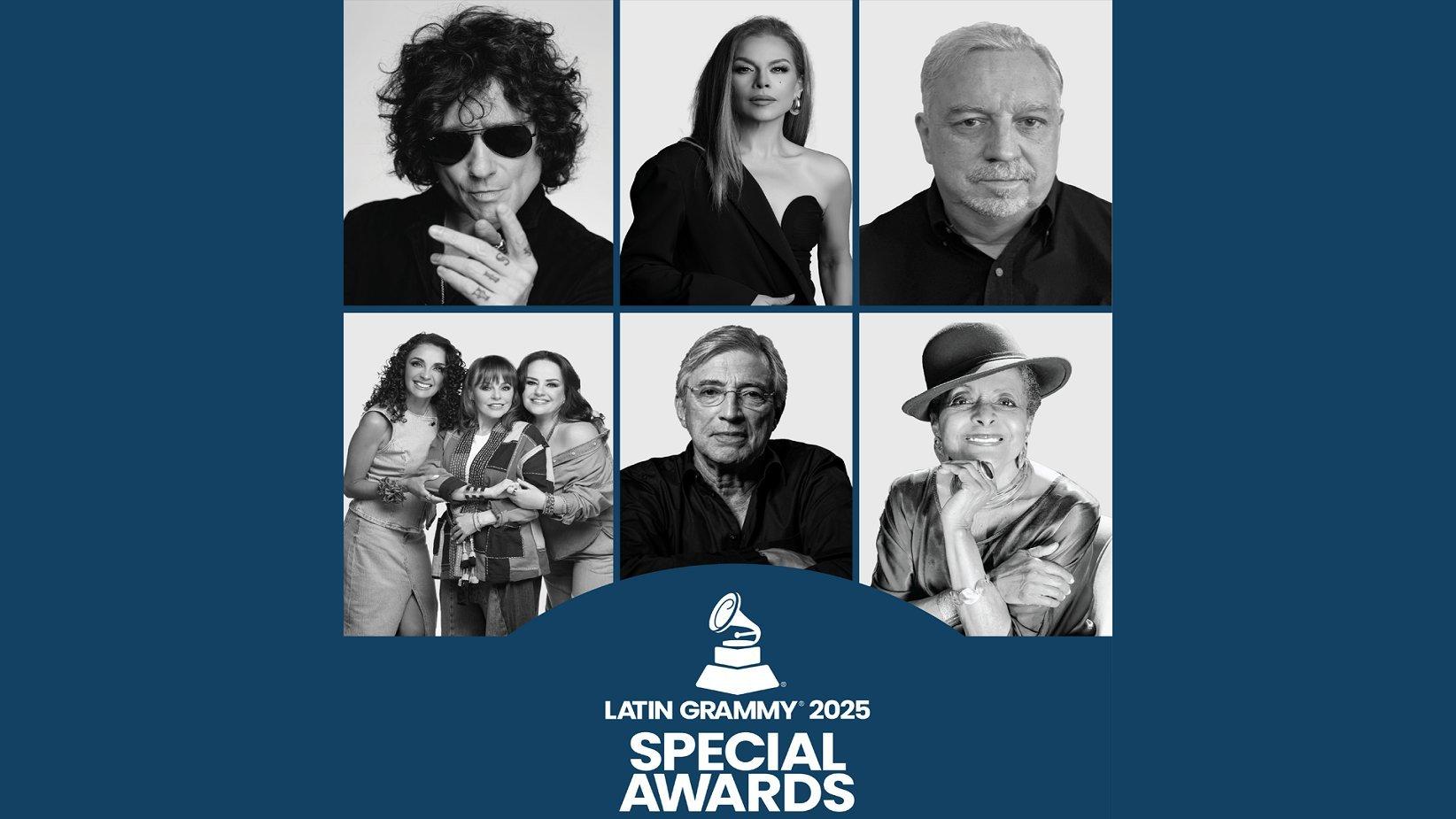
"The Latin GRAMMY Premiere kicks off the Biggest Night in Latin Music, where we celebrate and honor the exceptional work of our nominees," Latin Recording Academy CEO Manuel Abud said in a statement. "It will be a great afternoon, showcasing the richness and diversity of talent within our community of Spanish- and Portuguese-speaking creators."
Roberto Trujillo will serve as the musical director for the 2025 Latin GRAMMY Premiere, accompanied by the Latin GRAMMY Premiere house band, composed of former and current Latin GRAMMY and GRAMMY nominees and winners. Grecia Medina will serve as executive producer of the event, working under the direction of the Latin Recording Academy's production team led by Ayleen Figueras.

When Are The 2025 Latin GRAMMYs?
The 2025 Latin GRAMMYs, officially known as the 26th Annual Latin GRAMMY Awards, will air live Thursday, Nov. 13, from the MGM Grand Garden Arena in Las Vegas. This year’s show will introduce a new field and two new Latin GRAMMY categories: Best Music For Visual Media, housed within the new Visual Media field, and Best Roots Song. See the full list of 2025 Latin GRAMMY nominees.
How Can I Watch The 2025 Latin GRAMMYs?
The three-hour 2025 Latin GRAMMYs telecast will be produced by TelevisaUnivision and will air across TelevisaUnivision’s U.S. platforms beginning at 8 p.m. ET/PT (7 p.m. CT). A one-hour pre-show will air at 7 p.m. ET/PT (6 p.m. CT).
The Latin GRAMMY Premiere, where the majority of the Latin GRAMMY Awards categories are awarded, will precede the telecast. Additional details, including date and time, about the 2025 Latin GRAMMY Premiere will be announced soon.
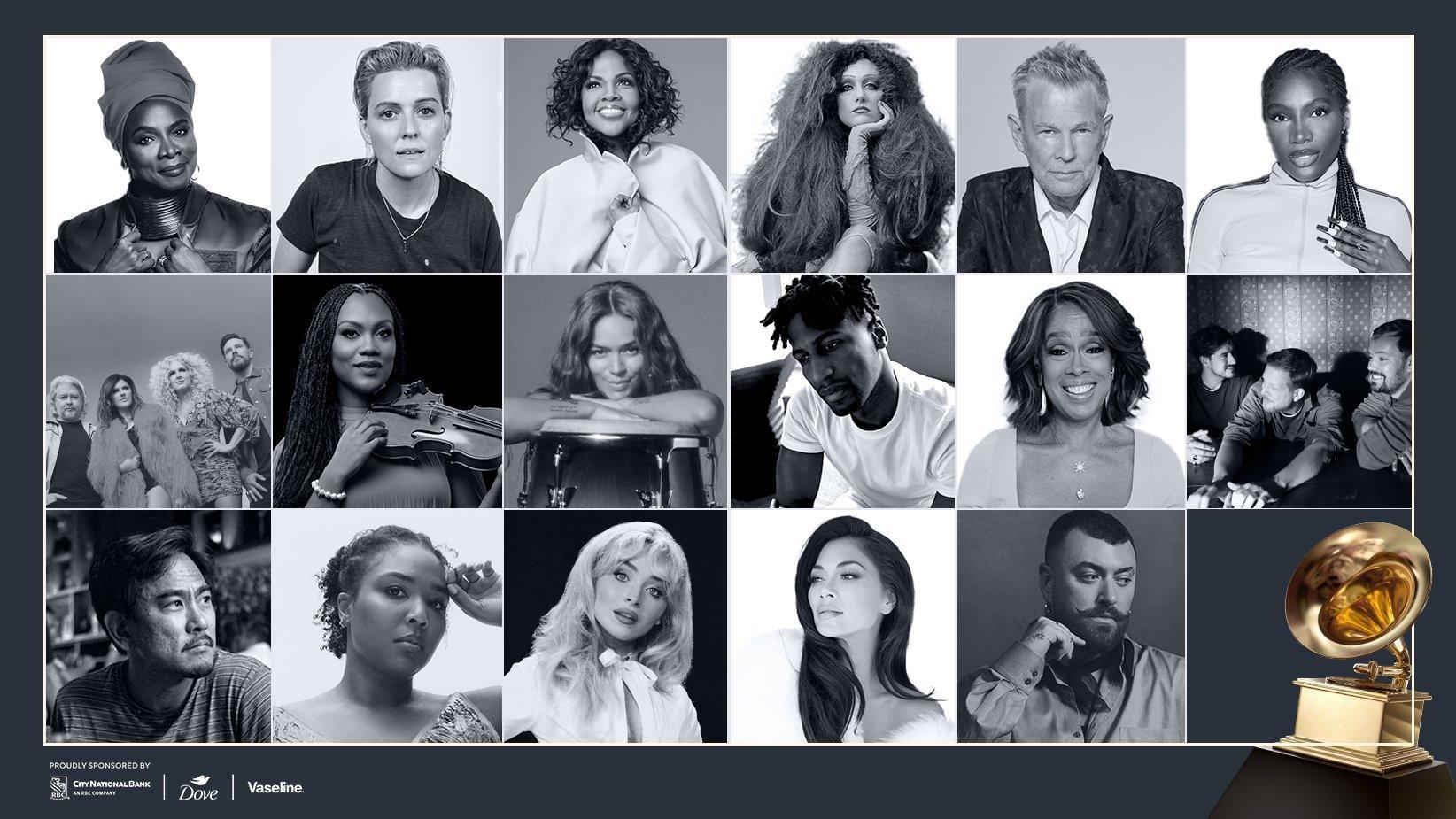
Who Are The Performers At The 2025 Latin GRAMMYs?
Here is the full lineup of performers at the 2025 Latin GRAMMYs:
Chuwi
DannyLux
Kakalo
Jesús Ortiz Paz (Fuerza Regida)
Fuerza Regida
Who Are The Presenters At The 2025 Latin GRAMMYS?
The presenters for the 2025 Latin GRAMMYS include:
Eduin Caz and Jhonny Caz (Grupo Firme)
Fariana
Daisy Fuentes

When Is Latin GRAMMY Week 2025?
Returning to Las Vegas, the 2025 Latin GRAMMYs will once again fill the city with music and celebrations during Latin GRAMMY Week 2025, a weeklong series of official events honoring current nominees, creativity, excellence, and the global impact and influence of the Latin music industry.
Among the celebrations are the 2025 Leading Ladies of Entertainment event, the Special Awards Presentation, Latin GRAMMY In The Schools, Nominee Reception, Best New Artist Showcase, the Person of the Year Gala, and the Latin GRAMMY Premiere. All of these official events lead up to the 2025 Latin GRAMMY Awards, the Biggest Night in Latin Music.
Get ready to watch some of your favorite artists take the stage during the 2025 Latin GRAMMYs on Thursday, Nov. 13.
Learn More About The 2025 Latin GRAMMYs
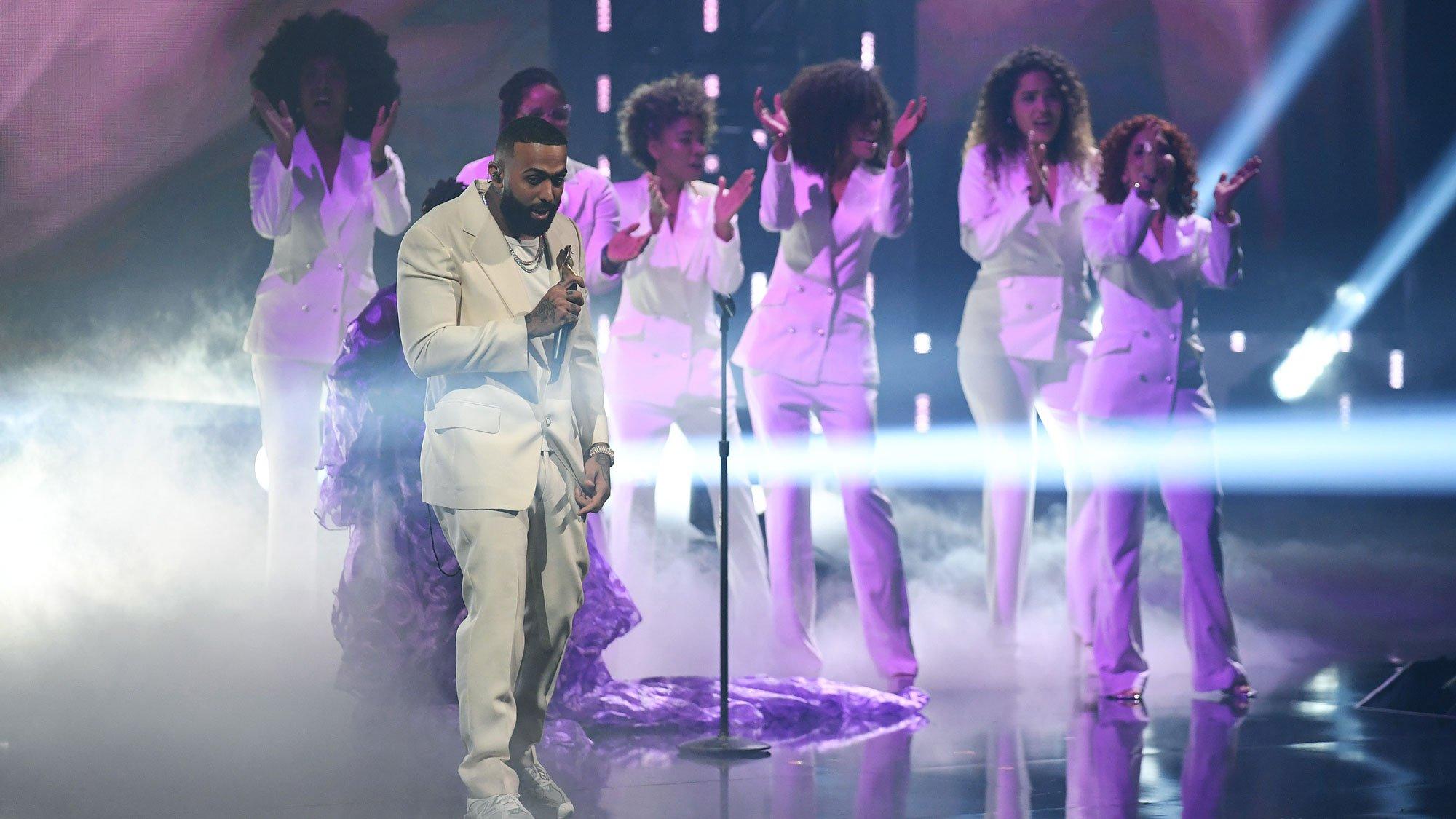
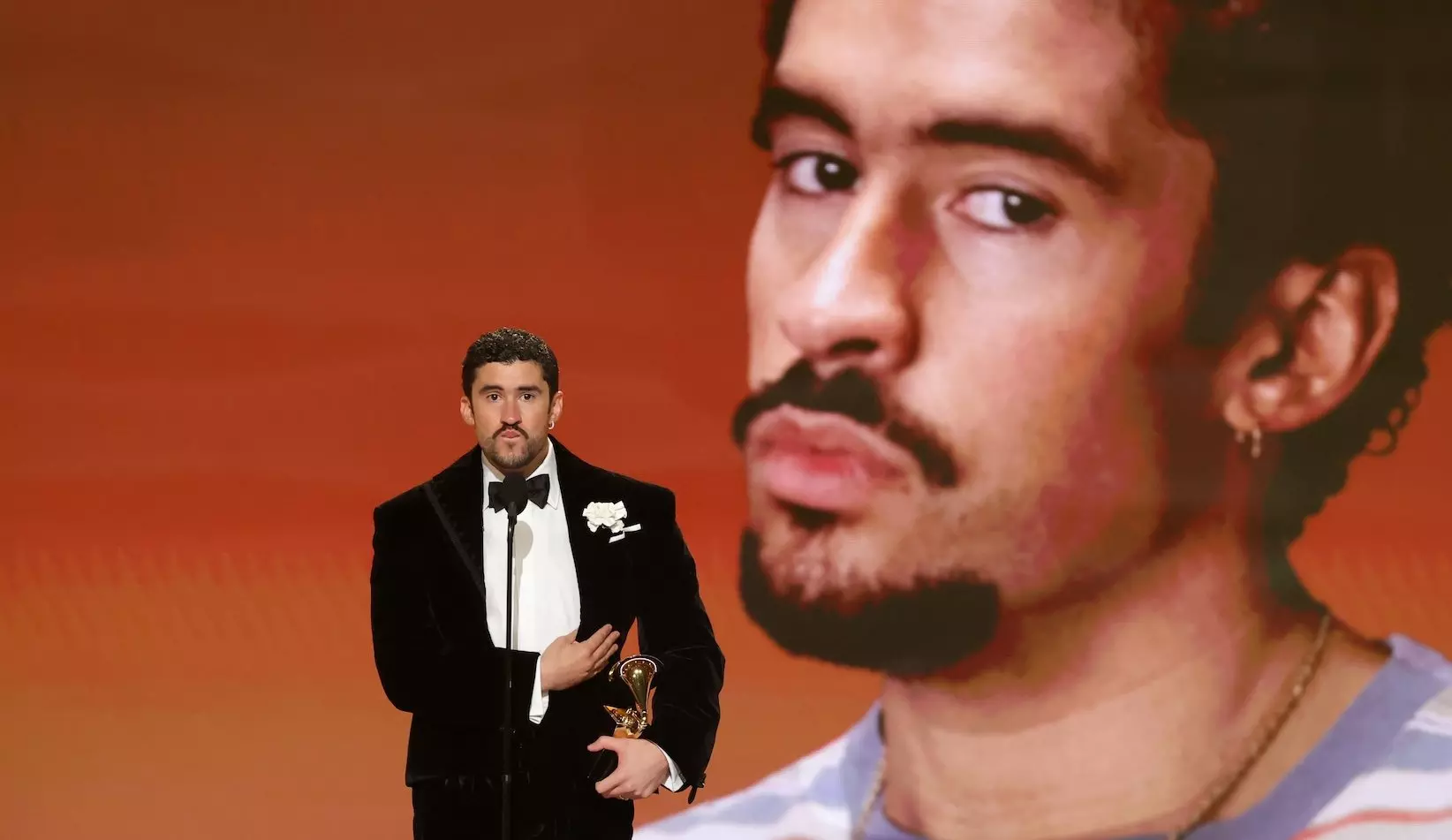
Eladio Carrión performs onstage during the 25th Annual Latin GRAMMY Awards
Photo: Jason Koerner/Getty Images
Watch Eladio Carrión, Quevedo & Myke Towers Perform At The 2024 Latin GRAMMYs
At the 25th Annual Latin GRAMMY Awards, the trio of rappers performed their nominated hits — "Mama’s Boy," "Columbia" and "LA FALDA" — with a little assist from DJ Khaled.
GRAMMYs/Nov 15, 2024 - 01:49 am
Few MCs are more closely identified with Miami than DJ Khaled, so it’s appropriate that Khaled welcomed three nominated rappers, Eladio Carrión, Quevedo and Myke Towers to the Latin GRAMMYs stage in his home city for performances representing the best in urban Latin music.
Before performing "Mama’s Boy" from his 2024 album Sol María, Eladio Carrión stepped into the audience to give his mom a hug. The album, which was nominated for Best Urban Album, is dedicated to his mother (the award was ultimately given to Karol G for Mañana Será Bonito (Bichota Season)). The American rapper was also nominated twice for Best Rap/Hip-Hop Song: once for "Bendecido," a song from Sol María, and again for "Thunder y Lightning," a collaboration with Bad Bunny on his Nadie Sabe Lo Que Va A Pasar Mañana. Carrión previously won a Latin GRAMMY for Best Rap/Hip-Hop Song in 2023 for "Coco Chanel," also with Bad Bunny.
Read More: 8 Latinx Rappers To Know: Eladio Carrion, Young Miko, Akapellah & More
Dressed in a white tux and surrounded by six bodyguards in matching livery, Quevedo performed his multi-platinum 2023 reggaeton single "Columbia," for which he was nominated for Best Urban Song (the award ultimately went to Daddy Yankee's "Bonita"). The 22-year-old Madrileño had a No. 1 hit in Spain with the track, and also released his highly anticipated debut album DONDE QUIERO ESTAR in January 2023. That same year, Quevedo was nominated for, and won, his first Latin GRAMMY: Best Urban Song for "Quevedo: Bzrp Music Sessions, Vol. 52," with Bizarrap.
Puerto Rican rapper Myke Towers closed the medley with a performance of his 2023 mega-hit "LA FALDA," backed by a complement of female dancers who brought the perreo. Towers also received nods for Best Urban Song, for "LA FALDA" from LVEU: VIVE LA TUYA...NO LA MIA and his appearance on Sky Rompiendo's "El Cielo," which also features Feid. Towers has been nominated for Best Urban Album and Best Reggaeton Performance in past years, but has yet to win an award.
Check out the complete list of winners and nominees at the 2024 Latin GRAMMYs.
Latest In Latin Music, News & Videos
The 2024 Latin GRAMMYs will air live on Thursday, Nov. 14.
Graphic courtesy of the Latin Recording Academy
More Performers Added To The 2024 Latin GRAMMYs: Anitta, Edgar Barrera, Becky G, Eladio Carrión & More
Carlos Rivera, Kali Uchis and Reik will join also the lineup for the 2024 Latin GRAMMYs.
GRAMMYs/Oct 29, 2024 - 01:08 pm
The Latin Recording Academy has announced additional performers for the 2024 Latin GRAMMYs, officially known as the 25th Annual Latin GRAMMY Awards, set to air live from Miami on Thursday, Nov. 14. The newly revealed lineup includes current nominees Anitta, Edgar Barrera, Becky G, Eladio Carrión, Darumas, Emilia, Leonel García, Grupo Frontera, Danny Ocean, Silvia Pérez Cruz, Carlos Rivera, and Kali Uchis, alongside previous nominees Pitbull and Reik.
Previously announced performers include David Bisbal, Alejandro Fernández, Luis Fonsi, Juan Luis Guerra, Carín León, Elena Rose and Ela Taubert, as well as the 2024 Person Of The Year honoree Carlos Vives.
Anitta is nominated for Record of the Year and Best Portuguese Language Urban Performance. Edgar Barrera earned nine nominations including Songwriter of the Year and Producer of the Year, and Becky G received a nomination for Best Regional Song. Eladio Carrión has three nods including Best Urban Music Album. Both Darumas and Emilia are first-time nominees for Best New Artist and Best Vocal Pop Album, respectively. Leonel García is up for Best Singer-Songwriter Album and Best Short Form Music Video. Grupo Frontera also scored their first nominations for Best Norteño Album and Best Contemporary Mexican Music Album. Danny Ocean has two nominations for Song of the Year and Best Pop Song. Silvia Pérez Cruz earned two nods for Song of the Year and Best Short Form Music Video. Carlos Rivera is nominated for Best Pop Song, while Kali Uchis garnered four nominations including Record of the Year.
Read More: 2023 Latin GRAMMYs: See The Complete Nominations List
The 2024 Latin GRAMMYs will air live from the Kaseya Center in Miami on Thursday, Nov. 14. The three-hour telecast, produced by TelevisaUnivision, will air live on Univision, Galavisión and ViX beginning at 8 p.m. ET/PT (7 p.m. CT).
The Latin GRAMMY Premiere, where the majority of the categories are awarded, will precede the telecast. Additional details about this long-established afternoon full of unforgettable performances, heartfelt acceptance speeches and Latin GRAMMY moments will be announced soon.
Latest Latin Recording Academy News & Initiatives
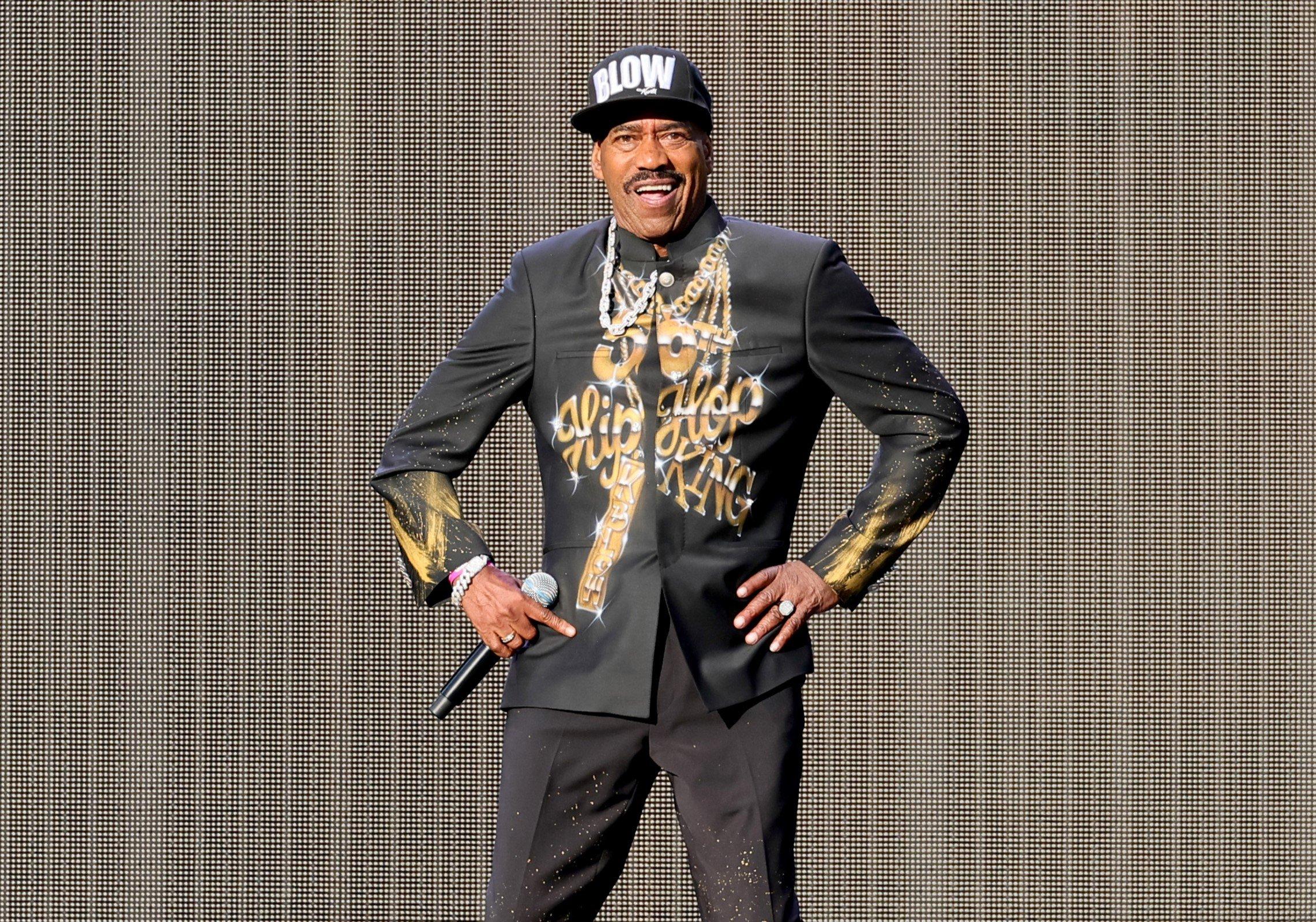
Kurtis Blow
Photo: Theo Wargo/Getty Images
Living Legends: Kurtis Blow On How Hip-Hop Culture Was "Made With Love" & Bringing The Breaks To The Olympics
More than 40 years after he became hip-hop's first commercial breakout star, Kurtis Blow is still moving the culture forward. The rapper and OG B-boy reflects on hip-hop’s rich history, and the impact of seeing hip-hop represented at the 2024 Paris Games.
GRAMMYs/Aug 22, 2024 - 06:18 pm
On the eve of the first-ever Olympic breakdancing competition, hip-hop legend Kurtis Blow was thrilled. It was the first time one of the core elements of hip-hop culture had reached such a global stage.
Alongside DJ Kool Herc (whose breaks provided the soundtrack for B-boys and girls), Blow is credited with popularizing breakdancing. The rapper began breaking as a teenager in the early 1970s, as part of the Hill Boys breaking crew — named for the Sugar Hill area of Harlem where Malcolm X first started his galvanizing pro-Black movement —
And while the International Olympic Committee decided to remove breakdancing from the 2028 Olympics, Blow is unbothered. As far as he’s concerned, his legacy and the legacy of breaking itself is all but set in stone.
"It was definitely something special," Blow tells GRAMMY.com. "And I wasn’t the only one who realized it at the moment it was happening."
Born Kurtis Walker, the Harlem-based Blow began DJing when he was just seven years old. In 1979, the 20-year-old's "Christmas Rappin’" sold over 400,000 copies and turned the up-and-comer into a household name. But it was his follow-up single, 1980’s "The Breaks," that helped launch a whole new genre: rap music. "The Breaks" became the first hip-hop album to receive a gold certification from the RIAA, and proved that Blow wasn’t just a one-trick pony.
Kurtis Blow proved to be immediately influential on the then-nascent rap scene. When Rev. Run of Run-D.M.C. started his career, he billed himself as "The Son of Kurtis Blow" to give him an air of credibility that helped propel the hip-hop trio into the pop culture stratosphere. But Blow's influence didn’t begin and end with his "adopted son": Everyone from Russell Simmons to Wyclef Jean has worked with Blow, and he has been sampled by Nas ("If I Ruled The World" is all but an interpolation of Kurtis Blow’s song of the same name), KRS-One and many others. In fact, more than 100 songs have used samples from "The Breaks," and nearly 1,500 songs have used a sample or an interpolation from Blow’s discography.
Learn more: Essential Hip-Hop Releases From The 1970s: Kurtis Blow, Grandmaster Flash, Sugarhill Gang & More
Kurtis Blow was also one of the first rappers to sign to a major label (Mercury Records) and was the first rapper to be a multihyphenate (in addition to his music, Blow worked as an actor on films like In a Dark Place and California Dreamers, and was the musical coordinator for the legendary hip-hop film Krush Groove). Blow continues to work steadily in hip-hop today, though he eschews the legendary breaking parties in favor of cultural events that offer a new glimpse into the culture he helped create.
To wit, Blow is performing with The Hip Hop Nutcracker, in which Tchaikovsky’s classic score is set to breakdancing and modern hip-hop dance; the emcee will perform a brief set to kick off each show. A nationwide tour kicks off in Southern California in November and concludes at the end of December in Durham, North Carolina.
Kurtis Blow spoke with GRAMMY.com about the importance of bringing breaking to the Olympics, reconciling his ministry with modern hip-hop’s message, and his four-decade legacy.
This interview has been edited and condensed.
Breakdancing has been a huge part of hip-hop culture for many, many years — and it’s long overdue to be recognized on a global scale like the Olympics. What are your thoughts about seeing this movement that you started getting this kind of recognition?
This whole culture that we call hip-hop started back in the 1960s. With the Civil Rights movement, community organizers, and government officials all debating about something so basic: the right to all be seen as equal and free. It was a traumatic time, you know? But we had music that was so relevant to the whole movement.
By the time the late 1970s and early 1980s came along, everyone was trying to escape all of the traumatic racism that was still going on. And music became our escapism. That’s where breaking came in: everyone was just trying to mimic James Brown on the dance floor. You’d see one guy doing his thing, and everyone would form a circle around him. Pretty soon, someone else would join the circle and challenge him. And before you knew it, there was a whole competition — and whoever won became the most popular in the club.
That kicked it all off. To see it recognized on such a large scale just reaffirms, to me, that this hip-hop culture of ours was made with love.
There were breaking films such as 1985's 'Krush Groove' that were completely revolutionary in that it gave everyone — not just those within the culture — a view into the world of hip-hop, and suggested what it could become. At the time, you were becoming the first commercially successful rapper and one of the pillars of what would become the New York sound. Were you aware that you were on the precipice of something revolutionary?
I don’t want to call myself a visionary or anything like that, but I did know that this was something special, because I saw how quickly it spread around different boroughs in New York City.
From Harlem and the Bronx, and then over into Queens, Brooklyn, and even New Jersey, it was amazing to see everyone just gel around that whole hip-hop scene. As I said before, we all needed that escapism, you know? Forget about your troubles, just come and dance.
With me being in Harlem, right down the block from the Cotton Club and that whole mindset around dancing becoming America’s pastime — just coming from that era, where we had to go to the parties to have a good time — [I knew] that we had created something that would outlast us.
Not only did you attend divinity school, but you are also an ordained minister. How do you bridge those two aspects of your life and how do you reconcile being a rapper with being a minister?
That is such a great question, and thank you for asking.
It’s very simple: God is the Creator. God created hip-hop. We have to start with that, right here. God gave us the talent to perform the music; he gave us the passion to want to spread the music to the masses. He gave us the desire to say, "Hey, come take a look at me! God has blessed me with this — can you do this?"
Now, when you talk about the actual elements of hip-hop — that is, the emcees, and the message that we bring — it’s crucial to understand that we are commanded by God to uplift our community and to show them love. This is the actual essence of hip-hop: peace, unity, love, and just having safe fun.
My mission is to believe in the faith that God is real, and God is in the miracle business. I have seen nothing but miracles for the last 45-50 years in this thing called hip-hop. And it’s important to understand that God is in the mix, and we are all blessed by the common denominator known as hip-hop. It should be our mission to get that back.
As for what’s going on today — the nature of the lyrics, the gangster rap, and all the violence — it didn’t really start out that way, did it? And if we can inspire the future for our youth, then we’ve made a difference. Because the future is in their hands, and we need to inspire them.
But, as a counterpoint, times are different today. And what these men and women are speaking to may not necessarily be destructive — rather, there could be a case made where they’re merely being street poets, and telling the reality of life as they see it. What advice would you give to those people who are telling a different story than the one you told all those years ago?
We are called to be these soldiers, warriors, servants, and communicators. So I understand their reality is different, you know? The world is upside down. The kids out there are just telling it like it is. They’re communicating their reality.
But I think that we should not only communicate how it is, but how it could be. And how it should be.
Think of how different it would be if they also gave some inspiration for a positive future: "Yeah, we goin’ through this, we goin’ through that, but with God, you can overcome all of that. With prayer, you can have miracles, and blessings, come down."
Even if you just understand the nature of the reality that we’re going into right now — things like mass incarceration, the drug epidemic, gun violence, the war profiteering off of Black and brown bodies — it falls upon the shoulders of the elders of this community, this hip-hop movement, to inspire and communicate the possibilities to the younger up-and-comers.
They need to understand that they are the product of royalty. They are the descendants of kings and queens of Africa. They need to honor themselves and honor their ancestors, accordingly.
The culture of hip-hop isn’t just about the music. It’s about fashion, slang, cars, the sports — if you think about it, anthropologically, hip-hop is a civilization onto itself. But, as with all things, so much of it has been co-opted and mainstreamed. How do we bridge the divide between the originators and the colonizers?
Only love can bridge that gap between the ages, the races, our government — the diversity of all these different countries — you know, it needs to be all love.
This is what it’s going to have to take for us to change our present reality. And I feel that in hip-hop, that is the key to that future. The OG’s had the right mindset: peace, love, unity, and having safe fun. We need to get back to that.
When you look back on your career and the legacy you leave behind, how do you want to be remembered?
I remember being in divinity school at Nyack College in New York, and the professor asked the whole class the same thing. And I thought about it for a while, you know? I thought about being remembered as a pioneer of hip-hop — an OG breakdancer — a DJ when I was just seven years old — and an incredible educator.
But what stuck with me was being known as a man of God. That’s it. Because that encompasses everything that I have been through and survived. All of my success, and everything you know about me, comes from God — and to God be the glory.